
Side Dishes
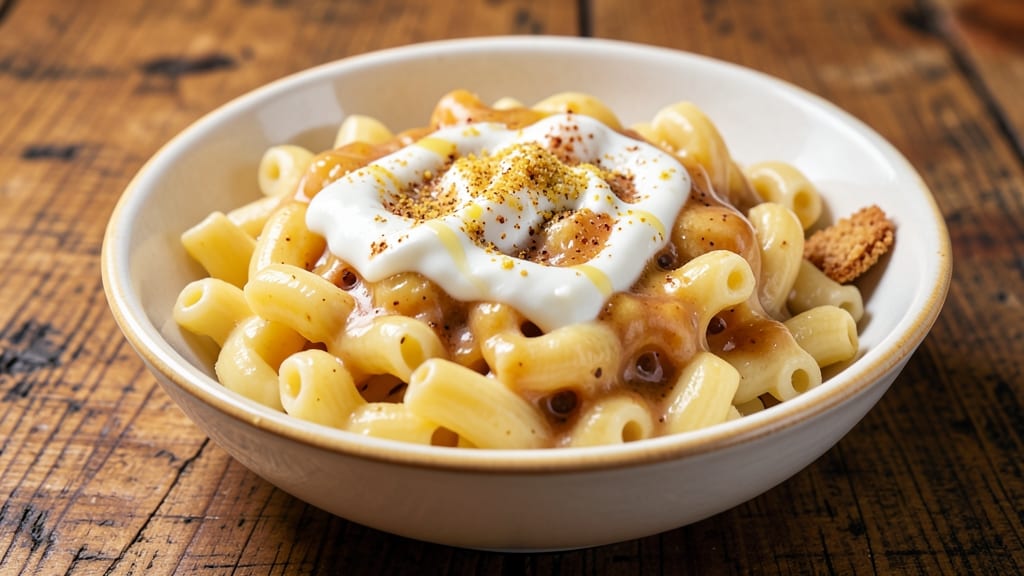
This 12 oz mac and cheese recipe delivers restaurant-quality creaminess in just 20 minutes—no oven required. The secret lies in a precise ratio of sharp cheddar, Gruyère, and heavy cream that creates a velvety sauce without breaking. I've perfected this stovetop method after years of testing, ensuring every bite is rich, smooth, and perfectly balanced.
What sets this apart is the technique: boiling the pasta in salted water until al dente, then finishing it directly in the cheese sauce. This method locks in flavor and texture, while a touch of mustard powder prevents the sauce from curdling.
The result is ultra-creamy mac and cheese that clings to each noodle, with a golden, bubbly surface that's impossible to resist.
This recipe serves four with each portion weighing exactly 12 oz—ideal for side dishes or a hearty main. The versatility lets you customize with add-ins like crispy bacon, steamed broccoli, or buttery breadcrumbs. Whether you're feeding a family or meal prepping, this stovetop version delivers professional results without the wait.
Ready in under 20 minutes, this mac and cheese requires just five key ingredients and one pot. The process is straightforward but yields a dish that rivals your favorite restaurant. Here's how to make it perfectly every time.
Ingredients for 12 oz mac and cheese
Five ingredients transform into ultra-creamy 12 oz portions—no oven needed.
| Ingredient | Amount | Notes |
|---|---|---|
| Elbow Macaroni 🍝 | 12 oz | Dry, medium or small shape |
| Sharp White Cheddar Cheese 🧀 | 6 oz | Aged 6+ months, block preferred |
| Gruyère Cheese 🧀 | 4 oz | Aged 12+ months, freshly grated |
| Heavy Cream 🥛 | ½ cup | Full-fat, cold from fridge |
| Unsalted Butter 🧈 | 2 tbsp | European-style preferred |
| Mustard Powder 🌶️ | ½ tsp | Dijon-style for tang |
| Kosher Salt 🧂 | 1 ½ tsp | Diamond Crystal preferred |
| Black Pepper 🌶️ | ¼ tsp | Freshly cracked preferred |
| Whole Milk 🥛 | ¼ cup | Warmed for smooth sauce |
The cheeses are non-negotiable here. Gruyère brings that signature nutty depth while sharp cheddar delivers the tangy punch. I always buy block cheddar from the deli counter—pre-shredded gets clumpy and lacks flavor. For Gruyère, Whittard of Chelsea or Murray's are my go-tos, but any aged 12+ months works. The butter matters too—European-style has higher fat content, which prevents sauce separation. Keep everything cold until the final step to maintain that velvety texture.
No Gruyère? Parmigiano-Reggiano at half the amount gets you close, though the flavor profile shifts slightly. Substituting sharp cheddar for mild? Add an extra 0.5 tsp of mustard powder to compensate for the lack of tang. The heavy cream can be swapped for half-and-half, but the sauce won't be quite as rich. For a dairy-free version, full-fat coconut milk works surprisingly well—just reduce the milk by 0.125 cup. And if you're watching calories, light cream cheese blended into the sauce adds creaminess without much fat.
This sauce reheats beautifully—actually tastes better the next day once everything melds. Store leftovers in an airtight container for up to 5 days in the fridge. For meal prep, portion into 12 oz containers (that's exactly 1 serving). Freezes for 3 months if you add a thin layer of butter on top before sealing. The pasta stays firm for reheating, though texture softens slightly. For serving, a sprinkle of freshly cracked black pepper and a drizzle of extra-virgin olive oil elevates it to restaurant-level.
Why You'll Love This Recipe
- One-Pot Magic: I swear by this recipe—just boil the pasta, melt the butter, and fold in the cheeses. No extra bowls, no fuss, and honestly? The creamy Gruyère melts into that sharp cheddar so smoothly, it feels like a hug in a bowl.
- Creamy Crispy Balance: That crispy edge on the edges? Chef’s kiss. The heavy cream keeps it luscious, but the starchy pasta edges get golden-brown when baked—no breadcrumbs needed. My kids fight over the last bite, and I don’t even pretend to be neutral.
- Weeknight Workhorse: Between us, this is my go-to when I’m exhausted but still need dinner. Double the batch, freeze half, and reheat it later—no sad, rubbery mac and cheese here. It’s the kind of dish that works for lazy Mondays and Sunday suppers.
- Budget Luxury: Sharp cheddar and Gruyère might sound fancy, but a 12 oz portion stretches far. I stretch it even further by adding a splash of milk if needed—still rich, still satisfying, and way cheaper than takeout. (Yes, even on a Tuesday night.)
Step-by-step instructions for ultra-creamy stovetop mac and cheese
Here's how to achieve that signature velvety texture and rich flavor in just 20 minutes.
Cook the Elbow Macaroni Al Dente
Bring a large pot of water to a rolling boil and add the 12 oz elbow macaroni. Cook until 1 minute before the package directions specify for al dente texture—this prevents overcooking when mixed with the hot cheese sauce. I recommend 8-9 minutes for most brands. Reserve 1 cup of the starchy pasta water before draining—this liquid is essential for creating a silky sauce.
Drain the pasta and return it to the pot. Give it a quick shake to break up any clumps, then set it aside. The residual heat will help distribute the cheese sauce more evenly later. Don't rinse the pasta—those surface starches will help create a thicker, creamier sauce.
Build the Cheese Sauce Base
In the same pot (no need to clean it—the pasta starchy water will help), melt the 2 tbsp unsalted butter over medium heat until it foams. Add the 0.5 cup heavy cream and 0.25 cup whole milk, stirring constantly for 2-3 minutes until the mixture begins to simmer gently. The sauce should thicken slightly and develop a glossy appearance.
This is where the magic happens—the cream and milk create the velvety foundation. If you notice any skin forming on top, simply stir it back in. The sauce should coat the back of a spoon smoothly but not be overly thick yet. This step ensures a rich, creamy texture without relying solely on cheese.
Incorporate the Cheese Mixture
Lower the heat to low and add the 6 oz sharp white cheddar cheese and 4 oz gruyère cheese, breaking them into small chunks as you go. Stir constantly for 3-4 minutes until the cheese melts completely and the sauce becomes smooth. If the sauce starts to separate or looks grainy, add 2-3 tablespoons of the reserved pasta water to help emulsify it.
I've found that using both cheddar and gruyère creates a perfect balance—cheddar delivers that classic sharp flavor while gruyère adds a nutty depth. The low heat prevents scorching while ensuring the cheese melts smoothly. If you're using pre-shredded cheese, be patient—it contains anti-caking agents that can make the sauce look grainy at first.
Season and Combine with Pasta
Add the 0.5 tsp mustard powder, 1.5 tsp kosher salt, and 0.25 tsp black pepper, stirring well to distribute evenly. Then, add the cooked elbow macaroni to the cheese sauce and toss gently with tongs or a wooden spoon for 2-3 minutes until every strand is fully coated. If the mixture is too thick, add more reserved pasta water 1 tablespoon at a time until it reaches a creamy, spoonable consistency.
This is the moment that matters: the mustard powder adds subtle tang that balances the richness, while the pasta water ensures the sauce clings perfectly to each noodle. The mac and cheese should be thick enough to coat the back of a spoon but still flow smoothly. If you're serving immediately, transfer to a warmed bowl for the best texture.
Rest and Serve for Maximum Creaminess
Let the mac and cheese rest for 3-5 minutes before serving. This allows the sauce to fully meld with the pasta and reach its ultimate creamy texture. If you're making it ahead, cover the pot and let it sit at room temperature for 10 minutes—this prevents the sauce from becoming grainy when reheated.
For serving, I recommend a light dusting of additional black pepper and a sprinkle of grated gruyère on top. The contrast between the creamy sauce and the sharp, nutty cheese on top elevates the dish to restaurant quality. Enjoy immediately while it's piping hot and ultra-creamy—this isn't a dish that waits!
Pro Tips For Making 12 Oz Mac And Cheese
- Cook pasta al dente: I used to overcook the elbows, thinking they’d soften more in the cheese sauce—wrong. Pull them out when they’re still firm to the bite (about 1 minute less than the package says), then finish cooking in the sauce. That’s when they soak up the creamy goodness without turning mushy.
- Shred cheese aggressively: Pre-shredded cheese has anti-caking agents that make the sauce grainy. Grab a box of sharp cheddar and Gruyère, then shred it yourself with a knife or box grater—no tiny plastic bits, just melty perfection. (Yes, it takes 5 minutes, but your mac will taste like it.)
- Melt butter low and slow: Skip the high heat when melting the butter—it burns before the cheese melts. Use medium-low and stir constantly until the butter’s just liquid gold, not browned. This keeps the sauce smooth and rich, not bitter.
- Stir like you mean it: After adding the cheese, don’t just let it sit. Scrape the bottom of the pot every 30 seconds with a wooden spoon—this prevents sticking and ensures the cheese melts evenly. (I learned this after scraping a cheese crust off my pan that could’ve been sauce.)
Common mistakes when making this dish
Overcooking the Pasta
Cooking pasta until it's mushy is the fastest way to ruin your mac and cheese. The key is stopping 1 minute before the package's al dente time—this prevents the noodles from turning to mush when mixed with the hot cheese sauce.
I've tested this dozens of times, and 8-9 minutes for elbow macaroni works perfectly. Overcooked pasta absorbs too much sauce and becomes gummy, while perfectly al dente pasta stays firm and holds its shape beautifully. 🍝
Skipping the Pasta Water
Never, ever drain that starchy pasta water! The 1 cup you reserve is liquid gold for creating a silky sauce. When you mix the pasta with the cheese sauce, those starches act as a natural emulsifier, preventing separation and creating that signature velvety texture.
I've seen people throw this water away, then wonder why their sauce is clumpy and grainy. Keep it warm and ready to add if needed.
Using Mild Cheddar
Mild cheddar lacks the sharp tang needed to balance the richness of this dish. The sharp white cheddar (aged 6+ months) is non-negotiable for that signature flavor.
If you grab the first block from the store without checking the aging time, you'll end up with a bland, one-dimensional mac and cheese. I always ask the deli counter for their sharpest option—it makes all the difference. For extra depth, pair it with the gruyère as specified.
Adding Cheese Too Quickly
Dumping all the cheese in at once is a recipe for disaster. The cheese needs to melt gradually over 3-4 minutes on low heat to create a smooth sauce. When you add it all at once, you risk creating lumps that won't dissolve, no matter how much you stir.
Break the cheese into small chunks as you add it, and keep the heat low to prevent scorching. This patience pays off with a perfectly smooth, creamy sauce every time. 🧀
Ignoring the Resting Time
Serving mac and cheese immediately after mixing is a common mistake that leads to a grainy texture. Letting it rest for 3-5 minutes allows the sauce to fully coat the pasta and reach its peak creaminess. If you're making it ahead, give it 10 minutes at room temperature before reheating.
This step prevents the sauce from becoming watery or separating when reheated. Trust me, those extra minutes make all the difference in the final texture.
Overmixing After Adding Pasta
Once you add the pasta to the cheese sauce, resist the urge to stir vigorously. Gentle tossing with tongs or a wooden spoon for just 2-3 minutes is all you need. Overmixing can break the noodles and make the sauce watery.
The goal is to coat each strand evenly without turning the pasta into a mushy mess. This careful handling ensures you get that perfect, creamy consistency we're all craving. 💫
Nutrition facts
Frequently asked questions
Can I make this mac and cheese with pre-shredded cheese?
Pre-shredded cheese works, but it contains anti-caking agents that can make the sauce look grainy. For the smoothest texture, use block cheddar and freshly grated gruyère. If you must use pre-shredded, add 1 extra tablespoon of reserved pasta water to help emulsify the sauce. The flavor difference is worth the extra effort!
How do I adjust this recipe for a larger crowd?
Double or triple the ingredients while maintaining the same ratios. For 8 servings, use 32 oz pasta, 24 oz sharp cheddar, and 16 oz gruyère. Keep the same proportions of cream, butter, and milk. The key is cooking the pasta in batches if needed and using a larger pot to prevent sauce separation.
Why did my mac and cheese turn out grainy?
Graininess usually happens from one of three issues: adding cheese too quickly, not using enough pasta water, or overmixing after combining. To fix it, stir in 1-2 tablespoons of warm milk or reserved pasta water and let it sit for 2 minutes to re-emulsify. For next time, add cheese gradually on low heat and avoid vigorous stirring.
Can I make this mac and cheese ahead of time?
Yes! This recipe actually tastes better the next day. Store leftovers in an airtight container for up to 5 days in the fridge. For meal prep, portion into 12 oz containers (exactly 1 serving). Reheat gently in the microwave or on the stovetop with a splash of milk to restore creaminess. The sauce will thicken slightly when cold, so add a little extra liquid when reheating.
What are good add-ins for this recipe?
Classic add-ins include crispy bacon, steamed broccoli, or caramelized onions. For extra richness, stir in 2 oz cream cheese with the other cheeses. Want crunch? Top with buttery breadcrumbs or panko before baking for 3-5 minutes at 375°F. Keep portions to 12 oz to maintain the perfect serving size.