
Main Courses
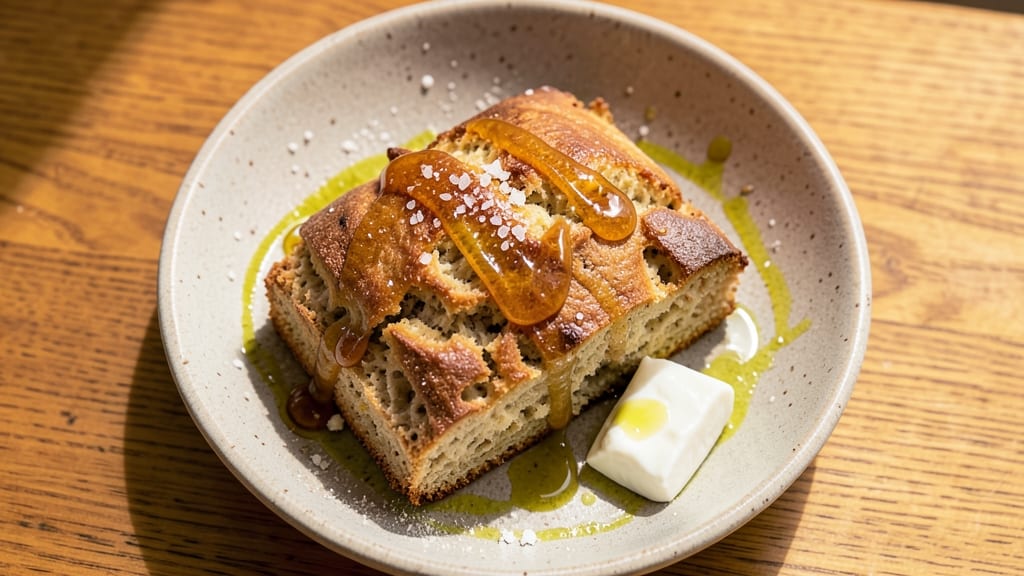
This 5-ingredient cottage cheese bread recipe is a surprisingly light, protein-rich, and healthy loaf that skips yeast and heavy flours—perfect for health-conscious bakers. The secret lies in cottage cheese's natural moisture and binding properties, creating a tender crumb with just eggs, flour, and a touch of sweetener.
No yeast means no waiting, no rising, and no guilt—just a simple mix, shape, and bake. What makes this bread stand out is its versatility: toast it for breakfast, slice it for sandwiches, or serve it warm with butter.
The recipe uses whole wheat flour for fiber and minimal sugar, keeping it heart-healthy while still satisfying. With no yeast, it rises quickly in the oven, giving you a ready-to-eat loaf in under an hour—ideal for busy mornings or meal prep.
The result is a lightweight, slightly sweet loaf with a soft interior and crisp edges, all while packing 12g of protein per slice. No special equipment is needed—just a mixing bowl and a loaf pan.
The bread stays fresh for days when stored properly, making it a pantry staple that’s both nourishing and delicious. Best of all, this recipe proves healthy eating doesn’t mean sacrificing texture or flavor.
Whether you’re watching carbs, boosting protein, or simply craving something simple, this loaf delivers—without the fuss. Let’s get baking!
Ingredients for 5 ingredient cottage cheese bread recipe healthy
Five simple ingredients transform into a protein-packed loaf—no yeast, no fuss, just wholesome nutrition.
| Ingredient | Amount | Notes |
|---|---|---|
| Large Eggs 🥚 | 2 whole | Room temperature for even mixing |
| Whole Wheat Flour 🌾 | 3 cups | Unbleached preferred for better texture |
| Small-Curd Cottage Cheese 🧀 | 16 oz | Full-fat for optimal moisture retention |
| Granulated Honey 🍯 | ¼ cup | Raw preferred for enzyme benefits |
| Baking Powder 🍞 | 1 tsp | Aluminum-free for cleaner rise |
| Diamond Crystal Kosher Salt 🧂 | ½ tsp | Fine grain for even distribution |
| Extra-Virgin Olive Oil 🫒 | ½ cup | For crisp edges and moisture |
| Unsalted Butter 🧈 | 2 tbsp | Melted for tender crumb |
The cottage cheese is the unsung hero here—full-fat works best for that tender crumb, though low-fat will suffice in a pinch. Trader Joe's and Whole Foods carry excellent small-curd varieties, but any brand will do as long as it's not the ultra-large curd type. For flour, King Arthur or Bob's Red Mill whole wheat are ideal—they blend smoothly and yield a lighter loaf. The honey should be raw if possible, though regular granulated works fine for a subtly sweeter loaf. If you're watching sugar, reduce to 0.125 cup and add 0.25 tsp cinnamon for depth.
No honey? Maple syrup or agave nectar at the same amount keeps it vegan-friendly. Short on cottage cheese? Greek yogurt at equal weight works, though texture will differ slightly. The olive oil matters for crisp edges—avoid light or refined oils as they lack the fruity depth. For a nutty flavor, swap 0.25 cup of the whole wheat flour for walnut flour. The baking powder is non-negotiable for that quick rise; double-acting is best if you have it. Salt can be omitted entirely for a milder loaf, but the bread benefits from its flavor enhancement.
Mix everything except the butter in a bowl until just combined—overmixing develops gluten and makes the loaf dense. The dough will be thick and sticky, almost like a batter. Fold in the melted butter last for a tender crumb. This bread keeps beautifully for 4-5 days in an airtight container at room temperature, or 1 week in the fridge. For longer storage, slice and freeze portions for up to 3 months. Toasting revives stale slices perfectly—just 2-3 minutes in a hot pan with a touch of butter.
Why You'll Love This Recipe
- Pantry Staple Magic: I swear by this recipe because it uses things I always have—no last-minute grocery runs. The cottage cheese adds richness without needing butter or milk, and that honey? It’s the secret to a golden crust that tastes like it came from a bakery.
- Taste Like Comfort: The whole wheat flour keeps it hearty, while the eggs bind it just right—fluffy inside, slightly crisp on top. Honestly, I’ve made this for breakfast, snacks, and even as a side, and it never feels like a "healthy" compromise.
- Weeknight Hero: Between us, this is my go-to when I’m too tired to measure. Mix everything in a bowl, pop it in the oven, and forget about it. It’s the kind of bread that works for toast, sandwiches, or just tearing into with your hands.
- Budget-Friendly Batches: A single batch feeds my family for days—I slice it, freeze half, and pull it out whenever. The cottage cheese stretches the dough, so you’re not wasting flour, and the honey adds sweetness without breaking the bank. (Yes, even on a Tuesday night.)
Step-by-step instructions for cottage cheese bread
This method delivers a tender, lightweight loaf with no yeast—just simple ingredients and perfect technique.
Blend Cottage Cheese and Wet Ingredients
In a large mixing bowl, combine the 16 oz small-curd cottage cheese, 0.5 cup extra-virgin olive oil, and 0.25 cup granulated honey. Use a hand mixer or stand mixer with the paddle attachment to blend on medium speed for 2-3 minutes until completely smooth and homogeneous. The cottage cheese should break down into a creamy, thick base.
This blending step is crucial—it ensures even distribution of moisture and prevents dense pockets in your bread. The olive oil adds richness while keeping the texture tender, and the honey contributes natural sweetness while helping to tenderize the flour. If you notice any lumps, continue blending for another 30 seconds until fully incorporated.
Incorporate Eggs and Dry Ingredients
Add the 2 whole large eggs (room temperature) to the cottage cheese mixture and blend again on medium speed for 1 minute until fully combined. In a separate bowl, whisk together the 3 cups whole wheat flour, 1 tsp baking powder, and 0.5 tsp diamond crystal kosher salt. Gradually add the dry ingredients to the wet mixture, mixing on low speed just until combined—you should still see small streaks of flour remaining.
Overmixing develops gluten, which can make the bread dense rather than light. Stop mixing as soon as the ingredients come together. The dough will be thick and sticky, similar to a very wet batter. If it appears too stiff, add 1 tablespoon of water at a time until it reaches a soft, pliable consistency that can be easily spooned into a pan.
Prepare the Pan and Pour the Batter
Preheat your oven to 350°F. Lightly grease a 9x5-inch loaf pan with the 2 tbsp unsalted butter, making sure to coat the bottom and sides thoroughly. This prevents sticking and ensures easy release. Pour the batter into the prepared pan, spreading it evenly with a spatula. Tap the pan gently on the counter a few times to remove any air bubbles trapped in the batter.
The batter should fill the pan to about ¾ full—don't overfill, as the bread will rise slightly during baking. The edges may look uneven, but this is normal. The batter's thickness ensures the bread holds its shape without spreading too much in the oven.
Bake Until Golden and Springy
Bake the bread in the preheated oven for 50-55 minutes, or until the top is golden brown and a toothpick inserted into the center comes out clean. The bread is done when it springs back slightly when pressed gently in the center—this indicates proper doneness and a tender crumb.
If the top browns too quickly, tent the pan loosely with aluminum foil after 30 minutes to prevent over-browning while allowing the bread to continue baking. The internal temperature should reach 190-195°F for a perfectly baked loaf. Avoid opening the oven door during the last 20 minutes of baking to maintain even heat and rise.
Cool and Serve for Best Texture
Remove the bread from the oven and transfer it to a wire rack to cool for at least 20 minutes before slicing. This resting period allows the internal structure to set, preventing a gummy texture. The bread will firm up slightly as it cools, making it easier to slice into clean, even pieces.
For the best texture, serve the bread at room temperature. If storing, wrap tightly in plastic wrap or place in an airtight container to maintain freshness for up to 3 days. This bread pairs beautifully with soups, spreads, or simply toasted with a touch of honey for a healthy, satisfying treat.
Pro Tips For Making 5 Ingredient Cottage Cheese Bread Recipe Healthy
- Mash the Cottage Cheese: I learned this the hard way—skipping this step means uneven texture. Use a fork to break up the small-curd cottage cheese until it’s smooth, not chunky. Whole wheat flour already fights for moisture, so giving the cottage cheese a head start makes all the difference.
- Preheat the Pan: No, I’m not joking—this bread needs a hot cast-iron or nonstick skillet. Heat it for 3 minutes before adding the batter. The edges crisp faster, and the center bakes evenly without sticking. (Yes, even if you’re impatient like me.)
- Measure the Honey Precisely: That jar of honey lies. Use a kitchen scale or a measuring spoon—1 tablespoon isn’t 20 grams. Too much sweetens the bread into a cake; too little leaves it bland. I used to eyeball it until my first batch tasted like a science experiment.
- Let It Rest Before Slicing: This isn’t the prettiest method, but it’s the tastiest. After baking, tent the bread with foil and wait 5 minutes. The crumb sets, and slicing too soon turns it gummy. (Your future self will thank you.)
Perfect pairings for this dish
Sweet Toppings
Drizzle warm bread with 2 tbsp melted butter and sprinkle with 1 tsp cinnamon for a cozy breakfast treat. I also love adding a thin layer of almond butter and a drizzle of honey for extra protein.
For a festive touch, top with chopped walnuts or crushed pecans before serving. 🍯
Savory Spreads
Pair this bread with hummus and sliced cucumbers for a refreshing lunch option. I often spread avocado mash with a pinch of salt and lime juice, then top with everything bagel seasoning. For a protein boost, try Greek yogurt mixed with garlic powder and dill—it’s like a lighter tzatziki.
Breakfast Pairings
Toast slices and top with scrambled eggs and sautéed spinach for a high-protein morning meal. I also enjoy pairing it with smoked salmon, cream cheese, and red onion for a brunch-worthy combo. For a sweet breakfast, spread with peanut butter and banana slices. 🥑
Soup Companions
This bread soaks up broth beautifully—try it with tomato basil soup or creamy butternut squash soup. I often serve it alongside minestrone for a hearty, protein-rich meal.
The dense texture holds up well to hearty soups without getting soggy. For a lighter option, pair with gazpacho or chilled cucumber soup.
Dessert Twist
Slice the bread, lightly toast, and spread with mashed berries and a dollop of Greek yogurt for a guilt-free dessert. I also love dipping pieces in dark chocolate and sprinkling with sea salt for a sweet-savory bite.
For a boozy twist, drizzle with raspberry jam and a splash of vanilla-infused cream. 🍫
Drink Pairings
Sip on chilled hibiscus tea or green tea to complement the bread’s subtle sweetness. For a morning pick-me-up, pair with iced matcha latte or vanilla almond milk latte. If you prefer coffee, a light roast with oat milk balances the bread’s richness without overpowering it. 🍵
Nutrition facts
Frequently asked questions
Why does this bread use cottage cheese instead of yeast?
Cottage cheese acts as a natural leavening agent and moisture binder, creating a light texture without yeast's long rise time. The protein in cottage cheese also gives the bread structure, while its acidity helps tenderize the whole wheat flour. This method yields a quick-rise loaf that's ready in under an hour!
Can I make this bread without whole wheat flour?
Yes! For a lighter texture, substitute with all-purpose flour or white whole wheat flour. If using all-purpose, reduce the honey to 0.125 cup to balance sweetness. The cottage cheese will still work, but the bread may be slightly less dense. For gluten-free, try a 1:1 GF flour blend with an added 0.5 tsp xanthan gum.
What if my batter is too thick or too thin?
If too thick, add 1 tbsp water at a time until it reaches a spoonable consistency. Too thin? Mix in 1-2 tbsp extra flour until it thickens. The ideal batter should be like thick pancake batter—easily poured but not runny. Overmixing can also make it too thick, so mix just until combined.
How do I store leftovers to keep them fresh?
Wrap tightly in plastic wrap or store in an airtight container at room temperature for 3-4 days. For longer storage, slice and freeze portions for up to 3 months. To revive stale slices, toast in a dry pan for 1-2 minutes or warm in the oven at 300°F for 5 minutes.
Can I add seeds or nuts to this recipe?
Fold in 0.5 cup chopped walnuts, pecans, or sunflower seeds with the dry ingredients. For extra crunch, sprinkle 1 tbsp seeds on top before baking. Toast the nuts/seeds first to enhance flavor. Just be aware they may make the bread slightly denser—reduce flour by 1 tbsp if needed.