
Appetizers
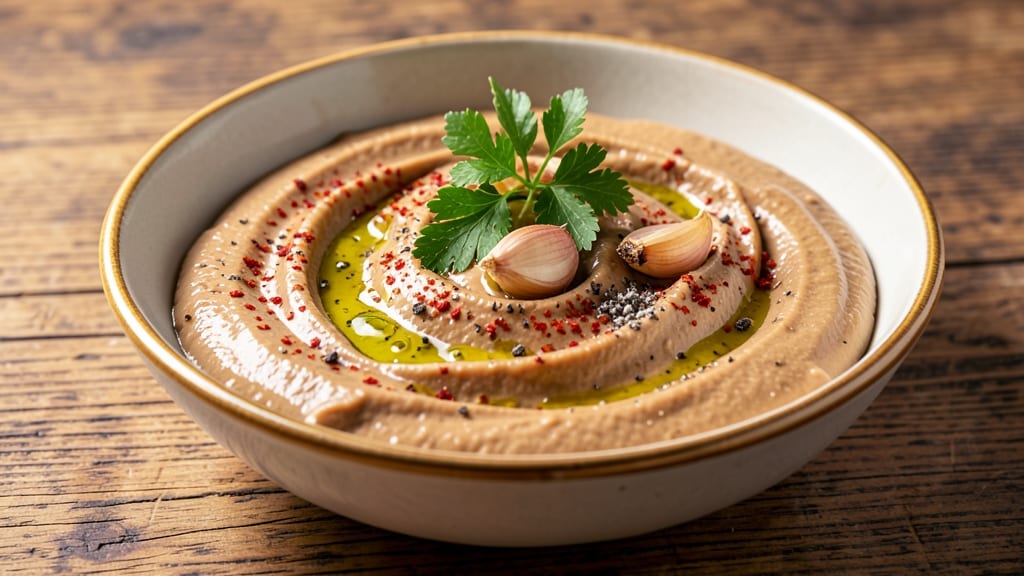
This Abbruzze cheese spread recipe transforms bold, tangy cheese into a velvety, herby condiment perfect for elevating charcuterie boards and appetizers. The sharp, slightly peppery flavor of Abbruzze (or a good pecorino substitute) blends seamlessly with garlic, olive oil, and fresh herbs, creating a spread that's rich yet balanced.
What makes this recipe stand out is how it combines simplicity with restaurant-quality depth—no cooking required, just blending and resting.
The key to success lies in the ratio of ingredients: a generous amount of olive oil keeps the spread creamy without overpowering the cheese's natural tang.
I like to add a touch of chili flakes for heat and fresh parsley for brightness, but you can customize it with black pepper, lemon zest, or even a splash of white wine for extra complexity.
This spread isn't just for snacking—it's a versatile condiment that works as a pasta sauce, sandwich spread, or dip for roasted vegetables.
What you'll end up with is a smooth, spreadable cheese blend that's sharp, herby, and deeply flavorful, with a texture that's neither too thick nor too runny. The flavors develop as it rests, becoming more cohesive and aromatic.
Serve it chilled on crusty bread, drizzled over grilled meats, or as a finishing touch for risotto. It keeps well in the fridge for up to a week, making it a perfect make-ahead appetizer for gatherings.
For those without Abbruzze, pecorino romano or aged cheddar work well as substitutes, though the flavor will differ slightly. The beauty of this recipe is its flexibility—adjust the herbs and spices to match your taste, but always let it rest before serving. Here's how to make it perfectly every time.
Ingredients for abbruzze cheese spread
Eight simple ingredients transform sharp Abbruzze cheese into a velvety, restaurant-worthy spread perfect for charcuterie boards.
| Ingredient | Amount | Notes |
|---|---|---|
| Abbruzze Cheese 🧀 | 1 lb | Aged, sharp, and peppery preferred |
| Extra-Virgin Olive Oil 🫒 | ½ cup | High-quality, fruity variety |
| Garlic Cloves 🧄 | 4 cloves | Fresh, peeled, and roughly chopped |
| Fresh Parsley Leaves 🌿 | ¼ cup | Stems removed, tightly packed |
| Red Chili Flakes 🌶️ | 1 tsp | For subtle heat, adjust to taste |
| Freshly Ground Black Pepper 🌶️ | ½ tsp | Freshly cracked for maximum flavor |
| Lemon Zest 🍋 | 1 tsp | Brightens the spread beautifully |
| Dry White Wine 🍷 | 1 tbsp | Optional, for depth (use bold variety) |
| Diamond Crystal Kosher Salt 🧂 | ½ tsp | Fine grain for delicate seasoning |
The Abbruzze cheese is the star—look for aged wheels with a peppery bite at specialty cheese shops or Italian markets. Whole Foods or Eataly carry excellent options, but don't overlook your local butcher or cheese monger. If Abbruzze is unavailable, pecorino romano or aged cheddar work well, though the flavor will be slightly milder. The olive oil should be extra-virgin with noticeable fruitiness—California Olive Ranch or Colavita are reliable brands. For the garlic, freshly peeled cloves make the biggest difference; pre-minced garlic lacks texture and depth.
No Abbruzze? Pecorino romano or sharp white cheddar are excellent substitutes, though they'll lack the signature peppery kick. Swap the chili flakes for crushed red pepper at half the amount if you prefer a smoother heat. Fresh parsley is ideal, but dried parsley at one-third the amount works in a pinch. The wine is optional but adds complexity—use a dry, crisp white like Pinot Grigio. For a tangier spread, add 1 tsp lemon juice instead of zest. The kosher salt is crucial for balancing flavors; Diamond Crystal dissolves more easily than Morton's.
This spread develops best when chilled for at least 2 hours before serving. Store in an airtight container with a thin layer of olive oil on top to preserve freshness for up to 1 week in the fridge. For longer storage, freeze portions for up to 3 months**—thaw at room temperature before serving. The texture will be slightly firmer after freezing, but it softens beautifully once rested. Portion into small jars for easy use on charcuterie boards or as a pasta sauce base.
Why You'll Love This Recipe
- No-Fuss Blend: I swear by this one—just crumble the Abbruzze, pulse the garlic, and stir. The cheese does all the heavy lifting while I’m still debating what to have for dinner.
- Garlic-Parsley Magic: That first bite? The chili flakes add a whisper of heat, but it’s the bright parsley cutting through the rich Abbruzze that makes it ridiculously good—like a hug in edible form.
- Party in a Bowl: Slather it on crusty bread for game day, dollop it into pasta water for a cheesy finish, or serve it with crackers when unexpected guests show up. It’s my go-to for “I didn’t plan this” moments.
- Cheap & Lasts Forever: A wedge of Abbruzze stretches into weeks of spread, and the other ingredients? Already in my pantry. Plus, I make a double batch—half gets eaten, the rest lives in the fridge for “emergency” toast.
Step-by-step instructions for Abruzze cheese spread
Transform bold Abruzze cheese into a velvety, herb-infused spread perfect for elevating any charcuterie board.
Grate the Abruzze Cheese for Maximum Surface Area
Using a box grater or food processor fitted with a grating disc, grate the 1 lb Abruzze Cheese into fine, even shreds. I prefer using the food processor because it creates more consistent texture—no large chunks remain. Work in batches if needed to avoid overfilling the processor.
As you grate, you'll notice the cheese's sharp, peppery aroma intensify. This is your first taste of what makes Abruzze so special. Once fully grated, transfer the cheese to a large mixing bowl. The fine texture will melt more evenly and create a smoother spread.
Bloom the Aromatics in Olive Oil
In a small saucepan, combine the 0.5 cup Extra-Virgin Olive Oil, 4 cloves Garlic Cloves, and 1 tsp Red Chili Flakes. Heat over medium-low heat for 3-4 minutes until the garlic becomes fragrant but doesn't brown. You'll smell the garlic's sweetness mingling with the chili's subtle heat—this is the flavor foundation.
Remove the saucepan from heat immediately to prevent burning. Add the 1 tbsp Dry White Wine (if using) and let it sit for 1 minute to infuse. This step ensures the garlic and chili flavors meld completely with the olive oil before combining with the cheese.
Combine and Emulsify the Spread
Pour the warm olive oil mixture over the grated Abbruzze Cheese in the mixing bowl. Add the 0.25 cup Fresh Parsley Leaves, 1 tsp Lemon Zest, 0.5 tsp Freshly Ground Black Pepper, and 0.5 tsp Diamond Crystal Kosher Salt. Using a wooden spoon or spatula, gently fold everything together until just combined.
For a truly silky texture, transfer the mixture to a food processor or high-speed blender. Pulse in 3-second bursts until smooth but still slightly textured—over-processing makes the spread greasy. Taste and adjust seasoning if needed; the cheese's natural sharpness often requires no additional salt.
Rest and Serve for Optimal Texture
Spread the mixture into a shallow dish or serving bowl. Cover with plastic wrap pressed directly onto the surface to prevent a skin from forming. Refrigerate for at least 2 hours (or up to 48 hours) to allow flavors to meld and the texture to set properly.
When ready to serve, give the spread a final stir. It should be creamy yet spreadable, with visible flecks of parsley and chili. The lemon zest will brighten the sharp cheese, while the olive oil adds luxurious richness. Serve chilled with crusty bread, crackers, or alongside cured meats for a sophisticated charcuterie experience.
Pro Tips For Making Abbruzze Cheese Spread
- Prep the Garlic Right: Peel those cloves just before you need them—no waiting around with exposed garlic. I learned this the hard way when my spread turned bitter from sitting too long with raw garlic; crush them lightly in a mortar or knife blade right as you heat the oil.
- Don’t Rush the Oil: Warm that extra-virgin olive oil slowly over medium-low—no need to rush. After burning two batches, I finally realized high heat turns the oil bitter and ruins the delicate cheese flavor. Let it shimmer, not smoke.
- Grate the Cheese Fresh: Skip the pre-shredded stuff—it’s coated in anti-caking agents that make the spread grainy. Use a box grater or food processor right before mixing, and pulse the Abbruzze in short bursts to keep it chunky and creamy.
- Balance the Heat First: Taste the chili flakes before adding parsley—you’ll adjust better. I used to dump everything in at once and end up with a spread that’s either bland or too fiery. Start with half the flakes, then add parsley to brighten it up.
Make-ahead tips for leftovers
Make-Ahead Prep
This spread is a make-ahead dream—prep it the night before or even a few days ahead for maximum flavor development. After blending, transfer it to an airtight container (I love Le Creuset stoneware for its durability) and refrigerate.
The longer it rests, the more cohesive the flavors become—24 hours is ideal for deep, complex taste. 📅
Portioning for Parties
For gatherings, divide the spread into small ramekins or shot glasses (about 2 tbsp per serving). These portions are perfect for charcuterie boards and keep the spread from getting soggy.
Store them in a single airtight container with parchment paper between layers to prevent sticking. Label with the date—it stays fresh for 5 days this way. ✨
Freezer-Friendly Tips
Freeze portions in silicone molds or ice cube trays for easy single-use servings. Once frozen, transfer to a ziplock bag with all air removed to prevent freezer burn. Thaw in the fridge overnight—never microwave—as this preserves the creamy texture.
The spread will firm up slightly but softens beautifully at room temperature for 15-20 minutes. ❄️
Reheating (If Needed)
If you must reheat, use a double boiler or microwave on low power in 10-second bursts, stirring between each. Add 1 tsp olive oil to help restore creaminess. For best results, though, serve it chilled—the cold temperature enhances the sharp cheese and bright herbs. 🔥
Flavor Boosting Tricks
Want to elevate the spread further? Add 1 tsp white miso paste for umami depth or ½ tsp smoked paprika for a subtle smokiness. For a citrus twist, fold in 1 tbsp orange zest instead of lemon.
These tweaks work best when added after the initial blending and before refrigerating. 💫
Serving Temperature
Serve this spread well-chilled (below 45°F) to highlight its sharp, herby profile. The cold temperature also prevents the olive oil from separating. If it looks too firm after refrigeration, let it sit at room temperature for 5-10 minutes—it’ll soften perfectly without losing its structure. 🍽️
Nutrition facts
Frequently asked questions
Can I use a substitute for Abbruzze cheese?
Yes! If you can't find Abbruzze, try pecorino romano or aged cheddar for a similar sharp, tangy flavor. For extra depth, mix ½ cup pecorino with ½ cup sharp white cheddar. The texture will be slightly different but still delicious.
How do I fix a spread that's too thick or too thin?
For a thick spread, add 1-2 tbsp olive oil and blend briefly. If it's too thin, stir in 1 tbsp grated cheese or 1 tsp cornstarch mixed with water to thicken. Always adjust gradually to avoid ruining the texture.
Can I make this spread without a food processor?
Grate the cheese finely by hand, then use a mortar and pestle to crush the garlic and blend everything with a wooden spoon. For a smoother texture, press the mixture through a fine-mesh sieve to remove any remaining lumps. The flavor will still be fantastic!
What are the best ways to serve this spread?
This versatile spread shines on crusty bread, crackers, or as a dip for veggie sticks. Try it as a pasta sauce (toss with cooked linguine) or as a sandwich spread on ciabatta. For a gourmet touch, drizzle it over grilled meats or use it as a base for stuffed mushrooms.
Why does my spread separate after refrigerating?
This happens when the oil and cheese aren't fully emulsified. To fix it, stir vigorously or blend briefly to recombine. For prevention, chill the spread for only 2 hours before serving, and avoid over-processing. A thin layer of olive oil on top before refrigerating also helps maintain consistency.