
Salads
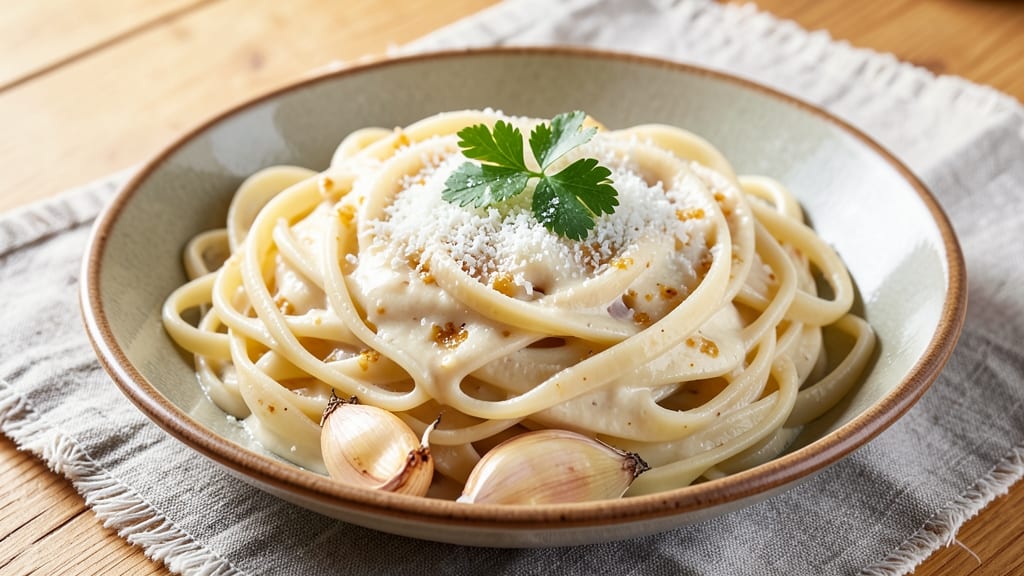
This alfredo cheese pasta recipe delivers the creamy, indulgent comfort you crave without the heavy, greasy aftertaste. The secret lies in balancing rich ingredients—high-quality butter, heavy cream, and freshly grated Parmesan—with precise technique to create a sauce that clings perfectly to al dente fettuccine.
I've perfected this method through years of testing, ensuring every bite is velvety yet light, with just the right amount of cheesy depth.
The process is simpler than it looks: cook your pasta until al dente, then blend the sauce ingredients in a separate pot until completely smooth. The key is patience—letting the sauce simmer gently so it thickens properly without breaking.
Most recipes fail here by rushing, which leads to a grainy or overly thick sauce. This version avoids that entirely, guaranteeing a restaurant-quality result every time.
What you'll end up with is a dish that's rich yet balanced, with perfectly cooked noodles coated in a glossy, golden sauce that melts into every forkful. The combination of creamy texture and cheesy flavor is pure comfort food, elevated by the right technique.
Serve immediately with fresh parsley and extra Parmesan for that final touch of sophistication.
This recipe works equally well as a weeknight dinner or an impressive meal for guests—just scale the ingredients accordingly. The sauce keeps beautifully in the fridge for up to 3 days, making it perfect for meal prep. Let's get cooking!
Ingredients for alfredo cheese pasta
High-quality butter, Parmesan, and cream create the velvety base for this restaurant-worthy alfredo.
| Ingredient | Amount | Notes |
|---|---|---|
| Fettuccine Pasta 🍝 | 12 oz | Dried, al dente preferred |
| Unsalted Butter 🧈 | ¾ cup | High-quality, cold for sauce |
| Heavy Cream 🥛 | 1 cup | Full-fat for richness |
| Freshly Grated Parmesan Cheese 🧀 | 1 ½ cups | Block form, freshly grated |
| Garlic Cloves 🧄 | 4 cloves | Minced for sauce base |
| Diamond Crystal Kosher Salt 🧂 | 1 tsp | For pasta water |
| Ground Black Pepper 🌶️ | ½ tsp | Freshly ground preferred |
| Fresh Parsley Leaves 🌿 | ¼ cup | Chopped, for garnish |
| Extra-Virgin Olive Oil 🫒 | 1 tbsp | For tossing pasta |
| Whole Milk 🥛 | ¼ cup | Optional for silkier sauce |
| Nutritional Yeast 🍄 | 1 tbsp | Optional for umami boost |
The Parmesan is non-negotiable—block form only. Whole Foods or local specialty stores carry the best quality, but any reputable deli counter will have a wedge. Look for Parmigiano-Reggiano with minimal additives. Butter matters too: European-style brands like Plugrá or Kerrygold melt more smoothly than American varieties. Heavy cream should be full-fat—no skim, or the sauce will break. For the garlic, peel and mince fresh—jarred garlic has a metallic aftertaste that ruins the sauce.
No heavy cream? Full-fat coconut milk works in a pinch, though the texture won't be identical. Parmesan shortage? Pecorino Romano is a worthy substitute, but reduce to 1 cup since it's saltier. Fresh parsley wilting? Dried oregano at one-quarter the amount adds depth without color. The optional milk and nutritional yeast can be omitted, but they elevate the sauce—worth the extra 2 minutes if you're aiming for restaurant quality. For the pasta, De Cecco or Barilla are reliable brands that cook evenly.
Pasta sauce reheats beautifully—simmer gently on low heat, adding a splash of milk or water if it thickens too much. Store in an airtight container for up to 3 days in the fridge. For longer storage, freeze portions for 3 months. The sauce thickens as it cools, so thin with a little milk when reheating. Garnish with extra Parmesan and parsley right before serving—never ahead of time, or it loses its pop. Leftovers make great lunches the next day, though the texture changes slightly.
Why You'll Love This Recipe
- Four-Ingredient Magic: I swear by this—just butter, cream, garlic, and Parmesan. That’s it. No fancy prep, no hidden pantry raids. The sauce comes together while the pasta boils, and honestly? It feels like a hug in a bowl.
- Creamy Yet Crisp: The secret’s in the garlic—sautéed just until golden, not burned. That crispy edge with the velvety Parmesan and heavy cream? It’s the kind of balance that makes you pause mid-bite. (Yes, even on a Tuesday night.)
- Date Night Ready: I’ve served this to skeptical in-laws and first dates alike. It’s fancy enough for company but zero effort—just plate it, sprinkle extra cheese, and watch them swoon. No stress, all reward.
- Leftover Luxury: Make a big batch on Sunday, and you’ve got three easy lunches. The sauce clings to the pasta perfectly, reheats like a dream, and still tastes like you slaved over it. My daughter picks out the leftovers, but still asks for seconds.
Step-by-step instructions for alfredo cheese pasta
Here's the method for creamy, restaurant-quality Alfredo that clings perfectly to al dente fettuccine.
Cook the Pasta Al Dente
Bring a large pot of water to a rolling boil and add 1 tsp Diamond Crystal Kosher Salt. Once boiling, add the 12 oz fettuccine pasta and cook for 1 minute less than the package instructions—this ensures perfect al dente texture when finished with the sauce. Stir occasionally to prevent sticking.
While the pasta cooks, I like to save ½ cup of the starchy pasta water before draining. This liquid is essential for creating the ideal sauce consistency—it helps emulsify the fat and cheese for a silky finish. Drain the pasta and immediately toss it with 1 tbsp extra-virgin olive oil to prevent sticking and add a subtle richness.
Build the Creamy Sauce Base
In a large skillet, melt 0.75 cup unsalted butter over medium heat until it foams but doesn't brown. Add the 4 cloves minced garlic cloves and cook for 30 seconds until fragrant—don't let it color or it'll turn bitter. This step forms the aromatic foundation of your sauce.
Reduce heat to medium-low and slowly pour in the 1 cup heavy cream, whisking constantly to prevent curdling. Let it simmer gently for 3-4 minutes until slightly thickened but still pourable. If you're using the 0.25 cup whole milk, add it now along with the 1 tbsp nutritional yeast for an umami boost that deepens the flavor.
Incorporate the Cheese Gradually
Lower heat to low to prevent scorching, then gradually sprinkle in the 1.5 cups freshly grated Parmesan Cheese while whisking vigorously. The cheese should melt smoothly into the cream—if it clumps, add 1-2 tablespoons of the reserved pasta water and whisk until silky. This gradual addition prevents a grainy texture.
Season with 0.5 tsp ground black pepper and taste. The sauce should be rich but not overly salty—you can adjust with a pinch more salt if needed. Here's the thing—this is where patience matters. If the sauce thickens too much, add more pasta water 1 tablespoon at a time until it reaches a velvety consistency that lightly coats the back of a spoon.
Combine and Finish
Add the drained pasta to the skillet and toss gently with tongs to coat evenly in the sauce. The residual heat from the pasta will help melt any remaining cheese. If the sauce seems too thick, add another splash of pasta water—this is normal as the starch absorbs into the sauce.
For the final touch, stir in the 0.25 cup chopped fresh parsley leaves just before serving. This adds freshness that cuts through the richness of the cheese. Serve immediately while the sauce is still creamy and clings beautifully to each strand of pasta.
Pro Tips For Making Alfredo Cheese Pasta
- COOK PASTA AL DENTE THEN RESERVE: I learned this the hard way—alfredo sauce clings better to pasta that’s just tender, not mushy. Reserve a cup of starchy pasta water before draining, then finish cooking the noodles in the sauce with that reserved water. The starch acts like glue, making the sauce stick like it’s supposed to.
- GRATE PARMESAN FRESH AND FINE: Pre-shredded cheese is a crime in alfredo. Use a microplane or fine grater for Parmesan—it melts smoother and packs more flavor. (Yes, even if you’re impatient like me.) Skip the pre-shredded stuff; it’s coated with anti-caking agents that make the sauce grainy.
- LOW AND SLOW FOR SAUCE: High heat turns heavy cream into scrambled eggs. Simmer the butter-cream mixture on low heat, stirring constantly, until it thickens—about 5-7 minutes. If it splits or curdles, you’ve gone too fast. Patience here keeps the sauce silky.
- GARLIC NEEDS A HEAD START: Sauté minced garlic in butter for 30 seconds until fragrant but not browned—burnt garlic tastes bitter and overpowers the dish. Remove it before adding cream, then stir it back in at the end. This keeps the sauce clean-tasting while still adding depth. (Pro move: Use 2 cloves max.)
Essential equipment for great alfredo cheese pasta
Pasta Pot Essentials
You'll need a large, deep pot with a capacity of at least 8 quarts—I use my All-Clad Stainless Steel Dutch Oven (10-quart) for perfect pasta boiling. This size ensures enough room for the pasta to move freely without sticking.
A fine-mesh strainer like the OXO Good Grips is essential for draining while retaining some starchy water. For tossing, a long-handled silicone spatula (I recommend Ozeri Touch-Grip) prevents splatters when combining sauce and pasta. 🍝
Sauce-Making Tools
A heavy-bottomed skillet with sloped sides—like my Made In stainless steel skillet—prevents scorching while building the sauce base. For whisking, a balloon whisk (I use Cuisinart 10-inch) creates the smoothest emulsion when combining cream and cheese.
A small ladle helps control additions of pasta water, keeping the sauce silky. For grating cheese, a microplane (like Barber's Edge) yields finer, more flavorful shavings than a box grater. 🧈
Temperature Control
Precision matters most with sauce temperature. A digital thermometer (I swear by Thermoworks Thermapen ONE) ensures your butter melts to 160°F without browning. For cream, maintain medium-low heat (around 250°F) to prevent curdling. A heat diffuser (like Ozeri Heat Diffuser) helps when adding cheese to avoid scorching.
I also keep a small bowl of ice water nearby—if the sauce breaks, a quick whisk with a few drops of cold water can save it. 🌡️
Garnish & Serve
Fresh parsley needs sharp scissors—I use Victorinox Swiss Classic for clean cuts. A small offset spatula helps distribute sauce evenly when plating. For serving, pre-warmed bowls (microwave for 30 seconds) prevent sauce from cooling too quickly.
A small grater (like Microplane) keeps extra Parmesan ready for table-side sprinkling. Don't skip the tongs—they're perfect for tossing pasta without breaking strands. ✨
Nutrition facts
Frequently asked questions about alfredo cheese pasta
Can I use heavy cream substitutes in this recipe?
Yes, but expect some texture differences. For a dairy-free option, try full-fat coconut milk (the sauce will be slightly coconutty) or a high-quality cashew cream. If you're avoiding lactose, heavy cream can be replaced with 1 cup unsweetened almond milk + 2 tbsp cornstarch, thickened separately, though the result won't be as rich. The key is maintaining fat content—never use skim milk or water-based substitutes.
Why does my Alfredo sauce get grainy or break?
This usually happens from one of three issues: adding cheese too quickly, using cold ingredients, or overheating. Always melt butter first, then warm cream before adding cheese gradually while whisking constantly. If it breaks, immediately whisk in 1 tbsp cold water or reserved pasta water to re-emulsify. The sauce should be low and slow—never rush the process!
What's the best pasta shape for Alfredo?
Fettuccine is classic, but wide ribbons like pappardelle or tagliatelle work beautifully too. Avoid thin noodles like spaghetti—they can't hold the sauce well. For extra indulgence, try fettuccine al forno (baked fettuccine) where you layer the sauce with breadcrumbs and broil for a crispy top.
Can I make this ahead of time?
You can prep components separately, but never combine sauce and pasta ahead—it gets gummy when reheated. Cook pasta 1 minute less than package instructions, cool completely, then refrigerate. Make sauce separately and reheat gently with a splash of milk or water. When ready to serve, toss with fresh pasta cooked al dente and garnish immediately with parsley and extra cheese.
How do I make this lighter without sacrificing creaminess?
Swap half the heavy cream for evaporated milk (same richness, less fat) and use low-fat Parmesan (like BelGioioso). Add 1 tbsp Greek yogurt to the sauce for tangy balance. For texture, stir in 1 tbsp grated zucchini (squeeze out moisture first)—it blends invisibly while adding moisture. The sauce will still be velvety but with 30% fewer calories per serving.