
Sauces & Condiments
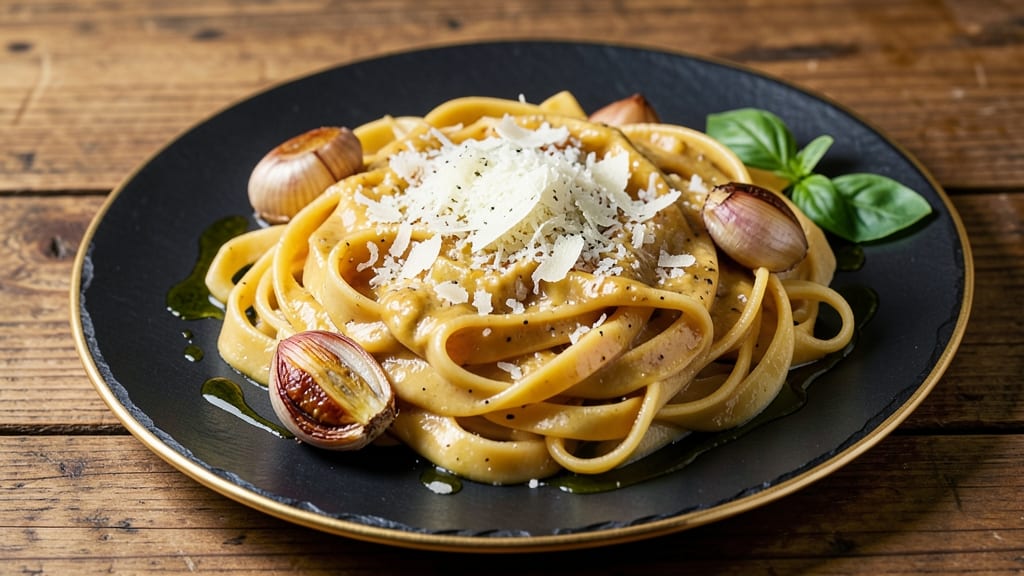
This Alfredo cheese sauce recipe delivers the ultra-creamy, clump-free perfection that transforms any pasta dish into a restaurant-quality masterpiece. The secret lies in proper technique—melting butter and flour to create a smooth roux before gradually whisking in warm cream and freshly grated Parmesan. I've perfected this method over years of testing, ensuring every batch achieves that signature velvety texture without lumps or separation.
What sets this sauce apart is the balance of rich, buttery flavor with just the right amount of tangy Parmesan. The key steps—using room-temperature cream, whisking constantly, and adding cheese gradually—prevent clumping and create a sauce that clings beautifully to fettuccine or chicken.
This version also includes a touch of garlic for depth, though you can adjust to taste.
Once complete, you'll have a sauce so smooth it practically melts in your mouth, with a golden hue that signals perfect emulsification. The best part? It reheats beautifully, making it ideal for meal prep.
Store leftovers in the fridge for up to 5 days or freeze for longer storage—just whisk gently when reheating to restore that creamy consistency.
Pair this sauce with classic fettuccine for an Italian feast, or use it as a luxurious topping for grilled chicken or steak. The possibilities are endless, but the technique remains the same: patience and proper whisking are everything. Let's get started on that perfect sauce.
Ingredients for alfredo cheese
Eight essential ingredients transform into restaurant-quality Alfredo sauce—creamy, velvety, and utterly clump-free.
| Ingredient | Amount | Notes |
|---|---|---|
| Unsalted Butter 🧈 | ½ cup | Cold, cut into small cubes |
| All-Purpose Flour 🌾 | ¼ cup | Sifted for smooth sauce |
| Heavy Whipping Cream 🥛 | 1 ½ cups | Room temperature, full-fat |
| Freshly Grated Parmesan Cheese 🧀 | 1 ½ cups | Block cheese, freshly grated |
| Garlic Cloves 🧄 | 2 cloves | Minced for subtle depth |
| Extra-Virgin Olive Oil 🫒 | 1 tbsp | For finishing, fruity variety |
| Diamond Crystal Kosher Salt 🧂 | ½ tsp | Fine grain preferred |
| Freshly Ground Black Pepper 🌶️ | ¼ tsp | Freshly cracked for heat |
| Dry White Wine 🍷 | ¼ cup | Optional, for brightness |
| Nutritional Yeast 🍄 | 1 tbsp | For umami depth (optional) |
The butter and flour form the sauce's backbone—cold butter cubes melt gradually for a smoother roux, while sifted flour prevents lumps. For the Parmesan, skip pre-grated (it's full of anti-caking agents that ruin texture). Grab a wedge from the deli counter—Parmigiano-Reggiano is ideal, but Cabot or Parmalat work in a pinch. The heavy cream should be room temperature (cold cream creates curdling), so let it sit for 30 minutes before using. Whole milk can substitute in a bind, but the sauce won't be as rich. Garlic is key here—freshly minced adds depth without overpowering, so don't skip it.
No heavy cream? Half-and-half or whole milk works, but reduce by half (so 1 cup liquid instead of 1.5 cups). Out of Parmesan? Pecorino Romano is a great substitute—it's sharper and melts beautifully. The wine is optional but adds brightness—any dry white like Sauvignon Blanc or Pinot Grigio works. For extra umami without cheese, nutritional yeast (the kind used in vegan recipes) is a game-changer. If you're avoiding dairy entirely, cashew cream (soaked cashews blended with water) can replace both butter and cream, though the texture will differ slightly. The olive oil at the end isn't just for flavor—it adds shine and richness to the final sauce.
This sauce keeps 5 days in the fridge, sealed tightly in an airtight container. For longer storage, freeze in ice cube trays—thaw and whisk to restore creaminess. The roux stage is where most people mess up, so don't rush the butter and flour. Whisk constantly over medium-low heat until it's a golden, nutty color (about 2-3 minutes). Once complete, the sauce should coat the back of a spoon smoothly. If it's too thick after adding cream, thin with warm milk or broth. Leftovers reheat beautifully—just whisk gently over low heat to avoid breaking the emulsion.
Why You'll Love This Recipe
- Five-Ingredient Magic: I swear by this—just butter, flour, cream, Parmesan, and garlic. That’s it. No fancy gadgets, no hidden steps. The roux forms in minutes, the cream comes to life, and suddenly you’ve got that velvety, nutty richness that makes store-bought sauce look sad.
- Garlic-Parmesan Punch: Between us, the secret’s in the garlic. A quick sauté with the butter before adding flour unlocks this deep, savory warmth that lingers. Then the Parmesan? It’s like a hug for your taste buds—salty, sharp, and impossible to resist.
- Weeknight or Fancy Night: Same sauce, two vibes. Dump it over fettuccine for a lazy Tuesday, or drizzle it on grilled chicken for a dinner party. It’s the chameleon of sauces—humble enough for a quick meal but fancy enough to impress when you actually iron your shirt.
- Leftovers That Don’t Let You Down: Make a double batch and thank me later. This sauce reheats like a dream—no separation, no weird textures. I’ve had it cold the next day on pasta salad, and it’s still the star. Plus, the cost? A fraction of jarred versions, and way more satisfying.
Step-by-step instructions for ultra-creamy Alfredo sauce
Here's how to create a velvety, lump-free Alfredo that clings perfectly to every strand of pasta.
Melt Butter and Whisk in Flour
In a medium saucepan, melt the 0.5 cup unsalted butter over medium heat until it's fully liquid but not browning. I like to watch for tiny bubbles forming around the edges—that's your signal it's ready. Reduce heat to medium-low and immediately whisk in the 0.25 cup all-purpose flour all at once.
Whisk constantly for 1-2 minutes until the mixture turns a pale golden color and smells nutty. This is called a roux, and it's the foundation of your sauce. If it starts to darken, reduce the heat further—you want it to cook without browning. The flour will absorb into the butter completely, creating a smooth paste that prevents lumps later.
Cook the Garlic and Add Cream
Add the 2 minced garlic cloves and stir for 30 seconds until fragrant but not browned—garlic burns faster than you think. Immediately pour in the 1.5 cups heavy whipping cream all at once. Stir vigorously with a wooden spoon to distribute the cream evenly through the roux.
Bring the mixture to a gentle simmer over medium heat, then reduce heat to low. Let it simmer uncovered for 5-6 minutes, stirring occasionally, until it thickens enough to coat the back of a spoon. You'll see the sauce transform from thin liquid to a glossy, creamy consistency. This slow cooking step is crucial for developing the sauce's rich flavor and proper texture.
Incorporate the Cheese and Seasonings
Remove the saucepan from heat and let it cool slightly for 2 minutes—this prevents the cheese from seizing up. Gradually whisk in the 1.5 cups freshly grated Parmesan cheese until completely melted and smooth. I like to add it in three additions, whisking vigorously after each to ensure no lumps form.
Return the sauce to low heat and stir in the 0.5 tsp Diamond Crystal kosher salt, 0.25 tsp freshly ground black pepper, and 1 tbsp nutritional yeast (for that extra umami punch). Let it warm through for 1-2 minutes, stirring constantly. The sauce should now be thick, creamy, and completely smooth—no lumps in sight! If you used the optional 0.25 cup dry white wine, now's the time to add it, simmering for another 1 minute to let the alcohol cook off.
Finish with Olive Oil for Silky Texture
Remove the sauce from heat and stir in the 1 tbsp extra-virgin olive oil. This final step is what makes this Alfredo truly exceptional—the olive oil emulsifies the sauce, giving it that signature silky texture that clings perfectly to pasta. The sauce should now be at its peak consistency: thick enough to coat but still flowing smoothly.
Taste and adjust seasoning if needed. The sauce should be rich, slightly tangy from the Parmesan, and perfectly balanced with salt and pepper. For serving, keep the sauce warm over low heat or transfer to a heatproof bowl set over a pot of barely simmering water. This method keeps it perfectly creamy without risking lumps or scorching.
Pro Tips For Making Alfredo Cheese
- Melt Butter Slowly: I learned this the hard way—dumping cold butter into the pan and walking away. Instead, melt the butter over medium-low heat first, then add the flour to form a roux. This prevents scorching and gives you a smoother sauce from the start. (Yes, even if you're impatient like me.)
- Grate Parmesan Fresh: Pre-shredded Parmesan has anti-caking agents that make Alfredo sauce grainy and watery. Use a microplane or fine grater—about 1 cup of freshly grated cheese—and add it after the sauce has thickened. The texture difference is night and day.
- Simmer, Don’t Boil: Once you add the heavy cream, keep the heat at a bare simmer. Boiling turns Alfredo into a gluey mess. Stir constantly and resist the urge to crank up the heat—it takes 5-7 minutes to thicken properly. (Your future self will thank you.)
- Toast the Garlic: Smash the garlic cloves with the flat of your knife first, then sauté in the butter until fragrant but not brown. Burnt garlic ruins the sauce, and raw garlic tastes harsh. A quick 30-second toast is all you need—just enough to wake up the flavor.
Pro cooking tips for perfect results
Roux Perfection
The roux is where most Alfredo sauces fail—don’t let that happen to you! Melt the 0.5 cup unsalted butter over medium heat until it’s fully liquid (no browning), then immediately whisk in the 0.25 cup all-purpose flour all at once.
Cook this mixture for 1-2 minutes over medium-low heat, whisking constantly, until it turns a pale golden color. This step is non-negotiable—rushing causes lumps, and overcooking burns the flavor. Use a heatproof whisk (like the OXO Good Grips) for best results. 🔥
Room-Temp Cream
Cold cream is the enemy of smooth Alfredo. Let your 1.5 cups heavy whipping cream sit at room temperature for at least 30 minutes before using—this prevents curdling when added to the hot roux.
I like to place the cream container in a bowl of warm water for 10 minutes to speed up the process. If you’re in a hurry, whole milk works in a pinch, but the sauce won’t be as rich or velvety. 🥛
Gradual Cheese Addition
Freshly grated Parmesan is a game-changer—pre-grated cheese contains anti-caking agents that ruin texture. Grate your own using a microplane or box grater, and add it gradually to the sauce off the heat.
Start with ½ cup, whisk until smooth, then add the rest in two more additions. This slow incorporation prevents clumping. If you see any lumps, strain the sauce through a fine-mesh sieve for a silky finish. 🧀
Low-and-Slow Simmer
After adding the cream, let the sauce simmer uncovered over low heat for 5-6 minutes. This slow cooking step develops depth of flavor and proper thickness. Never boil—it breaks the emulsion and causes separation.
Stir occasionally with a wooden spoon (metal can scratch your pan). The sauce is ready when it coats the back of a spoon smoothly. 🌡️
Olive Oil Finish
The 1 tbsp extra-virgin olive oil at the end isn’t just for flavor—it emulsifies the sauce, giving it that signature silky texture. Stir it in off the heat and let it sit for 1 minute to fully incorporate.
This step ensures your Alfredo clings perfectly to pasta without breaking. For extra richness, use a fruity olive oil like California Gold. 🫒
Temperature Control
Heat is your biggest enemy after the roux. Keep the sauce on low heat at all times—medium heat causes separation, and high heat burns the flavor.
If the sauce thickens too much, thin it with warm milk or broth, 1 tbsp at a time, until it reaches your desired consistency. For serving, keep it warm in a double boiler (saucepan with barely simmering water underneath) to maintain creaminess. ⚡
Nutrition facts
Frequently asked questions
Why does my Alfredo sauce get lumpy?
Lumps usually happen when cheese is added too quickly or the sauce isn't whisked constantly. Always grate your own Parmesan and add it gradually off the heat while whisking vigorously. For extra smoothness, strain through a fine-mesh sieve after all ingredients are combined.
Can I make Alfredo sauce without heavy cream?
Yes! Use 1 cup whole milk plus ½ cup half-and-half for a lighter version, or 1 cup cashew cream (blended soaked cashews) for a dairy-free alternative. The sauce will be slightly less rich, but still delicious. Adjust simmering time if using milk—it thickens faster.
How do I prevent my sauce from separating when reheating?
Reheat gently over low heat while whisking constantly. Never microwave directly—it breaks the emulsion. For leftovers, store in an airtight container and reheat with a splash of warm milk or cream to restore creaminess. A double boiler (saucepan over simmering water) works best.
What's the best pasta to serve with Alfredo?
Classic fettuccine is ideal—its wide surface area clings beautifully to the sauce. For extra indulgence, try tagliatelle or pappardelle. Avoid thin noodles like spaghetti—they can break when tossed. Cook pasta 1 minute less than package instructions for al dente perfection.
Can I make this sauce ahead of time?
Store in an airtight container in the fridge for 5 days or freeze for 3 months. For freezing, portion into ice cube trays, then transfer to bags. Thaw overnight in the fridge and whisk gently before reheating. The texture won't be as silky after freezing, but it's still delicious.