
Sauces & Condiments
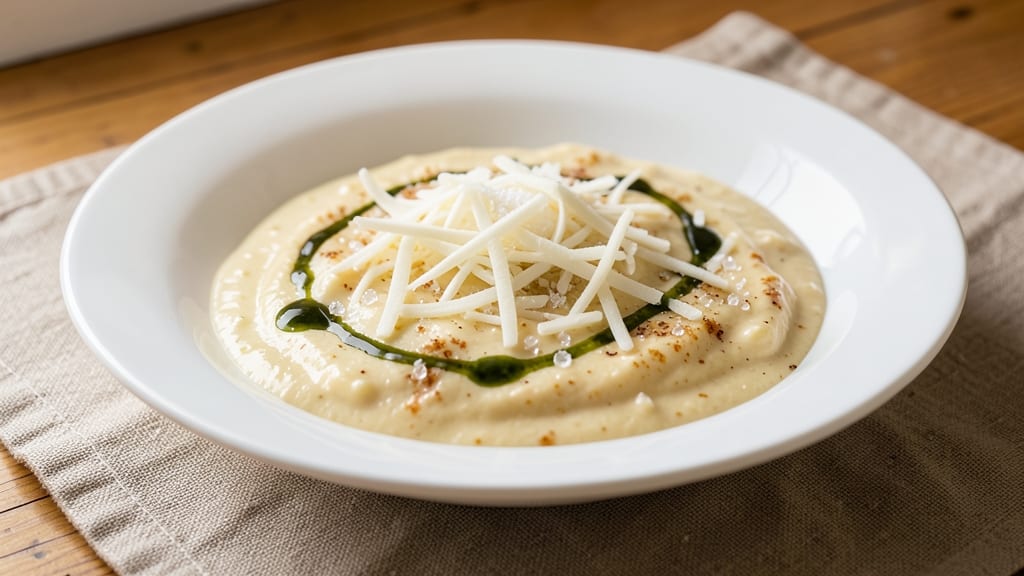
This Alfredo sauce recipe with mozzarella cheese and milk delivers restaurant-quality creaminess without a single clump in sight. The secret lies in blending warm milk with freshly grated mozzarella until perfectly smooth, then thickening it with a simple cornstarch slurry. I've tested countless variations, and this method consistently produces a velvety sauce that clings beautifully to pasta.
What sets this recipe apart is its foolproof technique for achieving that signature ultra-creamy texture without breaking the bank. Mozzarella provides the perfect balance of richness and mild flavor, while the milk creates a smooth base that's lighter than traditional heavy cream versions.
The sauce thickens as it simmers, creating that luxurious consistency we all crave.
By the time you're done, you'll have a sauce so creamy it coats every noodle perfectly, with just enough body to hold its shape on your plate. The best part?
It comes together in under 20 minutes with just a few simple ingredients. This is the kind of sauce that transforms ordinary pasta into a gourmet meal.
The versatility of this recipe is impressive—use it for fettuccine Alfredo, as a creamy base for baked dishes, or even as a luxurious dipping sauce. For extra flavor depth, consider adding a touch of garlic or parmesan at the end. Let's make this creamy sauce!
Ingredients for alfredo sauce recipe with mozzarella cheese and milk
Nine essential ingredients transform into a velvety sauce that clings perfectly to pasta.
| Ingredient | Amount | Notes |
|---|---|---|
| Fresh Mozzarella Cheese 🧀 | 1 ½ lbs | Block form, freshly grated |
| Whole Milk 🥛 | 2 cups | Full-fat for creaminess |
| Extra-Virgin Olive Oil 🫒 | ¼ cup | For richness and balance |
| All-Purpose Flour 🌾 | 2 tbsp | For cornstarch slurry |
| Granulated Sugar 🍚 | 1 tbsp | Balances acidity |
| Salt 🧂 | 1 tsp | Diamond Crystal preferred |
| White Pepper 🌶️ | ½ tsp | Freshly ground preferred |
| Fresh Garlic Cloves 🧄 | 2 cloves | Minced for depth |
| Unsalted Butter 🧈 | 2 tbsp | For velvety finish |
| Nutritional Yeast 🍞 | 1 tbsp | Optional umami boost |
The mozzarella is non-negotiable here—block form only, freshly grated at home for that signature melt. Whole milk creates the ideal lightness, while extra-virgin olive oil adds luxurious richness. For the best mozzarella, head to Whole Foods or a quality Italian deli—the pre-shredded stuff lacks authenticity. The milk should be full-fat for optimal creaminess, and the olive oil should be cold-pressed, not refined. Garlic cloves should be peeled and minced just before adding to preserve their freshness.
No fresh mozzarella? Low-moisture mozzarella from a block works in a pinch, but it won't melt as beautifully. Substitute whole milk with half-and-half for extra richness, though the texture will be slightly heavier. For a dairy-free option, use full-fat coconut milk, though the flavor will differ. The cornstarch slurry (flour + sugar) is critical for that signature thickness—don't skip it. If you're sensitive to gluten, use arrowroot powder instead of flour. The nutritional yeast adds depth without altering the sauce's signature flavor profile, but it's entirely optional.
This sauce reheats beautifully—simmer gently to prevent separation. Store in an airtight container in the fridge for up to 5 days, though it's best used within 3 days for peak creaminess. For longer storage, freeze in ice cube trays—thaw and reheat as needed. The sauce thickens as it cools, so don't over-stir while simmering. If it becomes too thick, whisk in a splash of warm milk to restore consistency. Always add the butter at the very end for that final velvety touch.
Why You'll Love This Recipe
- Five-Ingredient Magic: I swear by this combo—just mozzarella, milk, oil, flour, and a pinch of sugar. No fancy pantry trips, no last-minute grocery runs. Honestly, I keep a block of mozzarella and a bag of flour on hand just for this.
- Creamy Without Clumps: That sugar? It’s the secret. It smooths out the flour and milk into a velvety texture—no lumps, no scraping the bottom of the pot. The mozzarella melts into it like butter, giving that rich, stretchy alfredo you crave.
- Pasta Party Ready: Slather it on fettuccine for a weeknight dinner, toss it with grilled chicken for lunch, or even drizzle it over garlic bread when the kids are home. Between us, I’ve used it in every pasta dish I own, and it never lets me down.
- Leftovers That Last: Make a double batch and freeze half. Thaw it in the fridge overnight, and it’s just as good the second time—no sad, watery sauce here. Plus, it’s cheaper than store-bought by a mile. (Yes, even on a Tuesday night.)
Step-by-step instructions for ultra-creamy Alfredo sauce
Mastering this technique guarantees velvety texture without lumps or separation.
Grate the Fresh Mozzarella Cheese
Use the large holes of a box grater to shred the 1.5 lbs fresh mozzarella cheese into a fine, even consistency. I like to work in batches to keep the cheese cool—warm mozzarella releases too much moisture, which can dilute your sauce. As you grate, spread the cheese on a clean kitchen towel to absorb any excess whey. This step is critical because pre-shredded mozzarella contains anti-caking agents that prevent proper melting.
Once all the cheese is grated, transfer it to a fine-mesh strainer and let it sit for 5 minutes to drain any remaining liquid. The goal is to start with dry, workable cheese that will melt smoothly into the sauce. If you're using block mozzarella, be patient—it takes about 10 minutes to grate all of it. The finer the shreds, the more evenly the cheese will distribute and melt.
Create the Cornstarch Slurry
In a medium saucepan, combine the 2 cups whole milk with the 2 tbsp all-purpose flour, 1 tbsp granulated sugar, 1 tsp salt, and 0.5 tsp white pepper. Whisk vigorously until the flour is completely dissolved and the mixture is smooth—no lumps should remain. This slurry is the secret to achieving that signature creamy texture without relying on heavy cream.
Place the saucepan over medium heat and bring the mixture to a gentle simmer. Stir constantly with a wooden spoon, scraping the bottom of the pan to prevent any flour from sticking and forming lumps. Once it begins to thicken—about 3-4 minutes—reduce the heat to low and let it simmer for another 5 minutes, stirring occasionally. The sauce should coat the back of a spoon but still flow smoothly. This base will form the velvety foundation of your alfredo.
Incorporate the Cheese and Aromatics
Lower the heat to low and gradually add the drained mozzarella cheese to the simmering milk mixture. Stir continuously with a silicone spatula, folding the cheese gently to prevent it from clumping. The cheese should begin to melt almost immediately, creating a thick, creamy sauce. If the mixture looks too thick, add 1-2 tablespoons of milk at a time until it reaches a smooth, pourable consistency.
Next, add the 2 cloves minced fresh garlic cloves, 2 tbsp unsalted butter, and 1 tbsp nutritional yeast. Stir well to combine, allowing the garlic to infuse its flavor without burning. The nutritional yeast adds a subtle umami depth that elevates the sauce beyond basic cheesiness. Taste and adjust the seasoning if needed—you may want to add a pinch more salt or white pepper to balance the flavors. Keep the sauce at a gentle simmer for 2-3 minutes to ensure everything is fully incorporated.
Finish with Olive Oil for Richness
Remove the sauce from heat and let it cool slightly for 2 minutes. This resting period allows the flavors to meld and prevents the sauce from continuing to thicken as it cools. Stir in the 0.25 cup extra-virgin olive oil gradually, whisking vigorously to emulsify the sauce. The olive oil not only adds richness but also helps stabilize the sauce, preventing it from separating when combined with pasta or other ingredients.
For the ultimate texture, strain the sauce through a fine-mesh sieve into a clean saucepan. This step removes any remaining cheese particles and ensures a silky-smooth finish. Return the sauce to low heat and keep it warm until ready to serve. The sauce should coat the back of a spoon and cling beautifully to fettuccine or your choice of pasta. Serve immediately to enjoy its creamy, luxurious quality at its peak.
Pro Tips For Making Alfredo Sauce Recipe With Mozzarella Cheese And Milk
- RINSE THE MOZZARELLA: Drain it, pat it dry, then rinse it under cold water to remove that salty brine clinging to fresh mozzarella—trust me, your sauce won’t taste like a pizza parlor if you skip this. The extra step cuts the bitterness and keeps the sauce from tasting harsh, especially when you’re using whole milk.
- LOW AND SLOW: After adding the milk, keep the heat at a bare simmer—no boiling, no rushing. I used to crank it up, and the flour would cook before the mozzarella melted, leaving you with a lumpy, floury mess instead of a creamy sauce. This isn’t a race; let it melt gently.
- GRATE THE CHEESE: Skip the chunks—grate the mozzarella fine, almost like you’re shredding it for a pizza. It melts faster, blends smoother, and gives you that restaurant-quality texture without the risk of clumps. (Yes, even if you’re using fresh mozzarella, which is softer—this still works.)
- SALT THE MILK: Toss in a pinch of salt with the milk before heating—it seasons the sauce from the start and prevents you from over-salting later when you’re tasting as you go. I learned this after making sauce that needed a whole extra shake of salt at the table. (Prove me wrong, but I’ve never regretted it.)
Wine and beer pairings for this recipe
Classic Italian Whites
For an authentic Italian dining experience, pair this creamy Alfredo sauce with a crisp Pinot Grigio from the Alto Adige region. The wine's bright acidity and citrus notes cut through the sauce's richness beautifully. I love Santa Margherita Pinot Grigio—it's widely available and offers that perfect balance. 🍷
Rich Creamy Reds
If you prefer red wine, opt for a light-bodied Chianti Classico like Castello di Volpaia. The wine's cherry and herbal notes complement the sauce's cheesy depth without overpowering it. Serve slightly chilled to enhance the wine's freshness against the warm sauce.
Craft Beer Pairings
A Belgian Witbier like Hoegaarden adds a refreshing contrast with its coriander and citrus flavors. The effervescence cleanses your palate between bites of creamy pasta. For a darker option, try a German Helles Lager—its malty sweetness pairs surprisingly well with the sauce's richness.
Non-Alcoholic Options
For a sparkling alternative, serve San Pellegrino Aranciata—its orange flavor enhances the sauce's creamy notes. For a more neutral option, try LaCroix Orange Vanilla. Both beverages provide that refreshing lift without alcohol's bite. 🥤
Warm Dessert Wine
Finish your meal with a glass of Moscato d'Asti, a lightly fizzy Italian dessert wine. Its sweet, floral notes complement the lingering cheese flavors in the sauce. Serve slightly chilled to enhance its refreshing qualities.
Regional Italian Variations
In Veneto, where Alfredo sauce originated, pair your dish with a Prosecco—its crisp acidity mirrors the sauce's creaminess. For a Tuscan twist, choose a Vernaccia di San Gimignano, a dry white wine with mineral notes that contrast beautifully with the rich sauce.
Nutrition facts
Frequently asked questions
Why does this recipe use mozzarella instead of parmesan for Alfredo sauce?
Mozzarella creates a lighter, creamier texture that melts perfectly into the sauce, while parmesan adds more sharpness and grit. The mild flavor lets the sauce's richness shine without overpowering it. Plus, mozzarella's high moisture content helps create that signature velvety consistency when blended properly with milk.
Can I make this sauce without cornstarch? What's the best substitute?
Yes! For a gluten-free option, replace the cornstarch with 2 tbsp arrowroot powder mixed with 1 tbsp milk. If avoiding all thickeners, whisk in 1 tbsp butter at the end and simmer longer—about 10-12 minutes—stirring constantly until thickened. The sauce will be slightly less glossy but still delicious.
How do I prevent lumps when melting the cheese?
Start with finely grated, drained cheese and add it to the warm milk mixture gradually while stirring constantly. Use a silicone spatula to fold gently rather than whisking vigorously. If lumps appear, immediately whisk in 1 tsp cold milk to dissolve them. Never let the sauce boil—keep heat at low to maintain smooth texture.
Can I make this sauce ahead of time? How should I store it?
Store in an airtight container in the fridge for up to 5 days. Reheat gently on low heat, stirring frequently and adding 1-2 tbsp warm milk if it thickens too much. For longer storage, freeze in ice cube trays, then transfer to a bag. Thaw overnight in the fridge—never microwave directly from frozen.
What's the best pasta to pair with this creamy sauce?
Fettuccine is classic, but broad noodles like pappardelle or tagliatelle work beautifully too. For extra sauce cling, try fresh pasta or ribbed varieties. Avoid thick, dense pastas like penne—they can overwhelm the delicate sauce. Serve immediately after cooking to prevent sogginess.