
Appetizers
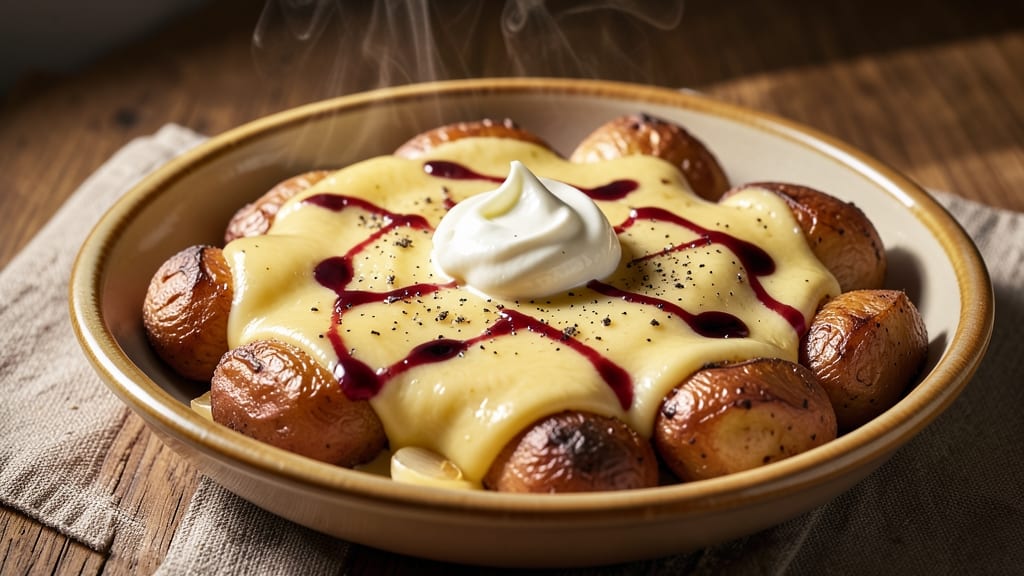
This aligot cheese recipe brings the hearty, creamy comfort of French mountain cuisine to your kitchen with its signature stretchy, melted cheese and tender potatoes. The dish originates from the Auvergne region, where it's traditionally served as a rustic side or vegetarian main.
What makes aligot special is its unique texture—cheese that melts into a silky, elastic consistency when cooked just right, creating a dish that's equal parts indulgent and satisfying.
The foundation of aligot lies in its simple yet precise technique: boiling potatoes until tender, then blending them into a smooth purée before mixing in melted cheese.
The key to achieving that signature stretchy texture is gentle, even heating—traditionally done in a copper pot, though a heavy-bottomed stainless steel pot works just as well. This method ensures the cheese melts smoothly without breaking, creating a velvety, cohesive dish that's impossible to resist.
By the time you're done, you'll have a rich, cheesy potato dish that's creamy yet firm enough to hold its shape when served. The aroma of melted cheese and warm potatoes will fill your kitchen, while the first bite delivers a perfect balance of savory, salty, and umami flavors.
This dish pairs beautifully with charcuterie, grilled meats, or even on its own as a hearty vegetarian meal.
Perfect for cold evenings or as a centerpiece for a cozy dinner, aligot is a recipe that feels like a warm embrace in every bite.
Whether you're serving it as a side or making it the star of the meal, this dish is sure to impress with its rustic charm and comforting flavors. Let's get started on creating this French classic at home.
Ingredients for aligot cheese
Simple ingredients create this French mountain masterpiece—creamy, cheesy, and impossible to resist.
| Ingredient | Amount | Notes |
|---|---|---|
| Russet Potatoes 🥔 | 2 ½ lb | Waxy potatoes preferred, peeled and cubed |
| Gruyère Cheese 🧀 | 16 oz | Aged 12+ months for best melt |
| Beaujolais Wine 🍷 | 1 cup | Dry red wine, substitute with broth |
| Unsalted Butter 🧈 | ½ cup | Full-fat for creamy texture |
| Heavy Cream 🥛 | ½ cup | Whole milk works in pinch |
| Garlic Cloves 🧄 | 4 cloves | Minced for even distribution |
| Salt 🧂 | 1 ½ tsp | Kosher or sea salt preferred |
| Black Pepper 🌶️ | ½ tsp | Freshly ground for best flavor |
| Fresh Thyme 🌿 | 2 tbsp | Leaves only, or dried at 1/3 amount |
| Olive Oil 🫒 | 2 tbsp | For cooking potatoes |
| All-Purpose Flour 🌾 | 1 tbsp | For thickening if needed |
The Gruyère is non-negotiable here. Look for aged wheels at specialty cheese shops or the deli section of Whole Foods—the older it is, the better it melts. If you can only find pre-shredded, grate it yourself for that signature stretch. For the potatoes, Russets or Yukon Golds work best—they hold up to boiling without falling apart. I always buy a couple extra ounces of cheese just in case, since it's the star of the show. The Beaujolais wine adds depth, but any dry red will do—whatever's open in your fridge.
No red wine? Substitute with beef or vegetable broth—just add a splash of vinegar to mimic the acidity. Fresh thyme is ideal, but dried works at one-third the amount. If you're out of heavy cream, half-and-half stretches it further, though the texture won't be quite as rich. The flour is just a backup for thickening—only add if needed after cooking. For a vegan twist, swap the Gruyère for nutritional yeast and vegan cheese, though the texture will differ. The key is patience: let the cheese melt slowly over low heat for that signature stretch.
This reheats beautifully—just add a splash of cream or broth to loosen it up. Keeps for 3-4 days in the fridge, though it's best within 24 hours. For leftovers, portion into ramekins and reheat in the oven at 350°F until bubbly. Freezes for up to 3 months if you want to make a big batch. The secret to serving? Keep it warm—aligot tastes even better the second time around, once all the flavors meld together.
Why You'll Love This Recipe
- One-Pot Magic: I swear by this recipe because it’s basically hands-off. You boil potatoes, melt cheese, and let the wine and cream do the rest—no flipping, no fussing. That stretchy, gooey Gruyère blanket over tender potatoes? Zero effort, all reward.
- Wine-Infused Richness: Between the nutty Gruyère and the Beaujolais wine cutting through the richness, every bite feels like a little French bistro moment. The butter and cream make it decadent, but the wine keeps it bright—no heavy aftertaste here.
- Leftovers? Better Than Day One: Honestly, this dish tastes even better the next day. The cheese firms up just enough to slice like a fondue, and the potatoes hold their shape. I’ve reheated it for lunch three times this month—zero complaints, just seconds.
- Budget-Friendly Luxury: You’re getting restaurant-quality flavor for pennies. Gruyère’s the pricier bit, but a little goes a long way, and potatoes? Cheaper than takeout. Plus, the wine adds depth without breaking the bank—this is comfort food that doesn’t guilt-trip you.
Step-by-step instructions for aligot cheese
Here's how to make this rich, creamy mountain specialty—perfectly balanced between tender potatoes and melted Gruyère.
Cook the Potatoes Until Fork-Tender
Place the 2.5 lb Russet Potatoes in a large pot and cover with cold water by about 2 inches. Add 1.5 tsp Salt and bring to a boil over high heat. Once boiling, reduce to medium-high heat and cook for 15-20 minutes until the potatoes are tender when pierced with a knife.
Drain the potatoes thoroughly—you want them dry for the best texture. While still hot, cut them into ½-inch cubes and return them to the pot. This keeps them warm and prevents them from absorbing too much of the cheese mixture later. I like to work quickly here so the potatoes don't cool down too much.
Create the Cheese Sauce Base
In a separate saucepan, melt 0.5 cup Unsalted Butter over medium heat. Add the 4 cloves Garlic Cloves (minced) and 2 tbsp Fresh Thyme, cooking for 1-2 minutes until fragrant but not browned. Pour in the 1 cup Beaujolais Wine and let it simmer for 3-4 minutes until reduced by half.
Reduce heat to low and stir in the 16 oz Gruyère Cheese (cut into small cubes) and 0.5 cup Heavy Cream. Let the mixture heat gently, stirring constantly, until the cheese melts completely and the sauce becomes silky smooth. This should take about 5-7 minutes. If the sauce thickens too much, add a splash of warm water or wine to loosen it.
Combine Potatoes and Cheese
Carefully fold the hot, cubed potatoes into the cheese sauce using a wooden spoon or spatula. Work gently but thoroughly to ensure every potato is coated in the creamy mixture. The heat from the potatoes will help melt any remaining cheese and create that signature stretchy texture.
Transfer everything to a large, oven-safe dish and cover with foil. Let it sit for 10 minutes while you preheat your oven to 375°F. This resting time allows the flavors to meld and the cheese to fully incorporate with the potatoes. Don't skip this step—it makes all the difference in the final texture.
Bake to Perfection
Remove the foil and bake for 15-20 minutes until the top is golden brown and the edges are bubbling. You're looking for that beautiful, crispy crust on top while keeping the inside creamy and stretchy. If it browns too quickly, tent with foil for the last few minutes to prevent burning.
Let the aligot rest for 5 minutes before serving—this helps it set slightly and makes it easier to portion. The dish should have that signature "pull-apart" texture where the cheese stretches between your fork and plate. Serve immediately with crusty bread to soak up every last bit of that rich, cheesy goodness.
Pro Tips For Making Aligot Cheese
- BOIL POTATOES UNTIL TENDER: Russets should fall apart like wet paper when pierced with a fork—no one likes mushy aligot. If they’re still firm after 20 minutes, they’re not ready; if they’re falling apart too soon, your wine and cream will turn to glue.
- GRATE CHEESE FRESH: Pre-shredded Gruyère hides anti-caking agents that turn your sauce grainy. Use a box grater and do it right before melting—wet fingers work best, and the cheese will thank you with a silky texture.
- REDUCE WINE FIRST: Skip the splash-and-go approach. Simmer the Beaujolais in a saucepan until it’s cut in half—this concentrates the flavor and keeps your sauce from tasting like watered-down wine. (Yes, even if you’re impatient like me.)
- MIX CHEESE LOW AND SLOW: Dumping cold cheese into hot cream? That’s a recipe for lumps. Warm the cream first, then whisk in the Gruyère a handful at a time over the lowest heat possible—your future self will thank you for avoiding the dreaded cheese curdle.
Pro cooking tips for perfect results
Potato Prep Secrets
Start with cold water in your pot—this ensures even cooking and prevents the potatoes from breaking apart. Use Russet or Yukon Gold potatoes since their high starch content creates that signature creamy texture.
After boiling, drain thoroughly and cut into ½-inch cubes while still hot—this prevents them from absorbing too much of the cheese mixture later. I always work quickly here to maintain heat, which helps the potatoes stay warm and ready for the cheese sauce. 🥔
Cheese Melting Mastery
The key to that stretchy, elastic texture is low-and-slow melting. Cut the Gruyère cheese into small cubes (about ½-inch) for even melting. Use a heavy-bottomed pot (like All-Clad) to distribute heat evenly—copper pots are ideal but not essential.
Stir constantly over low heat until the cheese melts completely, then let it rest for 5 minutes before combining with potatoes. This resting step prevents the cheese from breaking or becoming grainy. 🧀
Wine Reduction Trick
Don’t skip reducing the Beaujolais wine—this concentrates the flavor and adds depth. Simmer it until it’s reduced by half (about 3-4 minutes), which takes the alcohol edge off while enhancing the umami notes.
If you’re substituting with broth, add 1 tsp lemon juice to mimic the wine’s acidity. This step is what transforms a simple cheese sauce into something truly special. 🍷
Oven Finish Tips
For the golden-brown crust, bake uncovered at 375°F for 15-20 minutes. If it browns too quickly, tent loosely with foil to prevent burning while keeping the inside creamy.
The 10-minute rest before baking is crucial—it lets the flavors meld and the cheese fully incorporate with the potatoes. Serve immediately for that pull-apart texture that makes aligot unforgettable. 🔥
Equipment Upgrades
Invest in a wooden spoon (like OXO Good Grips) for folding—it won’t scratch your pot and helps distribute heat evenly. A fine-mesh sieve makes draining the potatoes effortless, and a kitchen torch can add a crispy finish to the top if you’re feeling fancy.
These small upgrades make a big difference in texture and presentation. ✨
Troubleshooting Common Issues
If your aligot is too thick, stir in 1 tbsp warm water or wine to loosen it. For grainy cheese, ensure it’s melted completely over low heat—never rush this step.
If the potatoes are undercooked, return them to the pot with a splash of water and steam for 5 minutes before proceeding. The secret is patience: let the cheese melt slowly for that signature stretch. 💡
Nutrition facts
Frequently asked questions
What makes aligot's cheese stretchy like taffy?
The signature stretch comes from melting Gruyère cheese slowly over low heat while stirring constantly. The key is patience—let it melt completely before combining with potatoes, then rest the mixture for 10 minutes before baking. This allows the cheese's natural proteins to develop that elastic, taffy-like texture.
Can I make aligot without wine?
Use 1 cup beef or vegetable broth instead, but add 1 tsp lemon juice to mimic wine's acidity. The broth adds depth while keeping the dish rich and flavorful. For a non-alcoholic option, dry white wine works too—just reduce it by half first.
Why does my aligot turn out dry or grainy?
Grainy texture usually means the cheese didn't melt completely—always use low heat and stir constantly. For dryness, ensure your potatoes are well-drained and cut into ½-inch cubes while still hot. If needed, add 1-2 tbsp warm cream to restore moisture. The secret is keeping everything hot and creamy!
How do I serve aligot as a main dish?
Make it heartier by adding sautéed mushrooms or caramelized onions to the cheese mixture. Serve with a crisp green salad and crusty bread for dipping. For extra protein, pair it with grilled chicken or smoked sausage. The French often eat it as a vegetarian main with just bread and cheese!
Can I make aligot ahead of time?
Yes! Assemble it up to 24 hours ahead and refrigerate. Reheat in a 350°F oven for 20-25 minutes, covered with foil, then uncover for the last 5 minutes to crisp the top. For freezing, portion into ramekins and freeze for up to 3 months—thaw overnight in the fridge before reheating.