
Snacks
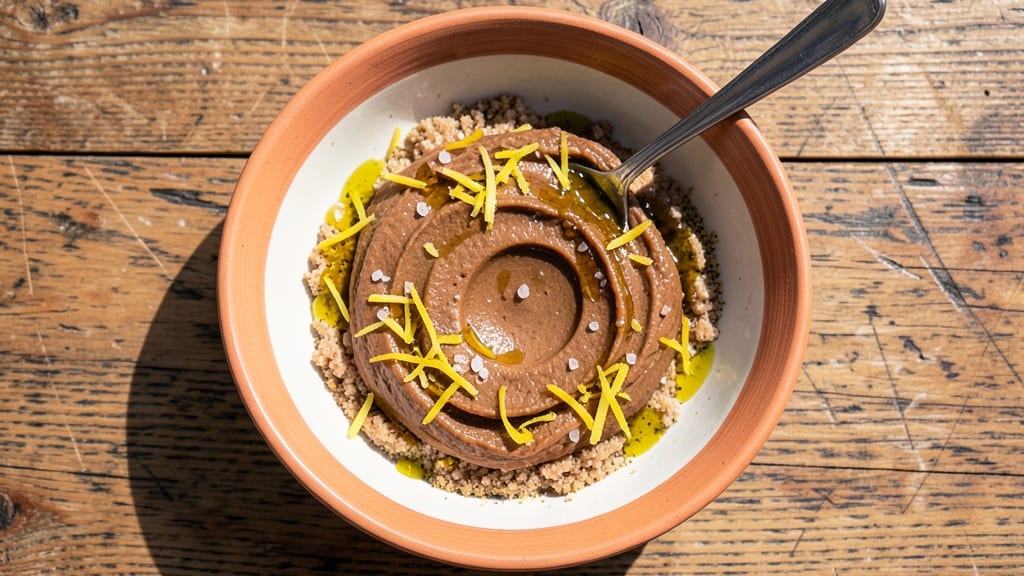
This almond pulp cheese recipe transforms humble almond pulp into a rich, tangy vegan cheese with the perfect balance of nuttiness and creaminess for any charcuterie board.
The process is surprisingly straightforward—just blend almond pulp with nutritional yeast, lemon juice, and a touch of salt, then age it for depth of flavor. I developed this recipe after struggling to find a plant-based cheese that could stand up to traditional options, and the results are impressive.
The magic lies in the aging process, which allows the flavors to meld and develop complexity similar to aged cheeses. You’ll end up with a cheese that’s firm enough to slice for sandwiches or meltable enough for pasta dishes, all while being completely dairy-free.
The nutritional yeast adds that unmistakable cheesy flavor, while the lemon juice brightens the nutty base, creating a versatile spread that pairs beautifully with crackers, fruits, and cured meats.
What makes this recipe truly special is its adaptability—you can flavor it with herbs, garlic powder, or smoked paprika for endless variations. Whether you’re using it as a spread, a lasagna topping, or a grilled cheese filling, the texture and taste will elevate any dish.
The best part? It keeps well in the fridge for up to two weeks, so you can make a batch and enjoy it over time.
For those new to vegan cheese, this recipe is a game-changer—simple enough for beginners but sophisticated enough to impress even the most seasoned plant-based eaters. Let’s get started on creating your own homemade almond pulp cheese that’s as nutritious as it is delicious.
Ingredients for almond pulp cheese
Simple pantry staples transform into a creamy, tangy vegan cheese perfect for charcuterie boards.
| Ingredient | Amount | Notes |
|---|---|---|
| Almond Pulp 🌰 | 2 cups | Dried, unsweetened, finely ground |
| Nutritional Yeast 🍞 | ½ cup | Fortified, for cheesy flavor |
| Lemon Juice 🍋 | 2 tbsp | Freshly squeezed, strained |
| Sea Salt 🧂 | 1 ½ tsp | Fine grain, adjust to taste |
| Extra-Virgin Olive Oil 🫒 | ¼ cup | For creaminess and richness |
| Filtered Water 💧 | ½ cup | Room temperature, for blending |
| Garlic Powder 🧄 | ½ tsp | Optional, for depth of flavor |
| Smoked Paprika 🌶️ | ½ tsp | Optional, for smoky touch |
| White Vinegar 🍶 | 1 tbsp | For tangy kick, optional |
| Maple Syrup 🍯 | 1 tbsp | For subtle sweetness, optional |
| Fresh Thyme Leaves 🌿 | ¼ tsp | Chopped, for herbal note |
Almond pulp is the star here—Bob’s Red Mill or Trader Joe’s carry the best quality in bulk bins. Look for bright, golden almond pulp without any added oils or sweeteners. Nutritional yeast is a must—Bragg or Nutiva brands are my go-tos for that authentic cheesy flavor. Fresh lemon juice brightens everything, so squeeze your own if possible. I always grab extra lemon juice because it adds so much character. For the olive oil, California brands like Primal Kitchen have that perfect fruity note that elevates the cheese.
No nutritional yeast? White miso paste at half the amount adds umami depth, though it’ll taste slightly different. Short on almond pulp? Cashew butter or tahini works in a pinch (use 0.25 cup and add 1 tbsp extra water). Want more tang? Apple cider vinegar swaps for white vinegar. The garlic powder and smoked paprika are optional but worth it—Penzeys has amazing spice blends if you’re feeling adventurous. If you’re making this ahead, the flavors develop more over time, so don’t rush the aging process (more on that in the tips section).
This cheese keeps beautifully in the fridge for up to 2 weeks when stored in an airtight container. For longer storage, portion into small containers and freeze for up to 3 months. I like to line the container with parchment paper to prevent sticking. The texture actually improves after aging for a few days—it gets firmer and more complex. Perfect for spreading on crackers, melting into pasta, or slicing for sandwiches. If it gets too firm, just soften it with a splash of warm water or olive oil.
Why You'll Love This Recipe
- I’ll be real: my almond milk batches always leave behind that gritty pulp, and I used to toss it. Now? It’s my favorite way to stretch a grocery budget. A little goes a long way, and the leftovers keep for days in the fridge—perfect for when I’m too tired to cook.
- No Blender Hassle: Honestly, this recipe uses the leftover pulp from making almond milk—no extra shopping, no extra mess. Just blend what’s already in your fridge with a splash of lemon juice and olive oil, and you’ve got a creamy, tangy cheese that’s ready in minutes.
- Umami Magic: That nutritional yeast? It’s the secret weapon here—adds this deep, cheesy flavor without any dairy. The lemon brightens it up just enough to make it taste fresh, not funky, and the olive oil ties everything together like a cozy hug.
- Pantry Staple Power: Between us, this is my go-to for when I’m out of real cheese but still want something rich. Spread it on toast, mix it into pasta, or melt it into soups—it’s the kind of thing that disappears from the fridge faster than I can say “second helping.”
Step-by-step instructions for almond pulp cheese spread
Here's how to blend this creamy, nutty cheese with minimal effort and maximum flavor.
Combine Dry Ingredients for Maximum Flavor Development
In a medium bowl, whisk together the 2 cups almond pulp, 0.5 cup nutritional yeast, 1.5 tsp sea salt, 0.5 tsp garlic powder, and 0.5 tsp smoked paprika. This dry mix forms the flavor foundation of your cheese. The nutritional yeast adds that classic cheesy umami, while the smoked paprika introduces subtle depth that pairs beautifully with the almond's natural nuttiness.
Use a fine-mesh sieve to sift the almond pulp if it contains any clumps—this ensures a silky texture in your final spread. I like to press the mixture through the sieve with a spoon to break up any stubborn lumps. The goal here is to create a fine, powdery base that will blend seamlessly with the wet ingredients later.
Blend Wet Ingredients Until Smooth
In a separate bowl, combine the 0.5 cup filtered water, 0.25 cup extra-virgin olive oil, 2 tbsp lemon juice, 1 tbsp white vinegar, 1 tbsp maple syrup, and 0.25 tsp chopped fresh thyme leaves. Whisk vigorously until fully emulsified—this creates a smooth, cohesive liquid base that will bind with the dry ingredients.
The lemon juice and white vinegar add bright acidity that cuts through the richness of the almonds, while the olive oil contributes luxurious creaminess. The maple syrup provides just enough sweetness to balance the tang, and the thyme adds an earthy herbal note that elevates the flavor profile. Let this mixture sit for 5 minutes to allow the thyme to release its full aroma.
Gradually Incorporate Wet and Dry Mixtures
Using a high-speed blender or food processor, combine the dry mixture and wet mixture in batches. Start with ½ of each mixture and blend until completely smooth, scraping down the sides as needed. This gradual approach prevents overloading the blender and ensures even blending. The texture should transform from grainy to velvety within 30-45 seconds of blending.
If the mixture appears too thick after blending, add 1-2 tablespoons of filtered water at a time until you achieve a spreadable consistency—it should coat the back of a spoon smoothly but still hold its shape when spread. The cheese should have a thick, creamy texture similar to hummus or soft goat cheese, with a vibrant nutty aroma.
Rest and Refine the Texture
Transfer the blended cheese to a clean bowl and cover with plastic wrap, pressing it directly onto the surface to eliminate air bubbles. Let it rest at room temperature for at least 1 hour—this allows the flavors to meld and the texture to thicken slightly. The longer it rests, the more pronounced the cheesy, nutty flavors become.
After resting, give the cheese a final taste and adjust seasoning if needed. If it tastes too tart, add a pinch more sea salt or a drizzle of maple syrup. If it lacks brightness, add another ½ teaspoon of lemon juice. The cheese should be tangy, nutty, and slightly sweet with a subtle smokiness from the paprika—perfect for spreading on crackers, drizzling over salads, or pairing with cured meats.
Pro Tips For Making Almond Pulp Cheese
- Blend in Stages: Start with just the almond pulp and a splash of water—about ¼ cup—to get everything moving before adding the rest. I learned this the hard way when my blender screamed like a banshee trying to process dry nutritional yeast and lemon juice at once. Add the yeast and lemon juice after the pulp is smooth, then pulse in the olive oil and salt.
- Toast the Pulp First: Dry-toast the almond pulp in a skillet over medium heat for 2–3 minutes before blending. It deepens the nutty flavor and cuts the bitterness—my grandmother swore by this, and she was right. Skip this, and your cheese will taste raw and flat.
- Acidify Gradually: Lemon juice is potent—start with half the amount listed, taste, then add more. I was skeptical until I tried it: rushing the acid makes the cheese taste sharp and unbalanced. You want brightness, not a pucker.
- Rest Before Serving: Let the cheese sit for 10 minutes after blending—covers it with plastic wrap, press it into a bowl. The flavors meld, and the texture firms up. I know, I know, but trust the process. Your future self will thank you.
Creative variations of this dish
Herb-Infused Twist
Add 1 tsp dried rosemary or ½ tsp dried oregano to the dry ingredients for a Mediterranean-inspired flavor profile. I love this variation with a sprinkle of crushed black pepper—it mimics the complexity of feta perfectly.
For a fresh twist, fold in 1 tbsp finely chopped basil or dill just before serving. The herbs brighten the nutty base and add a refreshing contrast to the creamy texture. 🌿
Smoky Chipotle Heat
Replace the smoked paprika with ½ tsp chipotle powder and add 1 tsp lime juice instead of lemon. This smoky, slightly spicy variation works amazingly on vegan tacos or nachos.
For extra depth, whisk in ½ tsp ground cumin with the dry ingredients. The chipotle adds warmth that pairs beautifully with the almond’s natural sweetness. 🌶️
Sweet & Spiced Caramelization
Boost the maple syrup to 2 tbsp and add ½ tsp cinnamon plus ¼ tsp nutmeg for a dessert-like cheese. This variation is perfect for spreading on toasted bagels or drizzling over apple slices.
For extra richness, stir in 1 tbsp tahini at the end. The caramelized notes create a surprisingly decadent treat that’s still vegan-friendly. 🍯
Garlic & Black Pepper
Double the garlic powder to 1 tsp and add ½ tsp freshly cracked black pepper for a bold, savory cheese reminiscent of aged cheddar. This version is ideal for grilled vegan burgers or as a topping for roasted Brussels sprouts.
For an extra kick, mix in ½ tsp onion powder with the dry ingredients. The garlic and pepper create a punchy, umami-rich flavor that’s hard to resist. 🧄
Citrus Zest Brightness
Zest 1 orange and mix it into the wet ingredients for a vibrant, citrusy twist. The zest adds a refreshing pop that balances the nuttiness beautifully. I also like adding ½ tsp grated ginger for warmth.
This variation shines on vegan spring rolls or as a dip for fresh veggie sticks. The citrus keeps the cheese light and bright, perfect for warm weather. 🍊
Nutty Tahini Boost
Replace ½ cup of the almond pulp with ½ cup tahini for an extra-rich, sesame-infused cheese. Add ½ tsp ground coriander and a pinch of cardamom for a Middle Eastern-inspired flavor.
This version melts beautifully on vegan flatbreads or as a spread for pita chips. The tahini adds depth and creaminess that elevates the overall texture. 🌰✨
Nutrition facts
Frequently asked questions about almond pulp cheese
Can I use almond butter instead of almond pulp?
Yes, but you'll need to adjust the texture. Replace 1 cup almond pulp with ½ cup almond butter and add 1-2 tbsp extra water to maintain smoothness. The result will be richer but slightly less firm. For best results, use raw almond butter without added oils or sweeteners.
How do I make this cheese firmer for slicing?
Reduce the water by 1-2 tablespoons and add 1 extra tablespoon of nutritional yeast to bind the mixture. Chill the cheese for 4+ hours before slicing—this helps it firm up enough for sandwiches or charcuterie boards. For extra structure, add 1 tsp agar powder to the wet ingredients.
What's the best way to store this cheese?
Transfer to an airtight container lined with parchment paper. It keeps in the fridge for 2 weeks or freezes for 3 months. For freezing, portion into small containers to prevent freezer burn. Thaw overnight in the fridge—never at room temperature. The texture may soften slightly after freezing, so add a splash of water if needed.
Can I melt this cheese for pasta or grilled sandwiches?
It won't melt like dairy cheese, but it softens beautifully when heated. Spread it on toast and broil for 2-3 minutes until golden, or mix it into pasta sauce and simmer for 5 minutes to create a creamy coating. For better meltability, add 1 tbsp tapioca starch to the dry ingredients.
Why does my cheese taste bitter?
Over-blending or using stale almond pulp causes bitterness. Always use fresh, finely ground almond pulp and blend just until smooth (30-45 seconds). To fix bitterness, stir in ½ tsp maple syrup or 1 extra tbsp lemon juice. For prevention, store almond pulp in the freezer to preserve freshness.