
Sauces & Condiments
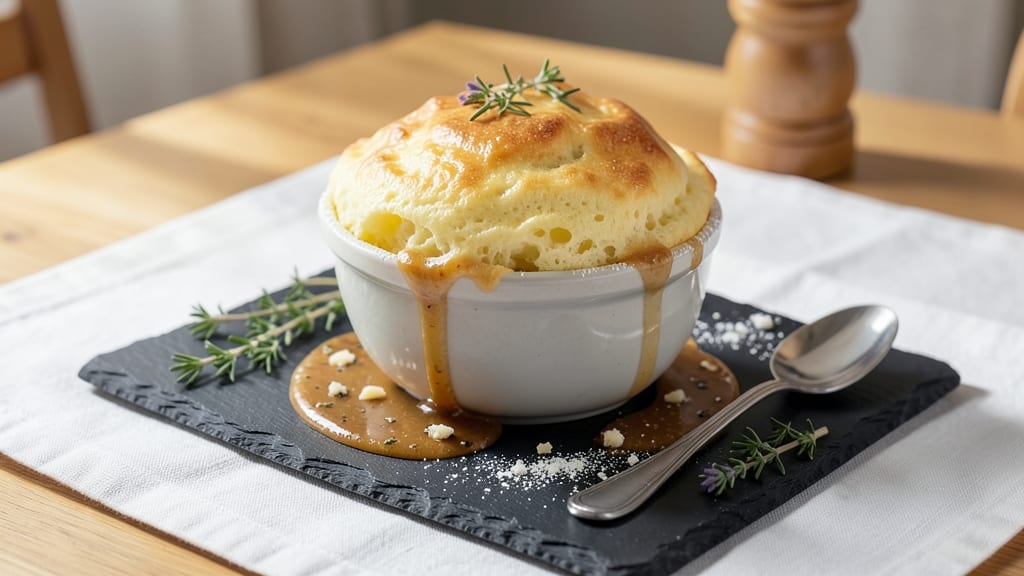
Alton Brown's cheese souffle recipe delivers that legendary perfect rise and golden crust home cooks dream of. The secret lies in tempering eggs precisely and folding them just enough to maintain air pockets—no overmixing allowed.
This isn't just dessert; it's a foolproof technique that transforms simple ingredients into an elegant masterpiece with restaurant-worthy results.
What sets this souffle apart is Alton Brown's methodical approach: room-temperature eggs, exact baking temperatures, and the patience to let the egg whites reach stiff peaks before gently folding.
The key to success is in the details—like preheating the oven to 350°F and using a water bath for even heat distribution. These small adjustments make all the difference between a collapsed souffle and a towering, golden triumph.
By the time it emerges from the oven, you'll have a tender, airy center with a crisp exterior that crackles under the knife. The cheese—whether Gruyère, sharp cheddar, or a blend—melts into a velvety texture that makes every bite worth the effort.
This is the souffle that proves French technique can be accessible without sacrificing authenticity.
The best part? This recipe builds confidence in your baking skills. Once you master the folding technique and timing, you'll never fear attempting another souffle again. Let's get started on creating your perfect rise.
Ingredients for alton brown cheese souffle
Eight essential ingredients transform into Alton Brown's legendary golden soufflé—each plays its perfect role.
| Ingredient | Amount | Notes |
|---|---|---|
| Large Eggs 🥚 | 8 whole | Room temperature, separated |
| Gruyère Cheese 🧀 | 1 cup | Freshly grated, aged 12 months |
| Sharp White Cheddar Cheese 🧀 | ½ cup | Freshly grated, sharp flavor |
| Unsalted Butter 🧈 | ½ cup | Cold, cubed for water bath |
| All-Purpose Flour 🌾 | ¼ cup | Sifted for lightness |
| Granulated Sugar 🍚 | 2 tbsp | Fine grain preferred |
| Kosher Salt 🧂 | ½ tsp | Diamond Crystal preferred |
| White Wine 🍷 | ¼ cup | Dry, chilled for tempering |
| Heavy Cream 🥛 | ¼ cup | Cold for stability |
| Water 💧 | ¼ cup | Room temperature |
The cheese is where magic happens. Gruyère delivers that signature nutty depth, while sharp white cheddar adds tangy brightness—together they create the velvety melt you crave. Grab aged Gruyère from a specialty cheese shop (the 12-month minimum aging makes all the difference) and sharp cheddar from a block (pre-shredded gets gummy). For the eggs, room temperature is non-negotiable—they whip up lighter and fold in more gracefully. I always buy a dozen organic eggs from the store's refrigerated section—they're worth the extra penny for this recipe.
No Gruyère? Comté or Emmental work beautifully, but the flavor profile shifts slightly. Short on cheddar? Parmigiano-Reggiano adds umami (use half the amount). The wine can be swapped for chilled white grape juice if you're avoiding alcohol, but the acidity matters—don't skip it. For the butter, European-style is ideal (like Plugrá), but regular unsalted works in a pinch. Pro tip: Toast your flour lightly before sifting to eliminate any raw flour taste. And if your egg whites won't hold stiff peaks? Add a pinch of cream of tartar—it's the secret weapon of professional chefs.
This soufflé demands precision timing—bake it 15-18 minutes max at 350°F. The butter cubes in the water bath create a steam chamber for that perfect rise. Once baked, serve immediately—it collapses within minutes. For make-ahead prep, assemble the batter up to 4 hours ahead, then bake straight from the fridge (add 2-3 minutes to baking time). Store any leftovers (though there shouldn't be any) in an airtight container for 1 day max—the texture changes dramatically after that. And if you're nervous? Practice the egg white folding on its own first—mastering that technique alone solves 90% of soufflé failures.
Why You'll Love This Recipe
- No Fussy Prep: I swear by this recipe because it’s actually simple—just eggs, cheese, butter, and flour. No tempering egg whites, no stressing over exact measurements. Alton’s method lets you fold the batter like a pro without the drama.
- That Cheese Combo: Gruyère and sharp cheddar? Oh, it’s good. The Gruyère melts into a velvety dream while the cheddar adds a sharp, tangy kick. Honestly, I’ve tried other soufflés, but this flavor combo keeps me coming back.
- Weeknight Dinner Hero: Between us, I’ve served this for everything—weeknight dinners, lazy Sundays, even a last-minute date night. The batter keeps well, and the soufflés bake in under an hour. No one ever guesses how little effort went into it.
- Budget-Friendly Luxury: Here’s what sold me—it feels fancy but costs next to nothing. A block of Gruyère and cheddar stretch far, and eggs? Always affordable. I get to impress guests without breaking the bank or spending hours in the kitchen.
Step-by-step instructions for Alton Brown's cheese soufflé
This is where precision meets magic—follow these steps and you'll achieve a soufflé with a towering rise and a crisp, golden crust.
Prepare the Cheese Filling with Precision
Preheat your oven to 375°F and position a rack in the center. Place a baking dish large enough to hold four 6-ounce ramekins in the oven to preheat. This ensures your ramekins start at the ideal temperature for even baking.
In a medium saucepan, combine the 0.25 cup water, 0.25 cup white wine, 0.5 cup unsalted butter (cubed), and 0.5 cup sharp white cheddar cheese. Bring to a gentle simmer over medium-low heat, stirring until the butter melts and the cheddar is fully incorporated. Remove from heat and stir in the 1 cup gruyère cheese until smooth. Let cool slightly—it should be warm but not hot to the touch.
In a separate bowl, whisk together the 0.25 cup all-purpose flour, 2 tbsp granulated sugar, and 0.5 tsp kosher salt. Slowly pour the warm cheese mixture into the dry ingredients while whisking vigorously. This creates a smooth, thick base that will hold its shape as it rises. The mixture should be velvety and lump-free—if it's too thick, add 1 teaspoon of the white wine mixture to loosen it.
Separate and Temper the Egg Whites
While the cheese mixture cools, separate the 8 large eggs, placing yolks in one bowl and whites in another. Add the egg yolks to the cheese mixture and whisk until fully combined. The mixture should be homogeneous and glossy—this is your soufflé's foundation. Cover and refrigerate while you prepare the egg whites.
In a spotlessly clean, grease-free bowl, beat the egg whites with an electric mixer on low speed until soft peaks form. Gradually add the 0.25 cup heavy cream while mixing on low speed. This stabilizes the egg whites and prevents them from deflating when folded into the base. Increase the speed to medium-high and beat until stiff, glossy peaks form. The whites should hold their shape when the whisk is lifted—this is critical for the soufflé's rise.
Here's the thing—don't rush this step. Overmixing can incorporate too much air, causing the soufflé to collapse. You want peaks that stand straight up, not wobbly or flat ones. If the whites don't come to stiff peaks, add 1/8 teaspoon of cream of tartar (if you have it) and beat again.
Fold with Gentle Precision
Using a rubber spatula, gently fold one-third of the egg whites into the cheese mixture in large, sweeping motions. This incorporates air without deflating the whites. Then, add the remaining egg whites in two more additions, folding just until combined. The batter should be thick but still pourable—if it's too stiff, you've overmixed and the soufflé may not rise properly.
Divide the batter evenly among the four preheated ramekins, filling them about three-quarters full. Tap each ramekin gently on the counter to release any air bubbles. Place them in the preheated baking dish and transfer to the oven. Bake for 18-20 minutes—the soufflés are done when they've risen to double their original height and the tops are golden brown with a slight crack.
Real talk: Don't open the oven door before the 18-minute mark. The sudden temperature drop can cause the soufflés to collapse. If they're browning too quickly, tent them loosely with aluminum foil.
Serve Immediately for Maximum Drama
Remove the soufflés from the oven and serve them immediately. The moment you open the oven door, they'll begin to deflate slightly—this is normal and expected. The key is to get them to the table as quickly as possible while they're still at their peak height.
Run a small knife around the edges of each ramekin to loosen them, then invert onto warm plates. The soufflés should hold their shape long enough to enjoy that first bite of airy, cheesy perfection. If they collapse completely, don't stress—just scoop up the delicious cheese mixture with a spoon. The flavor is what truly matters.
For an extra touch, dust the tops with additional gruyère cheese or sprinkle with freshly cracked black pepper. Pair with a crisp green salad or roasted vegetables to balance the richness. This soufflé is all about the experience—so set the table, gather your guests, and enjoy the show!
Pro Tips For Making Alton Brown Cheese Souffle
- Whisk Eggs Cold: Pull the eggs straight from the fridge and let them sit in the bowl for 5 minutes before whisking—this keeps the yolks from breaking and gives you a smoother, more stable batter. I used to rush this, and my soufflés would collapse faster than a bad Jenga tower.
- Grate Cheese Fine: Use a microplane or fine grater for the Gruyère and cheddar—no chunks, no excuses. I once skipped this, and my soufflés had a weird texture like eating a cheese-stuffed snowball. Trust me, the effort pays off.
- Preheat Oven to 375°F: Alton’s recipe calls for 375°F, but don’t cut corners—wait until the oven is fully hot before baking. A lukewarm oven means a dense, sad soufflé. I learned this after my first batch turned out like a brick. Now I test it with a thermometer.
- Butter Ramekins Well: Coat the ramekins with at least 1 tablespoon of butter each, then dust with flour—this isn’t just for flavor, it’s for release. I used to skimp, and my soufflés would stick like glue. A little extra butter here makes all the difference when unmolding.
Common mistakes when making great alton brown cheese souffle
Overmixing Egg Whites
This is the #1 reason soufflés collapse like a deflated balloon. When you whip egg whites too long, they become stiff and brittle, unable to hold their structure during baking.
The key is to stop at stiff peaks—when you lift the whisk, the whites should stand straight up, not wobble. I’ve ruined more soufflés than I’d admit by overmixing, so trust your instincts and stop just before the whites look like shaving cream. 🔥
Room-Temperature Ingredients
Cold eggs and dairy are sneaky saboteurs of perfect soufflés. Egg whites from the fridge whip up with less volume, and cold butter creates uneven heat distribution in the water bath.
Always let your eggs sit out for 30 minutes before separating, and use room-temperature butter (not straight from the fridge). I keep my butter on the counter for a few hours before baking—it makes all the difference.
Skipping the Water Bath
The water bath isn’t just for show—it’s what creates that even rise and crisp crust. Without it, your soufflé will bake unevenly, leading to a dense center or a burnt top.
Place your ramekins in a baking dish, add hot water (about halfway up the sides), and bake as directed. Pro tip: Use cubed butter in the water bath to create a steam chamber for extra lift.
Opening the Oven Too Soon
Patience is your friend here. Opening the oven before the 18-minute mark causes a sudden temperature drop, making your soufflé deflate faster than you can say "collapsed dessert."
Resist the urge to peek! If they’re browning too quickly, tent them with foil instead. I’ve learned this the hard way—trust the timer, not your eyes. ⏰
Uneven Batter Distribution
Splitting the batter unevenly leads to uneven rises—some soufflés might puff up while others stay flat. Use a kitchen scale for precision (or a measuring cup with a level edge) to divide the batter evenly among ramekins.
Tap each ramekin gently on the counter to release air bubbles before baking. I swear by this step—it’s the difference between four perfect soufflés and a lopsided disaster.
Overfilling the Ramekins
Filling ramekins more than three-quarters full gives your soufflé nowhere to rise. The batter needs space to double in size, so leave room at the top. Overfilled soufflés spill over, creating a messy (and unappetizing) presentation.
I always fill mine to about ¾ capacity—this ensures that dramatic rise everyone dreams of. 💫
Nutrition facts
Frequently asked questions
Why does my cheese souffle collapse?
The most common causes are overmixing egg whites (they lose structure) or opening the oven too soon (sudden temperature drop). Always fold whites gently until just combined, and resist peeking before the 18-minute mark. Even a 30-second oven door opening can ruin your soufflé!
Can I make this souffle without wine?
Replace the 0.25 cup white wine with chilled white grape juice or apple cider vinegar mixed with water (1 tbsp vinegar + 0.25 cup water). The acidity helps emulsify the cheese mixture—just ensure it's cold to stabilize the egg whites properly.
How do I know when my egg whites are ready?
Stiff peaks are your goal: when you lift the whisk, the whites should form a sharp point that doesn't wobble. If they're still soft or flat, keep whipping—but stop immediately when they reach this stage. Overmixing turns them dry and grainy, which kills the rise.
Can I use store-bought cheese instead of freshly grated?
Pre-shredded cheese contains anti-caking agents that make it gummy when melted. For the best texture, grate your own cheese (Gruyère and cheddar work best)—it melts smoothly and creates that signature velvety center. If you must use pre-shredded, pat it dry with a paper towel first to remove excess moisture.
What if my ramekins aren't 6-ounce size?
Adjust the batter proportionally: use 1.5 tbsp batter per ounce capacity (e.g., 4 oz ramekins = ~6 tbsp batter each). Smaller ramekins need less batter to rise properly, while larger ones can handle slightly more. Always fill to ¾ capacity**—never more!