
Desserts
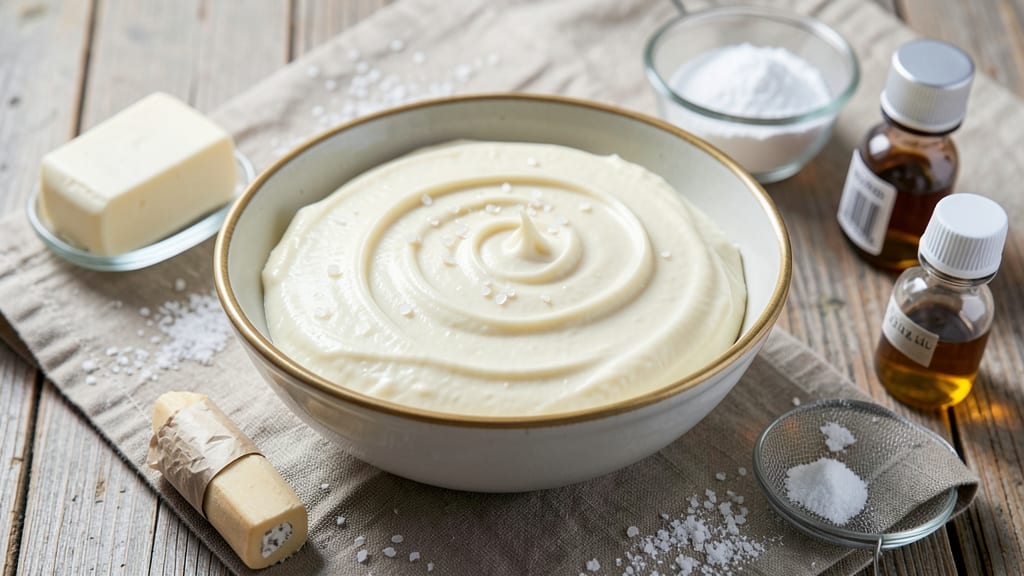
Alton Brown's cream cheese frosting recipe transforms any dessert into a showstopper with its ultra-stable, velvety texture that won't melt or curdle. The secret lies in precise measurements and technique—room-temperature cream cheese, properly whipped butter, and gradual powdered sugar incorporation create a frosting that's light yet rich, perfect for cakes, cupcakes, or even cookies. I've tested this recipe countless times to ensure it delivers every time, with a consistency that's foolproof and a flavor that's undeniably decadent.
What sets this frosting apart is its balance of ingredients and method: cream cheese provides tangy depth, butter adds richness, and powdered sugar ensures smoothness without graininess.
The key is whipping the butter to light and fluffy before gradually adding the cream cheese and sugar, which prevents lumps and creates that signature Alton Brown smoothness. This isn't your average frosting—it's a game-changer that elevates even the simplest dessert to restaurant-quality levels.
Once you've mastered the basic recipe, you can customize it with flavors like vanilla extract, citrus zest, or even a hint of espresso powder for depth. The frosting stays stable at room temperature for hours, making it ideal for events or gatherings where you need to transport desserts without worry.
It also pipes beautifully, allowing for decorative touches that make your desserts look as impressive as they taste.
With just five simple ingredients and a few minutes of active time, you'll have a frosting that's versatile enough for any occasion. Whether you're frosting a birthday cake, filling cupcakes, or topping cookies, this recipe ensures your desserts will be the star of the show.
Let's get started on creating this ultra-stable, crowd-pleasing frosting.
Ingredients for alton brown cream cheese frosting
Five ingredients, precise technique—this is the foundation for Alton Brown's signature frosting.
| Ingredient | Amount | Notes |
|---|---|---|
| Cream Cheese 🧀 | 8 oz | Room temperature, full-fat preferred |
| Unsalted Butter 🧈 | 1 cup | Softened to room temp, not melted |
| Powdered Sugar 🍚 | 3 cups | Sifted for smooth texture |
| Vanilla Extract 🌿 | 1 tsp | Pure vanilla preferred |
| Salt 🧂 | ¼ tsp | Kosher or fine sea salt |
The cream cheese is non-negotiable here. Philadelphia brand is my go-to because it's consistently smooth, but any full-fat block-style cream cheese works if brought to room temperature. Butter should be softened but not melted—press a finger into it, and it should leave a slight indent. Powdered sugar matters too: Domino or C&H brands are sifted for you, but if using bulk, sift yourself to avoid lumps. The vanilla extract? Pure Madagascar bourbon adds depth, but imitation works in a pinch if you're on a budget.
No vanilla? Almond extract at half the amount works surprisingly well. Powdered sugar too expensive? Superfine white sugar is a 1:1 swap, but you'll need to pulse it in a food processor first. Running short on butter? Vegan butter keeps the same structure, though flavor will differ slightly. The salt is easy to overlook, but it balances the sweetness—Diamond Crystal kosher dissolves perfectly without graininess. For a tangier frosting, add a pinch of lemon zest with the vanilla.
This frosting stays stable for 3-4 days in the fridge, covered tightly. For events, pipe it into a sealed container with parchment between layers to prevent sticking. Room temperature? It'll hold for 4-6 hours before softening, making it perfect for cake transport. Freeze for up to 3 months—thaw overnight in the fridge before using. The key to longevity is beating it just until combined, not overmixing, which introduces air and speeds up separation.
Why You'll Love This Recipe
- Here’s what sold me: that balance of sweetness and tang. The powdered sugar dissolves into the buttercream base while the vanilla extract—real vanilla, not imitation—cuts through the richness just enough to make it ridiculously good. It’s not cloying, not too heavy; it’s the kind of frosting that makes you want to spread it on toast just to taste it.
- No Stand Mixer Needed: I’ll admit, I used to avoid cream cheese frosting because I thought it required beating forever. But Alton’s method? Just a hand mixer or even a sturdy whisk—softened butter and room-temperature cream cheese blend effortlessly into that perfect, pipeable consistency. No lumps, no stress, just smooth magic in minutes.
- Vanilla-Powdered Sugar Kiss: Here’s what sold me: that balance of sweetness and tang. The powdered sugar dissolves into the buttercream base while the vanilla extract—real vanilla, not imitation—cuts through the richness just enough to make it ridiculously good. It’s not cloying, not too heavy; it’s the kind of frosting that makes you want to spread it on toast just to taste it.
- Birthday Cake to Cupcake Fix: Between us, I used to buy store-bought frosting for cupcakes because I couldn’t be bothered with the fuss. Now? This recipe is my secret weapon for anything sweet. Slather it on sheet cakes, swirl it into cheesecake filling, or dollop it over brownies—it’s the ultimate neutral canvas that never lets you down. (Yes, even on a Tuesday night.)
Step-by-step instructions for Alton Brown's cream cheese frosting
This frosting delivers professional stability and velvety texture every time.
Prepare Ingredients for Optimal Texture
Begin by letting the 8 oz cream cheese and 1 cup unsalted butter soften to room temperature. I place them on a plate and let them sit for 30-45 minutes—they're ready when they yield slightly when pressed but aren't melted. This step is crucial because cold ingredients create lumps, while melted ones can make the frosting too thin.
Sift the 3 cups powdered sugar through a fine-mesh sieve into a medium bowl. This removes any clumps and ensures a silky-smooth final texture. I like to tap the sieve gently against the bowl to break up any stubborn lumps. The vanilla extract and 0.25 tsp salt can wait until later—we'll add them at the very end.
Cream Butter and Cream Cheese Together
In a stand mixer fitted with the paddle attachment, beat the softened butter and cream cheese on medium speed for 2-3 minutes. You'll see the mixture transform from two separate ingredients into a smooth, pale yellow compound. This creaming process incorporates air, which gives the frosting its light, fluffy texture.
Here's where it gets important: scrape down the sides of the bowl with a rubber spatula every 30 seconds to ensure even mixing. The mixture should be completely smooth with no visible streaks of butter or cream cheese. If it's still grainy after 3 minutes, let it sit for another 5 minutes at room temperature before continuing.
Gradually Add Powdered Sugar
With the mixer running on low speed, gradually add the sifted powdered sugar 1 cup at a time. This slow addition prevents the sugar from flying out of the bowl and allows the mixer to properly incorporate each addition. After each cup, increase the speed to medium and mix for 30 seconds to ensure everything is fully combined.
You'll notice the mixture will become thick and almost crumbly before it transforms into a smooth frosting. This is normal—don't be tempted to add all the sugar at once. The gradual approach prevents a sugar overload that can make the frosting grainy. If the mixer starts to struggle, reduce the speed slightly but keep it running.
Incorporate Vanilla and Salt for Balance
Add the 1 tsp vanilla extract and 0.25 tsp salt to the mixer. Mix on low speed for 30 seconds to combine. The vanilla adds depth of flavor, while the salt enhances all the sweet elements. At this point, the frosting should be thick but still spreadable—like a thick whipped cream consistency.
For a quick test of doneness, pipe a small amount onto a plate and let it sit for 5 minutes. If it holds its shape without melting or spreading excessively, it's ready. If it's too thick, add 1 tablespoon of heavy cream at a time until you reach the desired consistency. If it's too thin, add 1 tablespoon of powdered sugar and mix until smooth.
Pipe or Spread Immediately
Transfer the frosting to a piping bag fitted with a star tip or use an offset spatula to spread it onto your baked goods. Work quickly—this frosting sets up faster than most buttercream varieties. For cakes, spread a thin first layer to create a smooth base before adding the final decorative layer.
For best results, use the frosting within 4 hours of making it. If you need to store it, cover it tightly with plastic wrap pressed directly against the surface to prevent a skin from forming. The frosting will keep in the refrigerator for up to 5 days—just let it come to room temperature before using again.
Pro Tips For Making Alton Brown Cream Cheese Frosting
- SOFTEN CREAM CHEESE FIRST: Grab the block of cream cheese straight from the fridge and let it sit at room temperature for 15-20 minutes before mixing. Cold cream cheese introduces lumps no amount of beating will fully erase—even Alton’s stand mixer has its limits here.
- USE ROOM-TEMP BUTTER: Unsalted butter straight from the fridge is harder than it needs to be. Let the butter soften to just under room temperature (press your finger in—it should dent but not smear). This ensures the frosting blends smoothly without turning greasy.
- SIFT THE SUGAR: Powdered sugar clumps like a grumpy teenager when measured directly. Sift it into the bowl before mixing, and you’ll avoid grainy texture that makes your frosting look (and taste) like it was made in a blender.
- ADD VANILLA LAST: Mix the vanilla extract after the cream cheese, butter, and powdered sugar are fully combined. Stirring it in early can mute its flavor—like adding perfume to a cake instead of letting it bloom at the end.
Storing and reheating this recipe
Fridge Storage Secrets
Transfer your frosting to an airtight container—I use glass Pyrex with a snap lid—after it cools completely. Press plastic wrap directly against the surface to prevent drying or skin formation.
Store at 40°F or below for up to 5 days while maintaining perfect texture. For layering, separate with parchment paper to prevent sticking between uses. 🧊
Room-Temp Transport
This frosting stays stable at room temperature for 4-6 hours, making it ideal for transporting cakes to events. Keep it in a cool, shaded spot (not direct sunlight) and use a piping bag with a tight seal to prevent leaks.
If you need extra stability, chill the container briefly before transport—just let it sit at room temp for 20 minutes before piping. 🚗
Freezer Longevity
For long-term storage, freeze the frosting in portioned airtight containers (like quart-sized silicone molds) for up to 3 months. Thaw overnight in the fridge—never at room temperature—to preserve texture.
To revive, whisk briefly with a hand mixer to restore smoothness. Label containers with dates to track freshness. ❄️
Reviving Stored Frosting
If your frosting develops a skin after refrigeration, simply scrape off the top layer and rewhip with a hand mixer for 30 seconds to restore smoothness. For overly thick frosting, add 1 tsp heavy cream at a time.
If it's too thin, mix in 1 tbsp powdered sugar until reaching pipeable consistency. Always bring to room temperature before using. 🔄
Piping Bag Prep
Fill piping bags no more than ¾ full to prevent spills during transport. For events, pre-pipe frosting into disposable pastry bags with star tips and store upright in a cooler with ice packs for up to 8 hours. Avoid metal containers—they can cause temperature fluctuations that affect texture. 🎂
Event-Day Pro Tips
Keep frosting in small, individual portions (like ½ cup containers) for easy access. If working outdoors, use a portable mini-fridge to maintain stability. For extra shine, brush frosting with edible luster dust right before serving. Always have a backup batch—trust me, it saves the day! ✨
Nutrition facts
Frequently asked questions
Why does my cream cheese frosting turn grainy?
Graininess usually happens when powdered sugar isn't sifted or ingredients aren't properly softened. Always sift the sugar and ensure your cream cheese and butter are at room temperature (yield slightly when pressed). Mix on low speed when adding sugar to prevent clumping. If it happens, whisk in 1 tsp heavy cream to smooth it out.
Can I make this frosting without a stand mixer?
Use a hand mixer or even a sturdy whisk with elbow grease. Beat the softened butter and cream cheese for 5-7 minutes until completely smooth, then gradually fold in the powdered sugar. Work in 1 cup increments to avoid overloading. The texture will be slightly less airy but still delicious.
How do I adjust this for a lighter, fluffier frosting?
For extra fluffiness, whip the butter alone first until pale and fluffy (3-5 minutes), then add the cream cheese. Replace ½ cup powdered sugar with ½ cup confectioners' sugar (superfine) and fold in 1 tbsp whipped cream** at the end. This creates a cloud-like texture perfect for cupcakes.
What's the best way to fix frosting that's too thick or too thin?
For thick frosting, add 1 tsp heavy cream at a time until smooth. For thin frosting, mix in 1 tbsp powdered sugar and rewhip. Never add liquid all at once—it can cause separation. If all else fails, chill for 30 minutes to thicken naturally.
Can I use this frosting for savory dishes?
While traditionally sweet, you can create a savory version by omitting the vanilla and adding 1 tsp lemon juice, ½ tsp garlic powder, and ¼ tsp smoked paprika. Thin with 1-2 tbsp sour cream for a spreadable consistency—perfect for stuffed mushrooms or deviled eggs.