
Desserts
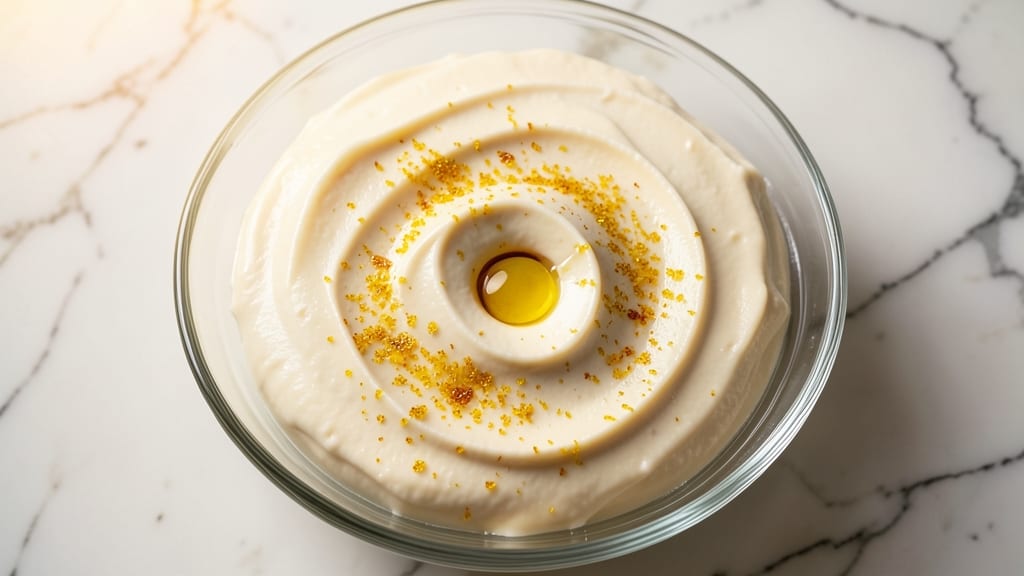
This amazing cream cheese frosting recipe transforms simple ingredients into a velvety, ultra-smooth spread that elevates cakes, cupcakes, and cookies to restaurant-quality levels. The secret lies in room-temperature cream cheese and precise whipping—no lumps, no graininess, just buttery perfection that melts in your mouth.
I've perfected this over years of baking disasters (and triumphs), and it's the one recipe my family begs me to make every holiday.
What makes this frosting truly special is its foolproof stability—no need for extra stabilizers or weird shortcuts. We're talking about a frosting that stays spreadable for hours, pipes beautifully for decorating, and holds up under heat without sweating.
The key? Whipping the butter and cream cheese together until completely smooth before adding the powdered sugar, which prevents those dreaded sugar crystals. Trust me, this method makes all the difference.
By the time you're done, you'll have a batch of frosting so creamy it practically slides off the spatula, with just the right balance of sweetness and tang. It's rich enough to satisfy even the most devoted dessert lovers but not so heavy it overpowers your treats.
The best part? This recipe scales perfectly—whether you're frosting a single layer cake or a towering wedding dessert, the proportions stay foolproof.
Ready to take your desserts to the next level? This frosting pairs beautifully with carrot cake, red velvet, or even chocolate cookies. Store leftovers in the fridge for up to a week, or freeze for longer shelf life. Let's get whipping!
Ingredients for amazing cream cheese frosting
Six ingredients, one game-changing frosting that'll make your desserts look like they're from a bakery.
| Ingredient | Amount | Notes |
|---|---|---|
| Cream Cheese (Full-Fat) 🧀 | 8 oz | Room temperature, block form preferred |
| Unsalted Butter 🧈 | ½ cup | Softened, not melted (70°F) |
| Powdered Sugar 🍚 | 3 cups | Sifted for smooth texture |
| Vanilla Extract 🌿 | 1 tbsp | Pure vanilla (not imitation) |
| Lemon Juice 🍋 | 1 tsp | Freshly squeezed, for brightness |
| Salt 🧂 | ¼ tsp | Fine sea salt, enhances flavor |
| Heavy Whipping Cream (Optional) 🥛 | ¼ cup | For extra fluffiness (35% fat) |
The cream cheese is non-negotiable—full-fat block form gives the best texture. Philadelphia brand is my go-to, but any good-quality block works. Grab it from the dairy case, not the pre-whipped tubs. Room temperature is key: take it out of the fridge 2 hours before baking or microwave it for 30 seconds in 10-second bursts. Butter matters too—unsalted sticks (like Land O'Lakes) are easier to soften than European-style. The powdered sugar should be sifted through a fine-mesh sieve to avoid lumps, and Domino brand is my favorite for its fine grain.
No vanilla extract? Vanilla bean paste works perfectly—just use half the amount. Short on butter? Coconut oil (solid) can replace up to half, but it changes the flavor slightly. The lemon juice can be swapped for white vinegar at half the amount if you're out. Heavy whipping cream isn't essential, but if you add it, make sure it's cold and freshly whipped—never the canned kind. For extra richness, add 1 tbsp sour cream (trust me, it blends right in). And if you're feeling fancy, a pinch of cream of tartar stabilizes the frosting for piping.
This frosting keeps beautifully—1 week in the fridge covered tightly, or 3 months in the freezer in airtight containers. To use frozen frosting, thaw it in the fridge overnight, then re-whip for 2 minutes. For the smoothest texture, always re-whip before spreading. I like to portion it into small jars for easy grab-and-go decorating. If it gets too stiff, microwave it for 10 seconds to soften—it'll be perfect again in no time.
Why You'll Love This Recipe
- No Stand Mixer Needed: I’ll admit it—this frosting is one of those rare recipes where my food processor or even a sturdy whisk does the work. No fancy equipment, no waiting for machines, just a few minutes of hands-on mixing until it’s silky smooth. That lemon juice twist? It brightens the whole thing without extra effort.
- Tangy-Sweet Magic: The moment I add that splash of lemon juice to the cream cheese and butter? Instant upgrade. It cuts through the richness, making every bite feel lighter yet more decadent. Honestly, the vanilla ties it all together—warm, creamy, and just a little bit brighter than your average frosting.
- Cake or Cookie Hero: Between us, this frosting plays well with everything. Slather it on carrot cake, swirl it into cupcakes, or dollop it over brownies—it’s the kind of neutral-but-luxurious base that lets the dessert shine. (Yes, even on a Tuesday night when you’re craving something sweet but don’t want to overthink it.)
- Leftovers That Last: I make a double batch every time because this frosting keeps beautifully in the fridge for up to a week. Spread it on toast for a fancy breakfast, or use it to top overnight oats—suddenly, your pantry’s hero. And because it’s just cream cheese, butter, and sugar, it’s one of those recipes where you’re not stressing over expensive ingredients.
Step-by-step instructions for ultra-smooth cream cheese frosting
Here's how to create the perfect, velvety frosting every time—no lumps, no graininess.
Beat Cream Cheese Until Completely Smooth
Place the 8 oz cream cheese (full-fat) in a large mixing bowl. Using a hand mixer or stand mixer fitted with the paddle attachment, beat on medium speed for 2-3 minutes until completely smooth and free of lumps. This is crucial—any lumps will turn into grainy spots in your frosting.
I like to press down on the cream cheese with a spatula during the first minute to help break it up faster. The mixture should become pale and fluffy, almost like whipped cream. If it still looks curdled, keep beating for another minute—patience here prevents a gritty texture later.
Add Butter and Mix Until Fully Incorporated
Add the 0.5 cup softened unsalted butter to the cream cheese mixture. Beat on medium speed for 1-2 minutes until completely combined and creamy. You'll notice the mixture lighten in color and become even smoother.
This is where the magic happens—the butter helps emulsify the powdered sugar later. If you see any butter chunks, let the mixture sit for 5 minutes at room temperature before beating again. The butter should be soft enough to press with your finger but not melted—this ensures proper incorporation without making the frosting too soft.
Gradually Add Powdered Sugar for Perfect Consistency
With the mixer running on low speed, gradually add the 3 cups sifted powdered sugar in small batches, about ½ cup at a time. This slow addition prevents clumping and ensures a smooth, spreadable consistency. After each addition, beat for 30 seconds to fully incorporate before adding more.
Here's the thing—don't dump all the sugar in at once. I've learned the hard way that rushing this step leads to grainy frosting. You want a thick but smooth texture that holds its shape when spread but still pipes beautifully. If it looks too thick, add 1 tablespoon of water at a time until you reach your desired consistency.
Enhance with Flavor and Adjust Seasoning
Add the 1 tablespoon vanilla extract, 1 teaspoon lemon juice, and 0.25 teaspoon salt to the mixture. Beat on medium speed for 1-2 minutes until fully combined and the flavors are evenly distributed. The lemon juice brightens the flavor, while the salt enhances all the sweet notes.
Taste a small spoonful to check the balance. If it needs more sweetness, add another ¼ cup powdered sugar and mix. If it's too tart, add a pinch more sugar or a splash of water to mellow the flavor. This is your chance to perfect the taste before moving forward.
Incorporate Heavy Cream (Optional) for Extra Fluffiness
For an even lighter texture, add the 0.25 cup heavy whipping cream to the frosting. Beat on medium-high speed for 1-2 minutes until the cream is fully incorporated and the frosting becomes airy and fluffy. This step is optional but makes a noticeable difference in the final texture.
If you choose to add the cream, do it last—adding it earlier can cause the frosting to become too soft or even melt slightly. The frosting should be thick enough to hold its shape when spread but still smooth enough to pipe. For best results, chill the frosting for 30 minutes before using to help it set properly.
Pro Tips For Making Amazing Cream Cheese Frosting
- SOFTEN CREAM CHEESE FIRST: Take your cream cheese blocks out of the fridge at least 30 minutes before using—yes, even if you’re in a hurry. Cold cream cheese adds lumps no amount of beating will fix, and you’ll end up with a grainy frosting that looks like it was made with cottage cheese instead.
- USE ROOM-TEMPERATURE BUTTER: Let your unsalted butter sit out for 10-15 minutes until it’s soft enough to press with a finger but not melted. Cold butter won’t blend smoothly, and you’ll end up with streaks of solid fat cutting through your frosting like butterflies in a cake.
- SIFT THE POWDERED SUGAR: Skip the clumps by sifting powdered sugar directly into your mixing bowl—especially if you’re using a stand mixer. The fine particles blend faster and create a lighter, fluffier texture, not that dense, cakey mess you get when you just dump it in.
- ADD LEMON JUICE LAST: Mix in the lemon juice and vanilla after the powdered sugar is fully incorporated. Adding them early can make the cream cheese curdle or turn slightly grainy, and you’ll lose that bright, fresh tang that keeps the frosting from tasting flat.
Regional styles of this dish
New York Style
In New York, this frosting gets a bold twist with orange zest and a splash of Grand Marnier—just replace the vanilla with 1 tbsp Grand Marnier and add 1 tsp orange zest (finely grated).
The citrus notes cut through the richness, making it perfect for carrot cake or spice cakes. I love adding ½ tsp cinnamon too for that classic NY bakery feel. 🍊
Southern Comfort
Down South, they keep it simple but rich—swap the lemon juice for ½ tsp cream of tartar and add ½ tsp ground nutmeg. This version is ideal for pecan pie bars or sweet potato cakes.
The nutmeg adds warmth, while the cream of tartar stabilizes the frosting for piping rosettes. I’ve seen Southern bakeries use 1 tbsp sour cream instead of heavy cream for extra tang. 🌶️
Midwest Homestyle
The Midwest loves a hearty, buttery frosting—this style uses ½ cup brown sugar (packed) instead of powdered sugar, mixed with 1 cup powdered sugar for texture. Add ½ tsp cinnamon and a pinch of allspice for a cozy flavor that pairs perfectly with apple or cherry pies.
The brown sugar adds depth, while the spices evoke classic diner desserts. 🍂
West Coast Fusion
Out West, they blend global flavors—try adding 1 tsp matcha powder (sifted) to the powdered sugar for a vibrant green hue and earthy notes. A dash of cardamom (¼ tsp) elevates it for matcha cakes or macarons.
For a tropical twist, replace the lemon juice with ½ tsp lime zest and add 1 tsp coconut extract. This version is all about bright, unexpected flavors. 🌿
European Elegance
Across the pond, they prefer a lighter touch—reduce the butter to ¼ cup and add 2 tbsp crème fraîche for a tangy, velvety texture. A splash of 1 tsp elderflower liqueur (like St-Germain) replaces vanilla, giving it a refined, floral note.
Perfect for French macarons or almond cakes, this version is all about delicate balance. 🍷
Nutrition facts
Frequently asked questions
Why does my cream cheese frosting turn grainy?
Graininess usually means lumps from cold cream cheese or improper mixing. Always use room-temperature cream cheese and beat it until completely smooth (2-3 minutes) before adding butter. Add powdered sugar gradually on low speed—never all at once! Sift the sugar first to prevent clumps.
Can I make this frosting without a mixer?
Yes! Use a hand whisk or fork in a large bowl. Beat the cream cheese until smooth, then mix in butter with a spatula. Gradually fold in powdered sugar with your hands or a rubber spatula. It'll take more elbow grease, but you'll still get a creamy texture. For extra fluffiness, whip the heavy cream separately and fold it in last.
How do I adjust the sweetness level?
Start with the 3 cups powdered sugar as written, then taste before adding more. For less sweetness, reduce by ½ cup increments. If you prefer it sweeter, add ¼ cup at a time—but don't exceed 4 cups total or the frosting may become too runny. The lemon juice helps balance sweetness naturally.
What's the best way to store leftover frosting?
Spread frosting into a single layer in an airtight container and refrigerate for up to 1 week. For longer storage, freeze in 1-cup portions for 3 months. To use frozen frosting, thaw in the fridge overnight, then re-whip for 2 minutes to restore smoothness. Never refreeze thawed frosting.
Can I color this frosting for special occasions?
Use gel food coloring (not liquid) for vibrant hues without altering texture. Add ½ tsp at a time while mixing, starting with a small amount—colors intensify as frosting sets. For pastel shades, use ⅛ tsp. Avoid citrus-based colorings as they may react with the lemon juice.