
Desserts
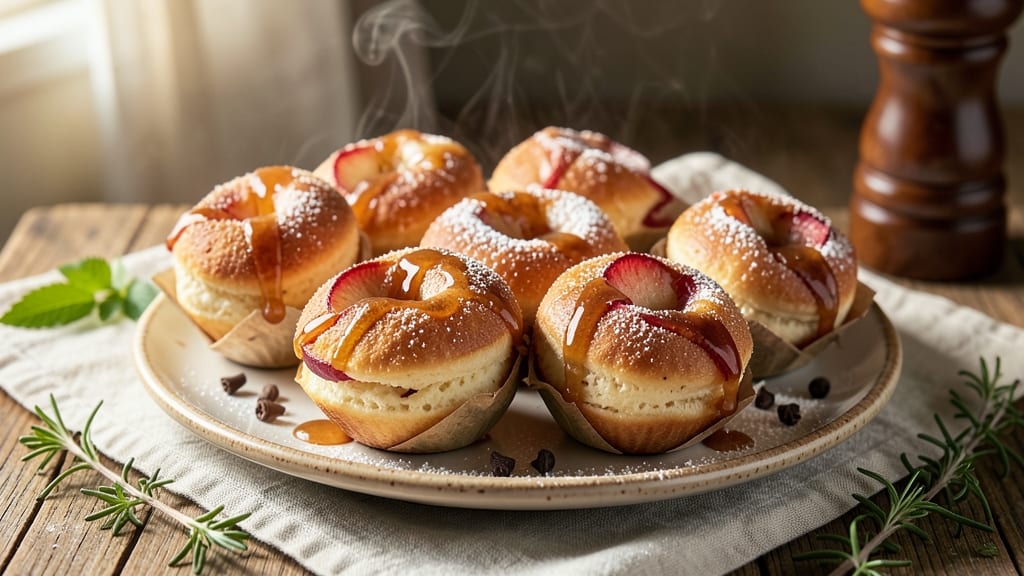
This apple cider cottage cheese donuts recipe delivers fluffy, golden bites with a tender crumb and a spiced apple cider glaze that tastes like autumn in every bite. 🍁 The secret? Cottage cheese keeps them moist while apple cider adds depth—no dry, heavy donuts here.
Perfect for breakfast or dessert, these donuts are light enough to enjoy with coffee but rich enough to satisfy a sweet craving.
What sets these apart is the foolproof dough—no yeast required—paired with a warm glaze that caramelizes slightly as it cools. The dough comes together in minutes, and frying at 350°F–375°F ensures a crispy exterior without sacrificing fluffiness.
The spiced apple cider glaze ties everything together with notes of cinnamon and vanilla, making these donuts taste like a fall morning.
By the time you're done, you'll have perfectly golden donuts with a tender crumb and a glossy glaze that drips slightly. The cottage cheese adds moisture without heaviness, while the apple cider keeps the flavor bright and seasonal.
Serve warm with a sprinkle of cinnamon or a drizzle of caramel for extra indulgence.
These donuts are versatile enough for brunch but hearty enough for dessert. Pair them with a cup of coffee, a glass of milk, or even a scoop of vanilla ice cream.
The recipe scales easily, so you can make a batch for a crowd or just a few for a cozy treat. Let’s get baking!
Ingredients for apple cider cottage cheese donuts
Pantry staples plus a few seasonal touches—these donuts are pure comfort in bite-sized form.
| Ingredient | Amount | Notes |
|---|---|---|
| Large Eggs 🥚 | 2 whole | Room temperature for best mixing |
| Granulated Sugar 🍚 | ½ cup | White or light brown |
| All-Purpose Flour 🌾 | 2 cups | Sifted, no lumps |
| Cottage Cheese 🧀 | 16 oz | Full-fat, drained overnight |
| Unsalted Butter 🧈 | ½ cup | Cold, cubed for easier mixing |
| Vanilla Extract 🍯 | 1 tsp | Pure vanilla preferred |
| Ground Cinnamon 🍃 | 1 tbsp | Freshly ground for warmth |
| Apple Cider 🍎 | ½ cup | Unpasteurized for best flavor |
| Vegetable Oil 🫒 | 2 cups | For frying, 350°F–375°F |
| Powdered Sugar 🍚 | 1 cup | For glaze, sifted |
| Apple Cider Vinegar 🍎 | 1 tbsp | For glaze tang |
| Ground Nutmeg 🌿 | ¼ tsp | Freshly grated for depth |
| Salt 🧂 | ½ tsp | Kosher or sea salt |
| Cinnamon Sticks 🍃 | 2 whole | For garnish, optional |
The cottage cheese is non-negotiable here—it’s what keeps these donuts light and fluffy. Full-fat is key (low-fat won’t give that tender crumb), and draining it overnight in a fine-mesh strainer removes excess moisture. Trader Joe’s has the best-priced full-fat cottage cheese in tubs, but any brand works if it’s not watery. The apple cider? Unpasteurized is ideal for that caramelized depth, but pasteurized will still taste amazing. If you can’t find it, substitute with apple juice—just add a pinch of cinnamon to mimic the spice notes. The flour should be sifted to avoid dense donuts, and I always double-check my vanilla extract isn’t imitation (the real stuff has seeds).
No powdered sugar? Sifted granulated sugar works in a pinch, but it won’t be as smooth. Short on apple cider? Apple juice plus 1 tsp extra cinnamon gets you close, but the vinegar in the glaze will still give that tangy contrast. The butter needs to be cold when mixed into the dough—cut it into small cubes and let it sit at room temp for 10 minutes before measuring. For the glaze, if you’re feeling fancy, add a splash of bourbon (just 1 tsp) for a grown-up twist. And if you’re making these ahead? Freeze the donuts before glazing—they’ll crisp up beautifully when reheated.
These donuts are best served warm, but they reheat like a dream—30 seconds in the oven at 350°F brings back that crispy exterior. Store glazed donuts in an airtight container for 3 days (if they last that long). The dough can be prepped a day ahead and refrigerated—cover tightly with plastic wrap to prevent drying. For the glaze, make it fresh before serving so it stays glossy. And if you’re making a crowd batch? Double the glaze ingredients—trust me, you’ll need it.
Why You'll Love This Recipe
- No specialty ingredients here: flour, sugar, butter, eggs, and cottage cheese (which is cheaper than you think). A batch makes 12 donuts, and they freeze like a dream. I’ve fed a soccer team with these—minimal cost, maximum happiness.
- No Mixer Needed: I swear by this recipe because it’s actually one-bowl, no-fuss. Just fold the cottage cheese into the dry ingredients—no need to cream butter and sugar separately. The eggs bind everything together while keeping it light, and honestly? My stand mixer stays put for this one.
- Fall in One Bite: That warm apple cider swirl cutting through the tender, buttery donuts? It’s like autumn in every bite. The cottage cheese adds a subtle tang that balances the sweetness, and the crispy edges? Pure satisfaction. (Yes, even on a Tuesday night.)
- Breakfast or Dessert: Serve these warm with a sprinkle of cinnamon for a weekend brunch crowd-pleaser, or drizzle with caramel for a dessert that feels special. They reheat beautifully—my kids grab them straight from the fridge, and I don’t judge.
Step-by-step instructions for apple cider cottage cheese donuts
Here's how to make these light, airy donuts with a perfect apple cider glaze.
👨🍳 Step 1: Mix the Cottage Cheese Batter
In a large mixing bowl, combine the 16 oz cottage cheese with 0.5 cup granulated sugar and 1 tsp vanilla extract. Whisk until completely smooth - you'll see the cottage cheese break down into a creamy texture. This step is crucial because cottage cheese adds moisture and tenderness to the donuts.
Next, add the 2 whole eggs one at a time, whisking vigorously after each addition. The mixture should become thicker and lighter in color. In a separate bowl, sift together 2 cups all-purpose flour, 1 tbsp ground cinnamon, 0.25 tsp ground nutmeg, and 0.5 tsp salt. Gently fold the dry ingredients into the wet mixture using a spatula until just combined - don't overmix or your donuts will be tough.
🍳 Step 2: Incorporate Butter and Chill the Dough
Cut in the 0.5 cup cold unsalted butter using a pastry cutter or two forks until the mixture resembles coarse crumbs with pea-sized butter pieces. This cold butter will create flaky layers when fried. Stir in 0.5 cup apple cider - the liquid will help bind everything together into a soft dough.
Turn the dough out onto a lightly floured surface and knead gently just until it comes together. Divide into 12 equal portions (about 2 oz each) and roll each into a smooth ball. Place on a parchment-lined plate, cover with plastic wrap, and refrigerate for at least 1 hour (or up to 24 hours). Chilling firms up the dough for better handling and frying.
🔥 Step 3: Fry to Golden Perfection
Heat 2 cups vegetable oil in a deep fryer or heavy pot to 350°F. Use a candy or deep-fry thermometer to monitor the temperature - it should stay steady. Fry the donuts in batches of 2-3, turning occasionally, for 2-3 minutes per side until they're golden brown. They're done when they float and develop a crisp exterior.
Transfer fried donuts to a paper towel-lined plate to drain. Keep them warm in a 200°F oven while you fry the remaining batches. Real talk: don't overcrowd the fryer or the oil temperature will drop, leading to greasy donuts instead of crispy ones.
🥘 Step 4: Make the Apple Cider Glaze
While the donuts fry, make the glaze by whisking together 1 cup powdered sugar, 1 tbsp apple cider vinegar, and 2-3 tbsp apple cider (start with 2 tbsp and add more as needed) until smooth. The glaze should be thick enough to coat the back of a spoon but still drizzle easily. Here's the thing - the vinegar adds tang that cuts through the sweetness.
Dip the warm donuts halfway into the glaze, letting any excess drip off. Immediately roll each donut in the remaining glaze to coat completely. For extra flair, press a cinnamon stick gently into the top of each donut while the glaze is still wet. Let the glaze set for 5 minutes before serving.
Pro Tips For Making Apple Cider Cottage Cheese Donuts
- Drain the Cottage Cheese: Skip the liquidy mess by pressing cottage cheese in a clean kitchen towel for 10 minutes before mixing—it removes excess moisture without making your batter gluey. I learned this the hard way after three batches where the donuts turned out dense instead of light.
- Fry in Small Batches: Two or three donuts at a time is the sweet spot—crowding drops the oil temperature and you’ll end up with soggy centers. Use a thermometer and aim for 350°F; if the oil smokes, let it cool down before adding more.
- Mix the Dry Ingredients First: Whisk flour, sugar, and spices together before adding wet ingredients—this prevents lumps from forming when you fold in the cottage cheese. I was skeptical until I tried it; now my batter is silky smooth every time.
- Use Cold Butter: Cut the butter into tiny cubes and keep it in the fridge until the last second—this keeps the donuts flaky and prevents them from turning greasy. Warm butter makes the texture go from perfect to heavy in seconds.
Troubleshooting this dish
Dough Too Sticky
If your dough feels too sticky after mixing, you likely need more flour—but don’t overdo it. Add 1 tbsp flour at a time until the dough holds together when pressed. I’ve found that chilling the dough for an extra 30 minutes helps too.
The cottage cheese is naturally moist, so resist the urge to add extra liquid. If it’s still sticky after chilling, sprinkle a tiny bit of flour on your work surface when rolling the balls. 🍂
Donuts Not Rising
These donuts don’t rely on yeast, so they won’t rise like traditional yeast-based donuts. The key to a light texture is the cottage cheese and proper frying technique. Ensure your oil is at 350°F–375°F—if it’s too cool, the donuts will absorb oil and become dense.
Fry in small batches to maintain temperature, and don’t overcrowd the pot. The donuts should float and turn golden in 2–3 minutes per side.
Glaze Too Thin
A runny glaze usually means too much liquid. Start with 2 tbsp apple cider and add more only if needed—1 tsp at a time. The glaze should coat the back of a spoon but still drizzle smoothly.
For a thicker glaze, whisk in ½ tsp cornstarch mixed with 1 tsp cold water. If it’s still too thin, let it sit for 10 minutes to thicken naturally. Pro tip: Use a silicone spatula to spread excess glaze back into the bowl for even coating. 🍯
Donuts Too Dense
Dense donuts often result from overmixing or insufficient chilling. Whisk the batter just until combined—stop as soon as the dry ingredients disappear. If the dough feels warm after mixing, refrigerate it for 2 hours instead of the usual 1 hour.
Also, ensure your butter is cold when cutting it in. Overworking the dough or using warm butter can lead to a tough, dense texture. For extra fluffiness, let the donuts rest for 5 minutes after frying before glazing.
Glaze Not Setting
If the glaze drips off or doesn’t set, it’s likely too thin or the donuts aren’t warm enough. Dip the donuts into the glaze while they’re still hot from frying—this helps the glaze adhere.
For a firmer set, add ½ tsp lemon juice to the glaze (it acts as a natural thickener). If the glaze is still too runny, place the glazed donuts in the fridge for 10 minutes to help it set.
Avoid using metal utensils when spreading the glaze—they can cause it to melt too quickly.
Oil Smoking
Oil smoking means your frying temperature is too high. Reduce the heat to maintain a steady 350°F–375°F. Use a deep-fry thermometer to monitor the temperature—it’s the only way to get it right. If you don’t have one, test the oil by dropping a small piece of dough in.
It should sizzle gently and float within 30 seconds. Smoking oil can also mean old or degraded oil—replace it if it smells off or looks dark. Fresh oil is key for crispy, golden donuts. 🔥
Nutrition facts
Frequently asked questions
Can I make these donuts without frying?
Bake them at 375°F for 12-15 minutes on a parchment-lined baking sheet until golden. Brush with melted butter halfway through for extra richness. The texture will be slightly denser but still delicious. For crispiness, bake at 400°F for 10 minutes before glazing.
How do I store leftover glazed donuts?
Keep them in an airtight container at room temperature for 2-3 days. For longer storage, freeze unglazed donuts for up to 1 month. Reheat frozen donuts at 350°F for 5 minutes before glazing. The glaze stays fresh longer if you add it fresh after reheating.
What's the best way to make the glaze ahead?
Prepare the glaze ingredients (powdered sugar, vinegar, and cider) in a jar up to 24 hours ahead. Store it at room temperature and whisk before using. For the full glaze, combine everything 1 hour before serving so it thickens properly. Keep the donuts separate until ready to glaze.
Can I add other flavors to the dough?
Yes! Try adding ½ tsp pumpkin pie spice or 1 tsp lemon zest to the dry ingredients for a citrus twist. For chocolate lovers, replace 1 tbsp cinnamon with 2 tbsp cocoa powder** (add 1 extra tbsp cider to balance). Keep the dough chilled longer if using wet add-ins like fruit purees.
Why does my dough smell like vinegar?
The apple cider vinegar in the glaze won't affect the dough's smell, but if your cottage cheese is too sour or old, it can develop an off odor. Use fresh, full-fat cottage cheese (drained overnight) and store it properly. The dough should smell lightly sweet and tangy from the vanilla and cider—never sour or sharp. If it does, start fresh.