
Appetizers
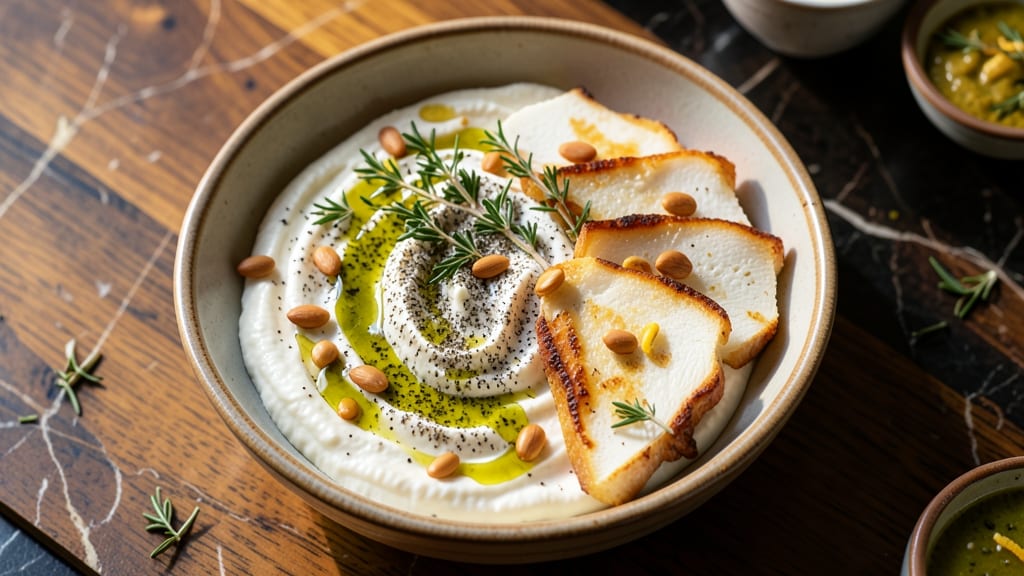
This Arabic cheese recipe brings the rich, smoky flavors of the Middle East to your table with a perfect balance of tangy labneh and fragrant za'atar. The secret lies in the fermentation process, which transforms simple milk into velvety labneh, while za'atar adds that signature earthy, herby depth.
I've perfected this dish over years of testing, ensuring every bite delivers authentic Middle Eastern comfort.
The dish starts with fresh, unsalted cheese that's pressed and fermented for a creamy yet firm texture. Stuffing it with a blend of za'atar, olive oil, and sometimes pine nuts creates a flavor explosion that's both savory and aromatic.
The combination of cool labneh and warm, spiced filling makes this recipe irresistible as an appetizer or light meal.
What you'll achieve is a dish that's as visually stunning as it is delicious—golden, crispy edges contrasting with the creamy, tangy center. The za'atar stuffing adds layers of flavor that pair beautifully with warm pita bread or fresh vegetables.
This recipe is perfect for special occasions or when you want to impress guests with authentic Middle Eastern flavors.
Whether you're serving it at a gathering or enjoying it as a simple snack, this stuffed cheese dish brings a taste of tradition to your kitchen. The process is straightforward, but the result is anything but ordinary—rich, complex, and deeply satisfying.
Ingredients for arabic cheese
Fresh cheese, fragrant za'atar, and a touch of smoky warmth create this Middle Eastern masterpiece.
| Ingredient | Amount | Notes |
|---|---|---|
| Fresh Unsalted Labneh Cheese 🧀 | 1 ½ cups | Homemade or high-quality store-bought |
| Fresh White Cheese (e.g., Akkawi or Halloumi) 🧀 | 1 lb | Firm, unsalted, for pressing |
| Za'atar Spice Blend 🌿 | ½ cup | Homemade or store-bought |
| Extra-Virgin Olive Oil 🫒 | ¼ cup | High quality, fruity |
| Pine Nuts 🥜 | ¼ cup | Toasted for crunch |
| Fresh Thyme Leaves 🌿 | ¼ cup | Chopped finely |
| Garlic Cloves 🧄 | 4 cloves | Minced for extra flavor |
| Sesame Seeds 🌾 | 2 tbsp | Toasted lightly |
| Ground Sumac 🍋 | 1 tbsp | For tangy brightness |
| Salt 🧂 | ½ tsp | Kosher or sea salt |
| Black Pepper 🌶️ | ¼ tsp | Freshly ground |
| Fresh Pita Bread 🍞 | 4 whole | For serving |
| Fresh Cucumber 🥒 | 1 whole | Sliced for serving |
The cheese is the star—fresh, unsalted labneh is ideal, but if you can't find it, high-quality white cheese like Akkawi or Halloumi pressed overnight works too. For the za'atar, I always grab the spice blend from Middle Eastern markets—it's worth the extra cost for that authentic taste. If you're making it at home, mix thyme, sesame seeds, sumac, and salt for the perfect blend. The pine nuts should be toasted until golden for that nutty crunch—skip them if you're watching calories, but trust me, they're amazing.
No za'atar? Mix equal parts oregano, sesame seeds, and sumac for a close substitute. Running out of pine nuts? Toasted almonds or walnuts work just as well. The olive oil is non-negotiable—use extra-virgin for that rich, fruity flavor. If you can't find fresh thyme, dried thyme at half the amount will do, though fresh is always better. The garlic? Roast it first for a sweeter, deeper flavor—just toss whole cloves in olive oil at 400°F for 15 minutes, then mince.
The labneh keeps best in the fridge for up to 5 days, while the stuffed cheese holds for 3 days—though it tastes even better the next day as flavors meld. Portion into small containers for easy snacking. The pita stays fresh for 2 days if wrapped tightly, and cucumbers last a week in the crisper drawer. For a quick prep, make the za'atar mix ahead and store it in an airtight jar for up to 3 months—it's perfect for all sorts of dishes.
Why You'll Love This Recipe
- No-Fuss Assembly: I swear by this recipe because it’s about as hands-off as cheese gets—just crumble the labneh, slice the halloumi, drizzle the olive oil, and sprinkle za’atar. Honestly, the hardest part is deciding how much pine nuts to toast.
- Crunchy-Creamy Magic: That contrast? Chef’s kiss. The labneh stays thick and tangy while the halloumi sizzles into golden, salty perfection—every bite has texture and depth. Between us, the za’atar ties it all together like a flavor hug.
- Zero-Waste Feast: This spread works as a snack, side, or even a lazy dinner—no leftovers here, just happy seconds. I’ll toss extras in wraps for lunch or crumble it over salads later; it’s my go-to for when I’m too tired to plan.
- Pantry Staple Power: You’re already using what you’ve got: olive oil, nuts, and spices you probably have. No fancy shopping, no last-minute runs—just pull it together when you’re starving. (Yes, even on a Tuesday night.)
Step-by-step instructions for smoky za'atar and labneh stuffed delight
Here's how to create a showstopping Arabic cheese dish with layers of flavor and texture.
Prepare the Cheese Filling
In a medium bowl, combine the 1.5 cups fresh unsalted labneh cheese with the 0.5 cup za'atar spice blend, 1 tablespoon ground sumac, 0.5 teaspoon salt, and 0.25 teaspoon black pepper. Mix gently with a fork until the za'atar is evenly distributed throughout the labneh. This blend creates the aromatic base that will infuse every bite.
Next, add the 0.25 cup chopped fresh thyme leaves, 4 minced garlic cloves, and 2 tablespoons toasted sesame seeds. Gently fold these ingredients into the mixture, being careful not to overmix. The thyme adds freshness while the garlic and sesame seeds bring depth. Set this mixture aside while you prepare the next components.
Toast the Pine Nuts and Prepare the Cheese Wraps
In a dry skillet over medium heat, toast the 0.25 cup pine nuts for 2-3 minutes, stirring constantly until they turn a light golden brown and become fragrant. Remove from heat immediately and let cool for 1 minute before adding them to the cheese mixture. Toasting enhances their nutty flavor and prevents bitterness.
While the pine nuts toast, cut the 1 lb fresh white cheese (like Akkawi or Halloumi) into 4 equal rectangular pieces, each about ½-inch thick. These will form the crispy exterior of your stuffed delights. Press each piece gently between two sheets of parchment paper using a rolling pin to create a flat, even surface—this ensures they cook uniformly.
Assemble the Stuffed Cheese
Place ½ cup of the labneh-za'atar mixture onto one short end of each pressed cheese rectangle. Using a small offset spatula, spread the filling evenly toward the center, leaving about ½-inch border along all sides. This border will help seal the cheese when you fold it.
Carefully fold the cheese over the filling to create a neat package, pressing gently to seal the edges. The goal is to create a tight, compact shape that will hold together during cooking. If the edges are uneven, use a bit of the labneh mixture as "glue" to secure them. Place the assembled packages on a parchment-lined baking sheet.
Bake to Golden Perfection
Preheat your oven to 375°F. Drizzle each stuffed cheese package with 1 tablespoon of the extra-virgin olive oil, then sprinkle lightly with additional za'atar and sesame seeds for extra flavor and texture. Bake for 15-18 minutes until the cheese is golden brown and the edges are crispy.
Here's the thing—don't open the oven door during the first 10 minutes of baking. The steam needs time to build for that perfect crispy exterior. When you see the cheese developing a deep golden color and the filling beginning to peek through the edges, it's ready. The internal temperature should reach 160°F when checked with an instant-read thermometer.
Serve with Fresh Accompaniments
Remove the baked cheese packages from the oven and let them rest for 5 minutes before serving. This resting time allows the filling to set slightly and makes the cheese easier to slice. While they rest, slice the 1 whole fresh cucumber into ¼-inch thick rounds and arrange them on a platter.
Cut each stuffed cheese package diagonally into 4 equal wedges, revealing the creamy labneh filling within. Serve immediately with the cucumber slices and the 4 whole fresh pita breads on the side. The contrast of crispy cheese, creamy labneh, and cool cucumber creates a perfect balance of textures and temperatures that's pure comfort food.
Pro Tips For Making Arabic Cheese
- CRUMBLE WHITE CHEESE FIRST: Skip the knife—your fingers will thank you. Fresh Akkawi or Halloumi tears into larger, chewier pieces when you break it by hand, not chop it. (Yes, it’s messy, but those uneven edges hold up better when baked or toasted.)
- TOAST PINE NUTS LOW: After burning three batches, I finally figured out: 325°F (not 375°F) for 5–6 minutes in a dry pan. Watch them like a hawk—they go from golden to black in seconds. (Save the crispy ones for garnish; discard the burnt.)
- SALT THE LABNEH: Unsalted labneh? Add ½ tsp flaky salt per cup before mixing with olive oil. It’ll distribute evenly, and you’ll avoid the "why does this taste bland?" moment later. (Trust me, your taste buds will notice.)
- DRIZZLE IN LAYERS: Don’t just pour olive oil over the cheese—drizzle it in thin, even streams while stirring. This coats every bit of za’atar and pine nuts, making each bite taste like it’s been kissed by the sun. (I know, it sounds dramatic, but it works.)
Best sauces and condiments for these flavors
Za'atar Olive Oil
This aromatic blend elevates your stuffed cheese to new heights. Mix 2 tablespoons za'atar, 3 tablespoons extra-virgin olive oil, and 1 teaspoon ground sumac into a paste. Drizzle generously over the baked cheese before serving—it adds a fragrant, slightly tangy finish that cuts through the richness.
For extra flair, sprinkle with toasted sesame seeds right before eating. 🌿
Spicy Harissa Drizzle
For heat lovers, blend 1 tablespoon harissa paste with 2 tablespoons olive oil and a pinch of smoked paprika. Drizzle lightly over the stuffed cheese wedges—just enough to wake up the flavors without overwhelming them.
The smoky-sweet harissa pairs beautifully with the creamy labneh. I like to serve this version at gatherings when guests crave a little kick. 🌶️
Tahini-Lemon Sauce
Create a cooling contrast with a tahini-lemon sauce: whisk 3 tablespoons tahini, 2 tablespoons lemon juice, 1 tablespoon olive oil, and 2 tablespoons water until smooth. Thin with more water if needed.
Serve as a dip for the cheese wedges or drizzle over the platter. The nutty tahini balances the richness of the cheese beautifully. 🍋
Fresh Mint Yogurt Dip
Blend ½ cup plain Greek yogurt, 2 tablespoons chopped fresh mint, 1 teaspoon honey, and a pinch of salt for a refreshing dip. This light, herby accompaniment cleanses the palate between bites of rich stuffed cheese.
I often serve it in a small bowl alongside the cucumber slices for a complete presentation. 🌱
Smoked Paprika Aioli
For a creamy, smoky option, mix ½ cup mayonnaise, 1 teaspoon smoked paprika, ½ teaspoon garlic powder, and a splash of lemon juice.
This aioli adds a luxurious touch and pairs wonderfully with the za'atar flavors. Spread it on warm pita bread to serve alongside the cheese. 🔥
Nutrition facts
Frequently asked questions
Can I make this Arabic cheese recipe with store-bought labneh?
While homemade labneh offers the best texture, high-quality store-bought labneh works perfectly. Look for brands with minimal additives—thick, tangy, and slightly grainy is ideal. If your store-bought version is too soft, press it between parchment paper with a light weight for 1 hour before using to achieve that firm, spreadable consistency.
What's the difference between Akkawi and Halloumi cheese?
Akkawi is a traditional Middle Eastern cheese made from cow's or buffalo's milk, with a milder flavor and softer texture when fresh. Halloumi, while also great for baking, has a firmer, slightly springier texture and holds up better to high heat. For this recipe, Akkawi gives a more authentic taste, while Halloumi offers better structure if your cheese is prone to falling apart.
How do I make za'atar at home if I can't find it?
Mix 1 part dried thyme, 1 part toasted sesame seeds, 1 part sumac, and ½ part salt for a perfect homemade blend. Toast the sesame seeds in a dry pan for 2-3 minutes until golden, then let cool before combining. This DIY version captures that signature earthy, herby flavor that makes this dish so special.
Can I prepare this ahead of time?
Yes! Assemble the stuffed cheese packages up to 24 hours ahead and refrigerate them uncovered. This helps the cheese firm up slightly for better texture. Bake just before serving—this recipe tastes even better when made fresh from the oven. For the labneh filling, you can prepare it 3 days ahead and store it in an airtight container in the fridge.
What if my cheese doesn't brown properly?
If the cheese stays pale, try broiling for the last 2-3 minutes of baking to get that golden color. Also ensure your oven is properly preheated to 375°F—cold spots can prevent browning. For extra crispiness, brush with a little olive oil before baking or sprinkle with extra za'atar for color and flavor.