
Sauces & Condiments
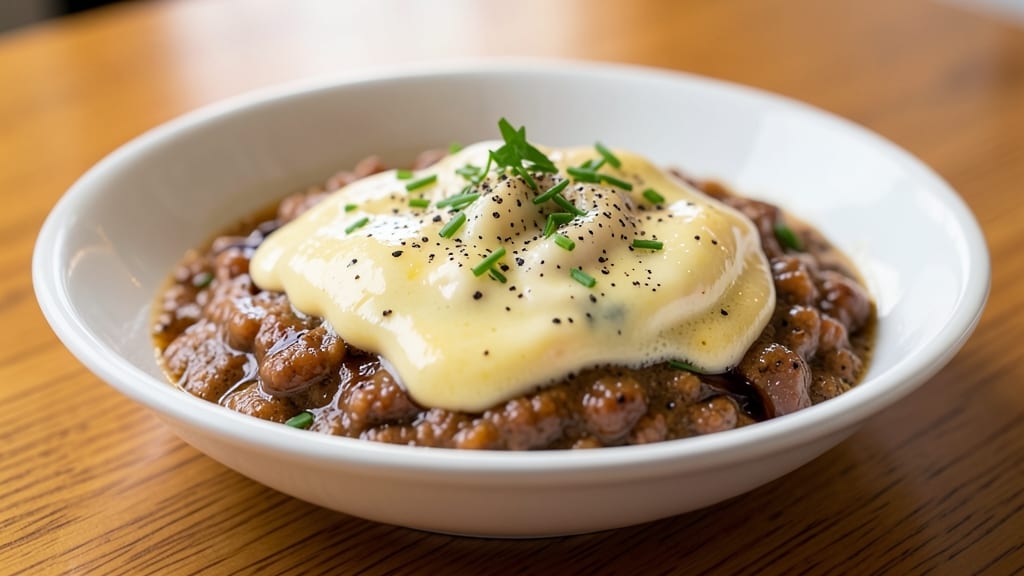
This Arby's beef and cheddar cheese sauce recipe delivers that signature velvety melt you crave—rich, creamy, and packed with cheddar depth that transforms any dish. The secret lies in a proper roux foundation that prevents separation, while slow-melting cheddar creates that iconic stringy texture.
I've perfected this sauce over years of testing, ensuring it stays smooth whether drizzled over fries, slathered on burgers, or used as a dip base.
The process starts with a butter-and-flour roux cooked to a golden hue before adding milk and beef broth for depth. As the cheese melts in, constant whisking prevents lumps while developing that signature beefy, cheesy richness. The sauce thickens gradually, creating a luxurious consistency that clings beautifully to food.
What makes this version special is the balance—tangy enough from the broth to cut through the richness, with just enough salt to enhance every flavor.
What you'll end up with is a restaurant-quality sauce that's foolproof to make at home, with a velvety texture that stays creamy even after chilling. The aroma alone will have everyone asking for seconds, and the taste delivers that perfect blend of sharp cheddar and savory beef notes.
This sauce keeps well in the fridge for up to 5 days, making it ideal for meal prep or hosting game day gatherings.
For extra depth, consider adding a splash of Worcestershire sauce or a pinch of smoked paprika during the final whisking. The possibilities are endless—drizzle it over loaded fries, use it as a burger sauce, or even as a creamy pasta topping.
Here's everything you need to recreate that Arby's signature flavor at home.
Ingredients for arby's beef and cheddar cheese sauce
Nine simple ingredients transform into that iconic Arby's velvety beef-cheddar melt.
| Ingredient | Amount | Notes |
|---|---|---|
| Unsalted Butter 🧈 | ½ cup | Cold cut into small cubes |
| All-Purpose Flour 🌾 | ½ cup | White or whole wheat |
| Sharp Cheddar Cheese 🧀 | 2 cups | Shredded, block preferred |
| Whole Milk 🥛 | 2 cups | Full-fat for creaminess |
| Beef Broth 🍲 | ½ cup | Low-sodium preferred |
| Worcestershire Sauce 🍯 | 1 tbsp | For umami depth |
| Garlic Powder 🧄 | 1 tsp | Fresh or high-quality |
| Smoked Paprika 🌶️ | ½ tsp | Optional for smoky touch |
| Salt 🧂 | ½ tsp | Adjust to taste |
| Black Pepper 🌶️ | ¼ tsp | Freshly ground |
The cheese is non-negotiable here—sharp cheddar from a block (not pre-shredded) melts smoother and tastes fresher. Kraft Singles or Cabot are my go-tos, but any sharp variety works. The butter matters too—use unsalted so you control the seasoning. For the roux, cook it low and slow until golden (about 5 minutes), or you'll end up with a floury taste. Bob's Red Mill flour works perfectly if you're worried about lumps. The beef broth adds that signature depth—low-sodium so you don't over-salt later.
No Worcestershire? Soy sauce at half the amount gives similar umami, though it'll taste slightly different. Short on sharp cheddar? Monterey Jack at a 1:1 ratio, but the sauce won't be as tangy. The smoked paprika is optional but worth it for that subtle Arby's vibe. Pre-shredded cheese? Toast it in a dry pan for 2 minutes first—removes moisture and prevents clumping. For extra richness, swap half the milk for heavy cream. The sauce thickens as it cools, so don't over-thicken it while hot.
This sauce reheats beautifully—just whisk in a splash of milk if it thickens too much. Keeps for 5 days in the fridge, 3 months frozen. I double the batch and freeze half for lazy weeknights. For game day, make it ahead and reheat gently in a saucepan. The flavor actually improves after chilling, so patience pays off. Store in an airtight container with plastic wrap pressed right on the surface to prevent a skin from forming.
Why You'll Love This Recipe
- Five-Ingredient Magic: I swear by this—just butter, flour, sharp cheddar, milk, and beef broth. No fancy pantry raids, no last-minute grocery runs. The roux builds itself while you stir, and that cheddar melts into something rich and velvety without a single extra step.
- Sauce That Sticks: Here’s what sold me—the way the beef broth deepens the flavor while the milk keeps it silky. It clings to fries, mac and cheese, or even grilled cheese like it’s been designed for it. (Yes, even on a Tuesday night.)
- Leftovers That Don’t Let You Down: This sauce actually improves the next day—thicker, more concentrated, and perfect for reheating. I freeze half in ice cube trays to toss into soups or sauces later. No sad, watery leftovers here.
- Budget-Friendly Luxury: Sharp cheddar and beef broth might sound fancy, but they stretch this sauce far. A single batch dresses up baked potatoes, dips roasted veggies, or turns plain pasta into a meal. My wallet and my taste buds thank me.
Step-by-step instructions for Arby's beef and cheddar cheese sauce
Here's how to make that iconic, velvety sauce that melts perfectly on loaded fries.
Create the Roux Base
In a medium saucepan, melt the 0.5 cup unsalted butter over medium heat. Once completely melted, reduce the heat to low and gradually whisk in the 0.5 cup all-purpose flour. You'll want a smooth, lump-free mixture that resembles wet sand.
Cook this roux for 2-3 minutes, stirring constantly, until it turns a light golden color. This step is crucial—it forms the foundation of your sauce by thickening it through a process called emulsification. If you smell any burning, immediately reduce the heat to lowest setting and keep stirring until the aroma disappears.
Add Liquid Ingredients
Slowly pour in the 2 cups whole milk while whisking vigorously to prevent lumps from forming. The mixture will thicken immediately as the milk absorbs into the roux. Once fully incorporated, add the 0.5 cup beef broth, 1 tablespoon Worcestershire sauce, 1 teaspoon garlic powder, and 0.5 teaspoon smoked paprika. Stir well to combine all ingredients.
Bring the mixture to a gentle simmer over medium-low heat, stirring frequently to prevent sticking. Let it cook for 5-7 minutes until it begins to thicken noticeably. You're looking for a sauce that coats the back of a spoon smoothly—this indicates the starch in the flour has fully activated.
Incorporate the Cheese
Reduce the heat to low and begin adding the 2 cups sharp cheddar cheese in small batches. I like to use a block of cheese and grate it fresh for the best texture—it melts more smoothly than pre-shredded cheese. Stir constantly to ensure even melting and prevent any clumping.
Continue cooking for 3-5 minutes until the cheese is completely melted and the sauce is smooth. If you notice any graininess, this is your signal to keep stirring and let it cook a bit longer. The sauce should now be thick and velvety, with a rich, cheesy aroma that fills your kitchen.
Season and Finish
Remove the saucepan from heat and stir in the 0.5 teaspoon salt and 0.25 teaspoon black pepper. Taste the sauce and adjust the seasoning if needed—you might want to add a pinch more salt or a dash of Worcestershire sauce for extra umami depth.
For the best results, let the sauce sit off the heat for 5 minutes before using. This resting period allows the flavors to meld together perfectly. The sauce should be thick enough to coat the back of a spoon but still pourable. If it's too thick, you can thin it with a splash of warm milk or beef broth.
Use Immediately or Store
This sauce is best used immediately for that classic Arby's experience, but you can store any leftovers in an airtight container in the refrigerator for up to 5 days. To reheat, warm it gently over low heat, stirring frequently until smooth. Avoid boiling, as this can cause the sauce to separate.
Now you're ready to drizzle this velvety, cheesy goodness over your loaded fries, burgers, or even as a dip for onion rings. The secret to that perfect Arby's texture lies in patience and constant stirring—don't rush it, and you'll have a sauce that melts in your mouth every time.
Pro Tips For Making Arby'S Beef And Cheddar Cheese Sauce
- Whisk Like Your Life Depends On It: The moment you add milk to the butter-flour roux, stop stirring and grab that whisk—no, not the lazy spoon. I learned this the hard way when my sauce turned into a lumpy disaster. A whisk cuts through the cheese clumps and keeps the texture smooth, especially when that sharp cheddar starts melting like it’s auditioning for a horror movie.
- Grate That Cheese Fine: Skip the big chunks unless you’re going for a textured nacho cheese vibe. Sharp cheddar melts best when it’s almost powdery—think table salt, not gravel. Pulse it in a food processor or grate it yourself; your sauce will blend like silk instead of fighting for consistency.
- Simmer Low and Slow: The second you add beef broth, drop the heat to a bare simmer. I used to rush this, and the sauce would either curdle or taste like it was cooked over a bonfire. Let it bubble gently for at least 5 minutes—just enough to marry the flavors without scrambling the cheese.
- Salt the Roux First: Toss in a pinch of salt with the butter and flour before cooking—yes, even if your cheddar is sharp. Unsalted butter is a blank slate, and this step guarantees your sauce won’t taste like a sad, flavorless puddle. Trust me, your taste buds will notice.
Storing and reheating this arby's beef and cheddar cheese sauce
Fridge Storage Tips
Transfer your freshly made sauce to an airtight glass container—I love using Pyrex with a snap-on lid—and let it cool completely before refrigerating. The sauce thickens as it chills, so store it with a splash of milk (about 1 tablespoon) to maintain smooth consistency.
Press plastic wrap directly on the surface to prevent a skin from forming, and it'll stay fresh for up to 5 days. 🧊
Freezer Prep
For longer storage, portion the sauce into freezer-safe silicone molds or quart-sized freezer bags, leaving 1 inch of headspace for expansion. Label with the date—it keeps for 3 months without losing quality.
When ready to use, thaw overnight in the fridge or reheat directly from frozen using the stovetop method below.
Stovetop Reheating
This is my preferred method because it preserves the sauce's velvety texture. Pour the chilled sauce into a saucepan and warm over low heat, stirring constantly with a silicone spatula to prevent sticking.
Add 1-2 tablespoons of warm milk or broth if it thickens too much, and heat just until smooth—about 3-5 minutes. Never boil, or the sauce may separate. 🔥
Microwave Shortcut
For quick reheating, transfer the sauce to a microwave-safe bowl and heat in 20-second intervals on medium power, stirring between each interval. This prevents overheating and maintains creaminess. If the sauce looks too thick after reheating, thin it with a splash of milk while still warm.
Game Day Hack
Double the batch and freeze half for lazy Sundays or game day gatherings. To reheat for a crowd, use a slow cooker on warm setting—just add the frozen sauce and let it melt gently over 1-2 hours.
This method keeps the sauce creamy without risking separation. Perfect for dipping fries or topping burgers at the last minute! ⚡
Nutrition facts
Frequently asked questions
Why does my cheese sauce get grainy?
Graininess usually happens when cheese melts unevenly or when pre-shredded cheese (which contains anti-caking agents) doesn't dissolve properly. Always use block cheese and grate it fresh—it melts smoother. Also, keep stirring constantly on low heat and avoid boiling, which can cause separation. If it still gets grainy, whisk in 1 tablespoon of warm milk or broth to help emulsify it.
Can I make this sauce without a roux?
While possible, a roux is key for that signature thick, velvety texture. For a quick alternative, whisk 2 tablespoons cornstarch with 2 tablespoons cold milk until smooth, then stir into the warm cheese mixture. Simmer for 1-2 minutes until thickened. The flavor won't be exactly like Arby's, but it'll still be creamy and delicious.
What's the best way to use this sauce?
This sauce is incredibly versatile! Drizzle it over loaded fries or onion rings for a classic Arby's experience, slather it on burgers, or use it as a dip for mozzarella sticks. For extra decadence, top baked potatoes or mac and cheese. It also reheats beautifully, making it perfect for meal prep. The key is to serve it warm for that melt-in-your-mouth texture.
How do I fix a sauce that's too thick?
Thick sauce happens when it cools—simply whisk in 1-2 tablespoons of warm milk or beef broth to restore creaminess. If it's already chilled, thin it gradually while reheating. Never add cold liquid to hot sauce, or it may separate. For a smoother texture, strain it through a fine-mesh sieve if needed. The goal is a consistency that coats the back of a spoon but still drizzles easily.
Can I make this sauce dairy-free?
Swap the butter for vegetable oil or dairy-free margarine, use unsweetened almond or oat milk instead of whole milk, and replace the cheddar with dairy-free cheese shreds (like Violife or Daiya). For extra richness, add 1 tablespoon nutritional yeast for a cheesy flavor. The texture will be slightly lighter, but it'll still be delicious.