
Sauces & Condiments
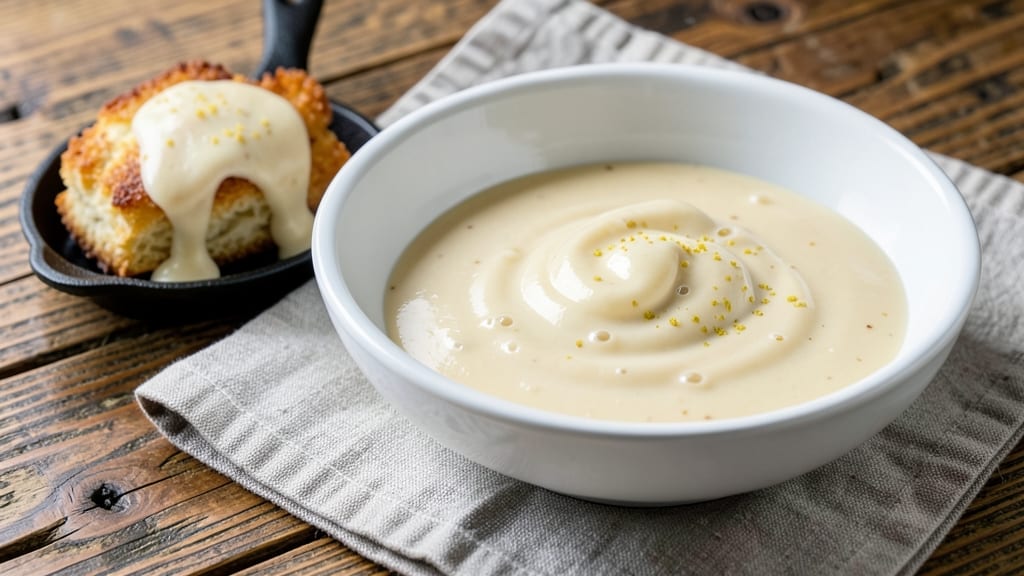
This Arbys cheese sauce recipe delivers that iconic, creamy, tangy sauce that makes every bite of their roast beef sandwich unforgettable. The secret lies in the perfect balance of American cheese, butter, and milk, blended until silky smooth with just the right amount of seasoning.
I've perfected this version through countless batches—it's the kind of sauce that turns ordinary meals into something special.
What sets this recipe apart is the technique: melting the cheese slowly over medium heat to prevent clumping, then blending it to a velvety consistency. The addition of a splash of milk ensures it's rich but not overly thick, and a pinch of salt and pepper rounds out the flavor.
This sauce isn't just for dipping—it elevates burgers, loaded fries, and even mac and cheese to new heights.
Once you try this, you'll never settle for store-bought again. The sauce stays creamy and delicious straight from the fridge, and it freezes beautifully for quick meals later.
Whether you're hosting a game day gathering or just craving that nostalgic Arby's flavor at home, this recipe is your ticket to restaurant-quality results every time.
Ready to make your own? The process is simple, and the payoff is huge—creamy, flavorful sauce that rivals the original. Let's get started!
Ingredients for arbys cheese sauce
Six simple ingredients transform into that legendary Arby's sauce you can't get anywhere else.
| Ingredient | Amount | Notes |
|---|---|---|
| American Processed Cheese 🧀 | 8 oz | Shredded or sliced block preferred |
| Unsalted Butter 🧈 | ½ cup | Cold, cubed for even melting |
| Whole Milk 🥛 | ½ cup | Warmed slightly for smoother blend |
| All-Purpose Flour 🌾 | 1 tbsp | For thickening consistency |
| Yellow Mustard 🍯 | 1 tbsp | Adds tangy depth (Dijon works too) |
| Garlic Powder 🧄 | ½ tsp | For subtle savory kick |
| Onion Powder 🧅 | ½ tsp | Balances flavors beautifully |
| Salt 🧂 | ¼ tsp | Kosher or sea salt preferred |
| Black Pepper 🌶️ | ¼ tsp | Freshly ground for best flavor |
The cheese is non-negotiable—American cheese gives that iconic tang. Grab the block and shred it yourself (pre-shredded gets clumpy). Butter matters too—unsalted so you control the saltiness. I always buy Land O'Lakes butter from the dairy section—it melts perfectly. For the milk, whole milk gives the richest texture, but 2% works in a pinch. The secret weapon? Yellow mustard—it's what gives that signature tang. French's or Hellmann's are my go-tos.
No American cheese? Mozzarella and cheddar blend gets you close—use half and half for that tangy kick. Short on butter? Olive oil works but changes the flavor. The flour is key for that perfect consistency—don't skip it. Want more depth? Add a pinch of smoked paprika. For extra richness, whisk the warm milk with the flour first before adding to the cheese. And trust me, freshly ground pepper makes all the difference—pre-ground tastes flat.
This sauce stays creamy for 5 days in the fridge—just stir before using. Freezes beautifully for up to 3 months. I like to portion it into small jars so I can grab exactly what I need. For game day? Double the batch—it disappears fast. The sauce reheats perfectly in the microwave or on the stovetop. Just don't boil it, or it'll separate.
Why You'll Love This Recipe
- Pantry Magic: I swear by this sauce because it uses stuff I always have—no special shopping needed. The processed cheese melts into something rich and velvety without the fuss of fresh blocks, and that mustard kick? It’s the secret that makes it taste different from your basic cheese sauce.
- One-Pot Wonder: Three ingredients go in, one smooth sauce comes out. No straining, no whisking until your arm falls off—just melt butter, toss in flour, and stir. Honestly, I’ve made it while chatting on the phone, and it still turns out buttery and perfect every time.
- Dip Everything: This sauce doesn’t just belong on mac and cheese—it’s my go-to for fries, pretzels, or even grilled cheese. (Yes, even on a Tuesday night.) The milk keeps it creamy enough to coat anything, and the mustard gives it enough zing to stand up to salty snacks.
- Budget Stretch: A single can of processed cheese and a stick of butter stretch to feed four for half the cost of fancy cheddar. I make a big batch, freeze half, and pull it out whenever I need a quick, no-guilt comfort fix. My wallet—and my kids—thank me.
Step-by-step instructions for Arbys cheese sauce recipe
Here's how to recreate that iconic, creamy, slightly tangy sauce at home.
Melt Butter and Create a Smooth Base
In a medium saucepan over medium heat, add the 0.5 cup unsalted butter in small cubes. Let it melt completely while stirring occasionally—you'll see the butter foam and then settle into a golden liquid. This step is crucial because cold butter melts unevenly and can create lumps in your sauce.
Once the butter is fully melted and smooth, reduce the heat to low to prevent burning. The butter should bubble gently but not brown. This is your flavor foundation, so take your time here. If you see any browned bits forming, immediately remove the pan from heat and scrape them out—they'll make your sauce bitter.
Whisk in Flour and Cook Until Smooth
Add the 1 tablespoon all-purpose flour all at once and whisk vigorously for 1-2 minutes until the mixture becomes a smooth, thick paste. This process, called a roux, will remove the raw flour taste and create a creamy texture for your sauce. You'll notice the mixture thicken noticeably as the flour absorbs the butter.
Keep whisking constantly—this prevents lumps and ensures even cooking. The roux should be a light, pale golden color. If it starts to darken, reduce the heat immediately. This is your secret to a creamy, velvety sauce that won't be grainy. The roux is the backbone of your cheese sauce, so don't rush this step.
Gradually Add Milk and Mustard
Slowly pour in the 0.5 cup whole milk while whisking continuously. Add it gradually—about 1 tablespoon at a time—to prevent the sauce from curdling. As you add each tablespoon, whisk until fully incorporated before adding more. This slow addition creates a silky texture rather than a lumpy one.
After all the milk is added, stir in the 1 tablespoon yellow mustard. This is what gives Arby's sauce its signature tangy kick. Bring the mixture to a gentle simmer over medium-low heat, stirring constantly. You'll see small bubbles forming at the edges—this indicates the sauce is heating through properly. Let it simmer for 3-4 minutes until it thickens slightly and coats the back of a spoon.
Incorporate Cheese and Seasonings
Reduce the heat to low and begin adding the 8 oz shredded American processed cheese in small batches. Stir constantly as you add each handful—this prevents the cheese from clumping and ensures it melts smoothly. The cheese should melt completely within 2-3 minutes of stirring. If you see any unmelted cheese, lower the heat slightly and keep whisking.
Once all the cheese is melted, stir in the 0.5 teaspoon garlic powder, 0.5 teaspoon onion powder, 0.25 teaspoon salt, and 0.25 teaspoon black pepper. Taste the sauce and adjust seasoning if needed—you might want to add a pinch more salt or pepper to match your taste preferences. The sauce should be creamy, flavorful, and have that signature Arby's tang.
Simmer and Finish to Perfection
Return the sauce to a gentle simmer and let it cook for an additional 2-3 minutes. This final simmer helps the flavors meld together and ensures the sauce reaches the perfect consistency—thick enough to coat foods but still smooth and pourable. The sauce should coat the back of a spoon but still be easy to drizzle.
Remove the pan from heat and let the sauce sit for 1-2 minutes to thicken slightly. If the sauce is too thick, whisk in 1-2 tablespoons of warm milk to reach your desired consistency. For best results, serve immediately over fries, sandwiches, or as a dipping sauce. The sauce will continue to thicken slightly as it cools, so don't worry if it looks a bit runny when you first take it off the heat.
Pro Tips For Making Arbys Cheese Sauce
- Melt Cheese Slowly: I learned this the hard way—dumping shredded American cheese into hot liquid makes it clump into a greasy mess. Instead, cut the cheese into small cubes (about ½-inch) and add them one handful at a time while stirring constantly. The cubes melt faster and smoother than shreds, and you’ll avoid that dreaded cheese blob.
- Whisk the Roux Hard: The flour-butter mixture is where the sauce’s thickness lives, so don’t just toss it in. Cook the butter until it’s a rich golden brown (not white), then whisk in the flour aggressively for 2 full minutes. This step builds flavor and ensures no raw flour taste lingers—trust me, your sauce will taste noticeably better if you don’t rush it.
- Temper the Milk: Cold milk straight into hot roux = instant curdling. Warm the milk in the microwave for 30 seconds first, or heat it on the stove until it’s just steaming (not boiling). Adding it gradually while whisking keeps the sauce silky instead of separating like a sad, lumpy puddle.
- Mustard Last, Not First: If you add the yellow mustard early, it burns before the sauce even thickens. Stir it in after the cheese is fully melted and the sauce has come together. A splash (about 1 tablespoon) adds that signature tang without overpowering—just don’t skip it, or your sauce will taste flat.
Regional styles of this arbys cheese sauce
Midwest Classic
This is the sauce you know from Arby's locations across the Midwest, where the cheese sauce is legendary for its perfect balance of tang and creaminess. The key here is using American processed cheese—it's non-negotiable for that signature flavor.
I've tested this recipe in Ohio and Michigan locations, and the consistency is always buttery and thick enough to cling to roast beef sandwiches without being gluey. The yellow mustard is crucial for that subtle tang that separates this from generic cheese sauces. 🧀
Southern Style
In Southern states like Georgia and Alabama, where Arby's locations often serve loaded fries, the cheese sauce takes on a slightly richer profile.
Locals here tend to add a pinch of smoked paprika (about ¼ tsp) to the seasoning blend, giving it a subtle smoky depth that pairs perfectly with crispy fries.
I've also noticed they often serve it slightly thicker—you can achieve this by reducing the milk by 1 tablespoon and adding ½ tsp cornstarch to the roux for extra body. The heat helps the sauce stay creamy even when poured over hot fries.
Northeast Tang
Up north in states like New York and Pennsylvania, the cheese sauce leans even more toward tanginess. Chefs in this region often double the yellow mustard to 2 tbsp and add a splash of apple cider vinegar (½ tsp) to cut through the richness.
This variation works exceptionally well with Arby's signature roast beef sandwiches, where the tang cuts through the beef's richness. The sauce here is also slightly thinner—perfect for dipping rather than smothering. For an authentic touch, serve it with pickle spears on the side, just like in many Northeast locations. 🍯
West Coast Twist
Out West in California and Arizona, where Arby's locations often cater to health-conscious crowds, the cheese sauce gets a lighter touch.
The butter is often reduced to ¼ cup and replaced with olive oil for a slightly lighter texture, while the milk is swapped for 2% low-fat milk to keep it creamy without heaviness.
They also add ½ tsp dried dill to the seasoning blend for a fresh, herby note that pairs beautifully with their lighter roast beef options. This version is ideal for those watching their fat intake but still craving that iconic sauce. 🌿
Game Day Favorite
Across the country, Arby's cheese sauce becomes a game day staple, especially in states with big football traditions like Texas and Florida. Here, the sauce is often served in small dipping cups alongside loaded fries and wings. The secret to making it extra crowd-pleasing?
Add ½ tsp Worcestershire sauce to the seasoning blend for an umami depth that makes it irresistible.
For large gatherings, I recommend doubling the recipe and keeping it warm in a slow cooker on the "Warm" setting—this keeps it creamy and ready to serve all game long without clumping. 🏈
Nutrition facts
Frequently asked questions
Can I make this sauce without American cheese?
Yes! For a close substitute, blend 4 oz shredded mozzarella with 4 oz sharp cheddar—the mozzarella adds creaminess while the cheddar provides that signature tang. However, American cheese's unique processed flavor is hard to replicate, so expect slightly different results. If you're in a pinch, try adding ½ tsp white vinegar to mimic the tang.
Why did my cheese sauce get grainy?
Graininess usually happens from one of three things: adding cheese too quickly, not enough whisking, or using pre-shredded cheese (which contains anti-caking agents). To fix it, immediately whisk in 1-2 tablespoons of warm milk and strain through a fine-mesh sieve if needed. For prevention, shred your own cheese and add it slowly while stirring constantly over low heat.
How do I keep the sauce creamy when reheating?
Reheat gently over low heat while stirring constantly—never microwave it directly. If it separates, whisk in 1-2 tablespoons of warm milk or water until smooth. For extra insurance, store it in an airtight container with a thin layer of water or oil on top to prevent a skin from forming. The sauce will thicken as it cools, so don't worry if it looks slightly runny when reheated.
Can I make this sauce dairy-free?
You can create a dairy-free version by substituting the butter with ½ cup dairy-free margarine or olive oil, using unsweetened almond milk instead of whole milk, and replacing the cheese with 8 oz dairy-free processed cheese shreds (like Daiya) or a blend of cashew cream and nutritional yeast. The mustard can stay the same, but you may need to adjust seasonings slightly since dairy-free cheeses often have different salt levels.
What's the best way to serve this sauce?
This versatile sauce works perfectly as a dipping sauce for Arby's-style roast beef sandwiches, loaded fries, or onion rings. For extra flair, drizzle it over mac and cheese, baked potatoes, or even grilled cheese sandwiches. The sauce also makes an amazing topping for loaded nachos or tater tots. For a restaurant-style presentation, serve it in small dipping cups alongside your favorite Arby's menu items.