
Side Dishes
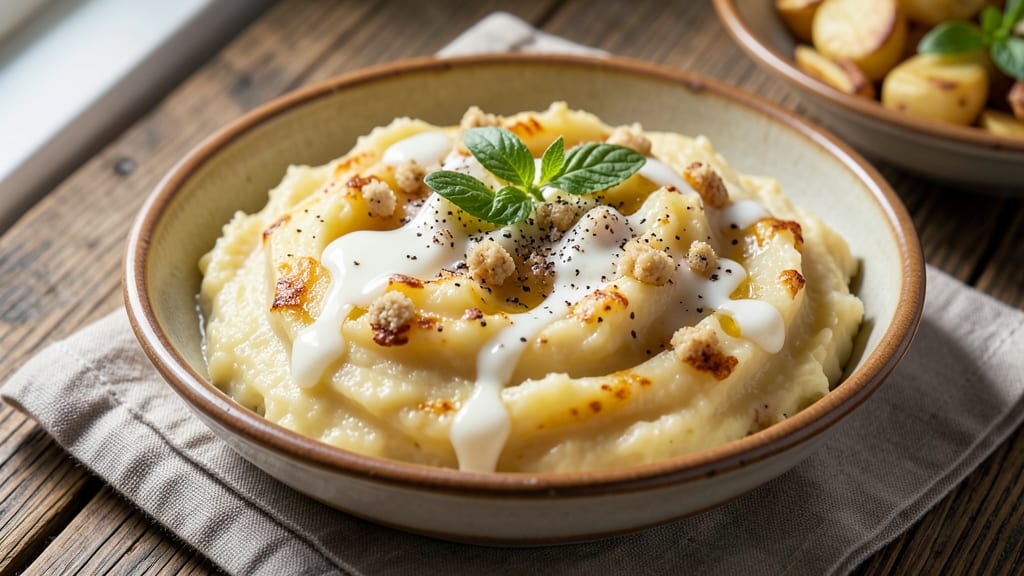
This Asiago cheese mashed potatoes recipe transforms a classic side into a luxurious, ultra-creamy dish with nutty depth that pairs perfectly with steak or roasted vegetables. The secret lies in using freshly boiled Yukon Gold potatoes and aged Asiago cheese, which melts into a velvety texture without clumping.
I’ve refined this recipe over years—no lumps, no gummy potatoes, just perfect, restaurant-worthy results every time.
What sets these potatoes apart is the balance of rich Asiago (for that signature sharpness) and butter (for creaminess), all blended until silky smooth. The process is straightforward: boil, drain, mash, and fold in the cheese until the mixture is light yet indulgent.
No need for heavy cream or milk—this recipe relies on the potatoes’ natural starch and the cheese’s fat content for that velvety finish.
By the time you’re done, you’ll have a side dish that’s creamy, flavorful, and impossible to resist. The Asiago’s nutty undertones elevate simple mashed potatoes into something special, making them the star of any meal. Serve warm alongside your favorite proteins or even as a hearty vegetarian main.
Ready in about 30 minutes, this recipe delivers restaurant-quality results with minimal effort. The key is patience—letting the potatoes cool slightly before mashing ensures a smooth, lump-free texture. Garnish with a sprinkle of black pepper or fresh herbs for a final touch of elegance.
Ingredients for asiago cheese mashed potatoes
Freshly boiled Yukon Golds plus aged Asiago—this is the combo that makes these potatoes restaurant-worthy.
| Ingredient | Amount | Notes |
|---|---|---|
| Yukon Gold Potatoes 🥔 | 2 ½ lb | Peeled, cut into even chunks |
| Unsalted Butter 🧈 | ½ cup | Cold, cut into small cubes |
| Aged Asiago Cheese 🧀 | 1 ½ cups | Freshly grated, nutty flavor |
| Whole Milk 🥛 | ¼ cup | Warm for best blending |
| Salt 🧂 | 1 ½ tsp | Kosher or sea salt preferred |
| Black Pepper 🌶️ | ½ tsp | Freshly ground for best flavor |
| Fresh Parsley 🌿 | 2 tbsp | Chopped, for garnish (optional) |
| Garlic Cloves 🧄 | 1 clove | Minced, for optional flavor boost |
The potatoes are non-negotiable here. Yukon Golds have that perfect waxy texture that breaks down beautifully, but don't stress if you've got Russets—just boil them a few minutes longer. As for the Asiago, aged is key—it's what gives that signature nutty depth. I grab mine from Whole Foods or Trader Joe's because their selection is consistently good. Freshly grated makes all the difference—pre-shredded gets clumpy. The butter? Cold is critical—cut it into small cubes so it melts perfectly into the potatoes without turning greasy. And trust me, the whole milk is worth it—it adds just enough creaminess without making the potatoes heavy.
No Asiago? Parmesan or Gruyère work in a pinch, but you'll lose that nutty depth. Short on butter? Olive oil at half the amount keeps things creamy. The milk can be swapped for half-and-half or heavy cream if you're feeling extra indulgent. And if you're feeling fancy, add that minced garlic to the butter while melting—it adds a whole new layer of flavor. The parsley is totally optional, but it gives that fresh pop of color that makes the dish look even more impressive. Garnish with a sprinkle of black pepper right before serving for that final restaurant touch.
These potatoes reheat beautifully—just warm them gently in the microwave with a splash of milk. Keeps 3-4 days in the fridge, though honestly they taste best fresh. For leftovers, store in an airtight container with a lid pressed tight to keep them from drying out. Double the recipe if you're feeding a crowd—it's that good. And if you're prepping ahead, boil the potatoes in advance, then refrigerate them in cold water until ready to mash. That way, you're not stuck mashing cold potatoes later.
Why You'll Love This Recipe
- Five-Ingredient Magic: I swear, this is the closest I’ve gotten to a restaurant-quality side with zero fuss. Just potatoes, butter, aged Asiago, milk, and salt—no peeling mountains or fancy gadgets. The Asiago melts into that perfect, stretchy texture, and honestly? It feels like cheating.
- Umami Bomb: That aged Asiago isn’t just cheese—it’s a flavor explosion. The nutty depth cuts through rich meats or stands alone with a crisp salad. I’ll be real: I’ve made these for Thanksgiving, but they’re just as happy on a Tuesday night with grilled chicken.
- Leftovers That Don’t Suck: Unlike most mashed potatoes, these actually taste better the next day. The Asiago keeps them creamy without turning gluey, and I’ve reheated them in the microwave, oven, or even straight from the fridge. My kids beg for them—rare praise.
- Weeknight Workhorse: Boil while you prep the rest of dinner. Mash while the sauce simmers. Serve when the steak hits the plate. It’s the kind of side that disappears before the main course even gets seconds. And yes, even on a Tuesday night.
Step-by-step instructions for ultra creamy Asiago mashed potatoes
Here's how to make restaurant-quality mashed potatoes with that perfect balance of creaminess and nutty depth.
🍳 Step 1: Boil the Potatoes Until Fork-Tender
Place the 2.5 lb Yukon Gold Potatoes in a large pot and cover with cold water by about 2 inches. Add 1 tsp of the salt and bring to a boil over high heat. Once boiling, reduce heat to medium-high and cook for 15-20 minutes until a knife slides in easily.
I like to keep the potatoes whole until they're fully cooked—this prevents them from breaking apart during mashing. Drain them thoroughly in a colander, then return to the pot and let them steam dry for 1 minute with the heat off. This step is crucial for preventing a watery mash.
👨🍳 Step 2: Mash the Potatoes Until Smooth
Using a potato masher or ricer, break up the hot potatoes in the pot. I prefer a ricer because it creates a smoother texture, but a masher works too. Press down firmly to break them into small chunks, leaving some texture at this stage—we'll smooth it out later.
Don't worry if it looks lumpy right now. The key is to work quickly while the potatoes are still hot, as they'll cool rapidly. If the potatoes seem too dry, add 1 tablespoon of the warm whole milk to help with blending, but don't overdo it.
🍳 Step 3: Add Butter and Cheese for Richness
Return the pot to low heat and add the 0.5 cup cold unsalted butter cut into small cubes. Let it melt completely, stirring occasionally. Then add the 1.5 cups aged Asiago Cheese and stir until fully melted and smooth. The cheese should create a thick, creamy base.
Here's where the magic happens—the Asiago adds that nutty depth while keeping the potatoes creamy. If the mixture seems too thick, add the remaining 0.25 cup warm whole milk 1 tablespoon at a time until you reach your desired consistency. But don't add too much, or you'll dilute the flavor.
🥘 Step 4: Season and Finish with Fresh Flavor
Add the remaining 0.5 tsp salt and 0.5 tsp black pepper, then stir in the minced garlic clove (if using) for an extra layer of flavor. For the final touch, fold in the 2 tbsp chopped fresh parsley—this brightens up the rich cheese and butter.
Taste and adjust seasoning if needed. The potatoes should be creamy, flavorful, and perfectly seasoned. For the best texture, transfer to a serving bowl and let them sit for 5 minutes before serving. This allows the flavors to meld together completely.
Pro Tips For Making Asiago Cheese Mashed Potatoes
- USE COLD POTATOES: Drain and spread the cooked Yukon Golds on a tray to cool for 10 minutes before mashing—this prevents gummy texture and makes the Asiago melt smoothly instead of turning pasty.
- GRATE THE ASIAGO: Skip the shavings—freshly grate the aged Asiago (medium holes) so it distributes evenly and dissolves into creamy ribbons, not clumpy chunks. (Yes, even if it looks like overkill.)
- DON’T SKIP THE DRYING: After boiling, shake the potatoes in a clean towel for 30 seconds to remove surface moisture—this keeps the mash light and prevents a gluey consistency when you add milk.
- SALT THE WATER: Toss the potatoes in the pot with 1 tablespoon salt before adding water—it seasons the flesh evenly and cuts down on the extra salt needed later when mixing in the butter.
Pro cooking tips for this recipe
Potato Prep Secrets
Start with Yukon Gold potatoes cut into even chunks (about 1.5-inch cubes) for consistent cooking. I swear by this size—they cook through perfectly without turning mushy. Use a sharp chef's knife and cut them on the larger side to prevent overcooking.
Peel them first for a cleaner finish, but leave the skin on if you prefer rustic texture. 🥔
Boil in salted water (about 1 tsp salt per gallon) to enhance flavor. The water should cover the potatoes by 2 inches—this ensures even cooking. I like to add a bay leaf for subtle aroma, but it’s optional.
Once boiling, reduce to medium-high heat and cook until fork-tender (15-20 minutes). Test with a knife—it should slide in easily with no resistance.
Mashing Like a Pro
Avoid over-mashing! Use a potato ricer for the smoothest texture, or a wooden masher if you prefer some rustic texture. I find ricers create a silky finish, while mashers add slight body.
Work in batches if needed—don’t crowd the pot, or you’ll end up with gluey potatoes. Let them cool for 2-3 minutes after draining to prevent sticking.
If your mash looks dry, add warm whole milk (1 tbsp at a time) until creamy. Cold milk will shock the potatoes and make them gummy. The goal is light, airy texture—not heavy or pasty.
Pro tip: Press the back of a spoon against the potatoes to check consistency. It should hold shape but still be smooth. 💫
Cheese Melting Magic
Use aged Asiago cheese (at least 6 months aged) for maximum nutty depth. Freshly grate it yourself—pre-shredded cheese contains anti-caking agents that make mashed potatoes grainy.
Add the cheese gradually while stirring over low heat to prevent clumping. If it starts to separate, whisk in 1 tbsp warm milk to emulsify.
The butter should melt slowly into the potatoes—never rush this step. Cold butter cubes melt evenly, while warm butter can turn the mash greasy. Stir constantly until the cheese is fully incorporated and the mixture is velvety.
For extra richness, fold in a pinch of nutmeg (about ¼ tsp)—it pairs beautifully with Asiago. 🧀
Seasoning Balance
Salt in layers: Add ½ tsp kosher salt while boiling, then adjust the remaining 1 tsp at the end. Taste before serving—Asiago is salty, so you might not need extra.
Freshly ground black pepper adds brightness, but don’t overdo it. For a garlicky kick, sauté 1 minced clove in the butter before adding it to the potatoes.
Finish with fresh parsley (about 2 tbsp chopped) for color and freshness. Garnish with a drizzle of truffle oil or extra black pepper for a restaurant-worthy touch. Serve immediately—these potatoes are best fresh, but reheat gently with a splash of milk if needed. ✨
Nutrition facts
Frequently asked questions
Why does this recipe use Asiago instead of Parmesan or cheddar?
Aged Asiago brings a perfect balance of nutty depth and sharpness that complements the creamy texture. Unlike Parmesan (which can be overly salty) or cheddar (too mild), Asiago melts smoothly while adding complex flavor that stands up to rich dishes like steak or roasted meats.
Can I make these potatoes ahead of time?
Prepare them up to 2 days ahead and store in an airtight container. Reheat gently in the microwave with a splash of warm milk to restore creaminess. For best texture, add a pinch of salt and pepper after reheating to refresh the seasoning.
What if my mashed potatoes turn out too thick or too thin?
For thick potatoes, stir in 1 tbsp warm milk at a time until creamy. If too thin, warm over low heat and mash vigorously to drive out excess liquid. The key is consistency—aim for a texture that holds shape when pressed with a spoon but still feels light.
Are there vegetarian-friendly substitutions?
Yes! Replace the butter with olive oil or vegan butter and use nutritional yeast (¼ cup) for a cheesy flavor without dairy. The whole milk can be swapped for unsweetened almond milk for a lighter option. All other steps remain the same.
How do I prevent lumps in my mashed potatoes?
Use a potato ricer or food mill for the smoothest texture. If mashing by hand, work in batches and press vigorously to break up all lumps. Avoid overmixing after adding cheese—just fold gently until fully combined. The secret is patience: let hot potatoes cool slightly before mashing.