
Appetizers
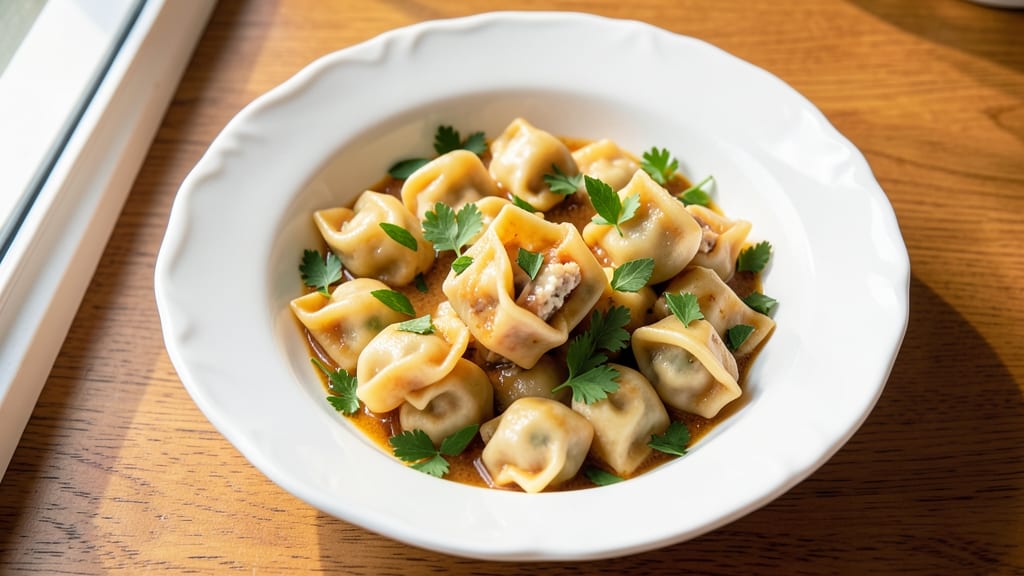
This Asiago cheese tortellini recipe delivers restaurant-quality pasta with pillowy pockets stuffed with creamy, nutty Asiago and a delicate egg wash seal. The key lies in balancing rich cheese with fresh herbs and a light pan sauce—transforming simple ingredients into an elegant appetizer that feels indulgent yet refined.
For those short on time, store-bought tortellini works beautifully, but homemade versions elevate the dish to gourmet status with just a few extra steps.
The magic happens in the filling: aged Asiago cheese provides that signature sharp, nutty depth while keeping the tortellini tender, never dry. A quick sear in butter and sage adds aromatic complexity without overpowering the delicate pasta.
This recipe serves as both a crowd-pleasing starter and a satisfying vegetarian main—perfect for dinner parties or weeknight meals when you crave something special without the fuss.
What sets this dish apart is the melty cheese rivers that form when baked or pan-seared, creating visual drama alongside the creamy filling. Pair with a simple arugula salad dressed in lemon vinaigrette to cut through the richness, or serve alongside roasted asparagus for a complete, balanced plate.
The technique is straightforward, but the results feel like a chef's secret.
Whether you're making these from scratch or using high-quality store-bought tortellini, the focus remains on technique and balance—ensuring each bite delivers that perfect harmony of texture and flavor.
The recipe scales effortlessly, making it ideal for gatherings or meal prep. Let's get started on creating tortellini that taste like they belong on an Italian trattoria menu.
Ingredients for asiago cheese tortellini
Pillowy pasta pockets stuffed with aged Asiago and aromatic herbs—elegant yet approachable for any occasion.
| Ingredient | Amount | Notes |
|---|---|---|
| Asiago Cheese (Aged) 🧀 | 1 ½ cups | Finely grated, 1-year aged preferred |
| Large Eggs 🥚 | 4 whole | Room temperature for best binding |
| All-Purpose Flour 🌾 | 1 ½ cups | Sifted for light texture |
| Unsalted Butter 🧈 | ½ cup | Cold, cubed for filling |
| Fresh Sage Leaves 🌿 | ¼ cup | Chopped finely for filling |
| Fresh Parsley Leaves 🌿 | 0.2 cup | Chopped, for filling |
| Salt 🧂 | 1 tsp | Diamond Crystal preferred |
| Freshly Ground Black Pepper 🌶️ | ½ tsp | Cracked peppercorns preferred |
| Nutritional Yeast 🍄 | 2 tbsp | For umami depth in filling |
| Store-Bought Tortellini (Optional) 🍝 | 16 pieces | Cheese-filled, 12-14g each |
| Extra-Virgin Olive Oil 🫒 | ¼ cup | For searing tortellini |
| Fresh Sage Leaves 🌿 | 0.1 cup | Whole leaves for garnish |
| Lemon Zest 🍋 | 1 tsp | For bright finishing touch |
The aged Asiago cheese is non-negotiable here—1-year aged or older delivers that signature nutty sharpness without bitterness. Whole Foods or specialty Italian markets carry the best, but Trader Joe's has a solid budget option. For the filling, finely grate the cheese yourself—pre-shredded contains anti-caking agents that make the tortellini dry. The fresh herbs (sage and parsley) should be vibrant green with no wilting; Costco's bulk section offers the freshest at a fraction of grocery store prices. If making from scratch, use 00 flour for the pasta dough—its low protein content yields tender, pillowy pockets.
No aged Asiago? Parmigiano-Reggiano works in a pinch, but the flavor profile shifts slightly. Short on fresh herbs? Dried sage at one-third the amount preserves the earthy notes, though texture suffers. For store-bought tortellini, look for cheese-filled varieties with minimal additives—De Cecco or Barilla are reliable brands. The nutritional yeast adds that savory depth; Bob's Red Mill makes an excellent organic version. Substituting butter with olive oil in the filling reduces richness, but the texture remains intact if you increase the flour slightly to compensate.
Fresh tortellini should be used within 2 days of making; store them in an airtight container between layers of parchment paper. Freeze unbaked tortellini for up to 3 months by arranging them on a tray, freezing solid, then transferring to a bag. The seared tortellini reheat beautifully—4-5 minutes in a skillet with fresh olive oil restores their crisp edges. Garnish with lemon zest and fresh sage just before serving to maintain vibrant colors; the zest can be stored in the freezer for up to 6 months in an airtight container.
Why You'll Love This Recipe
- No-Fuss Dough: I swear, the dough comes together in five minutes—just flour, eggs, and that aged Asiago. No rolling, no fuss, just knead, rest, and roll. (Yes, even if you’re bad at rolling dough.)
- Cheese Love Bomb: That aged Asiago? It’s the star—nutty, sharp, and melty all at once. The moment it browns in butter with sage, I’m already planning my next bite. (Pro tip: Don’t skip the browned butter.)
- Weeknight & Weekend: Throw it together for a quick weeknight dinner or dress it up with prosciutto and a crisp white wine for a fancy-ish date night. Same dough, two vibes—zero extra work.
- Budget Stretch: Aged Asiago might sound fancy, but it goes a long way. One batch of dough feeds four, and leftovers reheat like a dream. Honestly, I’ve had these cold the next day with a sprinkle of Parm—still delicious.
Step-by-step instructions for Asiago cheese tortellini
Here's the precise method for creating pillowy, melt-in-your-mouth tortellini with rivers of aged Asiago.
Prepare the Filling with Perfect Texture
In a medium bowl, combine the 1.5 cups finely grated Asiago cheese (aged) with the 0.5 cup cold, cubed unsalted butter. Use your fingers to work the butter into the cheese until it forms a smooth, crumbly mixture with just a hint of oil sheen on the surface. This creates the ideal fat-to-cheese ratio for that signature creamy yet firm filling.
Add the 0.25 cup finely chopped fresh sage leaves, 0.2 cup finely chopped fresh parsley leaves, 1 tsp salt, 0.5 tsp freshly ground black pepper, and 2 tbsp nutritional yeast. Mix gently with a silicone spatula until all ingredients are evenly distributed. The nutritional yeast adds that essential umami depth that elevates this beyond basic cheese filling. Let the mixture sit at room temperature for 10 minutes to allow the flavors to meld slightly.
Create the Pillowy Dough Structure
In a separate large bowl, whisk together the 4 whole large eggs until they're completely combined. Gradually add the 1.5 cups sifted all-purpose flour, whisking continuously until a rough dough forms. The dough should be soft and slightly tacky—if it feels too dry, add 1-2 teaspoons of water to help it come together.
Turn the dough onto a lightly floured surface and knead gently for 3-4 minutes until smooth and elastic. The goal is to develop just enough gluten to create structure without making the tortellini tough. Shape the dough into a disk, wrap it in plastic wrap, and let it rest for 30 minutes at room temperature. This resting period allows the gluten to relax, making it easier to roll out thin sheets later.
Roll and Assemble the Tortellini
Using a pasta machine set to the widest setting, roll out the rested dough sheet. Fold it in half like a letter, then fold it in half again to create a compact rectangle. This technique creates four layers of dough when you cut, ensuring maximum chewiness. Sprinkle the folded dough lightly with flour to prevent sticking as you work.
Cut the dough into 1-inch squares using a sharp knife or pizza cutter. Place ½ teaspoon of the cheese filling in the center of each square. Using your index finger, gently press the edges of the dough together to form a half-moon shape, then seal completely by pinching the edges tightly. The seal should be airtight to prevent filling leakage during cooking. Repeat with all squares, working quickly to maintain the dough's elasticity.
Cook the Tortellini to Al Dente Perfection
Bring a large pot of water to a rolling boil, salted generously (it should taste like the sea). Add the tortellini in batches to avoid overcrowding, stirring gently to prevent sticking. Cook for 3-4 minutes until they float to the surface and are al dente—when you bite into one, it should have a slight resistance but still be tender.
Using a slotted spoon, transfer the cooked tortellini to a large bowl. Reserve 1 cup of pasta water before draining completely—this starchy liquid is essential for creating a silky sauce. If using the 16 pieces store-bought tortellini (optional), cook them separately according to package instructions and set aside.
Finish with Sage and Lemon Zest
In a large skillet, heat the 0.25 cup extra-virgin olive oil over medium heat. Add the cooked homemade tortellini (and store-bought if using) along with the 0.1 cup whole fresh sage leaves. Toss gently for 1-2 minutes until the sage leaves are fragrant and just beginning to crisp at the edges.
Remove from heat and stir in the 1 tsp lemon zest, tossing until it's evenly distributed throughout the tortellini. The acidity of the lemon zest brightens the rich, cheesy filling while adding a sophisticated finish. Serve immediately, garnished with additional lemon zest if desired. The tortellini should be pillowy with rivers of melted Asiago cheese oozing from each bite, perfectly balanced by the herbal sage and citrus notes.
Pro Tips For Making Asiago Cheese Tortellini
- Age the Asiago First: Grate that aged Asiago yourself—store-bought pre-shredded cheese has anti-caking agents that make your filling gummy. Let the cheese sit at room temperature for 20 minutes before mixing; cold cheese won’t melt evenly into the dough.
- Chill the Dough: Wrap the filled tortellini dough in plastic and refrigerate for at least 30 minutes before cooking. I learned this the hard way—skipping the chill makes the pasta stick together like glue when boiled.
- Boil with Salt and Oil: Use 1 tablespoon oil and 2 teaspoons salt per 4 quarts of water—this prevents the tortellini from sticking and ensures the butter-sage sauce clings properly later. (Yes, even if you’re impatient like me.)
- Brown the Butter Slow: Melt the butter over medium-low heat until it turns golden, then add the sage—high heat burns the butter before the leaves crisp. Remove the pan just as the butter smells nutty, not smoky.
Regional styles of asiago cheese tortellini
Northern Italian Tradition
This recipe traces its roots to Northern Italy's Emilia-Romagna region, where tortellini originated as a Christmas Eve dish symbolizing the Virgin Mary's navel.
The original version used prosciutto and mortadella, but vegetarian adaptations like this Asiago version became popular in Bergamo and Brescia—areas known for their dairy production. I first encountered this style in Brescia, where aged Asiago was traditionally paired with saffron-infused broths rather than butter.
The pillowy texture comes from a technique called "tortellino a mano"—hand-formed pasta that creates those signature half-moon shapes. In Mantua, these are often served with sage butter (just like our recipe) or pomegranate molasses for a sweet-savory contrast.
The aged Asiago used here replaces the traditional Parmigiano-Reggiano, which is common in modern vegetarian interpretations to maintain the dish's nutty depth without animal products. 🧀
Venetian Adaptation
Venetian cooks take tortellini to baking territory, often serving them as a first course with Gorgonzola cream sauce or truffle oil. However, their Asiago versions focus on lightness—using ricotta alongside Asiago to create a lighter filling that doesn't overwhelm the delicate pasta.
In Venice, you'll find these served with seafood stocks or white wine reductions, reflecting the region's coastal influences.
For a Venetian twist on this recipe, replace ½ of the Asiago with whipped ricotta and add 1 tbsp lemon juice to the filling. The acidity balances the richness while keeping the tortellini lighter and more airy.
I've made this version for spring gatherings, and it pairs beautifully with asparagus risotto—a Venetian classic. The key is not overworking the dough, as Venetians prefer a softer, more tender texture. 🌿
Lombardy's Butter Focus
Lombardy, home to Milan, elevates tortellini with butter as the star. Their Asiago versions often include crispy pancetta bits (for non-vegetarians), but vegetarians substitute with toasted pine nuts or sun-dried tomatoes.
The region's creamy sauces—like saffron butter or mascarpone cream—are essential, reflecting Lombardy's dairy-rich traditions.
To achieve the Lombard style, sear your tortellini in browned butter (instead of olive oil) and finish with 1 tbsp mascarpone mixed into the cheese filling. The butter adds a nutty depth that complements Asiago beautifully.
I love serving this version with roasted radicchio—a bitter green that cuts through the richness. The textural contrast is what makes Lombard tortellini unforgettable. 🔥
Modern American Twist
American home cooks often simplify traditional tortellini by using store-bought shells (like our optional step) but elevate the filling with unexpected ingredients. In California, you'll find Asiago tortellini topped with avocado crema or chimichurri, while New York chefs prefer truffle-infused olive oil and crispy shallots.
The key American adaptation? Bold garnishes—think microgreens, edible flowers, or smoked sea salt to add visual drama.
For a modern American plate, serve these tortellini with a white wine and herb sauce (reduce ½ cup dry white wine with 1 tbsp fresh thyme and 1 clove garlic) and garnish with toasted breadcrumbs for texture.
I also love adding crispy prosciutto (for non-veg) or smoked almonds to contrast the creamy filling. The balance of textures is what makes this dish feel fresh and exciting. ✨
Nutrition facts
Frequently asked questions
Can I make this recipe without fresh herbs?
Yes, but the flavor will be less vibrant. Use 1 tbsp dried sage and 1 tbsp dried parsley (one-third the amount of fresh) as substitutes. For extra depth, add ½ tsp onion powder to mimic the aromatic complexity of fresh herbs. The nutritional yeast already provides umami, so the dish will still taste rich and satisfying.
How do I prevent the tortellini from leaking filling?
Seal them properly by pinching the edges tightly with your fingers. For extra security, use a tiny dab of water on the dough edges before sealing—this creates a stronger bond. Avoid overfilling (stick to ½ tsp cheese per piece), and don't overwork the dough, which can make it brittle and prone to cracking.
Can I bake these tortellini instead of pan-searing?
Arrange cooked tortellini on a baking sheet, drizzle with 2 tbsp olive oil, and sprinkle with ½ cup grated Asiago and ¼ cup breadcrumbs. Bake at 400°F for 10-12 minutes until golden and bubbly. This method creates a crispy exterior while keeping the filling gooey—perfect for a make-ahead appetizer!
What's the best way to reheat leftover tortellini?
For best results, reheat in a skillet with 1 tbsp butter or olive oil over medium heat for 3-4 minutes. Add 1 tbsp pasta water to help them steam and revive their pillowy texture. Avoid microwaving—it makes the pasta rubbery. If baking, broil for 2-3 minutes until the cheese melts and edges crisp again.
Can I use ricotta instead of Asiago for a lighter version?
Yes! Mix 1 cup ricotta with ½ cup grated Asiago for a lighter, creamier filling. Add 1 tbsp lemon juice to prevent the ricotta from becoming too heavy. The texture will be softer, but the flavor remains rich. This Venetian-inspired version pairs beautifully with arugula salad for a refreshing contrast.