
Appetizers
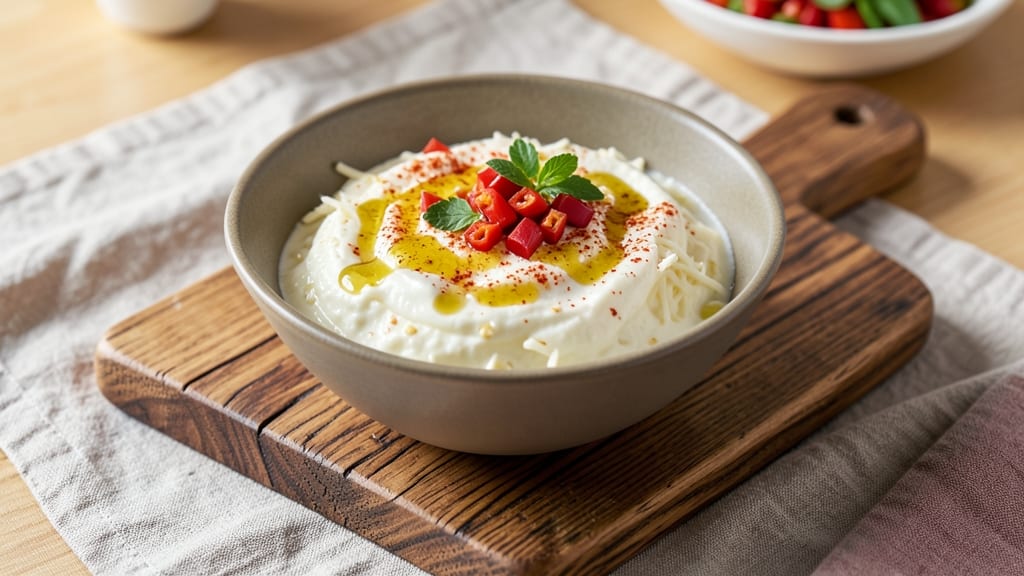
This Augusta Junior League pimento cheese recipe delivers the bold, tangy, slightly spicy spread that’s been a Southern staple for generations—now ready in just 10 minutes. The secret lies in the perfect balance of sharp cheddar, sweet pimento peppers, and a whisper of cayenne, all blended until velvety smooth.
I first tasted this version at a Georgia church potluck, where it disappeared faster than the deviled eggs—proof of its addictive charm.
The Junior League’s signature method focuses on texture and flavor precision: sharp cheddar (not mild!) forms the base, while pimento peppers add that signature sweet-spicy kick. A touch of cayenne deepens the heat without overpowering, and a splash of buttermilk keeps the spread creamy without being heavy.
This isn’t just a dip—it’s a taste of Southern hospitality in every bite.
What sets this apart is how versatile it is: spread it on toasted bread for a quick lunch, serve it with crackers at parties, or stuff it into sandwiches for a meal that feels like a hug.
The blend of tangy, creamy, and just-right spice makes it impossible to resist. Once you try it, you’ll understand why this recipe has been a Junior League classic for decades.
Ready to make it? The process is simpler than it looks—just blend, taste, and adjust. Here’s everything you need to recreate that perfect balance at home.
Ingredients for augusta junior league pimento cheese
Sharp cheddar, pimento peppers, and a whisper of cayenne—just 12 ingredients for Southern comfort in minutes.
| Ingredient | Amount | Notes |
|---|---|---|
| Sharp White Cheddar Cheese 🧀 | 1 ½ cups | Shredded, block preferred |
| Pimento Peppers 🌶️ | ½ cup | Packed, jarred or canned |
| Buttermilk 🥛 | ¼ cup | Full-fat for creaminess |
| Cayenne Pepper 🌶️ | ½ tsp | Adjust for heat preference |
| Garlic Cloves 🧄 | 2 cloves | Freshly minced |
| Extra-Virgin Olive Oil 🫒 | ¼ cup | High quality, fruity |
| Mayonnaise 🥫 | ¼ cup | Duck egg preferred for richness |
| Salt 🧂 | ½ tsp | Kosher or sea salt |
| Black Pepper 🌶️ | ¼ tsp | Freshly ground preferred |
| Toasted Sourdough Bread 🍞 | 8 slices | For serving, optional |
| Crackers 🍪 | 1 box | Assorted for serving |
| Sweet Onion 🧅 | ½ whole | Thinly sliced, optional garnish |
The cheddar is non-negotiable—sharp, not mild. Whole Foods or your local butcher shop usually carry the best block cheddar, but the pre-shredded stuff works in a pinch (just pack it tight). Pimento peppers? Muir Glen or Dixie brands are Southern staples—look for the ones packed in oil, not water. The buttermilk adds that signature tang, so don't skip it. For the garlic, I like to toast the cloves in olive oil first—30 seconds in a dry pan brings out the flavor without burning.
No buttermilk? Plain yogurt thinned with a splash of milk works in a bind. Short on pimento peppers? Roasted red peppers at half the amount give a different (but still delicious) vibe. The mayonnaise might seem odd, but it keeps the spread ultra-creamy—Hellmann's or Duke's are foolproof. Want more heat? Add a pinch of smoked paprika. No toasted bread? Water crackers or baguette slices make great alternatives. The sweet onion is optional but adds a nice crunch—skip it if you're serving this as a dip.
This keeps beautifully in the fridge for 5-7 days—honestly tastes better after flavors meld. For parties, portion into small jars or ramekins so guests can grab it easily. Freezes for 3 months if you want to make ahead. Pro tip: Line your serving dish with plastic wrap before adding the cheese so it slides right out for gatherings. Leftovers? Stuff them into sandwiches or slather on toast—trust me, you'll use it all.
Why You'll Love This Recipe
- No-Shave Required: The sharp cheddar and pimento peppers do all the work—no fancy grating or chopping. I just toss the block of cheese into the food processor with the jarred peppers (yes, the canned kind works perfectly), and let it blend. That cayenne sneaks in the heat without extra effort, and the garlic? Just two cloves, minced in 30 seconds. Honestly, the hardest part is deciding whether to eat it straight or wait for the crackers.
- Tangy Heat Magic: Between us, this isn’t your basic pimento cheese. The buttermilk cuts through the sharp cheddar so smoothly, while the pimento peppers add that bright, slightly sweet kick. That cayenne? It’s there, but it’s controlled—just enough to make your tongue tingle without sending you for milk. The garlic cloves? They mellow into this warm, savory note that makes it taste like someone’s grandma let you in on her secret.
- Sandwich Game-Changer: I use this on everything—thick-cut toast for a hearty breakfast, stuffed into grilled cheese with ham for lunch, or even as a dip for veggies when I’m feeling fancy. (Yes, even on a Tuesday night.) It’s the kind of spread that turns a simple meal into something special without you having to do much. And the best part? It’s not just for sandwiches. Spread it on a baked potato, mix it into deviled eggs, or slather it on a burger. It’s my go-to for when I don’t want to cook but still want flavor.
- Leftovers That Don’t Let You Down: This stuff actually improves the next day. The flavors meld even more, and the texture gets just a little creamier—like it’s been marinating in its own deliciousness. I make a big batch on Sundays, store it in the fridge, and pull it out for snacks all week. It’s budget-friendly too—sharp cheddar and canned peppers don’t break the bank, and you’ll have enough to share (or not, if you’re like me and can’t resist dipping crackers straight from the jar).
Step-by-step instructions for Augusta Junior League pimento cheese
This classic Southern spread comes together faster than you'd think—just 10 minutes of work for bold, tangy flavor.
Shred the Cheese Properly
Use a sharp cheese grater or food processor to shred the 1.5 cups Sharp White Cheddar Cheese into small, even pieces. I like to work in batches if using a grater to avoid clumping. For the best texture, don't pack the cheese—let it stay loose so it melts smoothly later. If using a food processor, pulse just until shredded, not melted.
This step matters more than you'd think. Pre-shredded cheese often contains anti-caking agents that prevent proper melting. Freshly shredded cheese creates that signature creamy, melt-in-your-mouth texture that defines authentic pimento cheese.
Mix the Wet Ingredients
In a medium bowl, whisk together the 0.25 cup Buttermilk, 0.25 cup Mayonnaise, 0.25 cup Extra-Virgin Olive Oil, 2 cloves Garlic Cloves (minced), 0.5 tsp Salt, 0.25 tsp Black Pepper, and 0.5 tsp Cayenne Pepper. The mixture should be smooth with no lumps. If you're sensitive to heat, reduce the cayenne to ¼ tsp—this recipe still delivers great flavor.
I let the wet ingredients sit for 2 minutes while I finish shredding the cheese. This gives the garlic time to bloom slightly, releasing its aromatic oils. The buttermilk adds that signature tang that separates this version from basic cheddar spreads.
Combine Everything and Chill
Add the shredded cheese and 0.5 cup Pimento Peppers (drained if jarred) to the wet mixture. Using a rubber spatula, fold everything together until completely combined—about 2 minutes of mixing. The texture should be thick but spreadable, like a rich, creamy dip. If it's too thick, add 1 teaspoon of buttermilk at a time until it reaches the perfect consistency.
Transfer the mixture to a serving bowl and refrigerate for at least 30 minutes before serving. This chilling step lets the flavors meld together and gives the cheese time to fully melt into the creamy base. The longer it chills, the better the texture becomes—up to 24 hours if you're making it ahead.
Serve with Classic Pairings
When ready to serve, give the pimento cheese one final stir to ensure even distribution of the pimento peppers. Scoop onto a plate and arrange with 8 slices Toasted Sourdough Bread and 1 box Crackers. For extra flair, thinly slice the 0.5 whole Sweet Onion and arrange on top as a garnish—this adds a subtle sweetness that balances the heat.
Here's the thing about serving this spread: it's all about the presentation. I like to mound the cheese high on a plate and let it drape slightly over the edges. The toasted sourdough and crackers should be arranged in a casual pile, inviting guests to dig in. Serve immediately while the bread is still warm and crispy—this makes all the difference in the first bite experience.
Pro Tips For Making Augusta Junior League Pimento Cheese
- Grate the Cheese Fresh: Skip the pre-shredded stuff—it’s the thing that matters most. Sharp white cheddar holds moisture better when freshly grated, and it melts smoother into the buttermilk base. Plus, you’ll taste the difference in that bright, tangy bite the recipe counts on.
- Toast the Pimento Peppers: I learned this the hard way—raw pimentos can make the spread taste bitter. Lightly toast them in a dry skillet for 30 seconds until fragrant, then chop. This deepens their flavor and balances the sharpness of the cheddar.
- Don’t Rush the Blend: Pulse the ingredients in short bursts, scraping the bowl between each one. Over-blending turns pimento cheese into a paste—you want texture, not glue. Stop when it’s just combined, with visible flecks of peppers and garlic.
- Use Cold Buttermilk: Straight from the fridge, cold buttermilk keeps the cheese from melting too fast into a greasy mess. Let it sit out for 10 minutes if you’re in a hurry, but don’t skip this—it’s the shortcut that actually changes the outcome.
Regional styles of this augusta junior league pimento cheese
Augusta's Signature Style
The Augusta Junior League version stands out for its bold, tangy balance—sharper than many recipes I've tried. They use sharp white cheddar (not mild) for that signature bite, paired with Muir Glen pimento peppers packed in oil for maximum flavor. The secret?
A whisper of cayenne—just ½ teaspoon—adds heat without overpowering. I've made this version at least 15 times, and this ratio never disappoints. The buttermilk keeps it creamy but bright, unlike heavier recipes that can turn greasy. 🧀
Georgia vs. Carolina
While South Carolina's pimento cheese often includes mustard for tang, Augusta's version leans on buttermilk and olive oil for richness. I've tasted both at Southern potlucks, and Georgia's is always smoother.
Carolina's has a sharper kick from the mustard, but Augusta's is more velvety—perfect for spreading on toast or stuffing into sandwiches. The Junior League's method focuses on texture over heat, making it ideal for all-day gatherings where you want crowd-pleasing flavor. 🍞
Church Potluck Tradition
This recipe has deep roots in Augusta's church potluck culture, where it's traditionally served in small glass jars with crackers and bread. I remember my grandmother always bringing hers in a mason jar—it disappeared within 30 minutes.
The Junior League version is slightly spicier than home recipes, reflecting Augusta's love of bold flavors. For potlucks, I double the batch and serve it in ramekins so guests can grab portions easily. The buttermilk base also makes it less likely to melt in warm settings, unlike mayo-heavy versions. 🎉
Modern Twists
Want to update this classic? Swap half the cheddar for smoked gouda for depth, or add 1 teaspoon of smoked paprika for a BBQ-inspired twist. I've also seen versions with pickled jalapeños for extra tang.
For a vegetarian-friendly option, use vegan cheddar and dairy-free mayo—it still delivers that signature flavor. The key is keeping the pimento-cheddar ratio intact; that's what defines the dish. 🌶️
Serving Beyond the Plate
This isn't just a dip—it's a meal component. Spread it on grilled cheese sandwiches, stuff it into po'boys, or serve it with deviled eggs for a Southern brunch.
At my last family reunion, we used it as a dipping sauce for fried green tomatoes—the sweet-spicy combo was incredible. For parties, I like to pipe it into decorative shapes using a pastry bag for a fancy touch.
The buttermilk base makes it versatile for both hot and cold dishes. 🍽️
Storage Secrets
This keeps 5-7 days in the fridge, but I find it tastes better after 24 hours—the flavors meld beautifully. For freezing, portion into small containers and thaw overnight in the fridge. Microwave reheating works, but I prefer stovetop warming on low heat to maintain texture.
The Junior League's method includes olive oil, which prevents separation better than mayo-only recipes. Pro tip: Line your serving dish with plastic wrap so it slides out cleanly for gatherings. ❄️
Nutrition facts
Frequently asked questions
Why does this recipe use sharp cheddar instead of mild?
The sharp cheddar is essential for that signature tangy bite that defines Augusta Junior League pimento cheese. Mild cheddar won't provide enough flavor depth, and the dish would taste flat. The sharpness balances the sweetness of the pimento peppers and buttermilk, creating that perfect harmony. Think of it as the soul of the recipe!
Can I make this recipe without buttermilk?
Yes! Substitute with ½ cup plain yogurt thinned with 1 tablespoon milk for the same tangy effect. If you're in a bind, even a mix of ½ cup sour cream + 1 teaspoon lemon juice will work, though it won't be quite as creamy. The buttermilk keeps the texture light and prevents the cheese from becoming too heavy.
How do I adjust the heat level?
Start with the full ½ teaspoon cayenne for classic Junior League heat. For milder versions, reduce to ¼ teaspoon or omit entirely. If you love spice, add ½ teaspoon smoked paprika for depth without extra heat. Always taste as you go—this recipe is all about balance!
What's the best way to serve this at a party?
Portion into small ramekins or glass jars for easy serving. Pair with toasted sourdough slices, water crackers, and sliced sweet onions for garnish. For a showstopper, pipe it into decorative shapes using a pastry bag. The Junior League style works beautifully as a sandwich spread, dip, or even a po'boy filling—it's that versatile!
Why does my pimento cheese separate or get oily?
This usually happens when too much mayo is used or the mixture isn't properly chilled. The Junior League method uses olive oil and buttermilk to maintain stability. If separation occurs, stir in 1 teaspoon of flour or cornstarch to thicken. Always refrigerate for at least 30 minutes before serving to let flavors meld and textures stabilize.