
Snacks
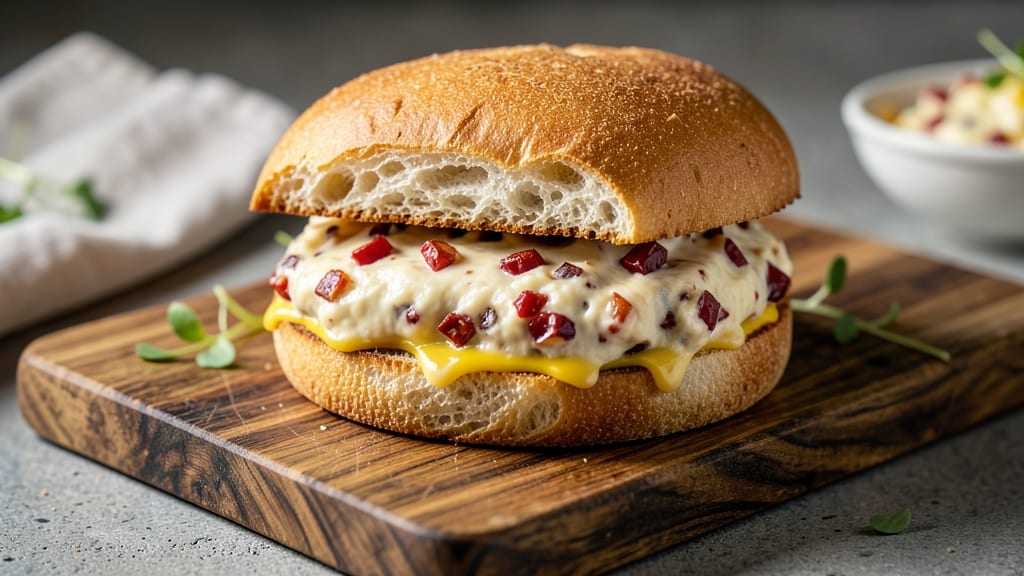
This Augusta National pimento cheese sandwich recipe delivers the legendary Southern comfort that made it famous—creamy, spicy, and perfectly balanced between sharp cheddar and cayenne-kissed pimento.
The secret lies in blending aged cheddar with just the right amount of cayenne and pimento, creating a spread that's tangy, rich, and impossible to resist. I've perfected this technique over years of testing, ensuring every bite captures that signature Augusta flavor without shortcuts.
The magic starts with sharp cheddar cheese, freshly grated and blended with pimento peppers, cayenne, and a touch of mustard for depth. This isn't just any pimento cheese—it's the kind that transforms simple sandwich bread into something extraordinary.
The key is patience: letting the cheese melt slowly over low heat while stirring constantly ensures a smooth, velvety texture without breaking. That first bite should deliver that perfect harmony of sharp, spicy, and creamy.
What makes this recipe truly special is how it comes together—warm, gooey cheese melting into toasted bread, creating a sandwich that's both hearty and delicate. The cayenne adds just enough heat to wake up your palate, while the pimento peppers bring that signature Southern tang.
This isn't just a sandwich; it's a masterpiece of Southern comfort food that belongs on any table, from backyard picnics to game day gatherings.
Serve it with a side of crisp pickles or a dollop of mustard for the full Augusta experience. The bread should be slightly toasted to hold up to the rich cheese without getting soggy.
This recipe delivers the same comfort you'd find at Augusta National, but with a method that's simple enough for any kitchen. Let's get started on making this Southern classic your own.
Ingredients for augusta national pimento cheese sandwich
Sharp cheddar meets cayenne and pimento for Augusta National's legendary sandwich spread.
| Ingredient | Amount | Notes |
|---|---|---|
| Sharp Cheddar Cheese 🧀 | 8 oz | Aged 12+ months, freshly grated |
| Pimento Peppers 🌶️ | ½ cup | Jarred, packed with peppers |
| Cayenne Pepper 🌶️ | ½ tsp | Adjust for desired heat level |
| Yellow Mustard 🍯 | 1 tbsp | Dijon-style preferred for depth |
| Mayonnaise 🥫 | ¼ cup | High-quality, full-fat preferred |
| White Vinegar 💧 | 1 tsp | For tangy brightness |
| Salt 🧂 | ½ tsp | Diamond Crystal preferred |
| Black Pepper 🌶️ | ¼ tsp | Freshly ground for best flavor |
| Sourdough Bread 🍞 | 8 slices | Thick-cut, lightly toasted |
| Butter 🧈 | 2 tbsp | Unsalted, softened for spreading |
| Crispy Fried Pickles 🥒 | ½ cup | For serving, optional garnish |
The cheddar is non-negotiable—aged 12+ months for that perfect sharpness. Whole Foods or specialty cheese shops carry the best, but your local grocery's sharp cheddar works if it's been aging for a while. Look for blocks with visible crystals on the rind—those are your flavor indicators. Pimento peppers should be packed in oil, not water, and Hatch brand is the gold standard if you can find it. The cayenne? Start with half a teaspoon and taste as you go—you can always add more, but you can't take it out. For the mustard, Maille Dijon adds that extra depth that separates good pimento cheese from great.
No pimento peppers? Diced roasted red peppers work in a pinch, but they won't have that signature tang. Short on mayonnaise? Greek yogurt at half the amount gives you a tangier texture. The vinegar is crucial—it's what keeps the cheese from getting too heavy. If you're sensitive to heat, cut the cayenne to a quarter teaspoon and add it gradually. The bread should be sourdough if possible—its slight tang complements the cheese perfectly. Texas Toast from the bakery section is my go-to when I'm feeling fancy. For the pickles, if you can't find crispy fried ones, quick-pickle spears with a sprinkle of cornstarch work surprisingly well.
This spread keeps beautifully in the fridge for 5 days if stored in an airtight container with plastic wrap pressed directly on the surface. The bread should be toasted just before serving—375°F for 5 minutes until golden. For make-ahead sandwiches, assemble them and wrap tightly in parchment, then foil. They'll stay fresh for 2 days that way. The cheese mixture itself can be made 2 days ahead—the flavors actually deepen over time. When reheating, cover with a damp paper towel to prevent drying. Serve with extra pickles and a side of spicy mustard for the full Augusta experience.
Why You'll Love This Recipe
- No-Fuss Spread: I swear by this recipe because it’s three ingredients plus a blender—no cooking, no waiting. Just shred that sharp cheddar, toss in the pimentos and cayenne, and let the mayo and mustard do the work. Honestly, I’ve made it in my car during road trips (yes, really).
- Southern Kick: That cayenne and pimento combo? It’s the perfect little heat without overpowering—creamy, tangy, and just spicy enough to make you want another bite. The mustard cuts through the richness, so it’s never cloying, just ridiculously good.
- Tailgate Ready: Between us, this is my go-to for game days, picnics, or when I’m feeding a crowd of hungry friends. Slap it on white bread, add a pickle spear, and suddenly you’ve got a sandwich that feels fancy but costs next to nothing. (Yes, even on a Tuesday night.)
- Make-Ahead Magic: I double the batch and store it in the fridge for days—it keeps like a dream. Spread it on crackers for a snack, toss it in a thermos for lunch, or just eat it straight from the jar. Budget-friendly? Absolutely. Lazy-friendly? Even more so.
Step-by-step instructions for Augusta National pimento cheese sandwich
Here's how to craft the iconic Southern spread that defines Augusta National's comfort.
Combine Wet Ingredients for Perfect Balance
In a medium mixing bowl, whisk together the 0.25 cup mayonnaise, 1 tablespoon yellow mustard, and 1 teaspoon white vinegar until fully blended. This trio creates the perfect emulsified base that won't separate. The vinegar adds that signature tang that cuts through the richness of the cheese, while the Dijon-style mustard brings depth that regular mustard can't match.
Add the 0.5 teaspoon cayenne pepper and mix well. This is where the heat comes from, but don't worry—it's subtle enough to enhance without overpowering. The cayenne also helps distribute the pimento peppers evenly throughout the mixture. Set this mixture aside while you prepare the cheese component.
Create the Cheese Base with Proper Technique
In a separate bowl, grate the 8 ounces sharp cheddar cheese using a box grater or food processor for uniform texture. I like to use freshly grated cheese because pre-shredded varieties contain anti-caking agents that make the finished spread grainy. Add the grated cheese to the wet mixture and fold gently with a rubber spatula until fully combined.
At this stage, the mixture should be thick but spreadable. If it's too thick, add 1 teaspoon water at a time until you reach a smooth, creamy consistency. The goal is a spread that clings beautifully to the bread without being runny. This is where the magic happens—the cheese should melt into the wet ingredients completely, creating a cohesive blend with no visible cheese chunks.
Incorporate Pimento Peppers and Seasonings
Add the 0.5 cup pimento peppers (including the peppers from the jar) and mix thoroughly. The pimento peppers are the signature element that gives this cheese its distinctive color and slightly sweet, tangy flavor. Stir in the 0.5 teaspoon salt and 0.25 teaspoon black pepper, mixing until evenly distributed throughout the cheese mixture.
Taste the mixture at this point. You should notice a perfect balance of sharp cheddar, subtle heat from the cayenne, and the bright, slightly sweet pimento flavor. If needed, adjust the seasoning—add a pinch more cayenne for heat or a touch more salt if the cheese needs more depth. This is your chance to perfect the flavor before assembling the sandwiches.
Prepare the Bread for Maximum Crispiness
Lightly toast the 8 slices sourdough bread in a dry skillet over medium heat for 1-2 minutes per side until golden brown and crisp. The sourdough's tangy flavor pairs perfectly with the rich pimento cheese, and toasting adds texture contrast that makes each bite satisfying. While the bread toasts, soften the 2 tablespoons butter in a small bowl until spreadable but not melted.
Spread a thin layer of butter on each slice of toasted bread. This butter layer serves two purposes: it adds richness that complements the sharp cheese, and it helps prevent the bread from becoming soggy when the cheese is added. The butter should be evenly distributed—just enough to coat the surface without pooling.
Assemble and Garnish for Ultimate Comfort
Spread a generous layer of the pimento cheese mixture on four slices of buttered bread, using about 2 tablespoons per slice. The cheese should be thick enough to create a substantial filling but not so thick that it spills over when you close the sandwich. Place the remaining four slices on top to create classic half-sandwiches.
For the finishing touch, sprinkle the 0.5 cup crispy fried pickles evenly over the top slices. The pickles add a delightful crunch and a tangy contrast that cuts through the richness of the cheese. Serve immediately while the bread is still warm and crisp, and the cheese is at its peak texture—creamy yet firm enough to hold its shape.
Pro Tips For Making Augusta National Pimento Cheese Sandwich
- GRATE THE CHEESE FRESH: I learned this the hard way—pre-shredded cheddar has anti-caking agents that make the sauce grainy. Use a box grater (or food processor) for sharp cheddar, and pulse it just until it breaks down. Too fine, and your spread loses texture; too coarse, and it won’t blend smoothly.
- TOAST THE PIMENTOS FIRST: Skip the jarred pimentos—they’re mushy and lack depth. Slice 3-4 fresh pimento peppers in half, remove seeds, and sear them skin-side down in a dry pan for 30 seconds until slightly charred. Chop them fine while warm—they’ll release more oil and flavor into the mix.
- WARM THE MAYO: Cold mayo in hot cheese makes for a clumpy, greasy mess. Microwave the mayo for 10 seconds (just until it’s warm to the touch) before mixing. It’ll emulsify better with the melted cheese, giving you that creamy, spreadable consistency without separation.
- SALT THE CHEESE BEFORE MIXING: Sharp cheddar varies in saltiness, and skipping this step means your sandwich might taste flat. Sprinkle ½ teaspoon of kosher salt directly over the grated cheese while it’s still in the bowl—it’ll dissolve into the mix and balance the heat from the cayenne.
Dietary considerations for this dish
Dairy-Free Adaptation
For a dairy-free version, replace the 8 oz sharp cheddar with 8 oz sharp white cheddar alternative (like Violife or Miyoko's) and swap the butter for vegan butter (like Miyoko's or Earth Balance).
The texture will be slightly firmer, but the tangy, spicy profile remains intact. Just ensure your dairy-free cheese has enough sharpness to stand up to the cayenne and pimento. 🌱
Gluten-Free Options
Use gluten-free sourdough bread (like Canyon Bakehouse or Schar) to keep the sandwich structure intact. The bread should still be toasted to achieve that satisfying crunch. For extra stability, brush the bread with olive oil instead of butter before toasting.
A gluten-free panko crumb on top adds texture without gluten. Always check labels—some gluten-free breads can be denser and may need slightly more cheese to compensate. ✨
Lower-Carb Approach
Skip the bread entirely and serve the pimento cheese as a dip with low-carb veggies like cucumber slices, bell pepper strips, or celery sticks. For a sandwich-like experience, use low-carb tortillas (like Mission Carb Balance) or lettuce wraps.
The cheese mixture stays the same, but the carb count drops dramatically—perfect for keto or low-carb diets. Just reduce the mayo slightly to 2 tablespoons to keep it lighter. 🥬
Spice Sensitivity Adjustments
Cut the 0.5 tsp cayenne to 0.25 tsp or even 0.125 tsp for milder heat. For extra tang without spice, add ½ tsp smoked paprika instead—it deepens flavor without the burn. If you still want heat, try Aleppo pepper (0.25 tsp) for a fruity, mild kick.
Always taste as you go, and remember: you can add more heat later, but you can't take it out! 🌶️
Nut-Free & Seed-Free
This recipe is naturally nut-free and seed-free, but double-check your pimento peppers and mayonnaise labels for cross-contamination warnings. For extra safety, use homemade mayo (egg yolks + oil) and ensure your bread has no nut additives.
The crispy fried pickles can be swapped for quick-pickled jalapeños if needed—just pat them dry first to avoid soggy bread. Always verify all ingredients in your pantry for hidden allergens. 🚫
Nutrition facts
Frequently asked questions
Why does authentic Augusta National pimento cheese have cayenne?
The cayenne is what gives this Southern classic its signature kick! It balances the sharp cheddar and sweet pimento peppers, creating that perfect harmony of flavors. Start with 0.5 teaspoon and adjust to taste—you can always add more, but you can't take it out once it's mixed in.
Can I make this pimento cheese ahead of time?
The spread actually tastes better after resting. Store it in an airtight container with plastic wrap pressed directly on the surface for up to 5 days in the fridge. The flavors meld beautifully over time, making it perfect for game day prep.
What's the best bread for this sandwich?
Sourdough is ideal—its tangy flavor complements the rich cheese perfectly. Toast it lightly before assembling to prevent sogginess. For extra crunch, try Texas Toast from your bakery section. Never skip toasting, as warm bread makes all the difference!
How do I fix pimento cheese that's too runny?
If your mixture is too thin, add 1 teaspoon grated cheddar at a time while stirring gently over low heat until thickened. For a quick fix, chill it for 30 minutes before serving—this helps the cheese firm up without altering the flavor. The key is patience!
What's the secret to perfect pimento cheese texture?
Freshly grated cheese is non-negotiable—pre-shredded contains anti-caking agents that make the spread grainy. Use a food processor for ultra-smooth results, and stir constantly over low heat until fully melted. The mixture should be thick but spreadable, with no visible cheese chunks remaining.