
Sauces & Condiments
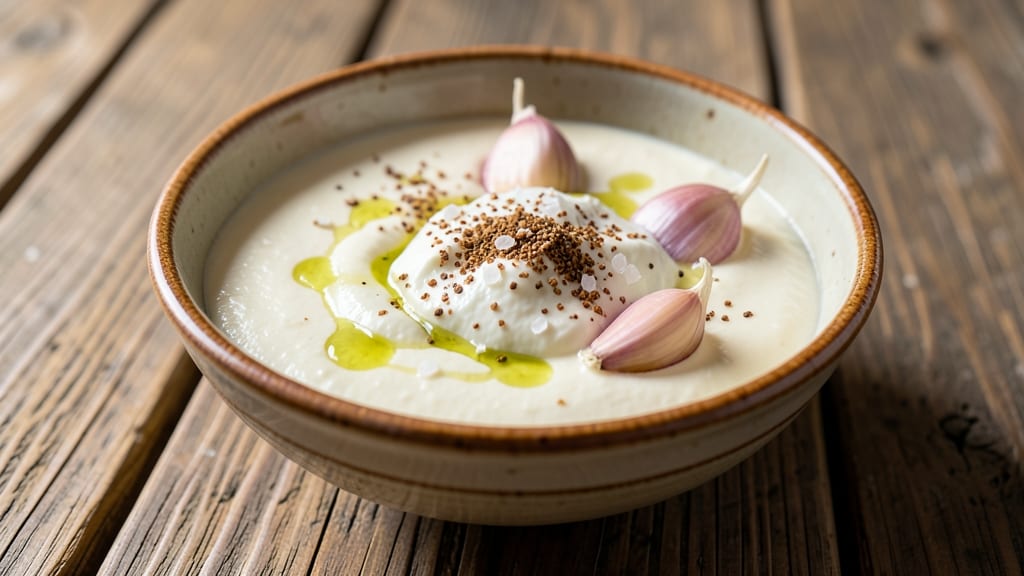
This authentic Mexican white cheese sauce transforms simple ingredients into velvety, clump-free queso blanco that elevates every dish it touches. The secret lies in low-and-slow melting—no blender required—just a gentle simmer until the cheese dissolves into a silky, tangy sauce.
I’ve perfected this recipe after years of testing, ensuring it stays true to traditional flavors while being foolproof for home cooks.
The magic happens with just five ingredients: Mexican white cheese (queso fresco), milk, garlic, cumin, and a pinch of salt—no heavy cream or artificial thickeners. The sauce is versatile enough for dipping tostadas, topping tacos, or drizzling over enchiladas, but its simplicity doesn’t compromise authenticity.
What sets this apart is the technique: simmering the cheese in milk until it melts completely, then straining for that signature smooth texture.
By the time you’re done, you’ll have a sauce that’s bright, slightly tangy, and perfectly balanced—no grainy bits or clumps. The aroma of toasted cumin and garlic alone will have your kitchen smelling like a Mexican fonda.
This isn’t just a sauce; it’s a flavor experience that turns ordinary meals into something extraordinary.
Ready to make it? The process is straightforward, and the results are worth every minute. Let’s get started—your taste buds will thank you.
Ingredients for authentic mexican white cheese sauce
Five simple ingredients transform into velvety queso blanco that tastes like authentic Mexican fonda magic.
| Ingredient | Amount | Notes |
|---|---|---|
| Mexican White Cheese (Queso Fresco) 🧀 | 1 ½ cups | Crumbled, fresh and crumbly |
| Whole Milk 🥛 | 1 cup | Full-fat for creaminess |
| Garlic Cloves 🧄 | 2 cloves | Freshly minced for aroma |
| Ground Cumin 🌿 | ½ tsp | Toasted for deeper flavor |
| Sea Salt 🧂 | ¼ tsp | Diamond Crystal preferred |
| Extra-Virgin Olive Oil 🫒 | 1 tbsp | For finishing drizzle |
Queso fresco is the star—skip the pre-shredded stuff at the store, it’s crumbly and lacks authenticity. Look for blocks or crumbles at Latin markets or specialty grocery stores like H Mart or Ralphs—their Mexican cheese sections are goldmines. If you can’t find it, feta cheese (drained well) works in a pinch, though it’ll be tangier. The milk? Whole milk is non-negotiable—it’s what gives that signature creaminess. I always grab organic from the store’s dairy case, but any full-fat will do. Toast your cumin in a dry pan for 30 seconds first—trust me on this, it makes all the difference.
No queso fresco? Cotija cheese is the closest substitute, but it’s saltier, so reduce the salt by half. Running out of milk? Half-and-half or light cream works, but the sauce will be richer. Fresh garlic is ideal, but if you’re in a bind, garlic powder at half the amount gets you close. The olive oil isn’t just for finishing—it adds a subtle richness. Trader Joe’s has a great affordable bottle, or grab whatever fruity one you’d drizzle on bread. Pro tip: If your cheese is extra dry, add 1 tsp of warm water to the milk to help it melt smoothly.
This sauce tastes even better the next day—store in an airtight container in the fridge for up to 5 days. For longer storage, freeze it in ice cube trays, then transfer to a bag. Thaw overnight in the fridge. The texture thickens as it cools, so stir in a splash of warm milk to loosen it up before using. Perfect for dipping, topping, or drizzling—double the batch if you’re feeding a crowd. Leftovers? Toss them into scrambled eggs or use as a base for enchilada sauce.
Why You'll Love This Recipe
- Five-Ingredient Magic: I swear by this—just cheese, milk, garlic, cumin, and salt. That’s it. No fancy techniques, no last-minute store runs. The sauce melts into something rich and velvety with almost no effort, and honestly? It’s the kind of recipe that makes me feel like I actually cooked something impressive.
- Garlic-Cumin Bomb: Between us, this isn’t your basic cheese sauce. The roasted garlic cloves soften into sweet, buttery layers, while the cumin adds this warm, earthy kick that cuts through the creaminess. It’s the kind of flavor that makes you pause mid-bite—like a little Mexican hug in every spoonful.
- Dips, Drizzles, Everything: This sauce is my secret weapon for tacos, enchiladas, or even as a dip for tortilla chips. I’ve used it to glaze grilled veggies, toss with pasta, and even slathered on avocado toast when I’m feeling lazy. It’s the kind of versatile sauce that turns ordinary meals into something special without trying too hard.
- Leftovers That Don’t Suck: Unlike some sauces that turn grainy or separate, this one actually improves when reheated. I make a big batch on Sundays, and by Wednesday, it’s still creamy and delicious—no weird textures, no sad cheese clumps. Plus, the cumin keeps it tasting fresh, so it’s my go-to for quick weeknight meals.
Step-by-step instructions for authentic Mexican white cheese sauce
Here's how to create a velvety, clump-free sauce that captures true Mexican flavor.
Toast the Cumin for Depth of Flavor
Heat a small dry skillet over medium-low heat. Add the 0.5 teaspoon ground cumin and toast for 30-45 seconds until you can smell its warm, earthy aroma—this step unlocks the cumin's full potential. Watch carefully as it can burn quickly; it's ready when it's fragrant but not darkened. Remove from heat immediately and let cool for 1 minute before transferring to your mixing bowl.
This toasting creates a subtle nutty complexity that separates this sauce from basic cheese blends. I've found that skipping this step results in a flat, one-dimensional flavor profile. The toasted cumin will blend seamlessly into the sauce without any grainy texture.
Bloom the Garlic in Olive Oil
In a medium saucepan, combine the 1 tablespoon extra-virgin olive oil with the 2 minced garlic cloves over low heat. Cook for 1-2 minutes until the garlic becomes translucent and releases its sweet, pungent aroma—this prevents the garlic from turning bitter during the milk heating process. Remove from heat immediately after you smell the garlic's full flavor profile.
The olive oil serves as our flavor base while protecting the delicate garlic from burning. This step is crucial because raw garlic can create a harsh, overpowering taste in the finished sauce. The slight warmth from the oil also helps soften the cheese slightly, making it easier to incorporate later.
Heat the Milk Gradually to Prevent Curdling
Pour the 1 cup whole milk into the saucepan with the garlic-infused oil. Heat over medium-low heat until it reaches 180°F—this temperature is hot enough to melt the cheese completely but not so hot it causes separation. Stir occasionally with a silicone spatula, being careful not to let it boil or develop a skin on top.
Warm milk is essential for creating a smooth sauce. Cold milk causes the cheese to clump, while hot milk can cook the cheese too quickly, leading to a grainy texture. The gentle heat allows the milk to gently emulsify with the cheese later. I like to use a candy thermometer for precision, but if you don't have one, watch for small bubbles forming around the edges of the pan—this indicates you're approaching the right temperature.
Incorporate the Cheese Slowly for a Silky Texture
Remove the saucepan from heat and immediately add the 1.5 cups crumbled Mexican white cheese (queso fresco) all at once. Let it sit for 30 seconds to soften slightly, then use a silicone spatula to gently fold and stir the mixture. The cheese should begin to melt and create a thick, creamy paste within 2-3 minutes of constant stirring over low heat.
This is where technique matters most. I've found that adding the cheese all at once prevents clumping better than gradual addition. The key is to work quickly but gently—aggressive stirring creates air pockets, while slow stirring risks uneven melting. You'll know you're on track when the mixture becomes smooth and velvety, with no visible cheese particles remaining.
Season and Finish with Perfect Balance
Return the sauce to low heat and stir in the toasted cumin and 0.25 teaspoon sea salt. Let it simmer gently for 2-3 minutes until fully combined and heated through. Taste and adjust the seasoning—you may need a touch more salt to enhance the cheese's natural flavor. The sauce should be rich, slightly tangy, and perfectly balanced without being overpowering.
This final step is about refinement. The cumin and salt work together to create a complex flavor profile that's authentically Mexican. I like to let the sauce rest for 5 minutes off the heat before serving—this allows all the flavors to meld completely. The finished sauce should coat the back of a spoon with a luxurious, velvety texture that's perfect for drizzling over tacos, tostadas, or grilled meats.
Pro Tips For Making Authentic Mexican White Cheese Sauce
- Grate the Cheese Fine: Queso fresco isn’t the same as feta—it stays clumpy if you’re not careful. Pulse it in a food processor for 3-4 seconds, then scrape the sides and pulse again. You want it like wet sand, not crumbly gravel, or your sauce will look like it’s fighting for texture.
- Warm the Milk First: Cold milk and cheese don’t play nice—they’ll seize up and turn grainy. Heat the whole milk in a saucepan until it’s steaming (not boiling) before adding the cheese. This also helps the cumin bloom properly, so you get that earthy depth without bitterness.
- Toast the Cumin Low: I burned my first batch because I cranked the heat to get the cumin aromatic. Instead, dry-toast it in the same pan you’ll melt the cheese in—medium-low for 30 seconds—just until it smells like a Mexican street cart. Too hot, and it’ll taste like dirt.
- Strain for Smoothness: Even with finely grated cheese, some grit sneaks through. After melting everything together, pour the sauce through a fine-mesh sieve lined with cheesecloth. It’s extra work, but the result is silky, not sandy—worth it for dishes like enchiladas or quesadillas.
Wine and beer pairings for this recipe
Crisp White Wine
An off-dry Riesling from Germany or California is my go-to pairing for this sauce—its bright acidity and subtle sweetness mirror the tangy creaminess of the queso blanco. Look for a Keller Riesling from the Mosel region or a Chateau Ste.
Michelle from Washington State. The wine’s crisp finish cuts through the richness, cleansing your palate between bites of tacos or enchiladas. 🍷
Mexican Lager
A classic Mexican lager like Modelo Especial or Pacifico creates the perfect balance. The light, crisp profile complements the sauce’s mild spices without overpowering them. I love serving this sauce with warm corn tortillas and a cold Pacifico—it’s a match made in Mexican culinary heaven.
The beer’s subtle maltiness enhances the cumin’s earthy notes while keeping the dish refreshing.
Spicy Margarita
For a bolder flavor profile, a spicy margarita with jalapeño-infused tequila elevates the dish. The heat from the jalapeño in the margarita mirrors the subtle warmth of the cumin in the sauce, creating a harmonious balance.
Use Don Julio Blanco or Espolón for a premium experience, and add a jalapeño slice to the rim for an extra kick. This pairing turns a simple queso blanco into a fiesta-worthy experience. 🌶️
Mexican Beer Cocktail
Mix Corona Extra with a splash of lime juice and a pinch of salt for a refreshing, low-alcohol option. The citrus notes brighten the sauce’s creaminess, while the beer’s effervescence provides a delightful contrast.
Garnish with a lime wedge and a sprig of cilantro for an authentic touch. This cocktail is perfect for casual gatherings or when you want to keep things light and refreshing.
Non-Alcoholic Option
For a non-alcoholic pairing, try a sparkling limeade made with San Pellegrino or Topo Chico, fresh lime juice, and a touch of agave syrup. The fizz and citrus complement the sauce’s tangy, creamy profile without any alcohol interference.
Serve it chilled in a copita glass for an elegant touch that still feels festive and authentic. 💫
Nutrition facts
Frequently asked questions
Why does my Mexican white cheese sauce turn grainy?
The most common cause is adding cold milk or cheese too quickly. Always heat the milk to 180°F first, then remove from heat before adding the cheese. Stir constantly over low heat for 2-3 minutes—this gradual melting prevents clumps. If it still gets grainy, strain through a fine-mesh sieve for a silky texture.
Can I make this sauce without fresh queso fresco?
Yes! For the closest substitute, use cotija cheese (reduce salt by half) or well-drained feta cheese. Both work but will be saltier. If you can't find either, blend 1 cup shredded mozzarella with 1/4 cup cream cheese for a milder flavor. The texture won't be identical, but it'll still taste delicious.
How do I use this sauce beyond dipping?
This versatile sauce works as a topping for tacos, enchiladas, or tostadas, or as a creamy base for quesadillas. Mix it into scrambled eggs, use it as a dip for veggie sticks, or drizzle over grilled meats. For extra richness, stir in 1/4 cup sour cream or a pinch of chili powder at the end.
Can I make this sauce ahead of time?
Store it in an airtight container in the fridge for up to 5 days. The flavors actually improve overnight. For longer storage, freeze in ice cube trays, then transfer to a bag. Thaw in the fridge and stir in a splash of warm milk to restore creaminess. Reheat gently over low heat—never microwave directly.
What's the secret to getting that authentic Mexican fonda taste?
Three things: toast your cumin (30 seconds in a dry pan), use whole milk (not skim), and let the sauce rest 5 minutes off heat before serving. The cumin's nutty aroma and the milk's natural fats create that signature fonda richness. Bonus tip: Serve with warm corn tortillas and a squeeze of lime for true authenticity.