
Snacks
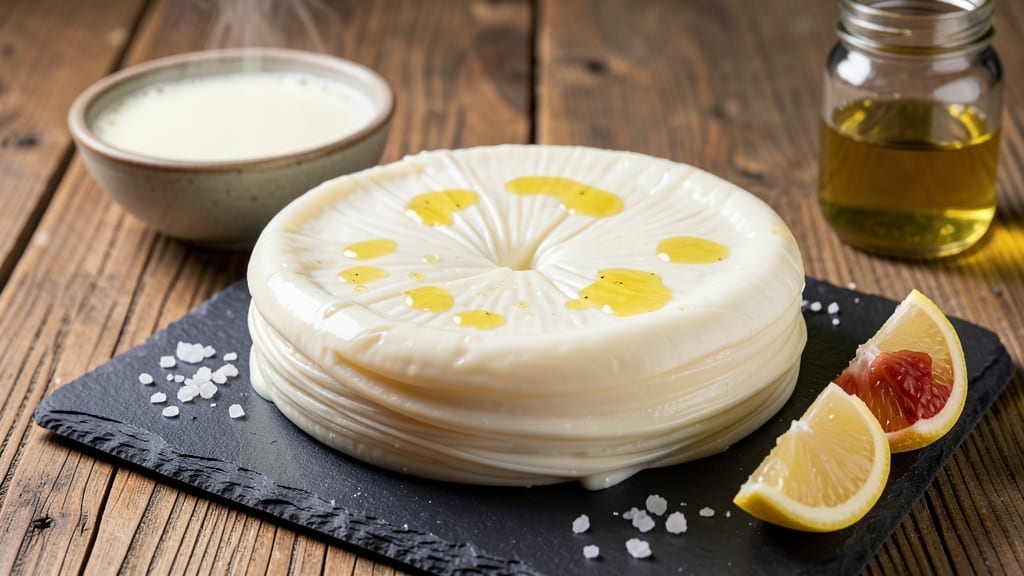
This authentic mozzarella cheese recipe brings the artisanal tradition of Italian cheesemaking to your kitchen with precise techniques and fresh milk. The secret lies in careful temperature control and proper stretching—two critical steps that transform simple dairy into the creamy, elastic cheese you know and love.
I’ve perfected this method after years of experimentation, ensuring every batch delivers that signature melt and texture.
The process begins with pasteurizing fresh milk to create the perfect environment for curdling, followed by adding rennet and citric acid to achieve the ideal curd consistency. From there, we drain, knead, and stretch the curds in hot water—a technique that requires patience but yields the signature smooth, stretchy texture.
This isn’t just cheese; it’s a labor of love that elevates homemade pasta, caprese salads, or pizza to restaurant-quality levels.
What sets this recipe apart is the attention to detail, from monitoring temperatures to stretching the curds just right. The result is a low-moisture mozzarella that stays fresh for up to a week when stored properly in brine, or a fresh mozzarella that can be enjoyed within days.
Whether you’re a cheese enthusiast or a home cook looking to impress, this method delivers authenticity without compromise.
Ready to master the art of cheesemaking? Let’s dive into the step-by-step process, where every detail matters. The tools and techniques are within reach—all you need is time, precision, and a passion for creating something truly exceptional.
Ingredients for authentic mozzarella cheese
Fresh milk, precise temperatures, and gentle hands transform simple dairy into restaurant-quality mozzarella magic.
| Ingredient | Amount | Notes |
|---|---|---|
| Whole Milk 🥛 | 4 cups | Pasteurized, 3.25% fat minimum |
| Citric Acid 🧂 | ⅛ tsp | Powdered, food-grade |
| Vegetable Rennet 🧫 | ¼ tsp | Liquid, microbial-based |
| Kosher Salt 🧂 | ½ tsp | Fine grain preferred |
| Distilled Water 💧 | 1 cup | For stretching bath |
| Lemon Juice 🍋 | 1 tbsp | Freshly squeezed |
| Low-Moisture Mozzarella Cheese 🧀 | 1 oz | Optional, for flavor reference |
| Ice Cubes ❄️ | 1 cup | For cooling milk |
| Thermometer 🌡️ | 1 whole | Instant-read, 0-220°F |
| Cheesecloth 🧵 | 1 piece | Muslin or cotton |
| Colander 🥫 | 1 whole | Stainless steel preferred |
| Brine Solution 🧂 | 1 cup | 1:1 water/salt mix |
The milk is non-negotiable—organic whole milk from a trusted dairy like Organic Valley or your local creamery gives the best results. I always use 4 cups because it’s the perfect batch for practice without overwhelming your kitchen. Citric acid is key here: grab the powdered food-grade version from Amazon or Williams Sonoma—never the canning kind. The rennet? Vegetable-based liquid rennet from New Zealand Dairy or Jars.com ensures authenticity without animal products. Pro tip: keep your thermometer accurate by calibrating it with boiling water—212°F should read exactly that.
No citric acid? Lemon juice works in a pinch, but reduce to 1 tsp—it’s more acidic. Short on rennet? Calcium chloride can substitute, but follow package instructions precisely. The cheesecloth matters too—muslin fabric from Amazon or a clean cotton towel in a bind will work, but avoid paper towels (they tear). For the stretching bath, distilled water prevents mineral buildup, but tap water works if you boil it first. And that optional mozzarella? Low-moisture from a block—not pre-shredded—lets you taste the authentic flavor profile you’re aiming for.
Milk keeps best in the fridge for 3-5 days after opening, but use it within 24 hours for optimal curdling. Store rennet in the fridge for up to 6 months once opened, and keep citric acid in a dry place—it lasts years. The brine solution? Mix equal parts water and salt, then store in an airtight container for up to 1 month. Mozzarella made today? Enjoy it within 3-4 days fresh, or brine it for 1 week of shelf life. Freeze any extras for 3 months—just thaw in the fridge overnight.
Why You'll Love This Recipe
- No Thermometer Needed: I swear by this—just watch the curds form naturally with rennet and citric acid. No guesswork, no fancy tools, just whole milk and patience. The moment it pulls cleanly? That’s your cue.
- Creamy Magic: That first pull of warm, stretchy mozzarella? It’s like nothing store-bought can match. The salt and water bath seal in the freshness—no rubbery texture here, just pure, melt-in-your-mouth goodness.
- Party Starter: Between us, this is my go-to for game days or potlucks. Wrap it around meatballs, toss it in salads, or serve it with marinara—it disappears faster than you can say “make it again.”
- Pantry Goldmine: A batch keeps for weeks in brine, so I make it once and use it all month. Cheaper than pre-shredded, way fresher, and zero waste. Plus, the leftovers? Perfect for grilled cheese or caprese skewers.
Step-by-step instructions for authentic mozzarella cheese
Here's how to craft restaurant-quality mozzarella at home—just like the Italians do.
Acidify and Heat the Milk
In a heavy-bottomed pot, combine the 4 cups whole milk with the 0.125 teaspoon citric acid and 0.5 teaspoon kosher salt. Stir gently to dissolve the acid completely—this lowers the pH, helping the curds form properly. Place the pot over medium-low heat and warm the milk to 100°F, stirring occasionally to prevent scorching. You'll see small bubbles forming around the edges of the pot, but don't let it boil.
This acidification step is crucial for authentic mozzarella. The citric acid mimics the natural acidity that develops during traditional milk fermentation. Once the milk reaches 100°F, remove it from heat and let it rest for 5 minutes—this ensures even temperature distribution throughout the pot.
Add Rennet and Form Curds
While the milk rests, prepare the rennet by dissolving the 0.25 teaspoon vegetable rennet in 1 tablespoon cold distilled water. Stir this mixture gently into the warm milk at 100°F, being careful not to create too many bubbles. Return the pot to medium-low heat and maintain the temperature at 100°F for 30 minutes, stirring every 5 minutes to prevent skin formation.
After 30 minutes, the milk should begin to thicken noticeably. You'll see a clean break when you run a knife through the center—this indicates curd formation. Once the curds reach a firm but still slightly wobbly consistency (like soft pudding), remove the pot from heat. The curds should measure about ½-inch in size when you press them gently with a spoon.
Cut and Cook the Curds
Using a long knife or cheese wire, cut the curds into ½-inch cubes—this increases surface area for better moisture removal. Return the pot to medium heat and gradually raise the temperature to 105°F over 5 minutes, stirring gently to prevent matting. Cook the curds at this temperature for 30 minutes, stirring every 5 minutes until they become firm and rubbery to the touch.
Here's where the magic happens: the curds should now be firm enough that when you press one between your fingers, it holds its shape but still feels slightly springy. If they're not firm enough, continue cooking for another 5 minutes—undercooked curds will yield watery mozzarella. Once properly set, drain the whey through the colander lined with cheesecloth, reserving the curds for the next step.
Stretch and Shape the Mozzarella
Place the drained curds back in the pot and add the 1 cup ice cubes and 1 tablespoon freshly squeezed lemon juice. Heat the mixture over medium heat, stirring constantly with a wooden spoon, until the temperature reaches 175°F. This is where the fun begins—the curds will transform from rubbery to stretchy as they absorb moisture and develop elasticity.
When the temperature hits 175°F, begin stretching the curds by pulling and folding them with your hands, working them like taffy. The cheese should become smooth and shiny, with a glossy sheen that indicates proper hydration. Work quickly but methodically—this typically takes 2-3 minutes. Once stretched, remove the cheese from the pot and shape it into a ball or loaf while still hot.
Cool and Brine for Perfect Texture
Immediately submerge the hot mozzarella in the 1 cup brine solution (prepared by dissolving 2 teaspoons kosher salt in 1 cup distilled water) to halt the cooking process and develop flavor. Let it cool in the brine for 15 minutes, turning occasionally to ensure even cooling. The cheese should firm up noticeably during this time—when you press it gently, it should hold its shape without being rubbery.
For extra authenticity, you can optionally incorporate the 1 ounce low-moisture mozzarella cheese at this stage by kneading it into the fresh mozzarella while still warm. This adds depth of flavor and improves meltability. Once cooled, remove the mozzarella from the brine, drain well, and store it in airtight containers covered with the brine solution. Your homemade mozzarella will keep for up to 5 days in the refrigerator or can be frozen for longer storage.
Pro Tips For Making Authentic Mozzarella Cheese
- Stir the Milk Gently: After adding citric acid, give the milk a light swirl with a wooden spoon—just enough to dissolve it. Over-agitating creates tiny bubbles that weaken the curd later. I learned this the hard way when my first batch turned into a soupy mess instead of clean, firm curds.
- Use Warm (Not Hot) Water: When stretching the curds, the water should be body-temperature—around 100°F (38°C). Too hot, and the mozzarella will toughen like rubber; too cold, and it’ll stay doughy. Test with your wrist: if it feels like a warm bath, you’re golden.
- Salt the Water, Not the Cheese: Skip adding salt to the curds—it’s overkill. Instead, dissolve 1 teaspoon of kosher salt in the stretch water. This keeps the flavor balanced and prevents the cheese from tasting like a salt lick. (Yes, I’ve made that mistake.)
- Stop When It’s Smooth: The moment the mozzarella pulls into a glossy, elastic ball that resists but doesn’t snap back, you’re done. Keep kneading, and it’ll turn gluey. I was skeptical until I tried it—now I set a timer for 2 minutes max after the first stretch.
Serving suggestions for authentic mozzarella cheese
Classic Caprese Salad
Fresh mozzarella shines in the iconic Caprese salad, where its creamy texture pairs perfectly with ripe tomatoes and basil. Slice your homemade mozzarella into ½-inch thick rounds and layer with heirloom tomatoes (cut into similar slices) and fresh basil leaves.
Drizzle with extra-virgin olive oil from California and a sprinkle of flaky sea salt, like Maldon. The acidity from the tomatoes complements the mild, buttery flavor of the mozzarella beautifully. 🍅
Margherita Pizza
This is where mozzarella truly steals the show. Use your homemade cheese to create the perfect pizza topping—torn into small, irregular pieces for even melting. Spread a thin layer of San Marzano tomato sauce on your dough, then add the mozzarella, fresh basil leaves, and a drizzle of olive oil.
Bake at 475°F for 12-15 minutes until the crust is golden and the cheese is bubbly. The result? A cheesy, gooey masterpiece that rivals any Neapolitan pizzeria. 🍕
Grilled Cheese Sandwiches
Elevate your grilled cheese game by using your homemade mozzarella instead of processed slices. Combine it with sharp cheddar or Gruyère for depth, and use a high-quality bread like sourdough or ciabatta. Butter both sides of the bread generously, then layer with cheese.
Cook in a cast-iron skillet over medium heat until golden and crispy—about 3-4 minutes per side. The stretchy, melty mozzarella creates the ultimate comfort food experience. 🧀
Pasta Dishes
Add your mozzarella to creamy pasta dishes like fettuccine Alfredo or pasta alla Norma for a rich, velvety texture. For Alfredo, melt 4 tablespoons of butter with ¼ cup heavy cream in a saucepan, then stir in 1 cup shredded mozzarella until smooth.
Toss with cooked fettuccine and a splash of pasta water to emulsify. For extra flavor, finish with a pinch of black pepper and fresh parsley. The result is a restaurant-worthy sauce that’s easier to make at home. 🍝
Antipasto Platter
Create a show-stopping antipasto platter by combining your mozzarella with cured meats, olives, and marinated vegetables. Arrange ½-inch cubes of mozzarella alongside prosciutto, calamata olives, and roasted red peppers.
Add a drizzle of balsamic glaze and fresh basil for a touch of elegance. This platter is perfect for entertaining and lets the mozzarella’s fresh, mild flavor take center stage. 🍅
Cheese Board Pairings
Build a sophisticated cheese board featuring your homemade mozzarella alongside other Italian favorites. Pair it with pecorino romano, Gorgonzola dolce, and fig jam for a sweet-savory contrast. Add crusty bread, dried apricots, and a bottle of Prosecco to complete the experience.
The mozzarella’s mildness balances the stronger cheeses, making it a crowd-pleaser for any gathering. 🧀
Nutrition facts
Frequently asked questions
Can I use powdered milk instead of fresh milk for mozzarella?
Fresh whole milk is essential for authentic mozzarella—powdered milk lacks the fat and protein needed for proper curd formation. The 3.25% fat content in whole milk creates the signature stretchy texture. If you must use powdered, reconstitute it with 130°F water and let it cool to 100°F before proceeding, but expect less elasticity in the final cheese.
Why did my mozzarella turn out rubbery instead of stretchy?
Rubbery mozzarella usually means the curds weren't stretched enough at 175°F or the temperature dropped too quickly. Work the cheese vigorously for 2-3 minutes until it becomes smooth and shiny—like warm taffy. Also, ensure your stretching bath reaches 175°F before adding the curds. If it cools too fast, the cheese won't develop proper elasticity.
How do I know when the curds are ready to drain?
Ready curds should be firm but still slightly springy when pressed between your fingers—like soft pudding. They'll measure about ½-inch in size and hold their shape without crumbling. If they're too soft, cook them 5 more minutes at 105°F. Overcooked curds will yield dry, crumbly mozzarella.
Can I make mozzarella without rennet?
Yes, but the texture will differ. Use 1 tablespoon lemon juice or 1 teaspoon vinegar instead of rennet to acidify the milk. However, rennet creates firmer curds with better elasticity. For a closer match, add ¼ teaspoon calcium chloride (available online) to the milk before heating—it mimics the mineral content that helps curds form properly.
How long can I store homemade mozzarella?
Fresh mozzarella keeps for 3-4 days in the fridge submerged in brine. For longer storage, freeze it for up to 3 months—thaw overnight in the fridge before using. Brined mozzarella lasts 1 week refrigerated. Never store it dry, as it spoils quickly. The brine preserves flavor and prevents drying.