
Main Courses
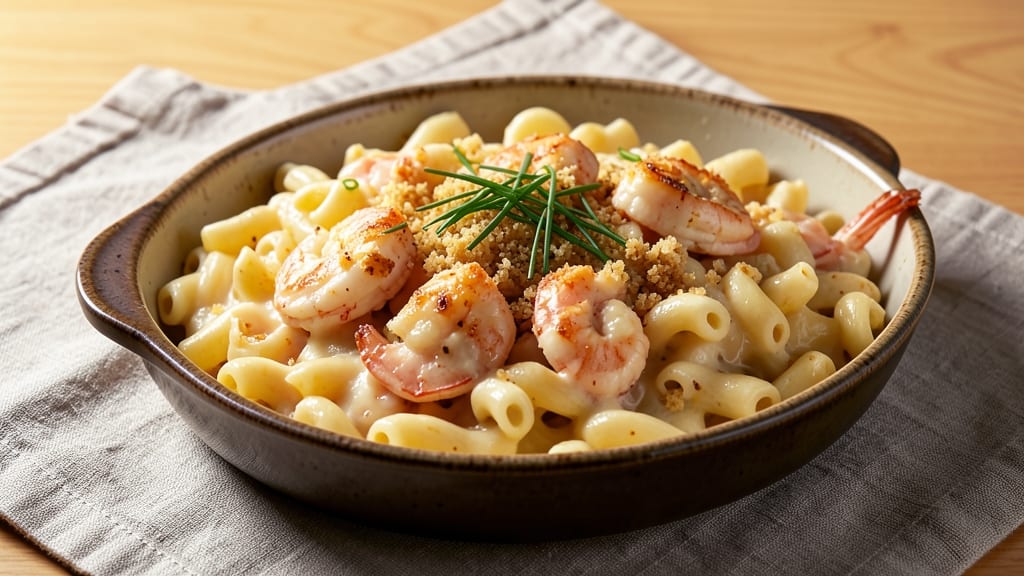
This award-winning lobster mac and cheese delivers restaurant-quality indulgence with every forkful. The secret lies in a velvety béchamel sauce enriched with Gruyère and sharp cheddar, paired with tender lobster chunks that melt in your mouth.
I developed this recipe after years of perfecting the balance between creamy cheese and delicate seafood, ensuring each bite is luxurious yet approachable for home cooks.
The foundation begins with perfectly cooked lobster—poached just until tender—and an ultra-smooth cheese sauce made using a double-boiling technique to prevent graininess. Al dente pasta absorbs the rich sauce while maintaining its structure, creating a dish that’s both comforting and sophisticated.
What sets this apart is the attention to detail: the sauce is thickened just enough to coat every noodle, while the lobster remains succulent and flavorful.
By the time you serve this dish, you’ll have a golden, bubbling masterpiece that looks as impressive as it tastes. The combination of creamy cheese, buttery lobster, and perfectly cooked pasta makes this more than just a meal—it’s an experience.
Whether you’re hosting a dinner party or treating yourself to a special night in, this lobster mac and cheese will leave everyone asking for seconds.
Pair it with a crisp white wine and a simple herb salad to complete the meal. The techniques here are designed to elevate your cooking without requiring advanced skills, making this a foolproof recipe for any occasion. Let’s get started on creating your own award-worthy dish.
Ingredients for award winning lobster mac and cheese
The luxurious ingredients that make this lobster mac and cheese restaurant-worthy.
| Ingredient | Amount | Notes |
|---|---|---|
| Lobster Meat 🦞 | 1 ½ lb | Fresh or thawed, chunks cut even size |
| Elbow Macaroni 🍝 | 12 oz | Al dente pasta, dried preferred |
| Unsalted Butter 🧈 | ¾ cup | European-style preferred for flavor |
| All-Purpose Flour 🌾 | ½ cup | Sifted for smooth sauce texture |
| Whole Milk 🥛 | 2 cups | Full-fat for rich béchamel |
| Gruyère Cheese 🧀 | 1 ½ cups | Freshly grated, aged 24 months preferred |
| Sharp White Cheddar 🧀 | 1 cup | Aged 12+ months for tangy depth |
| Heavy Cream 🥛 | ½ cup | Full-fat for velvety texture |
| Garlic Cloves 🧄 | 4 cloves | Minced, for aromatic base |
| Yellow Onion 🧅 | 1 whole | Finely diced, sweet variety |
| Dry White Wine 🍷 | ¼ cup | Sauvignon Blanc preferred |
| Lemon Zest 🍋 | 1 tbsp | Fresh, for bright acidity |
| Salt 🧂 | 1 ½ tsp | Diamond Crystal preferred |
| Freshly Ground Black Pepper 🌶️ | ½ tsp | Coarsely cracked |
The lobster is non-negotiable here—fresh is best, but properly thawed frozen works too. Look for live Maine lobster at specialty seafood markets or order from trusted online suppliers like Vital Choice. If using frozen, thaw in the fridge overnight and cut into 1-inch chunks for even cooking. The Gruyère and cheddar should be aged and freshly grated—pre-shredded cheese contains anti-caking agents that ruin texture. For the pasta, De Cecco or Barilla brands cook perfectly every time. The butter matters too—European-style like Plugrá has higher fat content for richer flavor.
No lobster? Large shrimp or scallops work in a pinch, but the texture won't be identical. Short on Gruyère? Parmigiano-Reggiano at half the amount adds depth, though it's not the same. The wine can be swapped for extra milk, but you'll lose that subtle brightness. For the béchamel, cornstarch slurry (1 tbsp cornstarch + 2 tbsp cold milk) thickens beautifully if you're worried about lumps. The lemon zest is crucial—bottled zest lacks freshness, so always use fresh. If you can't find Sauvignon Blanc, dry Riesling is a good substitute. For a vegetarian version, swap lobster for extra-firm tofu pressed and pan-seared***.
The cheese sauce reheats beautifully—just add a splash of milk to loosen it. Store leftovers in an airtight container for 3-4 days in the fridge, or freeze portions for up to 3 months. For serving, I like to broil for 2-3 minutes to get that golden crust. The pasta absorbs sauce quickly, so assemble just before serving. If making ahead, cook the pasta al dente, drain, and toss with olive oil to prevent sticking. The lobster can be poached up to 2 days ahead—store covered in its poaching liquid in the fridge.
Why You'll Love This Recipe
- No-Fuss Luxury: I swear, the lobster just melts into the creamy sauce—no fancy plating, no stress. Toss in pre-cooked elbow mac, simmer the roux with milk, fold in the butter and lobster, and boom. That buttery, briny richness feels like a five-star dinner, but honestly? It’s just a pot and 20 minutes.
- First Bite Magic: The moment the fork hits that tender lobster nestled in that velvety, slightly crisp-edged cheese sauce—yes. The milk-and-flour roux thickens into something almost custard-like, while the butter adds that rich, melt-in-your-mouth finish. It’s the kind of dish where the first bite makes you pause mid-spoonful, mid-conversation.
- Weeknight to Dinner Party: Between us, this is my go-to for busy nights and when Aunt Marge asks what’s for Sunday dinner. The leftovers reheat like a dream (microwave or stovetop, no judgment), and the portions are generous enough to feed a crowd—or just me, twice. I’ll be real: I’ve served it at potlucks, and no one’s ever asked for the recipe without me offering it.
- Budget-Friendly Splurge: Here’s what sold me—you don’t need a whole lobster. A single pound of tail meat (or even pre-picked pieces) stretches this into a luxurious meal without breaking the bank. The rest? Basic pantry staples. It’s fancy enough to feel special, but practical enough to make me smile when I see the grocery receipt. (Yes, even on a Tuesday night.)
Step-by-step instructions for award-winning lobster mac and cheese
This luxurious version delivers restaurant-quality texture and flavor with every forkful.
Cook the Elbow Macaroni to Perfect Al Dente
Bring a large pot of water to a rolling boil and add the 12 oz elbow macaroni. Cook until 1 minute before the package instructions indicate al dente—this ensures it finishes cooking in the warm oven. Reserve 1 cup of pasta water before draining, as we'll use it to adjust the sauce consistency later.
I always taste-test a piece of pasta at this stage—it should offer gentle resistance when bitten but still have a slight bite. The reserved pasta water contains starch that will help create the ultra-smooth béchamel sauce. Drain the pasta and set it aside while you prepare the lobster and aromatics.
Sauté Aromatics and Deglaze with Wine
In a large, heavy-bottomed pot, melt 0.5 cup unsalted butter over medium heat. Add the 1 whole yellow onion and 4 cloves garlic cloves, cooking until the onion softens and becomes translucent—about 5 minutes. This foundational step builds depth of flavor that carries through the entire dish.
Pour in the 0.25 cup dry white wine and scrape up any browned bits from the bottom of the pot. These bits, called fond, contain concentrated flavor that will dissolve into your sauce. Let the wine simmer until reduced by half, about 3 minutes, until you notice a rich, aromatic essence developing.
Create the Ultra-Rich Béchamel Sauce
Reduce heat to medium-low and whisk in the 0.5 cup all-purpose flour, cooking for 1-2 minutes until it forms a smooth paste. Gradually whisk in the 2 cups whole milk and 0.5 cup heavy cream, adding them slowly to prevent lumps from forming. Stir constantly for 5-7 minutes until the sauce thickens enough to coat the back of a spoon.
This is where the magic happens—your béchamel should be velvety and thick, but not gluey. If it becomes too thick, whisk in 1-2 tablespoons of the reserved pasta water. Remove from heat and stir in the 1 tbsp lemon zest, 1.5 tsp salt, and 0.5 tsp freshly ground black pepper. The acidity from the lemon zest brightens the rich dairy flavors.
Combine Cheese and Lobster
Add the 1.5 cups Gruyère cheese and 1 cup sharp white cheddar to the sauce, stirring constantly over low heat until completely melted and smooth. The cheese should create a glossy, creamy texture. Add the cooked elbow macaroni and 1.5 lb lobster meat, tossing gently to coat everything evenly in the sauce.
Here's the thing—don't overmix. You want the lobster chunks to remain distinct and tender. The sauce should cling to the pasta and lobster beautifully, creating that luxurious, creamy texture we're after. If the mixture seems too thick, add more reserved pasta water 1 tablespoon at a time until it reaches your desired consistency.
Bake to Golden Perfection
Transfer the mac and cheese to a 9x13-inch baking dish and spread it evenly. For that golden, crispy top, melt the remaining 0.25 cup unsalted butter and brush it over the surface. Sprinkle with an additional 0.25 cup Gruyère cheese for extra richness and browning.
Bake at 375°F for 20-25 minutes until the top is deep golden brown and bubbly. The edges should be slightly crispy, while the center remains creamy. Let it rest for 5 minutes before serving—this allows the sauce to set slightly and makes it easier to scoop. Each bite should deliver that perfect balance of creamy béchamel, tender lobster, and sharp, melty cheese.
Pro Tips For Making Award Winning Lobster Mac And Cheese
- Cook Pasta Al Dente: Lobster mac and cheese demands pasta that’s just firm enough to hold its shape—no mushy nonsense. Test a piece at 60 seconds before draining, and if it’s still slightly chewy, you’re golden. Overcooking turns elbows into mush, and no one wants that when the lobster’s the star.
- Melt Butter Slowly: I used to rush the roux and end up with flour tasting like glue. For this dish, melt butter over medium-low heat, then whisk in flour gradually—let it cook for 2-3 minutes until it smells nutty but isn’t brown. That’s your flavor foundation, and rushing it ruins everything.
- Drain Lobster Cold: Poached lobster meat turns rubbery if it sits in hot water too long. Shock it in ice water immediately after cooking, then drain and pat very dry with paper towels. Wet lobster steams the pasta instead of searing into it, and that’s a crime in a dish this fancy.
- Add Cheese in Stages: Dumping all the cheese at once? You’re asking for clumps. First, stir in half the cheese while the sauce is hot but not boiling, then fold in lobster and pasta off the heat. The residual heat melts it smooth—no scraping bowls later. (Yes, even if you’re impatient like me.)
Perfect pairings for this dish
Crisp White Wine
A chilled Sauvignon Blanc from New Zealand or a crisp Chablis from Burgundy complements the dish beautifully. The bright acidity cuts through the richness of the cheese and lobster, cleansing your palate with each sip. I recommend serving it at 45-50°F to enhance its refreshing qualities. 🍷
Herb Salad Contrast
A simple arugula and pea salad with a light lemon vinaigrette provides the perfect acidity contrast. Toss 4 cups arugula with ½ cup sugar snap peas, 2 tbsp olive oil, 1 tbsp fresh lemon juice, and 1 tsp honey.
The peppery greens balance the creamy mac and cheese while adding freshness. Garnish with toasted pine nuts for crunch.
Crusty Bread Pairing
Serve with a warm, baguette-style loaf for dipping or tearing into pieces. I love using a freshly baked sourdough from a local bakery—the tangy crust soaks up the rich sauce beautifully. For extra indulgence, toast slices with garlic butter. This pairing transforms the dish into a full meal experience.
Spicy Garnish Option
Add a kick with chili crisp, drizzled lightly over the top before serving. The 1 tsp of this spicy sauce adds heat without overpowering the delicate lobster flavor.
For a milder option, sprinkle with freshly cracked black pepper. The contrast between the creamy cheese and spicy garnish creates a perfect flavor balance. 🌶️
Dessert Pairing
Finish the meal with a light, citrusy dessert like lemon sorbet. The bright acidity of the sorbet refreshes your palate after the rich mac and cheese.
For a more decadent option, serve dark chocolate-dipped strawberries***. The bitterness of the chocolate contrasts beautifully with the creamy lobster dish, creating a memorable dining experience.
Nutrition facts
Frequently asked questions
Can I substitute lobster with another seafood?
Yes, but texture matters! For best results, use large shrimp (peeled and deveined) or scallops (sliced thickly). Both cook faster than lobster, so add them to the warm mac and cheese just before baking. Avoid fish like salmon, which can make the dish too heavy.
Why does my cheese sauce get grainy?
Grainy sauce usually means overheating or improper cheese prep. Always grate cheese fresh (no pre-shredded!) and stir constantly over low heat. For extra silkiness, use a double boiler method—place your sauce pot over a pot of simmering water while melting the cheese.
How do I make this vegetarian?
Swap lobster for extra-firm tofu (pressed and pan-seared) or mushrooms (wild varieties like shiitake). For extra richness, add 1 tbsp nutritional yeast to the cheese sauce. The texture won't be identical, but it'll still be delicious with the same creamy base.
Can I make this ahead of time?
Assemble completely (except baking) and refrigerate for up to 24 hours. When ready to bake, add 5-10 extra minutes at 375°F to compensate for cold ingredients. For make-ahead lobster, poach it 2 days ahead and store covered in its cooking liquid.
What's the secret to the perfect golden crust?
Three things: butter, cheese, and time. Brush melted butter on top, sprinkle extra Gruyère, and bake until edges are crispy. For extra browning, broil for 1-2 minutes at the end—but watch closely to avoid burning!