
Appetizers
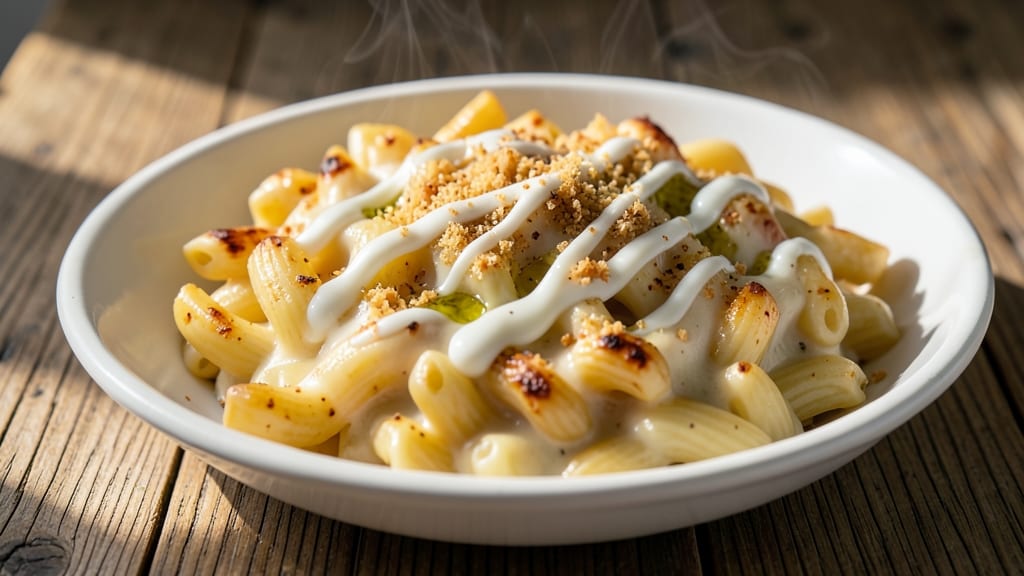
When introducing solids to little ones, this baby mac n cheese recipe brings comfort and nutrition together in bite-sized perfection. 💛 The gentle combination of soft pasta and mild cheddar creates a familiar texture that's easy for tiny hands to grasp—and just as easy for busy parents to prepare.
Every ingredient is carefully chosen to be gentle on delicate digestive systems while still delivering the creamy, cheesy goodness babies love. What makes this recipe special is its simplicity and adaptability.
You'll use whole milk or breastmilk to create a smooth, lump-free sauce that's perfect for spoon-feeding or letting babies self-feed with their fingers. The pasta is cooked until tender, then blended or mashed to ensure a safe, easy-to-swallow consistency.
No added salt, sugar, or spices mean this mac and cheese is as nourishing as it is delicious. The result is a creamy, mild dish that's rich in calcium and protein—ideal for introducing new flavors while keeping meals comforting.
The texture can be adjusted to suit your baby's developmental stage, whether they're just starting solids or ready for more substantial finger foods. This recipe transforms a classic comfort food into a baby-friendly staple that grows with them.
Perfect for meal prep and freezer-friendly, this baby mac and cheese can be made in small batches to avoid waste. It's the kind of dish that makes introducing solids a little less stressful and a lot more enjoyable—for both you and your little one. Let's get started!
Ingredients for baby mac n cheese
Eight gentle ingredients for baby's first creamy comfort food—no salt, no sugar, just pure cheesy goodness.
| Ingredient | Amount | Notes |
|---|---|---|
| Elbow Macaroni 🍝 | 4 oz | Small pasta shape for tiny hands |
| Mild Cheddar Cheese 🧀 | 4 oz | Shredded, low-fat preferred |
| Whole Milk 🥛 | ½ cup | Or breastmilk for baby-friendly option |
| Unsalted Butter 🧈 | 2 tbsp | Softened, no salt added |
| Plain Whole Milk Yogurt 🥄 | 2 tbsp | For creaminess without lumps |
| Extra-Virgin Olive Oil 🫒 | 1 tbsp | For smooth texture blending |
| Water 💧 | ¼ cup | For pasta cooking |
| Pinch 🌿 | 1 pinch | Nutmeg, optional for warmth |
The cheddar makes all the difference here. Mild, low-fat cheddar is gentler on tiny tummies, but any baby-friendly cheese works. Whole Foods or Trader Joe's carry great options in the baby food aisle. For the pasta, elbow macaroni is perfect for little hands to grasp, but any small, soft pasta shape will do. The milk? Whole milk or breastmilk keeps it gentle and familiar for babies starting solids. I always grab the organic whole milk—it's creamier and has fewer additives.
No whole milk? Unsweetened almond milk or oat milk works in a pinch, but the texture will be slightly lighter. Short on yogurt? Plain Greek yogurt at half the amount adds thickness without lumps. The olive oil is non-negotiable for that smooth, silky texture—extra-virgin is best, but any mild oil will work. For the nutmeg, if you're avoiding spices, skip it entirely. The butter? Unsalted, softened melts perfectly into the sauce without adding any unwanted sodium.
This sauce reheats beautifully—just add a splash of milk or water to loosen it. Keeps for 3 days in the fridge, and freezes for 1 month in small portions. I always make a double batch and freeze half for when life gets busy. The pasta cooks in just 5 minutes—set a timer and stir often to avoid sticking. For babies starting finger foods, let it cool slightly before serving so they can hold the pasta pieces safely.
Why You'll Love This Recipe
- Five-Ingredient Magic: I swear by this combo—just pasta, cheese, milk, butter, and yogurt. No fancy gadgets, no stress, and honestly? The yogurt makes it unexpectedly smooth without being heavy.
- Creamy Without the Hassle: That whole milk yogurt blends in like a dream, giving it that velvety texture without the need for a roux or endless stirring. My kids don’t even know it’s "healthy-ish"—they just think it’s the best mac and cheese ever.
- Leftover Goldmine: This reheats like a champ, whether you’re packing lunches or saving dinner for tomorrow. The yogurt keeps it from drying out, so it’s just as good cold or warmed up—no sad, rubbery pasta here.
- Budget-Friendly Luxury: Mild cheddar and whole milk won’t break the bank, but the result tastes like you spent hours on it. Between us, this is my go-to when I want comfort food that doesn’t empty my wallet.
Step-by-step instructions for baby mac and cheese
Let's make this creamy, kid-friendly mac and cheese with perfect texture and portion control.
🍳 Step 1: Cook the Elbow Macaroni to Al Dente
Bring 0.25 cup water to a rolling boil in a small saucepan. Add the 4 oz elbow macaroni and stir immediately to prevent sticking. Cook for 8-10 minutes until the pasta is al dente—you'll know it's ready when it floats to the surface and has a slight bite to it.
I like to taste-test a piece at the 8-minute mark to check for doneness. Drain the pasta in a colander, but don't rinse it—those starchy bits help create a creamier sauce. Keep the pasta warm while you prepare the cheese mixture.
👨🍳 Step 2: Melt Butter and Create the Creamy Base
In the same saucepan (no need to wash it—the pasta starch helps here), melt the 2 tbsp unsalted butter over medium-low heat until it's completely liquid and foaming. Add 1 tbsp extra-virgin olive oil and stir to combine—this creates a smoother texture for little mouths.
Here's the thing—adding the olive oil prevents the sauce from becoming too heavy. The butter alone would make it rich, but the oil keeps it light and easy to swallow. Keep the heat gentle so the butter doesn't brown or burn.
🥘 Step 3: Make the Cheesy Sauce Mixture
Reduce heat to low and gradually whisk in the 0.5 cup whole milk and 2 tbsp plain whole milk yogurt. Stir constantly for 2-3 minutes until the mixture thickens slightly. This step is crucial for creating that perfect velvety texture without lumps.
Next, add the 4 oz shredded mild cheddar cheese all at once. Stir vigorously until the cheese melts completely and the sauce becomes smooth. If you're using the optional pinch of nutmeg, sprinkle it in now and stir to distribute evenly. The nutmeg adds just a hint of warmth without overpowering the mild cheese flavor.
🍽️ Step 4: Combine and Serve the Perfect Portions
Add the drained macaroni to the cheese sauce and stir gently to coat each piece evenly. Cook for another 1-2 minutes on low heat, just enough to let the pasta absorb the creamy sauce. This final step ensures every bite is perfectly coated and delicious.
Divide the mac and cheese into 4 small portions (about ¼ cup each) in baby-friendly bowls or silicone cupcake liners. Serve immediately while warm—this dish is best enjoyed fresh. The portions are perfect for tiny hands and will disappear in no time with those big smiles!
Pro Tips For Making Baby Mac N Cheese
- Cook pasta al dente: DESCRIPTION: Elbow macaroni should have a firm bite—like biting into a crisp apple. I learned this the hard way: overcooked noodles turn mushy when mixed with cheese sauce. Taste-test a piece before draining, and pull it out when it’s just shy of perfect. You’ll thank yourself later when the texture holds up.
- Shred cheese aggressively: DESCRIPTION: Mild cheddar works best when it’s tiny. Use a box grater or pulse in a food processor—big chunks melt unevenly and leave you with a lumpy sauce. If you’re shredding by hand, freeze the cheese for 10 minutes first; it’ll grate faster and finer. (Yes, even if you’re impatient like me.)
- Temper the yogurt: DESCRIPTION: Cold yogurt will shock your hot butter and milk, turning the sauce grainy. Warm the yogurt slightly—just enough to make it lukewarm—before mixing it into the cheese sauce. Stir it in last, and the sauce will be silky, not clumpy. (Your future self will notice the difference.)
- Rest before serving: DESCRIPTION: The sauce will thicken as it sits, so let the mac and cheese rest under foil for 5 minutes after mixing. This isn’t the prettiest method, but it’s the tastiest—it gives the cheese time to fully melt and the flavors to marry. Skip this, and you’ll end up with a runny mess.
Best sauces and condiments for this dish
Creamy Yogurt Boost
Plain whole milk yogurt is my secret weapon for ultra-smooth texture—it replaces heavy cream while keeping the sauce velvety. Use 2 tbsp and blend it into the warm milk before adding cheese.
For extra creaminess, add 1 tbsp extra virgin olive oil to the butter mixture before combining. This combo prevents lumps and makes the sauce silky enough for spoon-feeding. 🥄
Buttery Olive Oil Sauce
Melt 2 tbsp unsalted butter with 1 tbsp olive oil in the same pan used for pasta—those starchy bits create natural thickening. Keep heat at medium-low to prevent burning, then whisk in ½ cup whole milk gradually.
This base forms the foundation for a rich, lump-free sauce that's gentle on tiny tummies.
Mild Cheese Variations
For babies with dairy sensitivities, try mozzarella or goat cheese instead of cheddar. Shred it yourself for finer texture—pre-shredded cheese contains anti-caking agents that can irritate sensitive stomachs. If your baby loves mild flavors, add ½ tsp pureed sweet potato to the sauce for natural sweetness without sugar. 🧀
Texture Adjustments
For spoon-feeding, blend the entire dish until completely smooth. For finger foods, mash half and leave the other half with small pasta pieces. If the sauce gets too thick, thin with 1 tbsp breastmilk or water. Always let it cool to 100°F or below before serving to prevent burns.
Storage-Friendly Additions
Add ½ tsp lemon juice when reheating to prevent curdling. Store in glass containers with tight lids for up to 3 days in the fridge. For freezing, portion into ice cube trays—each cube makes a perfect single serving. The acidity from lemon juice also helps preserve freshness longer. ❄️
Nutrition facts
Frequently asked questions
Can I use store-bought baby food cheese instead of shredded cheddar?
Yes! For an even smoother texture, store-bought baby food cheese works perfectly—just skip the shredding step. It blends seamlessly into the sauce and eliminates any potential choking hazards from cheese strings. Look for mild, unsweetened varieties without added salt or preservatives.
How do I adjust the texture for different baby ages?
For 4-6 month olds, blend everything until completely smooth for spoon-feeding. At 6-9 months, mash half and leave small pasta pieces for finger foods. For 9+ months, keep it chunkier with whole pasta pieces. Always test temperature—it should be cool enough to touch with your wrist before serving.
Can I make this recipe without dairy?
Replace the milk with unsweetened almond milk or oat milk, and use nutritional yeast (2 tbsp) instead of cheese for a cheesy flavor. For extra creaminess, add 2 tbsp mashed avocado or 2 tbsp tahini. The yogurt can be swapped with silken tofu blended until smooth.
Why does my sauce get grainy when I add cheese?
This usually happens when cheese melts too fast or the heat is too high. Always melt butter first, then gradually whisk in warm milk before adding cheese. For extra smoothness, blend the cheese with a splash of milk first to create a slurry. Keep heat at low and stir constantly—never let it boil.
How can I make this recipe ahead of time?
Prepare the cheese sauce only (without pasta) and store it in the fridge for 3 days or freeze for 1 month. Cook pasta fresh when ready to serve. To reheat, add a splash of milk or water and warm on low heat while stirring constantly. Never microwave directly from frozen—thaw overnight first.