
Main Courses
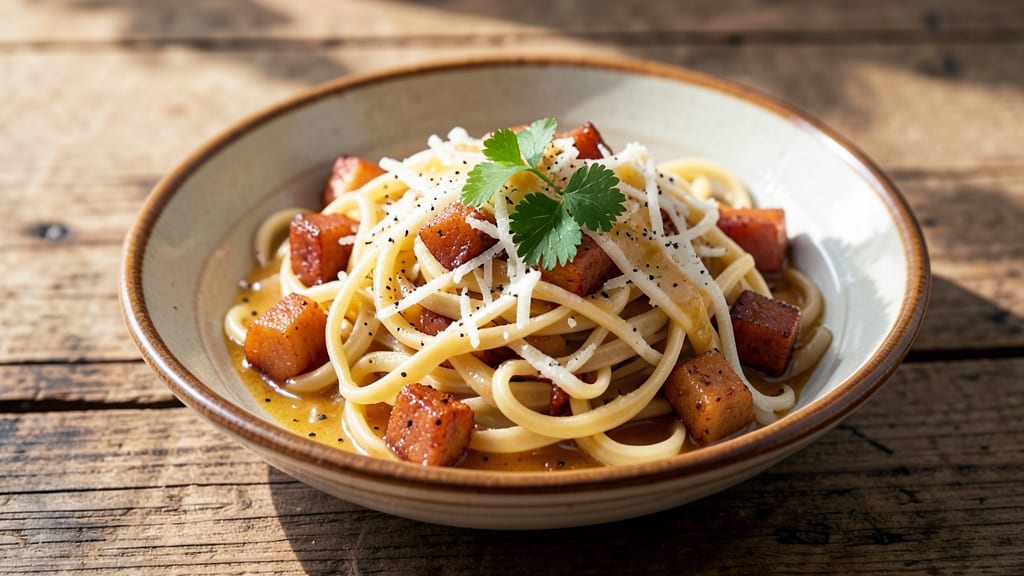
This bacon and cheese pasta recipe delivers the perfect balance of crispy pancetta bites and tender al dente noodles in a rich, cheesy sauce that’s impossible to resist.
The secret lies in rendering the bacon until it’s golden and crisp—no soggy edges here—while the cheese melts into a velvety blanket over perfectly cooked pasta. I’ve refined this recipe over years of testing, ensuring every bite has that satisfying crunch and creamy pull.
What sets this dish apart is the technique: high-heat bacon for maximum crispiness and a two-step cheese process to prevent clumping. The sauce starts with a simple butter and flour roux, then builds depth with heavy cream and a blend of sharp cheddar and Gruyère.
The result? A sauce so rich it clings to every noodle, while the pancetta adds a salty, smoky contrast that elevates everything.
By the time you twirl that first forkful, you’ll taste the crispy bacon, the al dente pasta, and the melted cheese all working together in perfect harmony.
The dish is hearty enough for a weeknight dinner but impressive enough for company—no one will guess it’s a foolproof recipe that comes together in under 30 minutes. Garnish with fresh parsley or extra cheese for that restaurant-quality finish.
The beauty of this recipe is its versatility. Swap pancetta for regular bacon if needed, or add a splash of pasta water to adjust the sauce consistency. Leftovers reheat beautifully, making it a great meal-prep option. Let’s get cooking—your taste buds will thank you.
Ingredients for bacon and cheese pasta
Crispy pancetta, rich cheddar, and al dente fettuccine—this dish delivers restaurant-quality flavor with simple techniques.
| Ingredient | Amount | Notes |
|---|---|---|
| Pancetta 🥓 | 6 oz | Diced into small cubes, no rind |
| Fettuccine 🍝 | 12 oz | Dried, al dente preferred |
| Unsalted Butter 🧈 | 4 tbsp | Cold, cut into small pieces |
| All-Purpose Flour 🌾 | 2 tbsp | Diamond Crystal preferred |
| Heavy Cream 🥛 | 1 cup | Full-fat for richness |
| Sharp White Cheddar 🧀 | 1 ½ cups | Shredded, aged 6+ months |
| Gruyère Cheese 🧀 | ½ cup | Shredded, nutty flavor |
| Garlic Cloves 🧄 | 2 cloves | Minced, fresh preferred |
| Fresh Parsley 🌿 | ¼ cup | Chopped, for garnish |
| Kosher Salt 🧂 | 1 ½ tsp | Diamond Crystal preferred |
| Freshly Ground Black Pepper 🌶️ | ½ tsp | Cracked peppercorn preferred |
| Pasta Water 💧 | ½ cup | Reserved from cooking |
The pancetta makes or breaks this dish. Look for thick-cut pancetta at specialty markets or the deli section—it renders beautifully with that perfect smoky crunch. If you can't find pancetta, high-quality thick-cut bacon works, but render it at lower heat to prevent burning. For the cheese, Gruyère adds depth that pre-shredded blends can't match—buy a wedge and grate it yourself. The fresh parsley at Whole Foods or Trader Joe's stays vibrant longer than grocery store bundles.
No pancetta? Thick-cut bacon cut into 1/4-inch cubes is a solid swap, but render it at 300°F instead of high heat. The cheddar can be swapped for Parmigiano-Reggiano if you prefer a sharper flavor, though Gruyère's nutty notes are ideal. For the roux, European-style butter (like Plugrá) adds more flavor than standard American brands. If you're short on pasta water, whole milk or heavy cream works in a pinch, but the starch helps emulsify the sauce properly.
Rendered pancetta keeps for 5 days in the fridge if stored in an airtight container. The shredded cheese blend can be prepped ahead and frozen for 3 months—just thaw in the fridge before using. This pasta reheats beautifully—toss with a splash of pasta water to restore creaminess. For meal prep, cook the pasta separately and assemble with the sauce to maintain al dente texture. Garnish with parsley just before serving to preserve its freshness.
Why You'll Love This Recipe
- Fewer Ingredients, Bigger Payoff: I swear by this—just pancetta, butter, and flour make that golden, crispy bacon crust. No fancy add-ins needed. The heavy cream ties it all together with zero fuss.
- Creamy Crispy Magic: That first bite? Crunchy bacon bits on fettuccine, melting into a velvety sauce. Honestly, it’s the kind of dish where you’ll pause mid-chew just to appreciate how good it is.
- Weeknight to Weekend: Make a big batch on Sunday—it reheats like a dream (just add a splash of milk). Perfect for busy nights or when friends drop by unexpectedly. My go-to for lazy Saturdays too.
- Budget-Friendly Luxury: Pancetta and butter aren’t cheap, but they stretch farther than you’d think. A single batch feeds four, and leftovers taste just as good cold the next day. (Yes, even on a Tuesday night.)
Step-by-step instructions for bacon and cheese pasta
Master this technique and you'll achieve perfectly crispy pancetta alongside al dente noodles.
Render the Pancetta Until Crispy
Place the 6 oz pancetta in a large skillet over medium heat and cook for 8-10 minutes, stirring occasionally. The fat will render out slowly, and you'll notice the cubes begin to crisp at the edges. I press down gently on the pancetta with a spatula during the first minute—this prevents it from curling and ensures even contact with the pan.
Continue cooking until the pancetta reaches deep golden brown with crisp edges. You should have about 2 tablespoons of rendered fat remaining in the pan—this is the foundation for your sauce. If the pancetta starts to smoke or burn, reduce the heat slightly. Remove the pancetta from the skillet and set aside on a paper towel-lined plate, leaving the rendered fat in the pan.
Cook the Fettuccine Al Dente
Bring a large pot of water to a rolling boil and add 1.5 teaspoons kosher salt. Once boiling, add the 12 oz fettuccine and cook for 1 minute less than the package instructions for al dente. You want the pasta to be firm to the bite—it will finish cooking in the sauce.
Reserve ½ cup pasta water before draining the fettuccine. This starchy liquid is essential for creating a silky sauce. Drain the pasta and return it immediately to the skillet with the pancetta fat. Toss to coat the noodles evenly in the rendered fat, which will help build flavor and prevent sticking.
Build the Creamy Cheese Sauce
Reduce the heat to medium-low and add the 4 tablespoons cold butter and 2 tablespoons all-purpose flour to the skillet. Stir constantly for 2-3 minutes until the mixture forms a smooth, pale roux. This step is critical—it thickens the sauce and removes any raw flour taste.
Gradually whisk in the 1 cup heavy cream, allowing it to absorb fully before adding more. Then, stir in the 1.5 cups sharp white cheddar and ½ cup gruyère cheese until completely melted and smooth. The sauce should coat the back of a spoon but remain pourable. If it thickens too much, add 1-2 tablespoons reserved pasta water to loosen it.
Finish with Aromatics and Combine
Add the 2 minced garlic cloves and cook for 30 seconds until fragrant. Be careful not to let the garlic burn—it should just perfume the sauce. Return the crispy pancetta to the skillet and toss everything together for 1-2 minutes until the pasta is heated through and coated in the sauce.
Season with ½ teaspoon freshly ground black pepper and adjust the salt if needed. The cheese sauce should be rich but not overly heavy, with crispy pancetta bits distributed throughout. Garnish with ¼ cup chopped fresh parsley just before serving to add brightness and contrast the richness.
Pro Tips For Making Bacon And Cheese Pasta
- CRISP THE PANCETTA RIGHT: Pancetta won’t render fat the same way bacon does—it stays chewy if you’re not patient. Cook it low and slow in a cold pan (yes, cold) until the fat pools and the edges turn golden, then crank the heat to crisp the edges in the last 30 seconds. That’s when it gets addictive.
- TOSS PASTA WITH FAT: Drain your fettuccine, but don’t rinse—save that starchy water. Toss the hot pasta in the pancetta fat (and a splash of pasta water) right off the heat. The fat clings to the noodles, making every bite richer. (I used to skip this and wondered why my sauce felt separate.)
- STOP WHEN CREAM HITS 195°F: Heavy cream scalds at 200°F, and that’s when it curdles—fast. Use a thermometer or watch for tiny bubbles forming at the edges. Pull the pan off heat the second you see them. Your sauce will thicken as it cools, but it won’t break.
- SALT THE CREAM SAUCE: Unsalted butter and pancetta are both low-sodium, and heavy cream has almost none. Taste the sauce before adding cheese—you’ll need at least ½ teaspoon salt per cup of cream. Trust me, your taste buds will notice the difference.
Wine and beer pairings for these flavors
Red Wine Pairings
A bold Chianti Classico or Barolo cuts through the richness of the cheese sauce while complementing the smoky pancetta. I reach for Chianti Classico from Tuscany—its bright acidity and cherry notes balance the dish's creaminess.
For a lighter option, try a Pinot Noir from Oregon, which adds earthy undertones that harmonize with the Gruyère. 🍷
Beer Pairings
A crisp Italian lager like Peroni or Birra Moretti cleanses your palate between bites. The effervescence and subtle malt sweetness contrast beautifully with the salty pancetta. For craft beer lovers, a Belgian witbier (like Hoegaarden) with its citrus and coriander notes adds an unexpected but delightful twist. 🍺
Creamy Sauce + White Wine
If you prefer white wine, a Chardonnay from California or Burgundy works wonders. Look for one with moderate oak aging—it adds vanilla notes that enhance the cheese sauce.
I love La Crema Monterey Chardonnay for its balance of richness and acidity. Avoid overly oaky whites that might overpower the dish. ✨
Non-Alcoholic Options
For a refreshing non-alcoholic pairing, try a sparkling apple cider like Martinelli's. The carbonation and slight tartness cut through the richness, while the apple notes complement the pancetta's smokiness. A ginger beer with a squeeze of lime also works beautifully, adding a zesty contrast. 🍏
Dessert Wine Bonus
Save a glass of Vin Santo for after dinner—its honeyed sweetness and nutty notes echo the Gruyère in the pasta. A small sip cleanses the palate and prepares you for dessert. This is my go-to when hosting dinner parties with this dish. 🍷
Nutrition facts
Frequently asked questions
Can I use regular bacon instead of pancetta?
Yes! For the best results, use thick-cut bacon cut into 1/4-inch cubes. Cook it at 300°F instead of high heat to prevent burning. Regular bacon will still give you that smoky flavor, though pancetta has a slightly more delicate texture and richer fat.
How do I prevent the cheese sauce from getting grainy?
Shred your cheese yourself using a microplane or box grater—pre-shredded cheese contains anti-caking agents that make it clump. Also, add the cheese gradually while stirring constantly over low heat. If it starts to separate, whisk in 1 tablespoon reserved pasta water at a time until smooth.
Can I make this dish ahead of time?
Cook the pasta al dente, then toss it with the cheese sauce (without the pancetta) and store in an airtight container for 2-3 days. Reheat gently on the stove with a splash of pasta water. Add the crispy pancetta fresh when serving to maintain its crunch.
What's the best pasta shape for this recipe?
Fettuccine works perfectly with its flat surface for clinging to sauce, but pappardelle or tagliatelle are excellent alternatives. For extra texture, try rigatoni or penne—just add 1 extra tablespoon pasta water to the sauce to help it coat the ridges.
Why did my pancetta turn out soggy?
Soggy pancetta usually means the heat was too low or the fat wasn't rendered properly. Cook it over medium heat and press down with a spatula during the first 1-2 minutes to prevent curling. Remove it when it reaches deep golden brown and set it on a wire rack (not paper towels) to keep it crispy while you finish the sauce.