
Side Dishes
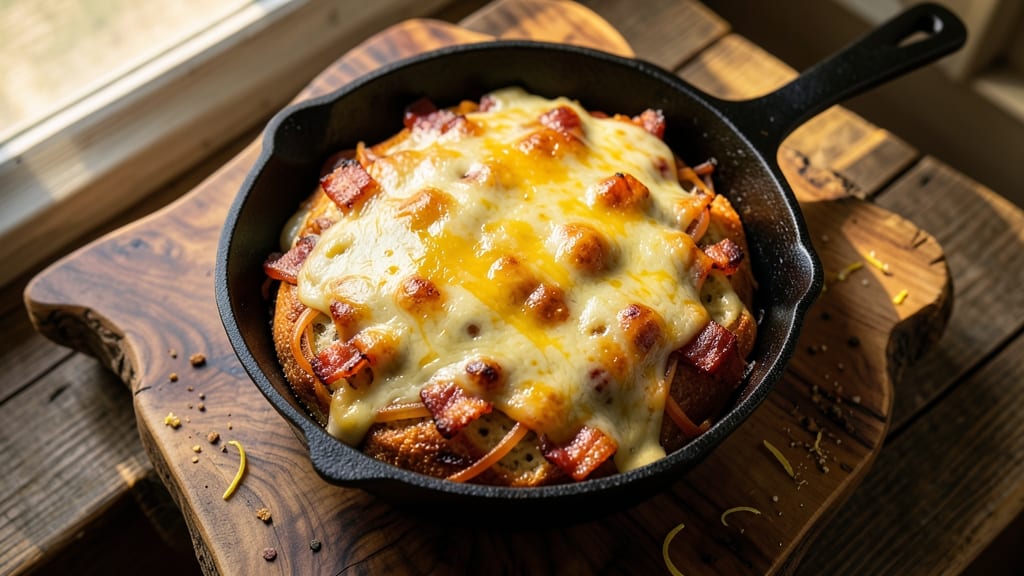
This bacon cheese and onion bread recipe delivers a pull-apart masterpiece with layers of smoky bacon, sharp cheddar, and caramelized onions—perfect for game day or holiday feasts. The secret lies in a simple dough that transforms into a golden, flaky crust with tender pockets of savory filling.
I’ve perfected this version to ensure the bread stays crispy on the outside while meltingly soft inside, with every bite packed with bold flavors.
The beauty of this recipe is its approachability—no fancy techniques required. You’ll start with a basic dough that comes together in under 10 minutes, then let it rise while you prep the filling.
The bacon renders its fat into the onions, creating a rich, caramelized base, while the cheese adds a creamy, stretchy texture that holds the bread together. Baking at 375°F ensures a crispy exterior with a tender interior, and the pull-apart crust is the ultimate crowd-pleaser.
What you’ll end up with is a loaf that’s impossible to resist—crispy, cheesy, and smoky, with each pull revealing gooey layers of flavor. The aroma alone will have everyone gathering around the table, and the versatility means it works as a side dish, appetizer, or even a hearty snack.
Whether you’re feeding a crowd or treating yourself to a cozy meal, this bread delivers restaurant-quality results without the fuss.
Pair it with a fresh salad or tangy coleslaw for a balanced meal, or serve it warm with extra melted cheese on top. The leftovers reheat beautifully, making it a great make-ahead option for gatherings. Here’s how to create this crowd-pleasing classic in your own kitchen.
Ingredients for bacon cheese and onion bread
Eight simple ingredients transform into a pull-apart masterpiece with smoky, cheesy layers.
| Ingredient | Amount | Notes |
|---|---|---|
| All-Purpose Flour 🌾 | 5 cups | Spooned and leveled (not scooped) |
| Active Dry Yeast 🍞 | 2 ¼ tsp | One packet or 1/4 oz |
| Granulated Sugar 🍚 | 1 tbsp | For yeast activation |
| Warm Water 💧 | 1 ¼ cups | 110°F (not hot to touch) |
| Unsalted Butter 🧈 | ½ cup | Cold, cubed (not melted) |
| Sharp Cheddar Cheese 🧀 | 2 cups | Shredded (block preferred) |
| Cooked Bacon 🥓 | 1 ½ cups | Crumbled, thick-cut preferred |
| Yellow Onion 🧅 | 1 ½ cups | Finely chopped, caramelized |
| Heavy Cream 🥛 | ¼ cup | For extra richness |
| Salt 🧂 | 1 ½ tsp | Diamond Crystal preferred |
| Black Pepper 🌶️ | 1 tsp | Freshly cracked |
| Garlic Powder 🧄 | ½ tsp | For depth of flavor |
| Olive Oil 🫒 | 1 tbsp | For dough and pan |
The bacon and cheese are the stars here—thick-cut bacon (like Oscar Mayer or Applegate) gives the best flavor, and sharp cheddar (like Cabot or Parmalat) melts perfectly. Caramelizing the onions in the bacon fat is key—skip the pre-cooked kind, trust me. For the dough, King Arthur flour or Gold Medal works best, but any all-purpose will do. The yeast needs to be fresh, so check the date on the packet—if it's older than a few months, toss it.
No thick-cut bacon? Regular bacon works fine, just don’t overcook it—crispy is good, but burnt is bad. Cheese shortage? Monterey Jack or Gouda are solid swaps, though cheddar is non-negotiable for that classic tang. Onions too strong? Soak chopped onions in cold water for 10 minutes to mellow the flavor. The dough can be made a day ahead—just let it rise overnight in the fridge for deeper flavor. And if you’re short on time, instant yeast works at half the amount.
This bread reheats like a dream—350°F for 10 minutes with a damp towel over it keeps it crispy. Store leftovers in an airtight container for 3 days, or freeze the whole loaf for up to 3 months. I always make a double batch—one for the table, one for later. The aroma alone will have everyone asking for seconds, so plan accordingly.
Why You'll Love This Recipe
- No-Knead Magic: Mix the dough, let it rise—then walk away. That’s it. No punchy arms, no flour everywhere, just a soft, stretchy loaf waiting for you when you’re ready.
- Crispy Cheese Edge: The moment that golden, buttery crust cracks open? Pure satisfaction. The sharp bite of caramelized onions and smoky bacon layers into the warm, pillowy center—like a hug in bread form.
- Weeknight Hero: Toss it in a slow cooker while you prep dinner, or bake it first thing for breakfast sandwiches all week. Honestly, I’ve had it cold the next day with peanut butter and it still won me over.
- Budget Stretch: A single dough makes two loaves—one for now, one for later. Use the leftovers for garlic bread, French toast, or even croutons. That yeast packet? Your new best friend for stretching meals without breaking the bank.
Step-by-step instructions for bacon cheese and onion bread
Here's how to create that irresistible pull-apart crust with layers of smoky bacon and sharp cheddar.
Activate the Yeast and Mix the Dough
In a large bowl, combine the 1.25 cups warm water with the 1 tbsp granulated sugar and 2.25 tsp active dry yeast. Let it sit for 5-10 minutes until foamy—this tells you the yeast is alive and ready to work. If it doesn't bubble, your yeast might be dead, and you'll need to start over.
Once bubbly, add the 5 cups all-purpose flour, 1.5 tsp salt, 1 tsp black pepper, and 0.5 tsp garlic powder. Mix with a wooden spoon until a shaggy dough forms. Then add the 0.5 cup cold cubed unsalted butter and 0.25 cup heavy cream to the dough. Knead by hand for 8-10 minutes until smooth and elastic. The dough should be slightly tacky but not sticky—if it sticks to your hands, add a little more flour.
Incorporate the Filling and First Rise
In a separate bowl, combine the 1.5 cups cooked bacon, 1.5 cups finely chopped yellow onion, and 2 cups shredded sharp cheddar cheese. Mix well to distribute the flavors evenly. This is your bread's star filling—don't skip the caramelization of the onions, as it adds that sweet depth that makes this bread extraordinary.
Roll out the dough on a floured surface into a 16x12-inch rectangle. Sprinkle the bacon-cheese-onion mixture evenly over the dough, leaving a 1-inch border around the edges. Roll up the dough tightly from the long side, sealing the edge with a bit of water to create a log. Place the log seam-side down in a greased 9x5-inch loaf pan and cover with a clean kitchen towel. Let it rise in a warm place for 1-1.5 hours or until doubled in size.
Shape and Second Rise
Remove the dough from the pan and place it on a lightly floured surface. Gently press down on the dough to flatten it slightly, then fold it in half like a book. Roll it out again into a 16x12-inch rectangle and repeat the filling process, spreading the bacon-cheese-onion mixture evenly. Roll it up tightly once more, this time pinching the seam to seal it completely.
Place the dough back in the greased loaf pan, seam-side down, and let it rise again for 30-45 minutes until it's puffy and nearly fills the pan. The second rise is crucial—it ensures that pull-apart texture we all love. Preheat your oven to 375°F while the dough rises. This is where the magic happens, so don't rush it.
Bake to Golden Perfection
Brush the top of the dough with the 1 tbsp olive oil to give it a beautiful golden finish. Bake in the preheated oven for 40-45 minutes until the bread is golden brown and sounds hollow when tapped on the bottom. The internal temperature should reach 190-200°F—this ensures it's fully cooked through.
Remove the bread from the oven and let it cool in the pan for 10 minutes before transferring it to a wire rack. The bread will be incredibly hot, so use oven mitts. Once cooled slightly, slice it into thick pieces and serve warm. The layers of gooey cheese, crispy bacon, and caramelized onions will make every bite worth the effort.
Serve and Enjoy
This bread is best served immediately while still warm. The cheese should be melted and stretchy, the bacon crispy, and the crust golden and flaky. For an extra touch, sprinkle with a little extra black pepper or serve with a side of warm marinara sauce for dipping. The combination of textures and flavors in each bite is what makes this bread a crowd-pleaser.
Store any leftovers in an airtight container at room temperature for up to 2 days, or freeze for up to 3 months. When reheating, wrap the bread in foil and warm in the oven at 350°F for 10-15 minutes to restore that fresh-baked goodness.
Pro Tips For Making Bacon Cheese And Onion Bread
- Measure Butter Cold: Unsalted butter straight from the fridge is your friend here—it won’t melt into the dough and turn it into a greasy mess. Scoop it in chunks (about ½ cup total) and let it sit at room temp for exactly 10 minutes before mixing, no more. I used to soften it too long, and the dough would get sticky and hard to handle.
- Proof Yeast in Warm Water: That "warm" water label on the yeast packet isn’t a suggestion—it’s non-negotiable. Fill your measuring cup with water at 110°F (43°C) max, then add the sugar and yeast. If it’s too hot, you’ll kill the yeast; too cold, and it’ll take forever to activate. Stick your finger in—should feel like bathwater, not sauna or ice bath.
- Slice Bacon Thin: Thick bacon slices won’t crisp properly and will make your bread soggy. Use a sharp knife to cut each slice into ¼-inch strips—almost like bacon confetti. Cook them until the edges are crispy but not fully done; you’ll finish them in the oven later, and they’ll stay crunchy.
- Shape Dough Gently: Overworking the dough after adding cheese and onions will deflate it faster than a sad balloon. Wet your hands, use a light touch, and fold the dough just enough to distribute the filling evenly. If it resists, let it rest another 5 minutes—no need to force it.
Common mistakes when making great bacon cheese and onion bread
Overworking the Dough
I’ve seen many home cooks knead this dough like they’re trying to win a bread-making competition, but overworking it creates a tough, dense loaf instead of that tender, pull-apart texture we want. Once the dough comes together after adding the butter and cream, knead just until smooth—about 8-10 minutes.
The dough should be tacky but not sticky, and it should spring back slightly when pressed. If you keep kneading past this point, you’ll end up with a bread that’s more like a brick than a fluffy, cheesy delight. 💫
Skipping the Caramelization
One of the biggest mistakes is not cooking the bacon and onions until deeply caramelized. The onions should be soft, sweet, and almost golden—this is what adds that irresistible depth of flavor.
I’ve tried shortcuts like using pre-cooked bacon or raw onions straight from the bag, and let me tell you, the results are disappointing. Cook the bacon until crispy, then use that rendered fat to caramelize the onions for 15-20 minutes on medium-low heat. Patience pays off here—trust the process!
Underfilling the Dough
This bread relies on that gooey, pull-apart magic, so don’t skimp on the filling! If you spread the bacon-cheese-onion mixture too thinly, you’ll end up with a dry, flavorless loaf.
Aim for a 1-inch border around the edges when rolling out the dough, but make sure the center is generously packed. Think of it like stuffing a turkey—you want that filling to peek out slightly when you roll it up. The more filling, the better the pull-apart experience!
Rushing the Rises
The dough needs time to rise properly—both the first and second rises are critical for that light, airy texture. I’ve seen people impatiently bake their bread after only 30 minutes of rising, and the result is dense and heavy.
The first rise should take 1-1.5 hours until the dough doubles in size, and the second rise should be 30-45 minutes until it’s puffy and nearly fills the pan.
If your kitchen is cold, place the dough near a warm spot (like the top of the oven with the light on) to help it rise faster. Don’t rush it—good things take time!
Overbaking the Bread
It’s easy to walk away from the oven and forget about your bread, but overbaking turns that perfect, gooey interior into a dry, rubbery mess. The bread is done when it’s golden brown and sounds hollow when tapped on the bottom.
The internal temperature should reach 190-200°F. If you’re unsure, pull it out a few minutes early—it’ll continue cooking as it sits in the pan. Trust your instincts, and don’t let it bake to perfection (or over it!).
Ignoring the Olive Oil Brush
That final brush of olive oil before baking isn’t just for looks—it creates a beautiful golden crust and adds richness to the flavor. Skipping it means your bread will be dry and lackluster.
Use the 1 tbsp olive oil called for in the recipe and brush it evenly over the top of the dough just before baking. This simple step makes a world of difference in the final result! 🔥
Nutrition facts
Frequently asked questions
Can I make this bread without yeast?
This recipe relies on yeast for that signature pull-apart texture, but you can adapt it! For a quick version, replace the yeast with 2 tsp baking powder and 1 tsp baking soda—just bake immediately at 375°F for 30-35 minutes. The result will be denser but still delicious. For a sourdough-style version, use a starter instead of yeast and extend the rising time.
How do I prevent the cheese from leaking out?
Sealing the edges properly is key! After rolling the dough, pinch the seam tightly and seal it with a bit of water. For extra security, press the dough gently into the pan to create a tight seal. If you're worried, place a sheet of parchment paper under the dough before baking—it makes cleanup easier and contains any potential leaks.
What's the best way to reheat leftovers?
Wrap the bread in foil and reheat at 350°F for 10-15 minutes to restore crispiness. For a crispy top, finish with 1-2 minutes under the broiler. Avoid microwaving—it makes the bread soggy. Pro tip: Store leftovers in an airtight container to keep them fresh longer.
Can I use a different type of cheese?
While sharp cheddar is traditional, try Monterey Jack for creaminess or Gouda for nutty depth. For extra richness, mix cheeses—like 50% cheddar, 30% pepper jack, 20% mozzarella. Avoid pre-shredded cheese (it has anti-caking agents that prevent proper melting). Always shred your own for best results.
Why did my bread turn out dense?
Dense bread usually means one of three things: over-kneading (stop when dough springs back), under-rising (wait until fully doubled), or overfilling (leave that 1-inch border). Check your yeast—it should be fresh (test by dissolving in warm water with sugar; it should bubble within 5 minutes). Cold kitchen? Place dough near a warm oven with the light on to help it rise faster.