
Breakfast & Brunch
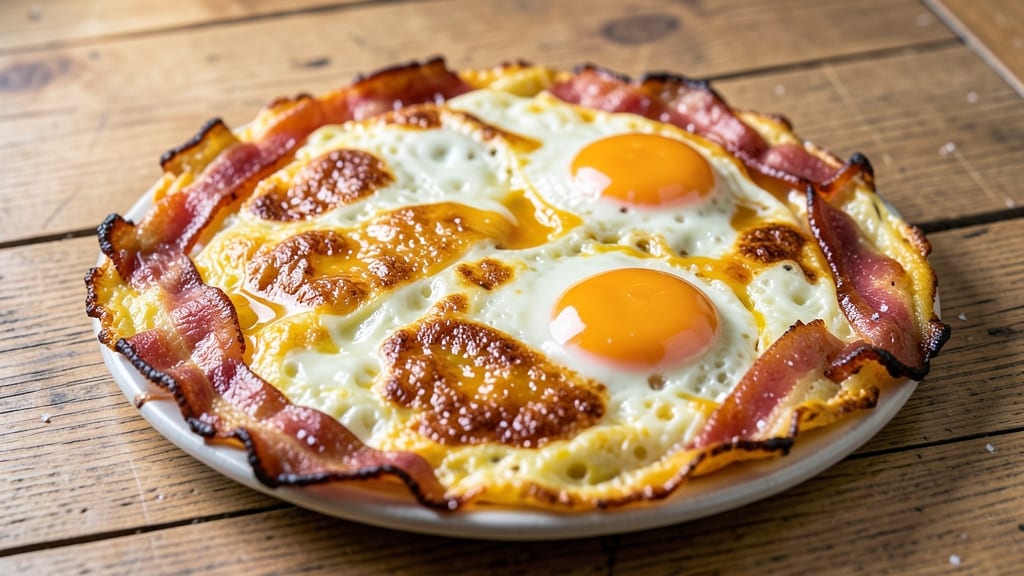
This bacon egg cheese omelet recipe delivers the perfect balance of crispy edges and melted gooey centers that make every bite irresistible.
The secret lies in properly whisked eggs that create a silky texture while maintaining structure, paired with perfectly rendered bacon and just the right amount of cheese for that stretchy, satisfying pull.
I’ve perfected this technique over years of morning experiments, and it never fails to impress—whether you’re feeding a crowd or treating yourself to a solo breakfast.
The foundation starts with high-quality ingredients: thick-cut bacon for maximum crispiness, fresh eggs for rich flavor, and sharp cheddar or mozzarella for that signature melt. Cooking the bacon first captures its smoky aroma, which infuses the eggs as they cook.
A nonstick skillet ensures crispy edges without sticking, while low-and-slow heat keeps the interior tender. The key? Folding the omelet just as it sets—this creates those signature smooth folds while trapping the gooey cheese inside.
What you’ll end up with is an omelet that’s crispy on the edges, fluffy in the middle, and packed with layers of flavor—smoky bacon, creamy eggs, and melted cheese that stretches with every bite.
The aroma alone will wake up your kitchen, and the first forkful delivers that perfect combination of textures and tastes. This isn’t just breakfast; it’s a meal worth savoring.
For extra richness, add a sprinkle of fresh herbs or a dash of hot sauce, but the classic version is foolproof and always satisfying. Ready in just 15 minutes, this omelet proves that homemade can beat any diner version. Let’s get cooking!
Ingredients for bacon egg cheese omelet
Six ingredients, one skillet, and a breakfast that beats any diner version.
| Ingredient | Amount | Notes |
|---|---|---|
| Thick-Cut Bacon 🥓 | 6 oz | Cut into 1/2-inch pieces |
| Large Eggs 🥚 | 6 whole | Fresh, room temperature |
| Sharp Cheddar Cheese 🧀 | ¾ cup | Shredded, sharp flavor preferred |
| Mozzarella Cheese 🧀 | ½ cup | Fresh, shredded or sliced |
| Unsalted Butter 🧈 | 2 tbsp | For skillet coating |
| Salt 🧂 | ½ tsp | Kosher or sea salt |
| Freshly Ground Black Pepper 🌶️ | ¼ tsp | Freshly cracked |
| Fresh Chives 🌿 | 2 tbsp | Chopped, for garnish |
| Hot Sauce 🔥 | 1 tbsp | Optional, for serving |
The bacon makes all the difference here. Thick-cut bacon from Costco or local butchers delivers that perfect crispy texture—thinner slices burn before they render. Look for slices with good marbling, not the lean, rubbery kind. The eggs? Fresh from the carton (check the date—older eggs won't whip up as fluffy). For the cheese, sharp cheddar and fresh mozzarella create that ideal balance of tang and melt. Pre-shredded cheese has anti-caking agents that make it less gooey, so grab blocks and shred them yourself if you can. And butter? Unsalted, cold—it coats the pan better than melted butter ever could.
No thick-cut bacon? Regular bacon cut into smaller pieces works, but it’ll crisp faster. Short on sharp cheddar? Pepper jack or Gruyère add great flavor. Fresh mozzarella hard to find? Low-moisture shredded is fine, but pat it dry first to avoid excess moisture. The chives are optional, but they add a bright finish—frozen works in a pinch. Hot sauce? Any brand you like—just keep it on the side until serving. And if you’re cooking for more than four, double everything. This scales beautifully.
Bacon keeps best in the fridge for 5-7 days once opened, but it freezes for up to 6 months if you’re prepping ahead. Eggs stay fresh for 3-5 weeks in the fridge, but use them within a week for best results. Cheese? Store wrapped tightly—it’ll last 2 weeks in the fridge. For extra crispy bacon, render it ahead and store in the fridge, then reheat in the skillet for 30 seconds before adding eggs. The omelet itself reheats poorly, so make it fresh for the best texture.
Why You'll Love This Recipe
- One-Pan Magic: That’s it—just one pan, no flipping chaos. The thick-cut bacon renders its own fat, so you’re not scrambling for oil, and the eggs cook right in the same juices. (Yes, even on a Tuesday night when you’re still in pajamas.)
- Salty-Savory Crunch: The sharp cheddar melts into gooey strings while the mozzarella adds that stretchy pull—like a cheesy hug in every bite. And that crispy bacon? It’s the star, salty enough to make you reach for another forkful without even trying.
- Breakfast or Lunch: Honestly, I’ve served this for both without judgment. Pack it in a container for a quick workday lunch, or make a big batch for brunch when friends drop by. The cheeses stay warm, the bacon stays crisp, and no one complains.
- Budget-Friendly Powerhouse: Eggs are cheap, bacon stretches far, and those two cheeses make it feel fancy. I’ve fed four people for under $10, and they all ask for seconds. (Between us, the leftovers are even better the next day—if they last that long.)
Step-by-step instructions for bacon egg cheese omelet recipe
Master this technique and you'll achieve perfectly crispy edges with gooey melted cheese every time.
Cook the Thick-Cut Bacon Until Crispy
Place the 6 oz thick-cut bacon in a cold, non-stick skillet over medium-low heat. Cook for 12-15 minutes, flipping occasionally, until the bacon reaches golden brown and crispy edges form. The fat should render out completely, leaving you with about 2 tablespoons of bacon fat remaining in the pan.
Here's the thing—don't rush this step. Low heat prevents burning while rendering all that flavorful fat. Once the bacon is done, remove it from the pan using a slotted spoon and set aside on paper towels to drain excess fat. Keep the bacon fat in the skillet; we'll use it later to cook the omelet. If you need more fat, add 1 tablespoon of the unsalted butter to the pan.
Whisk Eggs and Season Perfectly
In a medium bowl, crack the 6 whole large eggs and add the 0.5 teaspoon salt and 0.25 teaspoon freshly ground black pepper. Using a fork or whisk, beat the eggs vigorously for 30-45 seconds until fully combined and frothy. This step ensures even cooking and a light, fluffy texture.
I like to add a splash of water—about 1 tablespoon—to the egg mixture for extra tenderness. The moisture creates steam during cooking, preventing dryness. If you're using the reserved bacon fat, don't worry about adding extra oil; the fat provides enough lubrication for the pan.
Melt Cheeses and Prepare Filling
While the eggs are whisking, place the 0.75 cup sharp cheddar cheese and 0.5 cup mozzarella cheese in a separate bowl. Microwave for 15-20 seconds or melt them in a small saucepan over low heat until just soft and stringy. You want them warm but not fully melted—this ensures they stay gooey in the omelet.
Combine the melted cheeses with the cooked bacon in the bowl. Stir gently to distribute evenly. The cheeses should be warm enough to coat the bacon pieces lightly. Keep this mixture at room temperature while you prepare the omelet—cold cheese won't melt properly in the hot pan.
Cook the Omelet with Crispy Edges
Wipe the skillet clean with a paper towel to remove any excess bacon grease, then return it to medium heat. Add the remaining 1 tablespoon unsalted butter if needed. Pour the egg mixture into the skillet, tilting the pan to spread the eggs evenly across the surface.
Cook for 2-3 minutes without stirring, until the edges begin to set and the bottom turns light golden brown. Here's where it gets crucial: tilt the pan slightly and use a spatula to gently push the cooked edges toward the center, allowing the uncooked egg to flow to the edges. This creates that signature crispy border while keeping the center runny.
Fill and Fold for Perfect Texture
When the top of the omelet is still slightly moist but the edges are crispy, sprinkle half of the cheese-bacon mixture down the center. Fold the omelet in half using the spatula, then fold it once more to create a neat package. Cook for an additional 30-45 seconds until the cheese is fully melted and the exterior is deep golden brown.
Slide the omelet onto a warmed plate, garnish with the 2 tablespoons chopped fresh chives, and serve immediately with the 1 tablespoon hot sauce on the side if desired. The center should be creamy with melted cheeses, while the exterior remains crispy—exactly as promised.
Pro Tips For Making Bacon Egg Cheese Omelet
- CRISP THE BACON FIRST: I learned this the hard way—cooking bacon in the same pan as the omelet makes everything greasy and sad. Instead, cook the bacon until it’s deep golden (not black), then drain it on paper towels and set aside. The residual fat will flavor your omelet without turning it into a fry-up.
- SHRED CHEESE FINE: Sharp cheddar and mozzarella melt differently, and big chunks mean a gummy mess. Use a box grater (not a knife) for the cheddar—aim for rice-sized pieces—and tear the mozzarella into tiny shreds. This ensures even melting and a creamy texture, not a cheesy surprise in every bite.
- SALT THE EGGS LATE: I used to salt the eggs right after cracking them, but that just makes them weep. Instead, add a pinch of salt right before pouring into the pan—right when the butter’s foaming but before the eggs hit. This keeps the whites firm and the yolks rich, without turning your omelet into a watery disaster.
- USE HALF THE CHEESE: Sounds counterintuitive, but piling on cheese makes the omelet dense and soggy. Start with half the amount listed in the recipe, fold it in, then add the rest after the first side is set. This guarantees a gooey center without a greasy, heavy cheesy bottom. (Yes, even if you’re impatient like me.)
Dietary considerations for bacon egg cheese omelet
Gluten-Free Adaptations
This omelet is naturally gluten-free, but watch for hidden sources. Use thick-cut bacon labeled gluten-free (some brands use malt vinegar in seasoning). For extra crispiness, I recommend Applegate or Hormel Natural Choice bacon—they’re consistently free of gluten additives. Always check labels, as bacon seasonings can vary. 🥓
Dairy-Free Options
Swap the cheddar and mozzarella for dairy-free alternatives like Miyoko’s sharp cheddar or Violife mozzarella, which melt beautifully. For extra richness, add nutritional yeast (about 1 tablespoon) to the egg mixture—it adds a cheesy flavor without dairy. The texture will be slightly different but still delicious. 🧀
Lower-Carb Versions
To reduce carbs, skip the mozzarella and use full-fat cream cheese (about ¼ cup) instead—it’s lower in carbs and adds creaminess. For extra protein, fold in 2 extra egg whites to the mixture.
The result is a lighter, fluffier omelet with fewer carbs while keeping the bacon and cheddar for flavor. 🥚
Egg Allergy Substitutes
If you or someone has an egg allergy, this recipe isn’t suitable—but you can try a flour-based omelet alternative using 1 cup all-purpose flour, 1 cup water, 1 tablespoon oil, and 1 teaspoon baking powder for a pancake-like texture.
Cook it like an omelet, then fill with bacon and dairy-free cheese. It won’t be the same, but it’s a creative workaround! 💡
Vegetarian Swaps
For a vegetarian version, replace the bacon with crispy tofu (marinated in soy sauce and smoked paprika) or sautéed mushrooms (about ½ cup, finely chopped). Use the same cheese amounts, and the texture will still hold up beautifully. The flavor profile shifts but keeps that satisfying, gooey center. 🌱
Protein Boost
Add 2 extra egg whites for a protein-packed omelet, or fold in ¼ cup cooked black beans (rinsed and drained) for extra fiber. For a meaty texture without bacon, try crumbled turkey sausage (about 2 oz)—it browns nicely and adds depth. 💪
Nutrition facts
Frequently asked questions
Can I make this omelet without butter?
Yes! Use 2 tablespoons of bacon fat from cooking the bacon (after draining most of it) or olive oil for a lighter option. The fat is crucial for crispy edges, so avoid cooking without any fat at all—it'll make the omelet rubbery.
Why is my omelet dry instead of creamy?
Overcooking is the #1 culprit! Remove the omelet from heat when the center is still slightly runny (30-45 seconds before fully set). Also, whisk the eggs vigorously for 30-45 seconds to incorporate air, and add 1 tablespoon water to the egg mixture for extra moisture.
How do I prevent the cheese from leaking out when folding?
Add the cheese-bacon filling only after the omelet edges are set but the center is still soft. Fold quickly and firmly—press the edges gently with your spatula to seal. For extra security, sprinkle a tiny bit of flour over the filling before folding (it absorbs excess moisture).
Can I make this ahead of time?
Not the omelet itself—but you can prep components! Cook the bacon and melt the cheese ahead, then store separately. Assemble and cook fresh for best texture, but if you must reheat, use a low oven (200°F for 5 minutes) to warm gently. Microwaving makes omelets rubbery.
What's the best cheese for extra stretchiness?
For maximum gooeyness, use fresh mozzarella (80% fat) or fontina cheese. Both melt into silky strings. Avoid pre-shredded cheese (it has anti-caking agents that prevent proper melting). Pro tip: Warm the cheese in the microwave for 10-15 seconds before adding to the omelet.