
Appetizers
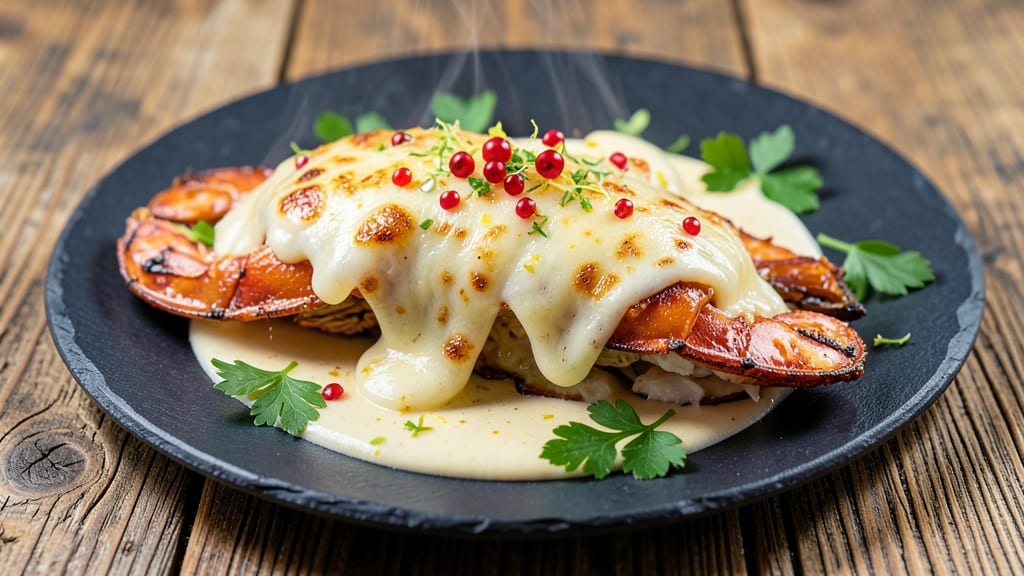
This baked cheese lobster recipe transforms a simple seafood dish into an elegant centerpiece with melted cheese edges and a zesty twist that elevates every bite.
The secret lies in the precise balance of butter, cheese, and herbs that create a golden crust while keeping the lobster meat tender and succulent. Perfect for special occasions or when you want to impress guests, this method ensures restaurant-quality results at home.
What sets this recipe apart is the technique of baking the lobster with a blanket of melted cheese—Gruyère for nutty depth and sharp cheddar for tang—that caramelizes beautifully while infusing the meat with rich, savory flavor.
The addition of lemon zest and fresh herbs adds brightness, cutting through the richness for a perfectly balanced bite. With just 20 minutes of active prep and 15 minutes of baking, you'll have a dish that looks and tastes like it belongs on a fine-dining menu.
The result is a lobster that's tender on the inside with a crispy, cheesy exterior that's impossible to resist. The aroma alone—warm butter, melted cheese, and fresh herbs—will have everyone gathered around your table.
This recipe is designed to be both impressive and approachable, making it ideal for those who want to cook like a pro without the fuss.
Pair it with a simple arugula salad or crusty bread to soak up every last bit of that buttery, cheesy goodness.
The presentation is just as important as the flavor, so serve it on a platter with lemon wedges and fresh herbs for a dish that's as beautiful as it is delicious. Let's get started on creating this showstopper.
Ingredients for baked cheese lobster
The secret to restaurant-quality baked cheese lobster lies in these carefully chosen ingredients.
| Ingredient | Amount | Notes |
|---|---|---|
| Live Lobster Tails 🦞 | 1 ½ lb | Shell-on, thawed if frozen |
| Unsalted Butter 🧈 | ½ cup | Cold, cut into pieces |
| Gruyère Cheese 🧀 | 1 cup | Freshly grated, nutty variety |
| Sharp White Cheddar Cheese 🧀 | ½ cup | Freshly grated, tangy flavor |
| Fresh Lemon Zest 🍋 | 1 tbsp | From 1 organic lemon |
| Fresh Parsley Leaves 🌿 | ¼ cup | Chopped, flat-leaf preferred |
| Fresh Chives 🌱 | 2 tbsp | Chopped, mild onion flavor |
| Garlic Cloves 🧄 | 2 cloves | Minced, fresh preferred |
| Salt 🧂 | 1 tsp | Diamond Crystal kosher |
| Black Pepper 🌶️ | ½ tsp | Freshly cracked |
| Fresh Lemon Juice 🍋 | 1 ½ tbsp | From 1 organic lemon |
| All-Purpose Flour 🌾 | 1 tbsp | For dusting baking sheet |
| Olive Oil 🫒 | 1 tbsp | For brushing lobster |
The lobster is the star, so quality matters. Look for live lobster tails at your local seafood market—Whole Foods or Trader Joe's carry excellent options. If frozen, thaw overnight in the fridge. The cheese blend is non-negotiable: Gruyère's nutty depth pairs perfectly with sharp cheddar's tang. Both should be freshly grated—pre-shredded gets clumpy. For the herbs, fresh parsley and chives (not dried) bring that bright, fresh flavor that cuts through the richness. If you're prepping ahead, store the cheese blend in an airtight container for up to 3 days.
No Gruyère? Parmesan or Emmental work in a pinch, though the flavor will differ slightly. Short on chives? Green onions at double the amount substitute well. The butter must be cold when baking—cut it into small pieces so it melts evenly. Lemon zest and juice should be fresh—bottled zest lacks the vibrant flavor. For extra richness, some chefs add a splash of dry white wine to the butter mixture. If you're serving a crowd, double the recipe—just increase the baking time by 2-3 minutes.
Prep the lobster just before baking to keep it tender. The baking sheet should be well-floured to prevent sticking. Once baked, transfer the lobster to a serving platter immediately—the cheese sets quickly. Store leftovers in the fridge for 2 days, but honestly, it's best enjoyed fresh. For presentation, arrange the lobster tails on a platter with lemon wedges and extra herbs. The aroma alone will have guests anticipating every bite. If you're making this ahead, assemble everything except the butter and bake just before serving.
Why You'll Love This Recipe
- One-Pan Magic: I swear by this—just toss the lobster tails on a sheet, blanket them in butter and cheese, and let the oven do the work. No chopping, no fuss, just hands-off perfection.
- Cheese-Lover’s Dream: That Gruyère and sharp cheddar combo? It’s like a warm hug for your taste buds, especially when it melts into the tender lobster meat. The lemon zest cuts through the richness so cleanly—it’s the kind of balance that makes you close your eyes while eating.
- Weeknight or Wow Factor: Serve this with a simple salad for a no-stress weeknight dinner, or pull it out for a dinner party when you want to impress without slaving away. Honestly, the prep is so easy, I’ve even made it for brunch when I needed something special fast.
- Leftovers That Don’t Suck: Unlike most seafood dishes, this actually tastes better the next day—cold or reheated. I’ll be real: my kids fight over the leftovers, and I’ve repurposed them into lobster rolls or pasta the day after. No waste, all flavor.
Step-by-step instructions for baked cheese lobster
Here's how to achieve perfectly tender lobster with a golden crust and melty cheese interior.
Thaw and Prepare the Lobster Tails
If your lobster tails are frozen, transfer them from the freezer to the refrigerator and let them thaw in their packaging overnight. This slow thawing preserves texture better than quick methods. Once thawed, pat each tail completely dry with paper towels—moisture is the enemy of that crispy golden crust we're after.
Use kitchen shears to carefully cut a small slit along the top of each shell, being careful not to pierce the meat underneath. This allows the cheese filling to infuse flavor while baking. Place the tails on a baking sheet lined with parchment paper and brush each one lightly with the 1 tablespoon olive oil. This creates a barrier between the meat and the shell, preventing sticking and helping the crust form evenly.
Create the Cheese Filling
In a medium bowl, combine the 1 cup Gruyère cheese and 0.5 cup sharp white cheddar cheese. I like to use a microplane to grate the cheeses fresh for maximum flavor and texture. Add the 2 cloves minced garlic, 1 tablespoon fresh lemon zest, 1.5 tablespoons fresh lemon juice, 0.25 cup chopped parsley, and 2 tablespoons chopped chives to the bowl.
Mix gently with a rubber spatula until just combined—don't overwork the mixture or it will become greasy. The lemon zest and juice provide that bright, zesty twist that cuts through the richness of the cheese and lobster. Set this mixture aside while you prepare the baking dish. The cold butter will soften slightly as it sits, making it easier to work with.
Stuff and Bake the Lobster
Preheat your oven to 400°F. Lightly dust a 9x13-inch baking dish with the 1 tablespoon all-purpose flour—this prevents sticking and helps create that perfect golden crust. Carefully open each lobster tail and stuff the cheese mixture into the cavity, pressing gently to fill completely but not overpacking.
Place the stuffed lobster tails in the prepared baking dish, shell-side down. This orientation allows the cheese to melt evenly and the shells to crisp beautifully. Dot the tops of the tails with the 0.5 cup cold, cubed butter pieces. Bake for 12-15 minutes until the cheese is fully melted and the shells are golden brown and crispy.
Season and Finish
Remove the lobster tails from the oven and immediately sprinkle with the 1 teaspoon salt and 0.5 teaspoon freshly cracked black pepper. The residual heat will help these seasonings adhere perfectly. Let them rest for 2-3 minutes before serving—this allows the juices to redistribute and ensures each bite is moist and flavorful.
For presentation, you can serve the lobster tails directly from the baking dish or transfer them to a platter. The cheese should be completely melted with just a slight set in the center, creating that perfect creamy texture. Each bite should deliver tender lobster, rich melted cheese, and that bright citrus note that ties everything together.
Pro Tips For Making Baked Cheese Lobster
- Thaw Lobster Properly: If your tails are frozen, don’t just toss them in warm water—it turns them rubbery. Instead, submerge the sealed package in cold water (change every 30 minutes) until just thawed. I learned this the hard way when my first batch came out chewy instead of tender. Works for live tails too: let them sit in the fridge uncovered for 12 hours before cooking to relax the meat.
- Butter First, Cheese Second: Melt the unsalted butter directly on the lobster tails until it’s foamy and just starting to brown—this creates a flavor base the cheese will cling to. Then add the Gruyère and cheddar in layers, pressing down firmly. After burning three batches where the cheese slid off, I realized this step isn’t optional.
- Don’t Overbake the Cheese: The cheese should be golden and bubbly, not crispy and burnt. At 400°F (200°C), 12–15 minutes is your sweet spot—check at 10 minutes. If the top looks too pale, broil for 1–2 minutes max, watching like a hawk. Overcooked cheese turns grainy and loses its melt.
- Zest Last, Not First: Add the lemon zest after baking while the cheese is still molten—it brightens the dish without getting bitter. If you zest too early, the acid can make the butter separate or the cheese toughen. Trust me, the first time I did this wrong, the whole dish tasted flat.
Common mistakes when making your baked cheese lobster
Overcooking Lobster
Lobster turns rubbery and dry when overcooked, so timing is everything. The 12-15 minutes at 400°F is critical—any longer and you'll ruin the tender texture. I've seen people bake lobster for 20+ minutes thinking it needs more time, but that's a common mistake.
Use an instant-read thermometer to check the internal temperature—it should reach 130-135°F max. 🔥
Uneven Cheese Melting
The cheese blend needs to be evenly distributed or you'll end up with dry spots. I recommend pressing the cheese mixture firmly into the lobster cavity—don't just drop it in. Also, make sure your butter pieces are evenly spaced on top.
If the cheese doesn't melt completely, it's likely because the oven wasn't hot enough or the butter was too warm when placed on the lobster.
Skipping the Slit
Many recipes overlook cutting a small slit in the lobster shell, which prevents the cheese from pooling inside. Without this step, the cheese stays trapped in the cavity and doesn't properly infuse flavor into the meat.
I make a ¼-inch slit** along the top of each shell using kitchen shears—just enough to let the cheese seep in but not so much that it falls out.
Using Wrong Cheese
Pre-shredded cheese contains anti-caking agents that make it clumpy and prevent proper melting. Always use freshly grated Gruyère and sharp cheddar—the nutty and tangy combination is essential. If you substitute with something like mozzarella, you'll lose that rich depth of flavor that makes this dish special.
I've tried it both ways, and the difference is night and day. 🧀
Not Drying the Lobster
Moisture on the lobster shells prevents that perfect golden crust from forming. Always pat your lobster tails completely dry with paper towels before baking. I double-check by wiping them down one last time before placing them in the oven.
Wet shells lead to soggy, uneven cooking—something you definitely don't want with this elegant dish.
Overstuffing the Lobster
Stuffing the lobster cavity too tightly can cause the cheese to spill out during baking. Press the mixture gently but firmly—it should fill the space completely without being packed like a sausage.
I use a spoon to scoop the cheese and press it in with my fingers, making sure every nook is covered but not overfilled. This ensures even cooking and maximum flavor infusion. ✨
Nutrition facts
Frequently asked questions
Can I use frozen lobster tails instead of fresh?
Yes, but thaw them properly for the best results. Place frozen lobster tails in the refrigerator overnight (not at room temperature) to preserve texture. Never microwave or use hot water—this causes uneven thawing and can make the meat tough. Pat completely dry before baking, as any moisture will prevent that perfect golden crust from forming.
What's the best way to serve this lobster dish?
Transfer the baked lobster to a serving platter and garnish with extra fresh parsley, lemon wedges, and a sprinkle of flaky sea salt. Serve immediately with crusty bread to soak up the cheesy goodness or pair with a simple arugula salad dressed with lemon vinaigrette. The presentation should highlight the golden crust and melted cheese for maximum visual appeal.
Can I make this recipe ahead of time?
Prep everything except the butter up to 2 hours ahead and store in the fridge. Assemble the lobster just before baking—this ensures the cheese stays fresh and melts properly. If you must reheat leftovers, place them in a 350°F oven for 5-7 minutes until warmed through, but the texture won't be as perfect as fresh-baked.
What if I can't find Gruyère cheese?
Use Parmesan or Emmental as substitutes—they'll work in a pinch. For best results, combine with sharp cheddar for that tangy kick. Avoid mozzarella or pre-shredded cheeses, as they won't melt as beautifully and lack the rich depth of flavor. The key is maintaining the nutty-tangy cheese balance that makes this dish special.
How do I know when the lobster is perfectly cooked?
Look for golden-brown shells and melted cheese with just a slight set in the center. Use an instant-read thermometer to check the internal temperature—it should reach 130-135°F. Overcooking beyond 15 minutes will make the lobster rubbery. The shells should be crispy but not burnt, and the cheese should be gooey and golden.