
Appetizers
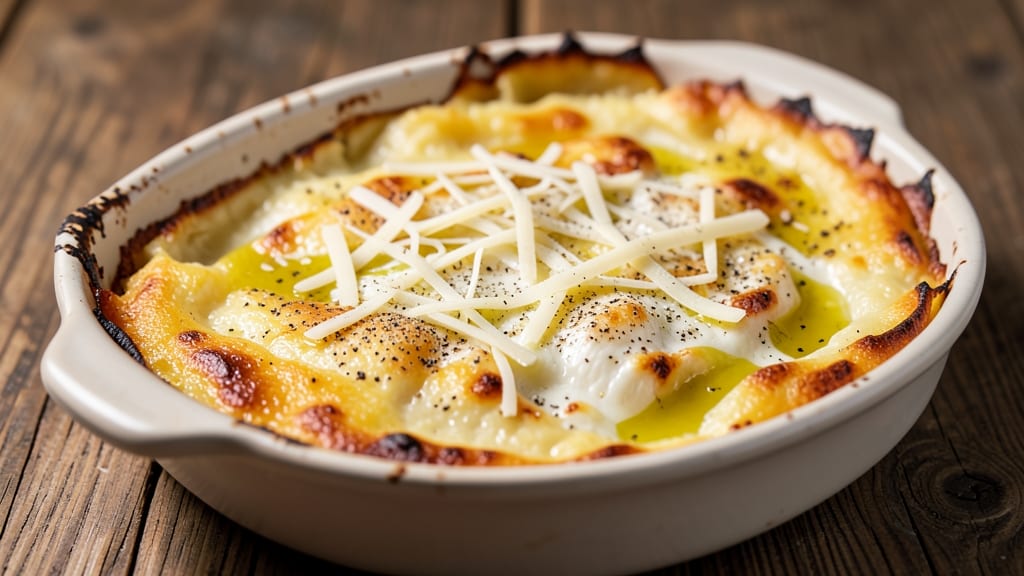
This baked cheese polenta recipe delivers the perfect combination of crispy golden edges and gooey, pull-apart cheese centers—ideal for appetizers or a hearty vegetarian main.
The secret lies in layering cooked polenta with melted cheese and baking until the top transforms into a satisfying crunch while the interior stays rich and creamy. I developed this version after testing countless methods to achieve that coveted texture balance, and it never fails to impress.
The process begins with stovetop polenta cooked in warm broth until thick and smooth, then transferred to a baking dish where it's topped with a blend of sharp cheddar and mozzarella. Baking at high heat creates the crispy exterior while keeping the cheese stretchy inside.
This method works beautifully with minimal effort—just 15 minutes of prep followed by 20 minutes in the oven—and requires only six core ingredients.
What you'll end up with is a dish that's equal parts comforting and impressive, perfect for sharing at gatherings or enjoying as a satisfying solo meal. The crispy top provides satisfying texture contrast to the creamy, cheesy interior, making every bite irresistible.
Serve with a simple salad or roasted vegetables for a complete vegetarian dinner that feels special without requiring complex techniques.
This recipe scales effortlessly for crowds, making it ideal for parties or game day appetizers. The leftovers reheat beautifully, maintaining that perfect texture combination. Whether you're a seasoned home cook or new to baking dishes, this polenta delivers professional-quality results with simple, accessible steps.
Ingredients for baked cheese polenta
Six ingredients transform into a restaurant-worthy dish with crispy edges and melty cheese centers.
| Ingredient | Amount | Notes |
|---|---|---|
| Polenta (Cornmeal) 🌾 | 1 ½ cups | Fine grind preferred |
| Vegetable Broth 💧 | 4 cups | Low-sodium preferred |
| Sharp White Cheddar Cheese 🧀 | 2 cups | Shredded, block preferred |
| Mozzarella Cheese 🧀 | 1 ½ cups | Shredded, part-skim |
| Extra-Virgin Olive Oil 🫒 | ½ cup | For crispy top |
| Garlic Powder 🧄 | 1 tsp | Freshly ground preferred |
| Salt 🧂 | ½ tsp | Kosher or sea salt |
| Black Pepper 🌶️ | ¼ tsp | Freshly ground preferred |
| Fresh Parsley 🌿 | ¼ cup | Chopped, for garnish |
The cheese makes this dish—sharp white cheddar is non-negotiable for that tangy bite, but Parmigiano-Reggiano adds depth if you're feeling fancy. Grab block cheddar and shred it yourself (pre-shredded gets clumpy). For mozzarella, part-skim melts better than whole milk. I always buy mine in 24-ounce bags from Whole Foods or the deli section—freshness matters. The polenta? Fine grind is key—it creates that perfect creamy texture. If you can only find coarse, pulse it in a food processor first.
No sharp cheddar? Pepper jack or Gruyère work in a pinch, but the flavor won’t be the same. Short on mozzarella? Fontina or provolone melt beautifully too. The olive oil is worth splurging on—California avocado oil or Italian extra-virgin gives the best crispy top. For the broth, low-sodium is crucial unless you’re adding extra salt. Fresh parsley is ideal, but dried oregano at half the amount works if you’re in a rush. Pro tip: Toast your garlic powder in a dry pan for 30 seconds before adding—it deepens the flavor instantly.
This reheats like a dream—just pop it in the oven at 350°F for 10-15 minutes until bubbly. Keeps for 4-5 days in the fridge, but honestly, it disappears faster. For parties, double the recipe—it scales perfectly. Store leftovers covered with foil to keep the top crispy. Garnish with extra cheese or parsley right before serving, because that’s when it looks most impressive.
Why You'll Love This Recipe
- One-Pan Magic: I swear by this when I’m too tired to scrub pots—just mix, bake, and walk away. The polenta soaks up the broth while the cheeses melt into that golden crust, and honestly? No stress, no mess.
- Cheesy Crust Obsession: That crispy top where the cheddar meets the mozzarella? It’s the reason I make this weekly. The sharp cheddar gives this dish edge, while the olive oil keeps it rich without being heavy—like a hug from a foodie.
- Lunchbox Hero: Between us, this is my go-to for meal prep. Slice it up, pack it with roasted veggies or a quick salad, and it stays fresh for days. My kids (and my wallet) thank me every time.
- Budget Stretch: Polenta and broth are dirt cheap, but the cheese makes it feel fancy. I’ve fed six people for under $15 with this—leftovers? Even better. Reheat slices straight from the fridge, and no one complains.
Step-by-step instructions for baked cheese polenta
Here's how to create a golden, crispy top with melt-in-your-mouth cheese goodness every time.
Cook the Polenta to Perfect Thickness
Pour the 4 cups vegetable broth into a medium saucepan and bring to a rolling boil over medium-high heat. Gradually whisk in the 1.5 cups polenta (cornmeal), making sure there are no lumps. The mixture will thicken immediately, so keep whisking constantly for the first 2 minutes until it's smooth.
Reduce heat to low and continue cooking for 15-20 minutes, stirring occasionally with a wooden spoon. You're aiming for a creamy, pudding-like consistency that coats the back of your spoon. If it gets too thick before then, add 1-2 tablespoons of hot broth at a time. The polenta should be thick enough to hold its shape when spooned but still have a slight sheen—this ensures it'll be creamy after baking.
Season and Transfer to Baking Dish
Remove the polenta from heat and stir in the 2 cups sharp white cheddar cheese, 1.5 cups mozzarella cheese, 1 teaspoon garlic powder, 0.5 teaspoon salt, and 0.25 teaspoon black pepper. The cheese should melt completely into the polenta, creating a rich, cheesy base. If you're using block cheddar, grate it yourself for the best texture.
Transfer the polenta to a 9x9-inch baking dish (or similar size) and spread it evenly with a spatula. The surface should be smooth and level—this helps create that perfect crispy top. Press down gently to remove any air bubbles. I like to use a damp paper towel to smooth the top if needed.
Create the Crispy Top Layer
Drizzle the 0.5 cup extra-virgin olive oil evenly over the top of the polenta. Use a spoon or your fingers to spread it into an even layer—this is what creates that irresistible golden crust. The oil should be distributed so you can see just a light sheen without pooling.
Place the dish on a baking sheet (to catch any drips) and bake at 375°F for 25-30 minutes. You'll know it's done when the top is deep golden brown and crispy to the touch, while the center is still warm and gooey. If you're unsure, check at the 20-minute mark—every oven varies.
Rest and Garnish for Maximum Flavor
Remove the polenta from the oven and let it rest for 5-10 minutes before serving. This resting time allows the cheese to set slightly and makes it easier to slice. The crispy top will soften a bit, but it'll still hold its texture beautifully.
While it rests, chop the 0.25 cup fresh parsley and sprinkle it over the top just before serving. The parsley adds a bright contrast to the rich, cheesy polenta and keeps the dish looking vibrant. Serve immediately with your favorite marinara sauce or a simple arugula salad for a complete meal.
Pro Tips For Making Baked Cheese Polenta
- STIR CONSTANTLY FIRST 10 MINUTES: I learned this the hard way—skipping the initial stir means uneven cooking. Keep the polenta moving over medium heat until it thickens and pulls away from the pan edges, or you’ll end up with a gummy mess that no amount of cheese can save.
- GRATE CHEESE FINE, NOT FINE: Sharp white cheddar loses its edge when shredded too small—it turns into a sad, gooey paste in the oven. Use a box grater (not pre-shredded) and tear the mozzarella into chunks for stretchy, melty pockets instead of rubbery clumps.
- BAKE UNTIL CRUSTY, NOT JUST MELTED: The golden crust is what makes this dish worth the effort. Broil the polenta for the last 2-3 minutes—watch it closely—until the top is deeply browned, not just bubbly. If it’s still pale, it’ll taste bland.
- SWAP BUTTER FOR OLIVE OIL: I was skeptical until I tried it—extra-virgin olive oil adds bright flavor and prevents the polenta from turning greasy. Use 2 tablespoons at the end of cooking, stirred in while still hot, for a richer, more complex taste. (Yes, even if you’re used to butter.)
Common mistakes when making perfect results
Overcooking the Polenta
One of the biggest mistakes is letting the polenta overcook on the stovetop. If you stir too aggressively or walk away for too long, the polenta can dry out or develop a gummy texture.
I’ve learned to keep the heat at low after the initial boil and stir only every 2-3 minutes—just enough to prevent sticking. The polenta should coat the back of a spoon but still glide smoothly, not clump together.
If it gets too thick, add 1 tablespoon of hot broth at a time until you reach that perfect creamy consistency. 🌡️
Skipping the Resting Time
Rushing to serve the polenta right out of the oven is a recipe for disaster. The crispy top will crumble, and the cheese won’t set properly. Always let it rest for 5-10 minutes before slicing—this allows the cheese to firm up slightly and the textures to balance.
I’ve seen people cut into it too soon, and the result is a sad, soggy mess. Patience here makes all the difference!
Uneven Cheese Distribution
If the cheese isn’t melted completely into the polenta before baking, you’ll end up with clumps or a grainy texture. Stir the cheese into the polenta off the heat until it’s fully incorporated and smooth.
I like to use a rubber spatula to scrape the sides of the pot and ensure everything is evenly distributed. Pro tip: If you’re using block cheddar, shred it yourself—pre-shredded cheese tends to clump and won’t melt as evenly. 🧀
Baking Temperature Too Low
Baking at 350°F instead of 375°F might seem safer, but it won’t give you that perfect crispy top. The higher temperature is key to creating the golden, crunchy crust while keeping the inside creamy.
If your oven runs hot, start checking at 20 minutes—every oven is different, and you want that top to be deep golden brown, not pale. A light sheen of olive oil on top also helps achieve that crispiness, so don’t skip that step!
Using the Wrong Cheese
Not all cheeses melt the same way. Pre-shredded cheese often contains anti-caking agents that prevent it from melting smoothly, leading to a grainy texture. Stick to block cheddar and fresh mozzarella—grate the cheddar yourself for the best results.
If you’re out of mozzarella, fontina or provolone work well too, but avoid cheeses like Swiss or Gouda, which can make the polenta too dry or crumbly. 🧀
Ignoring the Oil Layer
The olive oil isn’t just for flavor—it’s what creates that irresistible crispy top. Skipping it or not distributing it evenly will leave you with a dull, soft surface. Drizzle the 0.5 cup of extra-virgin olive oil over the polenta and spread it into a thin, even layer.
You want just a light sheen, not pools of oil. Trust me, this step is worth the extra 30 seconds of effort!
Nutrition facts
Frequently asked questions
Can I make this ahead of time for a party?
Yes! Assemble the polenta in the baking dish up to 24 hours ahead and refrigerate uncovered. When ready to bake, add the olive oil layer and bake at 375°F for 30-35 minutes (the extra time accounts for the cold start). For a crowd, double the recipe—it scales perfectly in a 9x13-inch dish. Just add 5 extra minutes to baking time.
What's the best way to reheat leftovers?
Reheat in a 350°F oven for 10-15 minutes covered with foil, then uncover for the last 2 minutes to restore crispiness. Microwaving works in 30-second bursts, but it'll lose the crispy texture. For best results, store leftovers covered with foil to preserve that golden crust until reheating.
Can I substitute dairy-free cheese?
Use 2 cups dairy-free sharp cheddar and 1.5 cups dairy-free mozzarella (like Miyoko's or Violife brands). For best texture, add 1 tablespoon nutritional yeast to mimic the cheesy flavor. The crispy top still works, but expect a slightly firmer interior. Test with 1/2 batch first—some brands melt better than others.
Why did my polenta turn out gummy instead of creamy?
This usually happens from overcooking or insufficient broth. Stir constantly during the first 2 minutes after adding polenta to prevent lumps, then reduce heat to low. If it thickens too fast, add 1-2 tablespoons hot broth at a time. The polenta should coat the back of a spoon but still glide smoothly—like thick pudding, not glue!
How can I make this gluten-free?
Use gluten-free polenta (made from corn or rice) and check that your vegetable broth is certified gluten-free. All other ingredients in this recipe are naturally gluten-free. For extra richness, add 1 tablespoon cornstarch to the polenta mixture while cooking—it helps create that perfect creamy texture without gluten.