
Appetizers
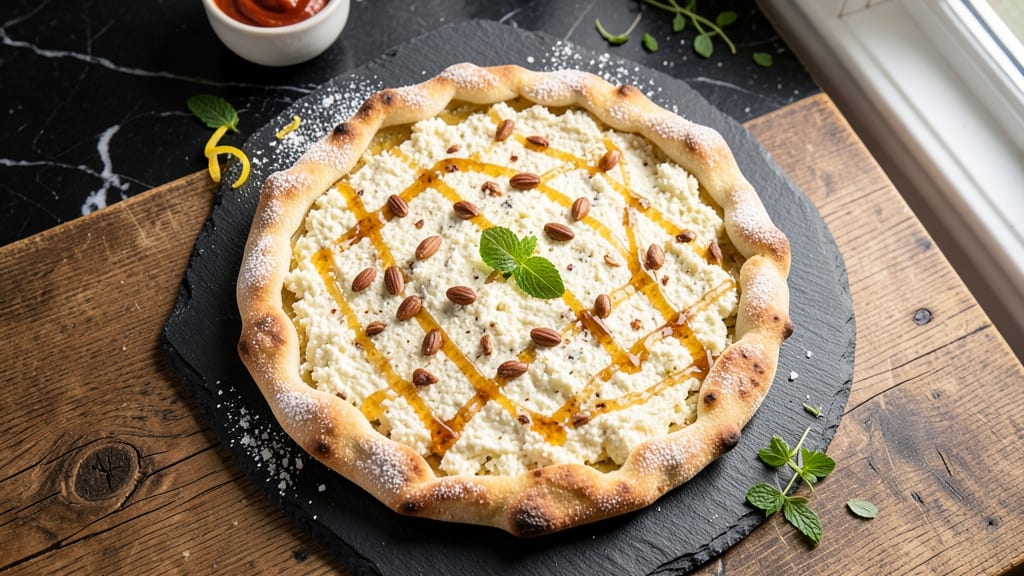
This baked cottage cheese flatbread delivers flaky layers with a tangy, creamy twist that transforms a simple appetizer into something extraordinary. The secret lies in blending cottage cheese into the dough, creating a texture that's crisp yet tender with every bite.
I developed this recipe after years of experimenting with flatbreads, and the cottage cheese makes all the difference—adding moisture without compromising structure.
The beauty of this recipe is its simplicity: just a handful of ingredients combine to create a golden, pillowy flatbread with a subtle tang from the cheese. Unlike traditional flatbreads, this version stays soft and flaky even after baking, thanks to the cottage cheese's unique properties.
It's perfect for serving warm with hummus, olive oil, or as a base for dips—each bite reveals that perfect balance of crisp edges and tender centers.
What makes this dish truly special is its versatility. You can customize it with herbs like dill or parsley, a sprinkle of garlic powder, or even a touch of lemon zest for brightness.
The result is a flatbread that's as impressive as it is easy to make, with layers that separate beautifully and a flavor profile that's both comforting and sophisticated. This is the kind of recipe that elevates any appetizer spread or snack time.
Whether you're hosting a gathering or simply craving something warm and satisfying, this baked cottage cheese flatbread delivers restaurant-quality results with minimal effort. The key is patience during shaping and baking—let the dough rest, and the cheese will work its magic, creating flaky layers that melt in your mouth.
Ready to try it?
Ingredients for baked cottage cheese flatbread
Simple ingredients transform into golden, flaky layers with cottage cheese's creamy magic.
| Ingredient | Amount | Notes |
|---|---|---|
| Large Eggs 🥚 | 2 whole | Room temperature for even mixing |
| All-Purpose Flour 🌾 | 3 cups | Sifted for light texture |
| Cottage Cheese 🧀 | 1 cup | Full-fat for creaminess |
| Unsalted Butter 🧈 | ½ cup | Cold, cubed |
| Granulated Sugar 🍚 | 1 tbsp | Balances tanginess |
| Active Dry Yeast 🍞 | 1 tbsp | Instant yeast works too |
| Warm Water 💧 | ¾ cup | 110°F for yeast activation |
| Salt 🧂 | 1 tsp | Kosher or sea salt |
| Garlic Powder 🧄 | 1 tsp | For subtle depth |
| Dried Parsley 🌿 | ½ tsp | Or fresh parsley, finely chopped |
| Olive Oil 🫒 | 2 tbsp | For brushing dough |
| Sesame Seeds 🌾 | 1 tbsp | Optional for topping |
The cottage cheese is the star here—full-fat works best for that perfect balance of moisture and structure. Kroger's or Trader Joe's carry it in bulk, or grab a tub from the dairy section. Look for cottage cheese with small curds for a smoother texture when mixed into the dough. The yeast is non-negotiable for that flaky rise, so make sure it's fresh (if it smells yeasty or old, toss it). For the flour, King Arthur or Bob's Red Mill brands are reliable for consistent results—avoid bread flour if you want a tender, not chewy, texture.
No cottage cheese? Greek yogurt or ricotta work in a pinch, though the texture will be slightly different. Running low on yeast? Baking powder at half the amount can substitute, but your flatbread won't rise as dramatically. The garlic powder and parsley are optional but add layers of flavor—skip them if you're keeping it completely neutral. For the butter, Land O'Lakes or Plugrá brands melt evenly, but any unsalted butter will do. If you're feeling adventurous, swap the sesame seeds for everything bagel seasoning or a sprinkle of flaky salt for a gourmet touch.
This dough needs time to develop flavor—let it rest for at least 1 hour before shaping. Store any unused dough, tightly wrapped, in the fridge for up to 2 days or freeze for 3 months. The baked flatbread stays fresh for 3 days at room temperature, wrapped in a clean kitchen towel. For extra crispiness, reheat in a 350°F oven for 5 minutes before serving. Leftovers freeze beautifully—just thaw at room temperature before warming.
Why You'll Love This Recipe
- You’re using pantry basics: eggs, flour, and cottage cheese (which lasts forever in the fridge). A single batch stretches to four meals, and the leftovers reheat beautifully. Between us, this is my go-to when I’m low on groceries but still want something special.
- No-Fuss Mixing: The dough comes together with just flour, eggs, and cottage cheese—no yeast, no kneading, no waiting. I swear by my stand mixer for 30 seconds, but even by hand, it’s smoother than store-bought pizza dough. (Yes, really.)
- Creamy Crisp Magic: That golden crust with a pillowy center? The butter and sugar caramelize just enough to make it irresistibly crispy, while the cottage cheese keeps it tender. Honestly, it’s the kind of texture that makes you pause mid-bite.
- Breakfast or Snack: Serve it warm with jam for a lazy weekend brunch, or toast it up with butter and honey for a quick snack. My kids grab these straight from the oven like they’re homemade crackers—no judgment here.
Step-by-step instructions for cottage cheese flatbread
Creating flaky layers with cottage cheese requires patience and precision—here's how to achieve perfect results every time.
Activate the Yeast and Mix Wet Ingredients
In a small bowl, combine the 1 tbsp active dry yeast with the 0.75 cup warm water (around 110°F). Let it sit for 5-7 minutes until it becomes frothy—this confirms the yeast is alive and ready to work. If it doesn't foam, your yeast is inactive, and you'll need to start over.
In a separate large bowl, whisk together the 2 whole large eggs, 1 cup cottage cheese, 0.5 cup unsalted butter (cubed), 1 tbsp granulated sugar, 1 tsp salt, 1 tsp garlic powder, and 0.5 tsp dried parsley. The mixture should be smooth but slightly thick. The cottage cheese adds a tangy richness that sets this flatbread apart from traditional versions, so don't skip blending it thoroughly.
Combine Wet and Dry Ingredients
Gradually add the 3 cups all-purpose flour to the wet ingredients, mixing with a wooden spoon or dough whisk until a shaggy dough forms. The flour should be sifted first for a lighter texture, as noted in the ingredients. Once combined, knead the dough on a lightly floured surface for 8-10 minutes until it becomes smooth and elastic.
If the dough feels too sticky, add 1-2 tablespoons of flour at a time. Conversely, if it's too dry, add 1 teaspoon of warm water to bring it together. The dough should be soft but not tacky—this ensures it will rise properly and develop those coveted flaky layers. Wrap the dough in plastic wrap and let it rest at room temperature for 30 minutes to relax the gluten.
Shape and Proof the Dough
Divide the dough into 4 equal portions (about 6 ounces each). Roll each portion into a 12-inch circle on a floured surface, keeping the edges slightly thicker than the center. This creates the classic flatbread shape with a sturdy crust. Brush the tops generously with 2 tbsp olive oil, then sprinkle with 1 tbsp sesame seeds for added texture and flavor.
Place the shaped flatbreads on a baking sheet lined with parchment paper, cover with a clean kitchen towel, and let them proof in a warm place for 1-1.5 hours until they've nearly doubled in size. The dough should feel springy when pressed gently—this indicates it's ready for baking. Avoid over-proofing, or the flatbreads may collapse during baking.
Bake to Golden Perfection
Preheat your oven to 375°F. Bake the flatbreads for 18-22 minutes until the edges are golden brown and the tops are crisp. Rotate the baking sheet halfway through for even browning. The cottage cheese adds moisture, so keep an eye on them—they should puff slightly but not rise too much, as they'll continue baking on the hot sheet.
For extra flakiness, I recommend brushing the baked flatbreads with a little more olive oil while they're still warm. Serve immediately while the layers are at their crispiest. These flatbreads pair beautifully with soups, stews, or as a base for open-faced sandwiches. The tangy cottage cheese flavor makes them uniquely satisfying.
Pro Tips For Making Baked Cottage Cheese Flatbread
- Preheat Like It’s 1985: Your oven needs to hit 375°F and sit for 10 minutes before the dough goes in—no exceptions. I learned this the hard way when my first batch turned out dense and undercooked because I rushed. That extra heat ensures the butter melts fast and the edges crisp properly while the center stays tender.
- Blend Cottage Cheese Smooth: Run the cottage cheese through a food mill or fine-mesh sieve before mixing—this eliminates those annoying lumps that make the flatbread gummy. I was skeptical until I tried it; now, my flatbread has a silky texture instead of a chewy surprise in every bite.
- Skip the Overmixing: Once the dough comes together, stop mixing the second the flour disappears. Overworking it develops gluten, and you’ll end up with a tough, cracker-like flatbread instead of something soft and pillowy. Trust me, your arms will thank you too.
- Brush Butter Cold: Use cold, unsalted butter straight from the fridge for brushing the baked flatbread—it melts slower and creates a richer, shinier finish. I used to melt it first, and the result was always greasy and less flavorful. Sounds weird, but it works.
Best sauces and condiments for these flavors
Creamy Herb Spread
Mix ½ cup sour cream with 1 tbsp fresh dill, 1 tsp lemon zest, and a pinch of salt for a tangy spread that complements the flatbread’s texture perfectly.
The cottage cheese’s mild tang pairs beautifully with this herby richness. Spread on warm flatbread and roll up for a quick snack. 🌿
Garlic-Yogurt Dip
Blend ½ cup Greek yogurt with 1 minced garlic clove, 1 tbsp olive oil, ½ tsp cumin, and a splash of lemon juice for a zesty dip.
This creamy dip cuts through the flatbread’s flakiness while enhancing its savory notes. Serve with extra sesame seeds sprinkled on top for crunch. 🧄
Spicy Harissa Twist
Stir 1 tbsp harissa paste into 2 tbsp melted butter and brush it over baked flatbread before serving. The smoky heat from harissa balances the cottage cheese’s creaminess, creating a bold flavor contrast. Add a drizzle of honey for a sweet-spicy balance. 🌶️
Classic Olive Oil
Simply drizzle 1 tbsp high-quality extra virgin olive oil (like California Olive Ranch) over warm flatbread and finish with a sprinkle of flaky sea salt. The oil enhances the cheese’s richness while keeping the dish light. Perfect for serving with grilled vegetables or as a simple appetizer. 🫒
Sweet Honey-Lemon Glaze
Combine 2 tbsp honey with 1 tsp lemon juice and brush it over the flatbread just before serving. The sweetness contrasts the tangy cottage cheese, creating a bright, refreshing finish. Ideal for breakfast or brunch pairings. 🍯
Nutrition facts
Frequently asked questions
Why does cottage cheese make this flatbread different from regular flatbread?
The cottage cheese adds a unique tangy creaminess that regular flatbreads lack, while also improving moisture retention for a softer texture. It creates flaky layers that stay tender longer, plus the subtle acidity balances the dough's richness. The result is a more complex flavor profile that's both comforting and sophisticated.
Can I make this flatbread without yeast?
Yes! Replace the yeast with 1.5 tsp baking powder and reduce the warm water to 0.5 cup. The texture will be denser and less flaky, but still delicious. For a crispier version, bake at 400°F for 15-18 minutes instead. This works well for quick versions when you don't have time for proofing.
How do I prevent the flatbread from getting too dense?
Don't skip the 30-minute rest after kneading—this relaxes the gluten for better rise. Also, use all-purpose flour (not bread flour) and avoid over-kneading. If your dough feels too dry, add 1 tsp milk or water at a time. The cottage cheese already adds moisture, so resist the urge to add extra flour.
What's the best way to reheat leftover flatbread?
For crispy edges, warm in a 375°F oven for 5-7 minutes on a baking sheet. For softer texture, wrap in a damp paper towel and microwave for 15-20 seconds. Avoid toaster ovens—they can dry out the cottage cheese filling. Reheating works best within 3 days of baking.
Can I add other cheeses to this recipe?
Yes! Try adding ¼ cup feta for saltiness or 2 oz shredded mozzarella for stretchiness. For a vegan version, substitute cottage cheese with ½ cup silken tofu blended with 1 tbsp lemon juice. Just remember that other cheeses will change the moisture balance—adjust flour as needed.