
Sauces & Condiments
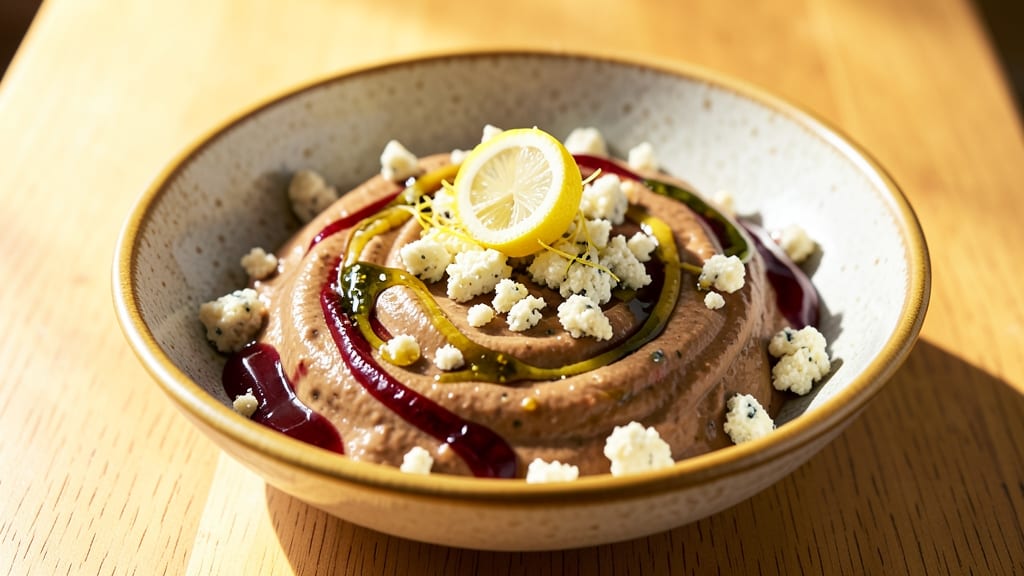
This balsamic blue cheese dressing transforms ordinary salads into gourmet masterpieces with its perfect tangy-sweet balance. 💛 The secret lies in combining rich blue cheese with balsamic vinegar and olive oil, creating a dressing that's bold yet versatile enough for everything from crisp greens to hearty dips.
I developed this recipe after years of experimenting with cheese dressings, and it's become my go-to for adding depth to any dish.
The magic happens when you let the dressing rest for at least 30 minutes before serving. This allows the flavors to meld together beautifully, with the blue cheese's sharpness softened by the sweetness of balsamic and the creaminess of olive oil.
The result is a dressing that's rich enough to stand up to robust vegetables but delicate enough to enhance lighter salads.
What makes this dressing truly special is its versatility. Use it to elevate your favorite salad, as a dip for crusty bread or fresh vegetables, or even as a marinade for grilled meats.
The dressing keeps well in the refrigerator for up to a week, making it perfect for meal prep and batch cooking.
With just a handful of simple ingredients, you'll have a dressing that's restaurant-quality and ready in minutes. The combination of blue cheese, balsamic vinegar, and olive oil creates a flavor profile that's both complex and satisfying, proving that you don't need complicated recipes to achieve amazing results.
Ingredients for balsamic blue cheese dressing
Six simple ingredients blend into a dressing that's bold, tangy, and perfect for any dish.
| Ingredient | Amount | Notes |
|---|---|---|
| Blue Cheese Crumbles 🧀 | 1 cup | Aged blue cheese preferred |
| Extra-Virgin Olive Oil 🫒 | ¾ cup | High-quality, fruity flavor |
| Balsamic Vinegar 🍷 | ⅓ cup | Aged balsamic preferred |
| Fresh Lemon Juice 🍋 | 2 tbsp | Freshly squeezed preferred |
| Dijon Mustard 🌶️ | 1 tbsp | Mild or regular strength |
| Honey 🍯 | 1 tbsp | Wildflower or clover variety |
| Shallot 🧅 | 1 whole | Finely minced or grated |
| Garlic Cloves 🧄 | 2 cloves | Peeled and minced |
| Salt 🧂 | ½ tsp | Kosher or sea salt |
| Black Pepper 🌶️ | ¼ tsp | Freshly ground |
The blue cheese is the star here—aged varieties like Gorgonzola or Stilton add depth, but any good blue cheese works. Trader Joe's has a solid pre-crumbled option that saves time, or grab a wedge from the deli counter and crumble it yourself. For the olive oil, Californian or Italian varieties bring the best fruity notes. The shallot and garlic? Freshly minced makes all the difference—skip the jarred stuff. Balsamic vinegar should be aged (look for 'aceto balsamico tradizionale' on the label if you're feeling fancy).
No aged balsamic? Regular balsamic vinegar plus 1 tsp maple syrup mimics the sweetness. Short on honey? Agave nectar or date syrup works in a pinch. Mustard hater? Skip it entirely—the dressing will still be rich and tangy. The dressing tastes even better the next day once the flavors meld, so make it ahead if you can. For extra creaminess, stir in 1 tbsp of Greek yogurt or sour cream after resting.
Store in an airtight jar in the fridge for up to 1 week. The flavors actually improve over time, so it's perfect for meal prep. If it thickens, just stir in a splash of water or lemon juice to loosen it up. For a thinner dressing, add a little more olive oil; for thicker, let it sit out for 10 minutes to thicken naturally. This dressing is so versatile—drizzle it on salads, use it as a dip, or even toss it with grilled chicken.
Why You'll Love This Recipe
- Five-Ingredient Magic: This dressing comes together with just a whisk and a bowl—no fancy techniques, no stress. I’ve made it while waiting for chicken to roast, and it’s ready before the timer goes off.
- Tangy Creamy Balance: That sharp lemon juice cuts through the rich blue cheese while the balsamic adds a deep, caramelized sweetness. Honestly, the mustard ties it all together—just a little kick to keep it interesting.
- Salad Game-Changer: Drizzle it over greens for a fancy touch, but also toss it with roasted veggies or even grilled shrimp. My kids ask for it on their chicken tenders—yes, even on a Tuesday night.
- Makes Extra, Costs Less: A little goes a long way, so you’ll have leftovers for days. I keep a jar in the fridge for last-minute salads or as a quick dip for crusty bread. Best of all, blue cheese is cheaper than you think.
Step-by-step instructions for balsamic blue cheese dressing
Here's how to blend rich blue cheese with sweet-tart balsamic for a dressing that's perfect over salads or as a dip.
👨🍳 Step 1: Finely Chop the Shallot and Garlic
Start by peeling the 1 whole shallot and 2 cloves garlic. I like to use a microplane for the shallot to get an ultra-fine texture—this prevents any graininess in the dressing. For the garlic, I mince it as finely as possible, almost to a paste. The goal here is to create a smooth base that won't overpower the blue cheese.
Place the minced shallot and garlic in a small bowl. Add the 0.5 tsp salt and 0.25 tsp black pepper and toss gently to distribute. Let this sit for 2-3 minutes while you prepare the other ingredients—this helps draw out some moisture and softens the flavors. Don't skip this step; it makes a noticeable difference in the final texture.
🍳 Step 2: Whisk Together Wet Ingredients
In a medium bowl, combine the 0.75 cup extra-virgin olive oil, 0.33 cup balsamic vinegar, 2 tbsp fresh lemon juice, 1 tbsp Dijon mustard, and 1 tbsp honey. I like to whisk these ingredients together for about 1 minute until they're fully emulsified and smooth. The honey will help balance the sharpness of the blue cheese, while the Dijon mustard adds a subtle depth of flavor.
Here's the thing—don't rush this step. The olive oil and balsamic vinegar need time to blend completely. You'll see the mixture start to look slightly thicker and more cohesive. This is your base, so take your time to get it right. I always taste a tiny bit at this stage to check the balance before adding the cheese.
🥘 Step 3: Gradually Incorporate the Blue Cheese
Add the 1 cup blue cheese crumbles to the wet ingredients in small batches. I like to start with about ¼ cup at a time and whisk vigorously after each addition. This gradual approach prevents the cheese from clumping and ensures an even distribution throughout the dressing. The blue cheese should begin to melt slightly, creating a creamy texture.
After adding all the cheese, whisk for another 2-3 minutes until the dressing is completely smooth. If you notice any lumps, don't worry—just keep whisking. The acidity from the lemon juice and balsamic vinegar will help break down the cheese over time. The dressing should now have a rich, velvety consistency with a beautiful deep blue hue.
⏰ Step 4: Add the Shallot-Garlic Mixture and Final Adjustments
Transfer the dressing to a blender or use an immersion blender to combine everything with the shallot-garlic mixture. This step ensures a completely smooth texture without any visible bits. Blend for 10-15 seconds until everything is fully incorporated. If you don't have a blender, whisk vigorously by hand for another 2 minutes—you'll still get great results.
Taste the dressing and adjust the seasoning if needed. If it's too sharp, add a touch more honey. If it needs more acidity, add a splash of lemon juice. The dressing should have a perfect balance of tangy, sweet, and creamy flavors. Let it sit for 5 minutes at room temperature before serving—this allows the flavors to meld together beautifully.
Pro Tips For Making Balsamic Blue Cheese Dressing
- EMULSIFY IN STAGES: Blue cheese dressing is stubborn—don’t dump all the oil at once. Start with 2 tablespoons of olive oil, whisk like your life depends on it, then add the rest gradually. I learned this the hard way when my first batch split into two separate liquids.
- USE COLD BLUE CHEESE: Pull your blue cheese crumbles straight from the fridge—room temperature cheese gets greasy and clumps. The cold fat emulsifies better, and you’ll avoid that weird, gloppy texture that ruins the whole dish. (Yes, even if you’re impatient like me.)
- STRAIN THE BALSAMIC: Cheap balsamic vinegar has sediment that turns your dressing gritty. Strain it through a fine-mesh sieve into a small bowl before adding it to the mix. It’s a 10-second step that makes a real difference—trust me, you’ll taste it.
- SALT THE MUSTARD: Dijon mustard is already salty, but don’t assume it’s enough. Taste it first—if it’s bland, add a pinch of salt before mixing. I skip this step sometimes, and the dressing always feels flat without it. (Your future self will notice.)
Essential equipment for this recipe
Essential Mixing Tools
For this dressing, a whisk is your best friend—I use a Ball Silicone Whisk because it’s gentle on bowls and creates smooth emulsions. A medium-sized mixing bowl (like the Pyrex 2-quart glass bowl) holds everything comfortably.
If you want ultra-smooth results, an immersion blender (like the Ninja QW1000) eliminates any lumps without transferring ingredients. 💛
Cheese Handling Gear
Blue cheese crumbles can be messy, so grab a small offset spatula (like the OXO Good Grips) to scrape every last bit from the container. For pre-crumbled cheese, a fine-mesh strainer helps remove any large clumps before adding to the dressing.
If using a whole wedge, a cheese grater with a fine blade works best for even crumbles.
Storage Containers
Transfer finished dressing to an airtight glass jar (like Le Parfait 16-ounce) for fridge storage—glass preserves flavor better than plastic. If you’re prepping ahead, use mason jars with tight-sealing lids to prevent oxidation. For portion control, divide into small ramekins (like Corelle 4-ounce) for easy grab-and-go dips. ❄️
Optional Blender Upgrade
A countertop blender (like the Ninja BN601) isn’t required but speeds up blending if you prefer chunk-free texture. For minimalists, a handheld mortar and pestle works for crushing garlic and shallots before mixing. If you love texture, skip blending entirely—just whisk vigorously for a rustic, slightly textured dressing.
Measurement Precision
Use a liquid measuring cup (like OXO Good Grips) for olive oil and balsamic vinegar to ensure accuracy. For dry ingredients, a set of stainless steel measuring spoons (like OXO 10-piece) guarantees consistency.
A digital kitchen scale (like Escali Primo) is ideal for precise blue cheese measurements if you’re feeling fancy.
Nutrition facts
Frequently asked questions
Can I make this dressing without a blender?
While a blender creates ultra-smooth results, you can achieve great texture by whisking vigorously for 3-5 minutes after adding the blue cheese. For extra creaminess, strain the mixture through a fine-mesh sieve afterward. The key is patience—keep whisking until the dressing looks velvety and the cheese fully melts into the liquid.
How do I adjust the dressing if I don't like blue cheese?
Swap the blue cheese for 1 cup crumbled goat cheese or ½ cup sour cream + ½ cup crumbled feta for a milder tang. If you prefer something sharper, try ½ cup crumbled Roquefort or ½ cup crumbled Gorgonzola—both work beautifully with balsamic. The honey and Dijon mustard will still balance the flavors perfectly.
Can I use this dressing on hot dishes?
This dressing is best used on room-temperature or cold dishes to preserve its creamy texture. For hot dishes like grilled chicken or roasted vegetables, drizzle it just before serving. If you must add it to warm foods, let the dressing sit at room temperature for 10 minutes first to prevent separation. The heat can cause the cheese to break down too quickly, making it grainy.
Why did my dressing separate?
Separation usually happens when the acidity (lemon juice/balsamic) and fat (olive oil) aren't properly emulsified. Fix it by whisking in 1 tbsp warm water or extra lemon juice to thin it out, then whisk vigorously for 1-2 minutes. For future batches, whisk the wet ingredients for 2 minutes before adding cheese, and add cheese gradually. If it still separates, blend briefly with an immersion blender.
What are the best salads to pair with this dressing?
This dressing shines on bitter greens like arugula or radicchio, crisp apples and walnuts salads, or hearty winter salads with roasted squash and pomegranate seeds. It also works beautifully with grilled meats like steak or chicken and crusty bread for dipping. The sweet-tart balance cuts through rich flavors, making it perfect for anything that needs a bold, creamy contrast.