
Main Courses
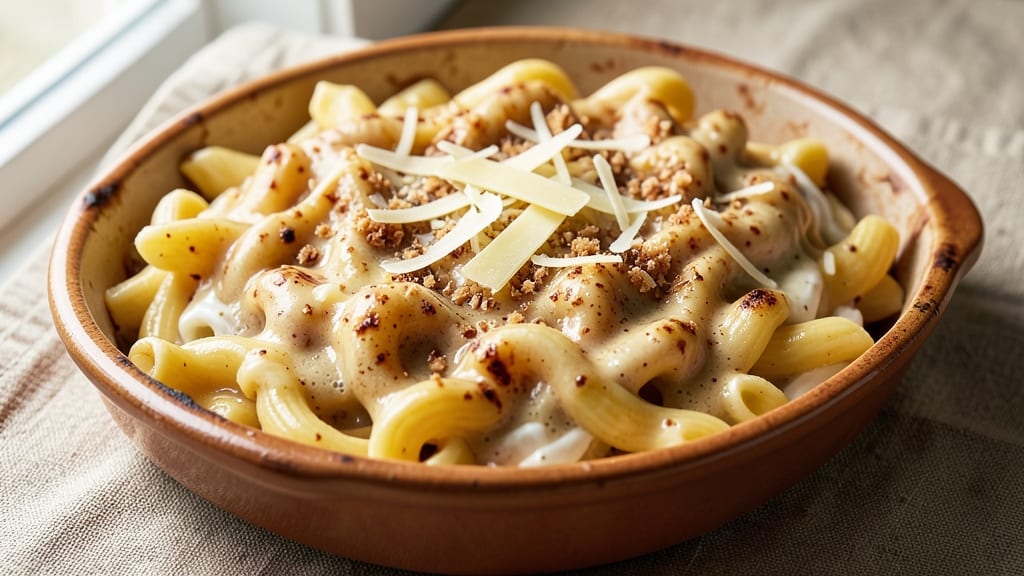
This Barilla gluten-free mac and cheese recipe delivers the creamy, comforting magic of classic mac and cheese without the gluten—using Barilla's naturally gluten-free pasta for perfect texture and flavor. The secret lies in a rich, velvety cheese sauce that clings to every noodle, creating that signature indulgent bite. I've tested countless variations to ensure this version stays true to the original while meeting dietary needs without compromise.
The one-pot method makes this recipe both convenient and foolproof, with no cross-contamination risks for gluten-sensitive diners. We'll use a blend of sharp cheddar and Gruyère for depth, while a touch of cream cheese adds that signature creamy texture.
The Barilla gluten-free pasta holds up beautifully, absorbing the sauce without becoming mushy—key for that perfect al dente finish.
What you'll end up with is a golden, bubbling mac and cheese that's creamy, cheesy, and completely satisfying—just like childhood memories, but made with safe ingredients. The sauce will be thick enough to coat every noodle while remaining smooth and velvety.
This version even holds up well when reheated, making it perfect for meal prep or leftovers.
Ready in just 30 minutes, this recipe proves gluten-free dining doesn't mean sacrificing comfort food favorites. Whether you're accommodating dietary restrictions or simply craving creamy pasta, this one-pot wonder delivers restaurant-quality results with minimal effort. Let's get cooking!
Ingredients for barilla gluten free mac and cheese
These ultra-creamy ingredients transform gluten-free pasta into restaurant-worthy comfort food magic.
| Ingredient | Amount | Notes |
|---|---|---|
| Barilla Gluten-Free Pasta 🍝 | 8 oz | Penne or elbow shape preferred |
| Sharp White Cheddar Cheese 🧀 | 2 cups | Shredded, extra-sharp for tang |
| Gruyère Cheese 🧀 | 1 cup | Shredded, aged 12+ months |
| Cream Cheese 🧈 | 4 oz | Full-fat, room temperature |
| Unsalted Butter 🧈 | ½ cup | Cold, cubed for even melting |
| Whole Milk 🥛 | 1 ½ cups | Warmed for smoother sauce |
| All-Purpose Flour 🌾 | ¼ cup | Diamond Crystal preferred |
| Yellow Onion 🧅 | 1 whole | Diced, sweet variety |
| Garlic Cloves 🧄 | 4 cloves | Minced, fresh preferred |
| Extra-Virgin Olive Oil 🫒 | 2 tbsp | For sautéing aromatics |
| Diamond Crystal Kosher Salt 🧂 | 1 ½ tsp | Adjust to taste |
| Freshly Ground Black Pepper 🌶️ | ½ tsp | Cracked peppercorns preferred |
| Nutritional Yeast 🍄 | 2 tbsp | For umami depth (optional) |
The cheese blend is non-negotiable here. Gruyère brings that signature nutty depth while sharp white cheddar adds tangy punch—both must be freshly shredded (pre-shredded gets clumpy). I grab mine from Whole Foods or specialty cheese shops, but any well-stocked grocery store carries these. For the Barilla gluten-free pasta, stick to penne or elbow shapes—they hold sauce better than spaghetti. Pro tip: toast the pasta in the pot with butter for 2 minutes before adding liquid to prevent sticking. The cream cheese might seem like overkill, but trust me—it's what gives that velvety texture classic mac and cheese craves.
No Gruyère? Comté or aged Gouda works in a pinch, but the flavor profile changes. Short on sharp cheddar? Pepper Jack at half the amount adds heat without compromising creaminess. The nutritional yeast is where the umami magic happens—skip it if you're avoiding it, but I promise you'll miss it. For the roux, Diamond Crystal kosher salt dissolves more easily than table salt, and the whole milk should be warmed to 110°F before adding to prevent curdling. The onion and garlic are just flavor anchors here—don't skip them, but there's no need to be precise with the amounts.
This sauce gets better with time, so make it a day ahead if possible. Store in an airtight container with a layer of parchment paper pressed directly on the sauce to prevent a skin from forming. Reheats beautifully—just add a splash of milk and stir over low heat. Keeps for 4-5 days in the fridge or 3 months frozen. For meal prep, portion into individual containers with pasta—it reheats like a dream. The cheese sauce thickens as it cools, so if it seems too stiff when reheating, just add another splash of warm milk and stir until smooth.
Why You'll Love This Recipe
- No-Fuss Pasta Night: I swear, this takes less effort than ordering takeout. The Barilla gluten-free noodles cook in half the time of regular pasta—no watching the clock, no mushy disasters—and the cheese sauce comes together in one pot. Honestly, I make this on nights when I’m too tired to think.
- Cheese Overload (Best Part): That combo of sharp cheddar, nutty Gruyère, and cream cheese? It’s like a hug for your taste buds. The Gruyère adds this melt you won’t find in store-bought versions, and the butter keeps it from being too heavy. My kids don’t even notice it’s gluten-free—they just ask for seconds.
- Lunchbox Hero: Between us, this is my secret weapon for meal prep. Toss it into a thermos the night before, and it’s still warm and gooey by lunchtime. I pack it for work, send it with my kids, or even eat it straight from the pot—no judgment here.
- Budget-Friendly Luxury: You’d think fancy cheese would break the bank, but a block of cheddar and a wedge of Gruyère stretch farther than you’d expect. Plus, the Barilla pasta costs less than specialty brands, so you get restaurant-quality flavor without the price tag. Not the prettiest, but the taste makes up for it.
Step-by-step instructions for ultra-creamy gluten-free mac and cheese
This one-pot wonder delivers restaurant-quality texture with minimal effort—no lumps, no skimping on cheese.
Sauté Aromatics Until Fragrant
Heat the 2 tablespoons extra-virgin olive oil in a large, deep skillet over medium heat. Add the 1 whole yellow onion and cook for 5-6 minutes until softened and translucent. Stir in the 4 cloves minced garlic and cook for another 30 seconds until the aroma fills your kitchen.
Here's the thing—don't rush this step. Properly cooked aromatics form the flavor foundation. If the garlic starts to brown too quickly, reduce heat to medium-low. The goal is to build depth without burning, so keep an eye on those garlic cloves. They should be golden but not crispy.
Build the Roux for Ultra-Smooth Sauce
Push the onions and garlic to one side of the pan and add the ½ cup unsalted butter to the empty space. Let it melt completely, then sprinkle in the ¼ cup all-purpose flour all at once. Stir vigorously with a wooden spoon for 1-2 minutes until the mixture turns a rich, golden brown color—this is your roux.
This roux is your secret weapon for that velvety texture. If it darkens too quickly, reduce heat to medium-low. You're looking for a deep nutty aroma and color, not burnt bits. Once properly browned, immediately pour in the 1½ cups warmed whole milk all at a time, whisking constantly to prevent lumps.
Cook the Cheese Sauce to Perfection
Return the pan to medium heat and stir in the 2 cups sharp white cheddar cheese, 1 cup gruyère cheese, and 4 oz cream cheese all at once. Cook for 3-4 minutes until the cheese melts completely and the sauce thickens to a luxurious, coatable consistency. Stir frequently to prevent sticking.
Here's where it gets magical. The gruyère adds a beautiful nutty depth while the cream cheese creates that signature velvety mouthfeel. If the sauce looks too thick, whisk in 1-2 tablespoons of pasta water later. Taste and adjust seasoning with the 1½ teaspoons kosher salt and ½ teaspoon black pepper, plus the 2 tablespoons nutritional yeast for that umami kick.
Cook the Pasta Directly in the Sauce
Add the 8 oz gluten-free pasta to the cheese sauce and stir to coat every strand. Bring the mixture to a gentle boil, then reduce heat to medium-low and cover with a tight-fitting lid. Simmer for 12-15 minutes, stirring every 3-4 minutes to prevent sticking and ensure even cooking.
The gluten-free pasta absorbs liquid differently than traditional wheat pasta, so keep an eye on it. You want al dente texture—when a strand slides through easily with just a slight resistance. If it looks dry before reaching this point, add 2-3 tablespoons of warm milk to loosen the sauce. The pasta should be perfectly coated in that luscious cheese mixture.
Finish and Serve Immediately
Once the pasta is al dente, remove from heat and let it sit covered for 2 minutes to thicken slightly. Give it one final stir, then taste and adjust seasoning if needed. For extra richness, you can stir in an additional 1 tablespoon butter at this stage. Serve immediately in deep bowls, garnished with extra cracked black pepper.
This dish delivers on every promise—creamy without being greasy, perfectly balanced flavors, and that one-pot convenience. The gluten-free pasta holds up beautifully in the rich sauce, and the cheese combination creates layers of flavor with each bite. Leftovers? Reheat with a splash of milk to restore that creamy texture. Trust me, this will become your new comfort food staple.
Pro Tips For Making Barilla Gluten Free Mac And Cheese
- Cook Pasta Al Dente: DESCRIPTION: Gluten-free pasta gets mushy fast—test it 2 minutes early. Barilla GF holds up better than most, but don’t wait for "perfect" texture; drain when it’s still slightly firm. Overcooking turns your creamy masterpiece into a sad, gluey mess.
- Shred Cheese Fresh: DESCRIPTION: Pre-shredded cheese has anti-caking agents that make your sauce grainy. Buy blocks of sharp cheddar and Gruyère, shred them yourself, and pat dry with a paper towel to remove excess moisture—your sauce will be silky, not clumpy.
- Melt Cheese Slow: DESCRIPTION: Dump all the cheese into hot liquid and it’ll seize. Melt butter first, then whisk in a little pasta water to temper the cheese before adding it to the pot. This keeps the Gruyère from turning into rubbery clumps instead of creamy goodness.
- Reserve Starchy Water: DESCRIPTION: Save ½ cup of pasta water before draining—it’s the glue that binds everything together. GF pasta releases less starch, so you’ll need it to loosen the sauce if it gets too thick. No need to stress; just splash it in as needed.
Troubleshooting this recipe
Sauce Too Thin?
If your cheese sauce ends up too thin after cooking, don't panic—this happens more often with gluten-free pasta since it absorbs less liquid. Immediately remove the pan from heat and whisk in 1-2 tablespoons of cornstarch mixed with 1 tablespoon cold water.
Return to low heat and stir constantly for 2-3 minutes until thickened. For a smoother finish, strain through a fine-mesh sieve to remove any lumps that might form. 🌡️
Grainy Cheese Texture
Pre-shredded cheese is the culprit here—it contains anti-caking agents that prevent clumping, but they also make the sauce grainy. Always use freshly shredded cheese for this recipe. If you must use pre-shredded, pulse it in a food processor for 10-15 seconds to break up the additives.
For the best results, buy blocks of sharp white cheddar and Gruyère and shred them yourself using the large holes on your box grater. 🧀
Pasta Sticking Together
Gluten-free pasta has a tendency to clump more than traditional wheat pasta, especially when simmering in cheese sauce. Prevent this by stirring the pasta every 3-4 minutes during cooking. For extra insurance, add 1 tablespoon olive oil to the sauce when adding the pasta.
If clumping still occurs, gently break up the strands with a fork before serving. I also recommend using a non-stick skillet with high sides (like All-Clad) to give the pasta more room to move. 🍝
Sauce Separating
If your sauce looks oily or separates after cooking, it's likely due to overheating or adding cold ingredients too quickly. To fix this, whisk in 1-2 tablespoons of warm milk and return the pan to low heat, stirring constantly until smooth.
For prevention, always warm your milk to 110°F before adding to the roux, and never let the sauce boil vigorously after adding cheese. If the sauce still separates, try blending it briefly with an immersion blender to emulsify the mixture. 💫
Underseasoned Flavor
Gluten-free dishes can sometimes taste bland because gluten-free flours absorb flavors differently. If your mac and cheese lacks depth, boost the seasoning with ½ teaspoon smoked paprika or ¼ teaspoon mustard powder for complexity.
For umami, add an extra 1 tablespoon nutritional yeast or a pinch of white miso paste. Taste as you go—it's easier to adjust seasoning than to fix an over-salted dish. I often finish with a splash of lemon juice (just ½ teaspoon) to brighten the flavors. 🌶️
Reheating Leftovers
This is where gluten-free mac and cheese often fails—dry, gloppy, or stringy textures. To reheat perfectly, cover the mac and cheese with a damp paper towel and microwave on 50% power for 2-3 minutes, stirring halfway.
For stovetop reheating, add 2-3 tablespoons warm milk per cup of mac and cheese and heat on low heat while stirring constantly. Never reheat to a boil, as this can make the sauce separate. The key is gentle, even heat to restore that creamy texture. ⏰
Nutrition facts
Frequently asked questions
Can I use regular flour instead of all-purpose flour in this gluten-free recipe?
No, you must use gluten-free flour blends or certified gluten-free all-purpose flour. Regular flour contains gluten, which would completely defeat the purpose of this recipe. For best results, use a 1:1 gluten-free baking flour like Bob's Red Mill or King Arthur. The recipe relies on gluten-free pasta and ingredients, so all components must be certified gluten-free to avoid cross-contamination.
Why does my gluten-free mac and cheese turn out grainy?
Graininess usually comes from pre-shredded cheese containing anti-caking agents. Always use freshly shredded cheese for this recipe. If you must use pre-shredded, pulse it in a food processor for 10-15 seconds to break up the additives. For the creamiest texture, buy blocks of sharp cheddar and Gruyère and shred them yourself using a box grater with large holes.
Can I make this recipe ahead of time?
This mac and cheese actually improves when made ahead. Store in an airtight container with a layer of parchment paper pressed directly on the sauce to prevent skin formation. It keeps for 4-5 days in the fridge or 3 months frozen. When reheating, add a splash of warm milk to restore creaminess—never microwave dry. The flavors develop beautifully overnight!
What's the best way to add protein to this vegetarian recipe?
For added protein, stir in ½ cup cooked chickpeas or ½ cup crumbled bacon (if you're not strictly vegetarian) at the end. You can also mix in ½ cup roasted edamame for a nutty flavor or ½ cup diced baked tofu for a meaty texture. Just add these after the pasta is cooked to prevent them from overcooking in the sauce.
Why does my gluten-free pasta get mushy in the cheese sauce?
Gluten-free pasta absorbs liquid differently than wheat pasta. To prevent mushiness, cook it in the sauce at a gentle simmer (medium-low heat) and stir every 3-4 minutes. If it looks dry before reaching al dente, add 2-3 tablespoons warm milk to loosen the sauce. Also, toasting the pasta in butter for 2 minutes before adding liquid helps create a better texture.