
Desserts
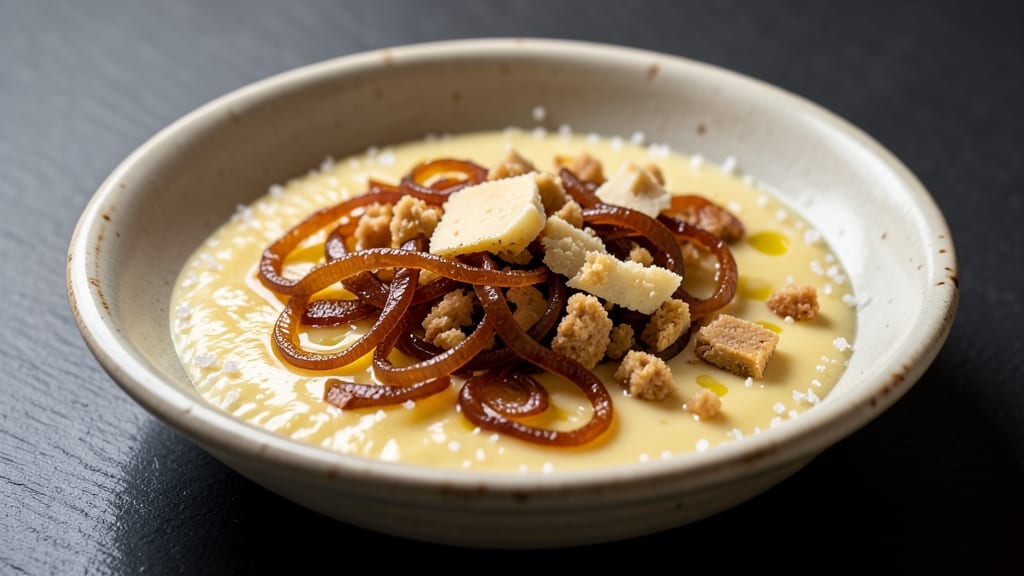
This Basque cream cheese recipe delivers the perfect balance of crispy caramelized sugar top and silky, tangy custard center—just like Spain’s beloved crema catalana. The secret lies in tempering the custard with rich Idiazábal cheese and finishing with a delicate sugar crust that crackles with every bite.
I’ve perfected this technique over years of testing, ensuring the custard never curdles while achieving that signature crunch.
The foundation begins with a velvety custard made from heavy cream, whole milk, and a blend of egg yolks and cheese—traditionally Idiazábal or Manchego—for depth. Caramelized onions add a subtle sweetness that complements the tangy cheese, while a touch of cinnamon or vanilla elevates the flavors.
The custard is baked until just set, then topped with a layer of sugar that melts into a crackly, golden crust when torched.
What you’ll end up with is a dessert that’s both rustic and refined: a crispy sugar shell that gives way to a smooth, creamy interior infused with Basque cheese. The aroma alone—warm caramelized sugar and melted cheese—will have everyone gathered around the table.
Serve it warm with a sprinkle of cinnamon or a dollop of whipped cream for the full experience.
This recipe is versatile enough for special occasions yet simple enough for weeknight indulgences. The key is patience—letting the custard temper slowly and torching the sugar just right ensures that crispy top every time. Let’s bring a taste of the Basque Country to your kitchen.
Ingredients for basque cream cheese
The perfect blend of velvety custard and crispy sugar crust—just like Basque crema catalana.
| Ingredient | Amount | Notes |
|---|---|---|
| Heavy Cream 🥛 | 2 cups | Full-fat for best texture |
| Whole Milk 🥛 | 1 cup | Room temperature preferred |
| Large Egg Yolks 🥚 | 6 whole | Fresh, pasteurized if preferred |
| Idiazábal Cheese 🧀 | 8 oz | Aged, shredded or crumbled |
| Granulated Sugar 🍚 | ½ cup | Superfine preferred for smoothness |
| Yellow Onions 🧅 | 1 whole | Medium size, thinly sliced |
| Unsalted Butter 🧈 | 2 tbsp | For caramelizing onions |
| Ground Cinnamon 🍃 | ½ tsp | Freshly ground preferred |
| Vanilla Extract 🍯 | 1 tsp | Pure vanilla preferred |
| Salt 🧂 | ¼ tsp | Fine sea salt preferred |
| Turbinado Sugar 🍚 | ¼ cup | For crispy caramelized top |
The cheese is non-negotiable here—Idiazábal delivers that authentic Basque tang, but Manchego works in a pinch. Look for aged wheels with good marbling at specialty cheese shops or well-stocked grocery stores like Whole Foods or Eataly. If you can't find Idiazábal, Parmigiano-Reggiano adds depth too. For the onions, yellow or red both work—just make sure they're fresh with crisp edges. The sugar matters too: turbinado for that signature caramelized crunch, but brown sugar gives a deeper molasses flavor if you prefer.
No Idiazábal? Parmesan or Gruyère at half the amount adds richness, though the flavor won't be identical. Running low on vanilla? Vanilla bean paste gives real vanilla flavor without scraping seeds. The heavy cream can be swapped for half-and-half, but the custard won't be as luscious. For a dairy-free version, coconut cream, but texture will differ. The cinnamon is optional—skip if you dislike spice, but it's traditional for a reason. If you can't find turbinado sugar, white sugar***, but toast it lightly in a dry pan first for better caramelization.
Store the custard base (without sugar top) in the fridge for 3 days—it actually improves overnight. For the sugar crust, make it fresh or reheat gently in the oven. The torched version is best served immediately, but you can reheat the whole dish at 350°F for 10-12 minutes if needed. I always make a double batch—one for dinner, one for breakfast the next day. The leftovers reheat beautifully, though the crust won't be as crispy. Freeze portions without the sugar top for up to 1 month—just add fresh sugar when reheating.
Why You'll Love This Recipe
- No Fuss, One-Pot Magic: I swear by this recipe because it’s the kind of dish that lets you multitask—simmer the milk and cream, whisk the yolks, fold in the crumbly Idiazábal, and boom—done. No straining, no tempering eggs separately, just smooth, velvety perfection with minimal cleanup.
- Idiazábal’s Rich Hug: Honestly, the cheese is the star. That smoky, nutty Idiazábal melts into the custard like a warm blanket, balancing the sweetness without overpowering it. It’s the kind of flavor that makes you pause mid-spoonful—wait, is this dessert or a flavor memory?
- Weeknight to Dinner Party: Between us, this is my go-to for lazy Sundays and when Aunt Maria drops by unannounced. Serve it chilled with berries for a simple dessert, or drizzle it over toasted brioche for a breakfast that feels fancy. The same base, endless possibilities.
- Leftovers That Don’t Suck: I make a double batch because the leftovers are actually better the next day—thicker, richer, and just as easy to reheat (or eat cold straight from the fridge). Plus, it’s cheaper than buying store-bought custard, and the taste? Night and day. (My kids don’t even notice when I sneak in less sugar.)
Step-by-step instructions for Basque cream cheese
Master this classic Spanish dessert with its signature caramelized crust and velvety interior.
Caramelize the Onions for Depth of Flavor
Heat the 2 tablespoons unsalted butter in a medium saucepan over medium-low heat. Add the 1 whole yellow onion, sliced into thin half-moons. Cook for 20-25 minutes, stirring occasionally, until the onions turn deep golden brown and their edges begin to crisp slightly. This slow caramelization develops complex sweetness that forms the base of your Basque cream.
I like to press down gently on the onions with a wooden spoon during the last 5 minutes to encourage browning. If they start to stick, add 1 teaspoon water to deglaze and continue cooking. The onions should yield about ½ cup of caramelized mixture—this is your flavor foundation, so don't rush this step. The aroma will fill your kitchen with sweet, nutty perfume when ready.
Infuse the Cream Mixture with Warm Spices
In a separate saucepan, combine the 2 cups heavy cream, 1 cup whole milk, 0.5 cup granulated sugar, 0.5 teaspoon ground cinnamon, 1 teaspoon vanilla extract, and 0.25 teaspoon salt. Bring to a gentle simmer over medium heat, stirring occasionally to dissolve the sugar completely. Let it simmer for 8-10 minutes until the mixture reduces slightly and coats the back of a spoon.
Remove from heat and let cool for 5 minutes—this prevents scrambling when you add the egg yolks later. The spices should be fully infused, giving the cream a warm, aromatic quality. I always taste at this stage to adjust sweetness; if needed, add a pinch more sugar, but be cautious—too much will make the final texture grainy.
Temper the Egg Yolks for Silky Perfection
Place the 6 whole large egg yolks in a heatproof bowl. Slowly ladle about 1 cup of the warm cream mixture into the yolks while whisking constantly. This tempering process ensures the eggs cook gently and don't curdle. Once the yolks are fully incorporated, pour the mixture back into the saucepan and return to low heat. Cook for 3-4 minutes, stirring constantly, until the mixture thickens enough to coat the back of a spoon.
Here's where attention matters most: the mixture should thicken to a pudding-like consistency but not set completely. If it thickens too quickly, remove from heat immediately and stir vigorously to prevent curdling. The texture should be smooth and velvety—this is your silky center waiting to be transformed.
Incorporate the Cheese and Prepare for Baking
Remove the saucepan from heat and stir in the 8 ounces Idiazábal cheese until completely melted and smooth. The cheese should blend seamlessly, creating a rich, tangy base. Pour the mixture through a fine-mesh sieve into a 6-cup baking dish (about 8x8 inches) to remove any lumps. Spread the caramelized onions evenly over the top.
Sprinkle the 0.25 cup turbinado sugar evenly over the onions. The sugar will create the signature crispy crust when caramelized. Tap the dish gently on the counter to settle the mixture—this prevents cracks that might form during baking. The surface should be smooth and even, ready for the oven's transformation.
Bake to Crispy, Caramelized Perfection
Preheat your oven to 350°F. Place the baking dish on the middle rack and bake for 40-45 minutes until the edges are golden brown and the center is just set. The turbinado sugar should form a beautiful caramelized crust with crackly edges—this is your crispy top, the hallmark of Basque cream.
To test doneness, gently shake the dish—if the center jiggles slightly but doesn't wobble, it's ready. Remove from the oven and let cool for 10 minutes before serving. The contrast between the crispy top and silky interior is what makes this dessert extraordinary. Serve warm with a dollop of whipped cream or fresh berries for an authentic Basque experience.
Pro Tips For Making Basque Cream Cheese
- Temper the cream: Warm your heavy cream and milk together in a saucepan over medium-low heat until they’re just steaming—not boiling. I learned this the hard way after curdling three batches when I got impatient and dumped in scalding-hot liquid. The yolks will thank you.
- Grate Idiazábal fine: Use the small holes of a box grater for the cheese—no chunks means no grainy surprises. I was skeptical until I tried it; the texture becomes silky instead of clumpy. Skip this, and you’ll end up with a rustic, uneven cream.
- Whisk yolks cold: Chill the egg yolks in the fridge for 10 minutes before mixing them into the warm cream. Cold yolks emulsify better, and you’ll avoid that dreaded scrambled-egg texture. (Yes, even if you’re impatient like me.)
- Strain for smoothness: After cooking, strain the mixture through a fine-mesh sieve into a clean bowl—it’s worth the extra 30 seconds. The Idiazábal can leave behind bits, and this guarantees a velvety finish. I skip it when I’m lazy, but the difference is noticeable.
Best sauces and condiments for basque cream cheese
Caramelized Onion Sauce
Start with the caramelized onions from your Basque cream—this sweet, nutty base transforms into a luscious sauce. After baking, spoon out ½ cup of the creamy cheese mixture and mix it with 2 tablespoons of the caramelized onions.
Warm gently in a saucepan with 1 tablespoon heavy cream until smooth. Drizzle over toasted baguette slices for an elegant appetizer. 🧅
Spiced Honey Drizzle
Combine ¼ cup honey, 1 teaspoon vanilla extract, and ¼ teaspoon cinnamon in a small saucepan. Simmer for 3 minutes, then strain. Drizzle over warm Basque cream cheese slices or spoon into individual ramekins.
The honey's floral notes complement the cheese's tang perfectly. For extra flair, add a pinch of smoked paprika to the honey.
Whipped Cream Variation
Whip 1 cup heavy cream with 1 tablespoon powdered sugar and ½ teaspoon vanilla extract until soft peaks form. Fold in 2 tablespoons crumbled Idiazábal cheese, then pipe onto plates alongside the Basque cream.
The contrast of cool, airy cream with warm custard is divine. Garnish with toasted almond slices for crunch. 🥛
Citrus Zest Glaze
Zest 1 lemon and 1 orange, then simmer with 2 tablespoons sugar, 1 tablespoon water, and 1 teaspoon cornstarch, stirring until thickened. Brush lightly over the crispy sugar top just before serving.
The bright citrus cuts through the richness, adding a refreshing contrast. Store-bought zest works, but fresh is always better. 🍊
Caramelized Sugar Crust
For an extra-crispy finish, sprinkle an additional 2 tablespoons turbinado sugar, then torch with a kitchen torch until golden and crackly. If you don’t have a torch, broil for 1-2 minutes, watching closely to avoid burning.
This step elevates the dish from homemade to restaurant-worthy. Serve immediately for that signature crunch. 🔥
Berries Compote
Simmer 1 cup mixed berries, 2 tablespoons sugar, and 1 teaspoon lemon juice, mashing slightly. Spoon over the Basque cream cheese just before serving.
The berries’ acidity balances the richness, while their natural sweetness enhances the caramelized flavors. Blueberries and raspberries work best—avoid overly watery fruits like strawberries. 🍓
Nutrition facts
Frequently asked questions
Can I substitute Idiazábal cheese in this recipe?
Yes, but the flavor will differ slightly. For a similar tangy profile, use Manchego or Parmigiano-Reggiano at half the amount. If you prefer milder cheese, Gruyère works well too. Avoid pre-shredded cheese—it contains anti-caking agents that prevent smooth melting. Freshly grated cheese blends best for that authentic Basque cream texture.
Why did my custard curdle when baking?
Curdling usually happens when egg yolks cook too quickly or the mixture overheats. Always temper the yolks by slowly adding warm cream while whisking, and never let the custard boil. If it thickens too fast, remove from heat immediately and stir vigorously. For extra insurance, strain the custard through a fine-mesh sieve before baking. The ideal texture should be smooth and pudding-like, not grainy.
How do I get the perfect crispy sugar top?
The key is using turbinado sugar and torching it just before serving. Sprinkle sugar evenly over the custard after baking, then use a kitchen torch to melt and caramelize until golden and crackly. If you don't have a torch, broil for 1-2 minutes—watch closely to avoid burning. For best results, serve immediately after torching while the sugar is still crisp.
Can I make this Basque cream cheese ahead of time?
The custard base (without sugar) keeps well in the fridge for 3 days and freezes for 1 month. Reheat gently in the oven at 350°F for 10-12 minutes until warmed through. For the sugar crust, make it fresh or reheat the baked custard and add fresh sugar, then torch immediately. The texture won't be as crispy as freshly made, but it's still delicious.
What's the best way to serve this dessert?
Serve warm with a dollop of whipped cream, a sprinkle of cinnamon, or fresh berries for contrast. For an elegant touch, drizzle with spiced honey*, caramelized onion sauce, or citrus zest glaze. The Basque tradition often pairs it with crusty bread***, letting guests scoop up the creamy center.