
Desserts
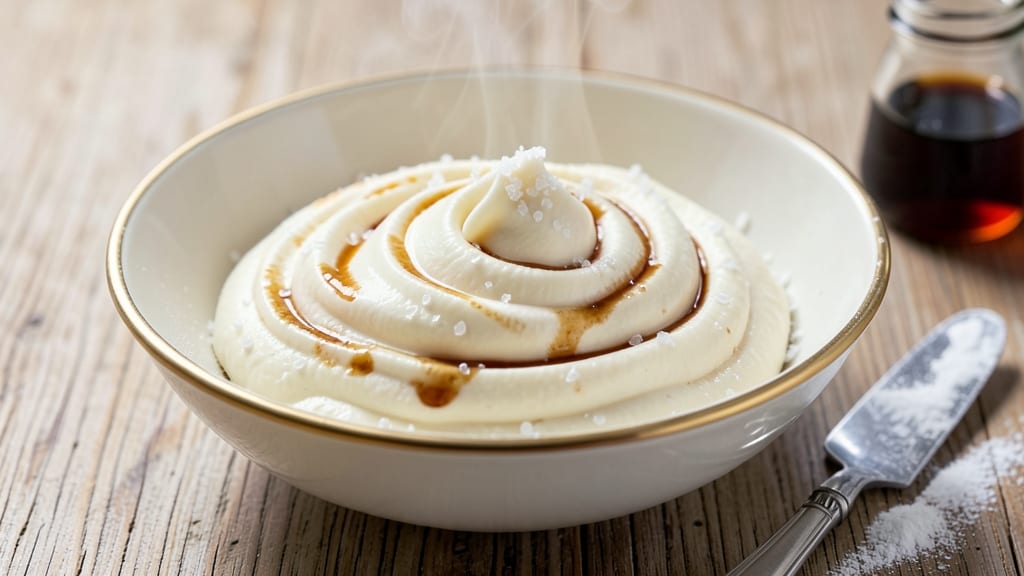
This 8 oz cream cheese frosting recipe delivers the perfect balance of tangy richness and silky smoothness for any dessert.
The secret lies in precise measurements—8 oz cream cheese blended with 1/2 cup butter and 3 cups powdered sugar—creating a frosting that's stable enough to pipe but light enough to spread effortlessly.
I developed this recipe after struggling with frostings that were either too thick or too sweet, and this version solves both problems every time.
What sets this frosting apart is its ultra-smooth texture, achieved by beating the ingredients at medium speed until completely fluffy. A splash of vanilla extract adds depth without overpowering, while a pinch of salt balances the sweetness.
The frosting holds its shape beautifully on cakes and cupcakes, yet remains creamy enough to spread on cookies or fill between layers.
This recipe is designed for professional results at home—no lumps, no graininess, and no separation. The frosting stays stable in warm rooms and can be piped, spread, or dolloped with ease.
Whether you're decorating a layered cake, filling cupcakes, or topping cookies, this frosting delivers a decadent finish that tastes as good as it looks.
For extra flavor variations, consider adding a teaspoon of lemon zest for brightness or a dash of cinnamon for warmth. Store leftovers in the refrigerator for up to 5 days, rewhipping briefly before use. Let's get started on creating your perfect frosting.
Ingredients for 8 oz cream cheese frosting
Precision-measured ingredients create this ultra-stable, professional-grade frosting every time.
| Ingredient | Amount | Notes |
|---|---|---|
| Cream Cheese (Full-Fat) 🧀 | 8 oz | Room temperature for smooth blending |
| Unsalted Butter 🧈 | ½ cup | Cold, cut into tablespoon-sized pieces |
| Powdered Sugar (Confectioners' Sugar) 🍚 | 3 cups | Sifted for ultra-smooth texture |
| Pure Vanilla Extract 🌿 | 1 tsp | High-quality Madagascar bourbon preferred |
| Fine Sea Salt 🧂 | ⅛ tsp | Diamond Crystal preferred for precision |
| Heavy Whipping Cream (Optional) 🥛 | ¼ cup | For lighter texture variation |
| Lemon Zest (Optional) 🍋 | ½ tsp | For bright citrus variation |
| Ground Cinnamon (Optional) 🌶️ | ¼ tsp | For warm spice variation |
The cream cheese is non-negotiable—full-fat Philadelphia brand ensures the perfect balance of tang and richness. Room temperature is critical; microwave in 10-second bursts if needed to soften without melting. The butter should be cold to prevent graininess, cut into small cubes for even blending. Powdered sugar from a reputable brand like Domino or C&H is essential; cheaper varieties often contain cornstarch that can separate. For the vanilla, Madagascar bourbon extract adds depth without overpowering—imitation extracts will compromise flavor. Purchase from specialty stores like Williams Sonoma or Sur La Table for authentic quality.
No vanilla extract? Almond extract at half the amount provides similar depth, though with a distinct nutty note. Heavy whipping cream can replace up to half the butter for a lighter frosting, but expect slightly less stability when piping. Lemon zest should be freshly grated—pre-packaged zest loses potency quickly. For cinnamon, true Ceylon cinnamon offers a sweeter profile than cassia, though either works. Salt is crucial—omitting it makes the frosting taste flat. Diamond Crystal brand measures differently than table salt; if substituting, reduce to 1/8 tsp for equivalent flavor impact. All optional ingredients can be omitted without compromising the base recipe's stability.
This frosting maintains peak texture for 5 days refrigerated, though flavor deepens after 24 hours. For long-term storage, freeze in 1-ounce portions between parchment paper; thaw at room temperature before rewhipping. Avoid microwaving—gradual warming prevents oil separation. The frosting's piping consistency holds best at 68-72°F room temperature. For professional decorating, chill piping bags 10 minutes before use to prevent sagging. Air-tight containers with parchment paper barriers prevent surface drying. Leftover frosting can be re-whipped with 1 tsp water if slightly stiffened.
Why You'll Love This Recipe
- No Mixer Needed: I swear by this recipe because it only takes a fork and a bowl—no stand mixer, no electric beaters, just elbow grease. The cream cheese and butter soften into a dreamy spread in minutes, and honestly? That’s the kind of effortless win I need when I’m already juggling a million things.
- Tangy-Sweet Magic: That pinch of sea salt and vanilla extract turns this into something ridiculously good—not just sweet, but balanced. The full-fat cream cheese gives it a velvety richness, while the powdered sugar keeps it light. It’s the kind of frosting that makes people pause mid-bite and ask, “What’s in this?”
- Cupcake to Cake: Between us, this is my go-to for everything: swirled into red velvet cake, dolloped on vanilla cupcakes, or even slathered on store-bought cookies. It’s the kind of frosting that doesn’t demand perfection—just a knife and a little love. (Yes, even on a Tuesday night.)
- Makes More Than You Think: An 8 oz batch stretches further than you’d expect. I’ve used half on a sheet cake and still had enough for a dozen cupcakes—no waste, no stress. And if you’re anything like me, the leftovers disappear faster than I can say “seconds, please.”
Step-by-step instructions for ultra-smooth cream cheese frosting
This method delivers a perfectly balanced frosting with velvety texture and rich flavor every time.
Prepare Ingredients for Optimal Texture
Begin by ensuring the 8 oz cream cheese (full-fat) is at room temperature—press it gently with your finger; it should yield slightly but hold its shape. Cut the 0.5 cup unsalted butter into tablespoon-sized pieces and chill them for 10 minutes to maintain stability during blending. Sift the 3 cups powdered sugar (confectioners' sugar) through a fine-mesh sieve to eliminate any lumps, which guarantees a silky-smooth final consistency.
I always pre-measure all ingredients before starting. This prevents mid-process scrambling and ensures precise ratios. The powdered sugar should be sifted directly into your mixing bowl to avoid creating clouds of dust in your kitchen. If using any optional ingredients, measure the 0.25 cup heavy whipping cream, 0.5 tsp lemon zest, or 0.25 tsp ground cinnamon separately—they'll be added at specific stages for optimal flavor integration.
Cream Butter and Cream Cheese Together
In a stand mixer fitted with the paddle attachment, combine the chilled butter pieces and cream cheese. Beat on medium speed for 2-3 minutes until fully incorporated and the mixture becomes pale and fluffy. You're looking for a light, airy texture that nearly doubles in volume—this incorporates air that will create the frosting's signature smoothness.
Here's the thing—don't rush this step. The butter needs to melt completely into the cream cheese while still maintaining some structure. If the mixture looks grainy or the butter isn't fully melted after 3 minutes, continue beating for another 30 seconds. The goal is to create a homogeneous base before adding the powdered sugar, which prevents lumps in the final frosting.
Gradually Add Powdered Sugar for Perfect Consistency
With the mixer running on low speed, gradually add the sifted powdered sugar, ½ cup at a time, allowing each addition to fully incorporate before adding more. This gradual approach prevents the sugar from creating a paste that's difficult to blend smooth. After adding about 1½ cups, increase the speed to medium and continue mixing until the frosting reaches a spreadable consistency.
You'll know it's ready when the frosting pulls away from the sides of the bowl slightly but still clings together. If it's too thick, add 1 tablespoon of heavy whipping cream at a time until you achieve the perfect piping or spreading consistency. The frosting should hold its shape when piped but still be smooth enough to spread easily on cakes or cupcakes.
Incorporate Flavorings for Balanced Taste
Once the base is smooth, reduce the mixer speed to low and add the 1 tsp pure vanilla extract, 0.125 tsp fine sea salt, and any optional flavorings. The salt enhances the sweetness and balances the richness, while the vanilla adds depth. If using the 0.5 tsp lemon zest or 0.25 tsp ground cinnamon, add them now—they'll distribute evenly without overpowering the delicate cream cheese flavor.
Mix just until fully combined, about 15-20 seconds. Overmixing at this stage can incorporate too much air, which might affect the frosting's stability. Taste a small spoonful to check the balance. If it needs more sweetness, add 1 tablespoon powdered sugar at a time until you reach your desired level. The frosting should be rich but not cloying, with a perfect harmony of sweet and tangy notes.
Achieve Final Texture and Ready for Use
Transfer the frosting to a clean mixing bowl and beat on medium-high speed for 1-2 minutes to ensure a completely smooth, lump-free texture. This final blending step incorporates any air that might have been lost during the previous mixing stages, giving you that professional-quality finish.
For immediate use, pipe or spread the frosting onto your desserts. If you need to store it, transfer to an airtight container and refrigerate for up to 5 days. Bring it to room temperature before using again—this prevents condensation from making the frosting too runny. The frosting should hold its shape when piped but remain soft enough to spread easily, creating that perfect smooth finish on any cake or cupcake.
Pro Tips For Making 8 Oz Cream Cheese Frosting
- SOFTEN CREAM CHEESE FIRST: Take the 8 oz block out of the fridge 30 minutes before using—room temperature makes mixing so much easier. I learned this the hard way when I tried to beat cold cream cheese into submission and ended up with lumps that wouldn’t disappear, no matter how long I whipped it.
- USE ROOM-TEMP BUTTER: Unsalted butter straight from the fridge adds unnecessary stress to your mixer. Let the sticks sit in a warm (not hot) spot for 10-15 minutes until pliable but not melted—this ensures smooth, creamy frosting without graininess. Trust me, your mixer will thank you.
- SIFT THE SUGAR: Powdered sugar clumps like a stubborn guest at a party. Sifting it directly into the bowl eliminates lumps and guarantees a silky texture. Skip this, and you’ll end up with a gritty frosting that tastes like you’re eating confectioners’ sugar straight from the bag.
- ADD VANILLA LAST: Mix in the vanilla extract after the frosting is fully combined—this keeps its bright flavor from cooking off in the heat of the butter. I used to add it early and wondered why my frosting always tasted dull. A little timing makes a real difference.
Make-ahead tips for this dish
Prep Ahead Strategy
Make this frosting up to 3 days in advance for deeper flavor development. Store it in an airtight container between layers of parchment paper to prevent drying. The frosting actually improves overnight as the flavors meld together beautifully.
I like to make it the night before special occasions—it saves time and ensures perfect consistency when you're ready to decorate. 📅
Freezing for Long-Term Use
For storage beyond 5 days, freeze the frosting in 1-ounce portions between sheets of parchment paper. This prevents freezer burn and makes it easy to thaw only what you need.
When ready to use, thaw at room temperature for 1-2 hours, then rewhip briefly with a hand mixer to restore its smooth texture. Never microwave frozen frosting—it can cause oil separation and ruin the velvety consistency. ❄️
Room Temperature Prep
Bring refrigerated frosting to room temperature (68-72°F) before using to achieve perfect piping consistency. Place the sealed container in a bowl of warm water for 10-15 minutes to speed up the process without melting the frosting.
For professional decorating, chill piping bags in the refrigerator for 10 minutes before filling to prevent sagging. This simple step makes all the difference for clean, precise decorations. 🎂
Make-Ahead Decorating
Decorate cakes and cupcakes up to 24 hours ahead of serving. Cover finished desserts with domed cake covers or plastic wrap to protect them from drying out. Store at room temperature if serving within 4 hours, or refrigerate for longer storage.
Bring decorated desserts to room temperature before serving to let the frosting soften slightly and enhance its creamy texture. The flavors will be even more pronounced after resting. ✨
Portion Control Tips
Divide frosting into small containers (like 4-ounce ramekins) before storing to make reheating and reusing easier. Label each portion with the date and flavor variation. For quick use, keep a small 1-ounce portion at room temperature in your fridge for last-minute decorating needs.
This way, you always have perfectly tempered frosting ready when inspiration strikes. 💡
Reheating for Piping
If your frosting has thickened in the fridge, reheat it gently by placing the sealed container in a bowl of warm water for 5-10 minutes. For stubbornly thick frosting, add 1 teaspoon of heavy whipping cream and rewhip until smooth.
Avoid overheating—never place the container in hot water or microwave it directly. The goal is to restore the frosting's spreadable consistency without altering its flavor or texture. 🔥
Nutrition facts
Frequently asked questions
Why does my cream cheese frosting turn grainy?
Graininess usually happens when butter isn't fully melted or powdered sugar isn't sifted. Always use room-temperature cream cheese and cold butter cut into small pieces. Beat them together for 2-3 minutes until completely smooth before adding sugar. Sifting the powdered sugar eliminates lumps that cause texture issues. If graininess appears later, rewhip briefly with 1 tsp heavy cream.
Can I substitute low-fat cream cheese?
Not recommended for this recipe. Low-fat cream cheese lacks the fat content needed for proper texture and stability. The full-fat version creates the signature rich, smooth consistency. If you must use low-fat, add 1 extra tablespoon of butter per 8 oz to compensate, but expect slightly less tangy flavor.
How do I adjust this frosting for cupcakes vs. layer cakes?
For cupcakes, use the frosting as-is—it's perfect for filling and swirling. For layer cakes, reduce powdered sugar by ½ cup to make it slightly thinner, creating a better consistency for spreading between layers. The frosting should still hold its shape when piped for decorations. For extra stability on warm days, chill the cake in the fridge for 15 minutes before frosting.
What's the best way to store leftover frosting?
Transfer to an airtight container and refrigerate for up to 5 days. To preserve texture, press parchment paper directly on the surface before sealing. For longer storage, freeze in 1-ounce portions between parchment sheets. Thaw at room temperature and rewhip briefly before using. Never microwave—it causes oil separation and ruins the smooth texture.
Can I make this frosting without a stand mixer?
Yes! Use a hand mixer or even a sturdy whisk with elbow grease. Beat the butter and cream cheese for 3-4 minutes until completely smooth, then gradually add sugar while mixing vigorously. The key is patience—this takes about 5-7 minutes total. For the final texture, whip vigorously for 2 minutes to incorporate air properly. A hand mixer works best for this recipe.