
Beverages
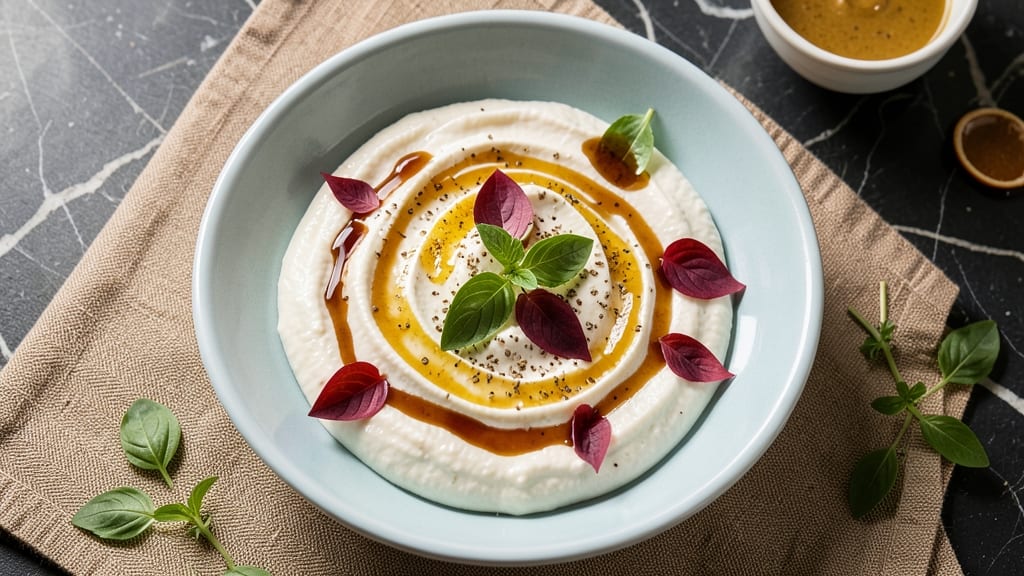
This almond milk ricotta cheese recipe transforms simple pantry staples into a lusciously creamy, plant-based alternative that rivals traditional ricotta. The secret lies in blending almond milk with a touch of acid—whether lemon juice or vinegar—to create a silky, curd-free texture perfect for spreading, baking, or enjoying on its own.
What sets this apart is how closely it mimics ricotta's natural consistency, making it an ideal vegan substitute without sacrificing flavor or versatility.
The process is straightforward: combine almond milk, acid, and a pinch of salt, then blend until smooth. For added richness, sweeten with maple syrup or vanilla, or infuse with herbs like basil or rosemary.
The result is a neutral, creamy base that absorbs flavors beautifully—ideal for breakfast bowls, desserts, or as a topping for fresh fruit. Unlike store-bought versions, this recipe avoids gums or stabilizers, delivering pure, wholesome creaminess.
What makes this recipe stand out is its foolproof method—no special equipment required, just a blender and patience. The texture is velvety yet sturdy enough for layering, and it keeps well in the fridge for up to a week.
Whether you're vegan, lactose-intolerant, or simply craving a lighter option, this almond milk ricotta delivers restaurant-quality results at home.
For extra flair, stir in fresh berries, cinnamon, or a drizzle of honey post-blending. Use it in lasagna, stuffing, or as a dip for toasted bread—its adaptability makes it a kitchen essential. Let’s get started on creating your perfect plant-based ricotta.
Ingredients for almond milk ricotta cheese
Simple plant-based staples transform into velvety ricotta with just acid and blending.
| Ingredient | Amount | Notes |
|---|---|---|
| Unsweetened Almond Milk 🥛 | 2 cups | High-protein, unsweetened preferred |
| Fresh Lemon Juice 🍋 | 2 tbsp | From organic lemons for brightness |
| Pure Maple Syrup 🍯 | 1 tbsp | Grade A for subtle sweetness |
| Sea Salt 🧂 | ½ tsp | Fine grain, Diamond Crystal preferred |
| Vanilla Extract 🌿 | ½ tsp | Pure alcohol-free preferred |
| Fresh Basil Leaves 🌿 | ¼ cup | Packed, stems removed |
| Ground Flaxseed 🌾 | 1 tbsp | Freshly ground for thickening |
| White Vinegar 💧 | 1 tsp | Substitute for lemon juice if needed |
| Pure Vanilla Bean Seeds 🌿 | ½ tsp | Optional, for enhanced flavor |
| Ground Cinnamon 🌶️ | ¼ tsp | Optional, for warm undertones |
| Filtered Water 💧 | ¼ cup | For adjusting consistency |
The almond milk is the foundation—opt for high-protein, unsweetened varieties (like Silk or So Delicious) to ensure maximum creaminess. Trader Joe's carries excellent options, or check the organic section at Whole Foods for brands with minimal additives. Fresh lemon juice is critical; bottled versions lack the brightness needed for authentic flavor. If you can't find organic lemons, Wyman's brand at conventional grocers offers a reliable alternative. The flaxseed acts as a natural thickener without altering the texture, so always grind it fresh for optimal results.
No lemon juice? White vinegar or apple cider vinegar work equally well—just reduce to half the amount to avoid over-acidifying. Prefer a sweeter ricotta? Agave nectar or date syrup can substitute for maple syrup, though the flavor profile shifts slightly. For added depth, vanilla bean seeds or a pinch of cinnamon elevate the base flavor without overpowering. The basil should be freshly washed and dried to prevent excess moisture, which can dilute the blend. If you're using this for savory dishes, omit the sweetener entirely and enhance with freshly cracked black pepper or smoked paprika instead.
Store the ricotta in an airtight container with a thin layer of almond milk on top to preserve freshness. It keeps for up to 7 days in the refrigerator, though the texture becomes slightly grainier after day 4. For longer storage, portion into ice cube trays, freeze, and transfer to a bag—these single-serving cubes thaw in minutes and work perfectly for baking. Avoid reheating; instead, let it sit at room temperature for 10-15 minutes before serving to restore its silky consistency.
Why You'll Love This Recipe
- No Whisk Needed: I swear by this—just shake it in a jar until it thickens. No straining, no fancy tools, just almond milk and lemon juice working their magic while you sip your coffee.
- Sweet-Tart Magic: That first bite? Bright citrus cuts through the creamy almond base, then maple syrup ties it all together—like a dessert that somehow belongs on toast. Honestly, I reach for this over store-bought ricotta every time.
- Breakfast to Dessert: Spread it on toast for a protein boost, dollop it into smoothies for richness, or drizzle it over pancakes—it’s my go-to for lazy mornings or last-minute treats. (Yes, even on a Tuesday night.)
- Lasts All Week: A batch keeps in the fridge for days, and the vanilla keeps it interesting. I make it on Sundays, then use it in everything from savory pasta to sweet overnight oats—no waste, all flavor.
Step-by-step instructions for almond milk ricotta cheese
Transform simple pantry staples into velvety plant-based ricotta with this precise method.
Create the Flaxseed Thickening Agent
In a small bowl, whisk together the 1 tablespoon ground flaxseed with the 0.25 cup filtered water. Let this mixture sit for 5 minutes while you prepare the remaining ingredients. You'll notice it thickens into a gel-like consistency similar to egg whites—this is what creates the creamy texture in our plant-based ricotta.
The flaxseed mixture acts as our natural coagulant, replacing the traditional acid-base reaction used in dairy ricotta. Stir occasionally to ensure even distribution of the flax fibers throughout the water. If you're using pre-ground flaxseed, pulse it briefly in a spice grinder for finer texture, which yields a smoother final product.
Acidify and Heat the Almond Milk
In a medium saucepan, combine the 2 cups unsweetened almond milk, 2 tablespoons fresh lemon juice, and 1 teaspoon white vinegar. Heat over medium-low heat until the mixture reaches 185°F—this is crucial for proper coagulation without curdling. You'll see small bubbles form around the edges of the pan, and the mixture will develop a slightly thickened appearance.
I like to use a candy thermometer for this step to ensure precision. The acidification from the lemon juice and vinegar is what initiates the protein separation, similar to how citric acid works in traditional ricotta. Stir gently every 2 minutes to prevent scorching at the bottom of the pan, which can impart bitter flavors to your final product.
Incorporate Sweetness and Aromatics
Remove the saucepan from heat and stir in the 1 tablespoon pure maple syrup, 0.5 teaspoon sea salt, and 0.5 teaspoon vanilla extract. Add the flaxseed gel you prepared earlier and whisk until fully combined. The mixture should be smooth with no visible flax fibers remaining.
For enhanced flavor, pulse the 0.25 cup fresh basil leaves in a food processor until finely chopped, then stir them into the warm mixture. If using the optional 0.5 teaspoon vanilla bean seeds and 0.25 teaspoon ground cinnamon, add them now along with the basil. The warmth of the cinnamon and floral notes of the vanilla bean will complement the fresh basil beautifully, creating a complex flavor profile.
Strain for Silky Texture
Line a fine-mesh strainer with cheesecloth or a clean kitchen towel and place it over a heatproof bowl. Pour the warm mixture into the strainer and let it drain for 15-20 minutes at room temperature. The liquid that collects in the bowl is called whey—don't discard it if you want to use it in smoothies or baking.
Gently press on the solids in the strainer with a wooden spoon to extract all the liquid without compacting the ricotta too tightly. You're aiming for a texture that's thick but still spreadable—like traditional ricotta. If the mixture drains too slowly, you can place the strainer in the refrigerator for 5 minutes to speed up the process while maintaining temperature control.
Chill and Adjust Consistency
Transfer the strained ricotta to a clean bowl and refrigerate for at least 1 hour to set completely. This chilling step is essential for developing the proper texture. After chilling, taste and adjust sweetness with additional maple syrup if needed, or balance flavors with extra sea salt.
For an ultra-smooth texture, blend the chilled ricotta briefly in a food processor or with an immersion blender. This step is optional but recommended if you prefer a completely silky consistency. Your plant-based ricotta should now have a creamy, spreadable texture perfect for dipping, spreading, or incorporating into both sweet and savory dishes.
Pro Tips For Making Almond Milk Ricotta Cheese
- Heat It Slowly: Pour the almond milk into a saucepan over low heat—medium will scorch it before it thickens. I learned this the hard way after watching a pot of milk turn into a sad, grainy mess. Stir gently and keep the temperature steady; you’re aiming for a gentle simmer, not a boil.
- Strain for Smoothness: After thickening, strain the mixture through a fine-mesh sieve lined with cheesecloth (or a clean kitchen towel). This removes any grit from the almond milk and gives you that silky ricotta texture—no lumps, just pure creaminess. Skip this, and you’ll regret it when it feels like you’re eating almond pulp.
- Acid First, Then Sweeten: Whisk in the lemon juice before the maple syrup—acid first helps the mixture set properly. I used to add them at the same time, and the ricotta would either turn out too tangy or too cloying. The acid coagulates the proteins; the sweetness just balances it after.
- Salt in Stages: Add half the salt with the lemon juice, then taste and adjust after cooling. Ricotta’s flavor mellows as it sits, so what tastes perfect hot might need a pinch more later. I was guilty of over-salting early on—now I play it safe and fix it on the fly.
Creative variations of these flavors
Sweet Variations
Transform your ricotta into a dessert star by blending in ¼ cup mashed strawberries or ½ cup roasted blueberries for a fruity twist. For a spiced version, add ½ teaspoon cinnamon and ¼ teaspoon nutmeg—perfect for topping pancakes or oatmeal.
I love drizzling dark chocolate sauce over the top for an elegant finish. 🍓
Herb-Infused Options
Elevate savory dishes by stirring in 2 tablespoons finely chopped dill, 1 tablespoon chopped mint, or 1 teaspoon dried oregano. For a Mediterranean flair, combine ¼ cup sun-dried tomatoes and 1 clove roasted garlic into the blend.
These herbs work beautifully in pasta dishes or as a dip for crusty bread. 🌿
Nutty Crunch Add-Ins
For texture contrast, fold in 2 tablespoons toasted walnuts or 1 tablespoon chopped pecans after chilling. The nuts add a satisfying crunch while balancing the creamy texture. I recommend lightly toasting the nuts in a dry pan for 2-3 minutes to enhance their flavor before mixing. 🌰
Global Flavors
Create an Italian-inspired version by adding 1 tablespoon lemon zest and ½ teaspoon red pepper flakes. For a Japanese twist, incorporate 1 teaspoon matcha powder and ½ teaspoon grated ginger—ideal for sushi rolls or rice bowls. These global adaptations keep the ricotta versatile for any cuisine. 🌍
Savory Cheese Substitutes
Make your ricotta work in savory recipes by omitting sweetener and adding 1 teaspoon nutritional yeast for a cheesy flavor. For a smoky profile, mix in ½ teaspoon smoked paprika or ¼ teaspoon liquid smoke. This version shines in savory lasagna or as a filling for stuffed peppers. 🔥
Layered Dessert Base
Use your ricotta as a creamy layer in no-bake desserts by combining it with ½ cup crushed graham crackers and ¼ cup melted coconut oil. Chill for 2 hours to set, then top with fresh berries. This creates a luscious, vegan-friendly cheesecake alternative that's perfect for special occasions. 🍰
Nutrition facts
Frequently asked questions
Can I use any type of almond milk for this recipe?
For the best results, use unsweetened, high-protein almond milk like Silk or So Delicious. These varieties have more protein content, which helps create a thicker, ricotta-like texture. Avoid flavored or sweetened versions—the added sugars can alter the balance and make the final product too sweet.
Why does my ricotta turn out too thin or watery?
This usually happens if the almond milk wasn't heated to 185°F or if you didn't strain it long enough. For a thicker texture, either extend the straining time to 30 minutes or add 1 tablespoon ground flaxseed to the original mixture. If it's still too thin after chilling, blend it briefly with an immersion blender to break up any remaining liquid.
Can I make this ricotta without flaxseed?
Yes! You can substitute flaxseed with 1 tablespoon chia seeds or 1 teaspoon agar powder (for a firmer texture). Both work as natural thickeners, though chia seeds may give a slightly grainier result. For a completely seed-free version, try adding 1 tablespoon tapioca starch to the warm mixture before straining.
How long does this plant-based ricotta keep?
Store it in an airtight container with a thin layer of almond milk on top to preserve moisture. It stays fresh for 5-7 days in the refrigerator. For longer storage, portion into ice cube trays, freeze, and transfer to a bag—these single-serving cubes thaw in minutes and work perfectly for baking.
What's the best way to use this ricotta in savory dishes?
For savory applications, skip the sweetener and enhance with 1 teaspoon nutritional yeast for a cheesy flavor. Add ½ teaspoon smoked paprika or 1 clove roasted garlic for depth. It works beautifully in lasagna, stuffed peppers, or as a dip for toasted bread. The neutral base absorbs flavors exceptionally well!