
Appetizers
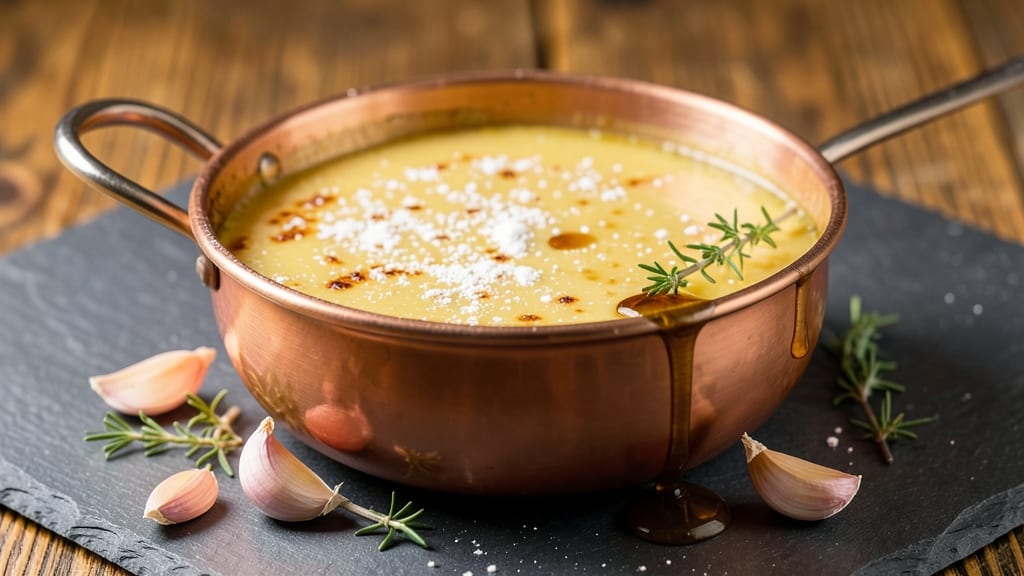
Asiago cheese fondue recipe transforms a simple gathering into an interactive feast where every bite delivers warm, stretchy cheese perfection. ✨ The secret lies in balancing rich Asiago with a white wine or broth base, creating a velvety melt that clings to every crispy bread bite or vegetable dipper. I've perfected this version to be foolproof—no grainy cheese or overly thick mixtures here, just smooth, luxurious fondue that's ready in under 30 minutes.
What makes this recipe special is its versatility and approachability. Unlike traditional Swiss fondue, Asiago brings nutty depth and a slightly sharper bite that pairs beautifully with both classic dippers and unexpected additions like roasted potatoes or apple slices.
The key technique involves gradual melting over low heat while stirring constantly, ensuring a silky texture without breaking. Safety is built in with temperature control—never exceeding 160°F to prevent cheese separation or scalding.
By the time you're ready to serve, you'll have a bubbling cauldron of golden fondue that's irresistibly stretchy and rich, with a crispy bread bite pulling away to reveal that perfect melt.
The aroma alone draws everyone to the table, while the interactive nature makes it ideal for parties or cozy weeknight dinners. Garnish with fresh herbs or a sprinkle of black pepper for extra flair, and prepare for requests to make it again and again.
This fondue recipe scales perfectly for groups, and leftovers can be reheated gently for another round of dipping. The beauty of Asiago fondue lies in its simplicity—just four core ingredients that come together to create something restaurant-worthy.
Let's get started on this crowd-pleasing classic that's sure to become a regular at your gatherings.
Ingredients for asiago cheese fondue
Four core ingredients create velvety Asiago fondue with crispy bread bites and unexpected dippers.
| Ingredient | Amount | Notes |
|---|---|---|
| Asiago Cheese 🧀 | 2 cups | Shredded, aged variety preferred |
| Dry White Wine 🍷 | 1 cup | Sauvignon Blanc or Pinot Grigio |
| Vegetable Broth 💧 | 1 cup | Low-sodium preferred |
| All-Purpose Flour 🌾 | 2 tbsp | For thickening base |
| Garlic Cloves 🧄 | 2 cloves | Minced for aroma |
| Fresh Thyme 🌿 | 1 tbsp | Leaves only, chopped |
| Black Peppercorns 🌶️ | ½ tsp | Freshly cracked |
| Kirsch or Brandy 🍷 | 1 tbsp | Optional for depth |
| Baguette 🍞 | 1 whole | Crusty, sliced into 1-inch pieces |
| Apples 🍎 | 1 medium | Honeycrisp variety, sliced |
| Potatoes 🥔 | 1 lb | Baby potatoes, halved |
| Unsalted Butter 🧈 | 2 tbsp | For dipping |
Asiago cheese is the star—aged variety has that nutty depth the intro promises. Whole Foods or specialty cheese shops carry the best blocks, but any well-marbled Asiago works. Freshly shredded makes all the difference; pre-shredded gets clumpy. The wine should be dry and crisp—Sauvignon Blanc or Pinot Grigio from a trusted producer like Kim Crawford or La Crema. For a non-alcoholic version, use extra broth and a splash of apple cider vinegar. The broth matters too: low-sodium so you control the seasoning.
No white wine? Chicken or vegetable broth with a splash of lemon juice works, though it loses that fruity brightness. Fresh thyme is ideal, but dried at one-third the amount gets you close. The flour is non-negotiable—it creates that perfect velvety texture. For extra richness, add 1 tbsp cornstarch to the flour mix. The garlic should be minced fine, not chopped—it needs to dissolve into the fondue. If you're feeling fancy, toasted pine nuts make a great garnish, but keep it simple with fresh herbs if you prefer.
Prep ahead: shred the cheese and measure everything the night before. The fondue reheats beautifully—just warm gently on low heat, stirring constantly. Leftovers keep for 3 days in the fridge, but honestly, it's best fresh. For parties, double the recipe and use a fondue pot with a built-in burner. Baguette slices crisp best when toasted just before dipping—keep them warm in a 200°F oven. The apples and potatoes add fun texture contrasts, but the cheese is the real star—so don't skimp on quality.
Why You'll Love This Recipe
- No-Pan Required: I swear by this trick—just toss the cheese, wine, and broth into a pot with a roux made from flour and garlic. No fancy equipment, no stress. The fondue thickens right there, smooth as silk, while I sip my wine and pretend I’m in a Swiss chalet.
- Umami Bomb: That Asiago? It’s the star. Sharp, nutty, and just salty enough to make every bite sing, especially when it melts into crispy bread or roasted veggies. The white wine cuts through the richness like a cool breeze on a summer day—honestly, I’ve never had fondue this balanced.
- Leftovers? Make It Better: Turn tomorrow’s dinner into today’s lunch. The fondue thickens beautifully when reheated—just add a splash of broth or wine—and it’s even richer. I’ve dipped everything from apples to pretzels into it, and my kids still beg for seconds. (Yes, even on a Tuesday night.)
- Budget-Friendly Luxury: Asiago’s cheaper than Gruyère, and a single block stretches for multiple meals. The wine and broth? Pantry staples. This isn’t some fancy restaurant dish—it’s the kind of comfort food that feels indulgent without breaking the bank. My wallet and taste buds thank me every time.
Step-by-step instructions for Asiago cheese fondue
Here's how to create a velvety Asiago fondue with perfect stretch and depth.
🍳 Step 1: Bloom the Flour and Sauté Aromatics
In a heavy-bottomed saucepan, melt the 2 tbsp unsalted butter over medium heat until it foams. Immediately whisk in the 2 tbsp all-purpose flour and cook for 1-2 minutes until the mixture turns a golden roux. This step is crucial—it removes the raw flour taste and creates the base for your fondue.
Add the 2 cloves minced garlic and 1 tbsp chopped fresh thyme, stirring constantly for 30 seconds until fragrant. You'll smell the garlic release its sweet aroma—this is your signal to move quickly before it burns. Keep the heat at medium to prevent scorching while developing the flavors.
🍷 Step 2: Deglaze with Wine and Broth
Pour in the 1 cup dry white wine and scrape the bottom of the pan with a wooden spoon to release any browned bits. Let the mixture simmer for 2-3 minutes until the alcohol cooks off—you'll notice the liquid reduces slightly and the aroma becomes more complex.
Add the 1 cup vegetable broth and bring to a gentle simmer. Here's where the magic happens: the fondue will begin to thicken as the starch from the flour activates. If it gets too thick too quickly, add 1-2 tablespoons of water to maintain a smooth consistency. This ensures your fondue will be silky, not grainy.
🧀 Step 3: Incorporate the Asiago Cheese
Reduce the heat to low and gradually sprinkle in the 2 cups shredded Asiago cheese, stirring constantly. The cheese will melt slowly—this prevents clumping and ensures a smooth texture. If you see any lumps forming, press them against the side of the pan with a spatula until they dissolve completely.
Once fully melted, stir in the 0.5 tsp cracked black peppercorns and 1 tbsp Kirsch or brandy (if using). The brandy adds a subtle depth that complements the nutty Asiago. Let the fondue simmer gently for 3-4 minutes—this allows the flavors to meld together. It should be thick enough to coat the back of a spoon but still flow smoothly.
⏰ Step 4: Keep Warm and Serve
Transfer the fondue to a fondue pot or small saucepan and keep it warm over low heat or in a 200°F oven. The key is maintaining a temperature where the cheese stays melted and stretchy—around 160-170°F. If the fondue starts to thicken too much, whisk in 1-2 tablespoons of warm water to restore its silky texture.
For dipping, slice the 1 whole baguette into 1-inch pieces and halve the 1 lb baby potatoes. Thinly slice the 1 medium apple for a sweet contrast. Serve immediately with the 2 tbsp unsalted butter on the side for extra richness. The fondue should stretch beautifully when dipped, creating those irresistible, gooey strands.
🔥 Step 5: Troubleshooting for Perfect Fondue
If your fondue separates, it means the heat was too high. Simply whisk vigorously over low heat until smooth again. For extra insurance, strain the fondue through a fine-mesh sieve before serving—this guarantees a velvety finish. And remember, the secret to crispy dippers lies in toasting the bread or potatoes lightly in the oven before dipping.
This fondue should have a rich, nutty flavor with a smooth, elastic consistency. The wine and brandy add brightness, while the thyme and garlic provide aromatic depth. Serve with the crispy dippers you've prepared, and enjoy the interactive, comforting experience of fondue night.
Pro Tips For Making Asiago Cheese Fondue
- Grate It Coarse: Skip the fine grater—Asiago works best when cut into rough, uneven chunks. I learned this after making three batches with powdery cheese that dissolved into a sad, grainy paste. Big pieces melt slower and create that perfect pull-apart texture.
- Bloom the Flour First: Toss the flour into the pot with the garlic and toast it for 30 seconds on medium heat before adding wine. This removes the raw taste and builds a nutty base—my fondue used to taste like floury cardboard until I tried this.
- Deglaze with Patience: After adding wine, let it bubble for 2 full minutes before scraping up those browned bits. Rushing this step means missing out on the rich, caramelized depth that makes the difference between good and great fondue.
- Keep It Moving: Stir constantly for the first 5 minutes after adding cheese—even if it looks like nothing’s happening. I’ve seen fondue separate into greasy, cheesy layers when left unattended, and nobody wants that sad split.
Troubleshooting your asiago cheese fondue
Cheese Separation Fix
If your fondue looks oily or separates, it means the heat got too high or the cheese wasn't added slowly enough. Immediately reduce heat to low and whisk vigorously for 2-3 minutes—this re-emulsifies the fat and cheese.
For stubborn separation, add 1 tsp Dijon mustard (it acts as a natural emulsifier) and whisk until smooth. The key is patience: never let the fondue boil or sit unattended. 💡
Grainy Texture Solutions
Pre-shredded cheese causes clumps because it contains anti-caking agents. Always use freshly shredded aged Asiago—it melts smoother and creates that perfect stretch. If you're in a pinch, pulse pre-shredded cheese in a food processor for 10 seconds to break up clumps before adding.
For extra silkiness, strain the melted fondue through a fine-mesh sieve before serving. 🧀
Overly Thick Fondue
If your fondue thickens too much, it's likely because the roux cooked too long or the cheese absorbed too much liquid. Thin it out with 1-2 tbsp warm water or white wine, whisking constantly until smooth.
For prevention, reduce the flour to 1.5 tbsp next time or add ½ cup extra broth during cooking. The ideal consistency should coat the back of a spoon but still flow freely. ✨
Burnt Garlic Aroma
Garlic burns quickly, ruining the delicate flavor. Keep heat at medium-low when sautéing and remove the pan from heat for 10 seconds if it starts to smell bitter.
For extra insurance, sauté the garlic in the cold butter before adding flour—this prevents scorching. Freshly minced garlic is key: pre-minced garlic releases moisture and burns faster. 🧄
Fondue Won't Melt
If cheese refuses to melt, the heat is too low or the fondue base isn't hot enough. Increase heat to medium-low and whisk constantly—cheese needs a temperature of at least 150°F to melt properly.
For stubborn chunks, place the saucepan in a larger pot of simmering water (bain-marie) to gently heat from below. Never exceed 170°F, or the cheese will separate. 🔥
Dippers Stay Soft
Crispy dippers are essential for the perfect fondue experience. Toast bread slices in a 400°F oven for 3-5 minutes before dipping, or fry potato halves in hot oil for 2 minutes until golden.
For apples, toss slices with ½ tsp lemon juice to prevent browning. Keep dippers warm in a 200°F oven until serving. 🍞
Nutrition facts
Frequently asked questions
Can I make this fondue without wine?
Replace the 1 cup white wine with 1 cup extra vegetable broth plus 1 tablespoon lemon juice for brightness. For depth, add 1 teaspoon apple cider vinegar or a splash of white grape juice. The fondue will still be rich and flavorful—just slightly less complex.
What's the best way to keep fondue warm for a party?
Use a fondue pot with a built-in low-heat burner or transfer to a small saucepan and place in a 200°F oven while serving. Keep the heat gentle to prevent separation—aim for 160-170°F. For large groups, double the recipe and use two pots to maintain smooth texture. Stir occasionally to redistribute heat evenly.
Why does my fondue get grainy?
Graininess usually comes from pre-shredded cheese (anti-caking agents) or uneven melting. Always use freshly shredded aged Asiago and stir constantly over low heat. For extra silkiness, strain the melted fondue through a fine-mesh sieve before serving. If it's already grainy, whisk in 1 tbsp warm water to smooth it out.
What are the best unexpected dippers besides bread?
Try crispy roasted potatoes, caramelized onions, or grilled pineapple slices for sweet contrast. For protein, use cooked sausage slices or crispy prosciutto. Even buttered broccoli florets add great texture. The key is pairing crispy or firm dippers with the stretchy cheese for the best experience.
How long can I store leftover fondue?
Store leftovers in an airtight container in the fridge for up to 3 days. Reheat gently over low heat, stirring constantly, until smooth. For best texture, add 1-2 tbsp warm water while reheating. Avoid microwaving—it can cause separation. Fondue reheats best when warmed slowly from a cold start.