
Breakfast & Brunch
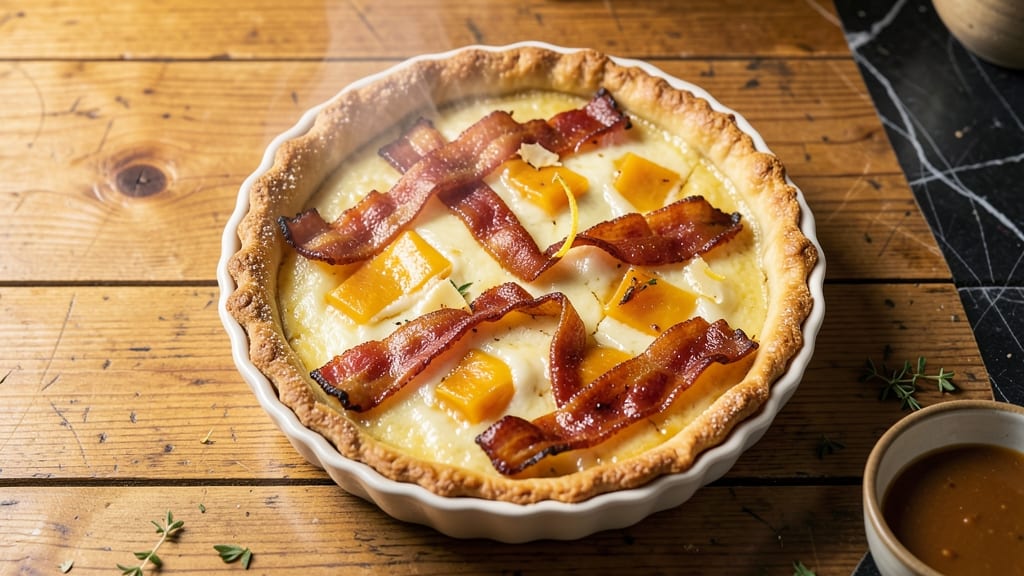
This bacon and cheese quiche recipe with milk delivers the perfect balance of crispy crust and creamy, gooey filling—every bite is a satisfying mix of textures and flavors. The secret lies in using milk to create a rich, velvety custard that sets beautifully while keeping the crust golden and flaky.
I've perfected this recipe over years of testing, ensuring it's foolproof whether you use store-bought crust or make one from scratch.
The crispy crust is the foundation, and I've found that a simple blend of butter and flour creates the ideal texture—crisp on the edges, tender underneath. The filling combines crispy bacon, sharp cheddar, and a smooth egg-milk mixture that bakes into a silky-smooth center.
The milk adds richness without making the quiche too heavy, while the bacon brings that smoky, savory depth that makes this dish irresistible.
What sets this recipe apart is how the filling stays perfectly set—no rubbery eggs or watery centers. The milk helps create a custard that's creamy yet firm, holding its shape even when sliced.
It's the kind of quiche that looks impressive enough for brunch but simple enough for a weeknight dinner. Plus, the aroma of baking bacon and melting cheese will have everyone gathering around the table.
Ready in about 50 minutes, this quiche is perfect for breakfast, brunch, or even a light dinner. The best part? It reheats beautifully, so you can make one ahead and enjoy it all week. Let's get started on creating your perfect slice of comfort food.
Ingredients for bacon and cheese quiche recipe with milk
Crispy crust meets gooey, creamy filling—this quiche delivers comfort in every bite.
| Ingredient | Amount | Notes |
|---|---|---|
| Unsalted Butter 🧈 | ¾ cup | Cold, cubed for crust |
| All-Purpose Flour 🌾 | 2 cups | Sifted for light crust |
| Ice Cubes ❄️ | ½ cup | For flaky texture |
| Large Eggs 🥚 | 4 whole | Room temperature |
| Whole Milk 🥛 | 1 ½ cups | Whole for creaminess |
| Sharp Cheddar Cheese 🧀 | 2 cups | Shredded, sharp flavor |
| Cooked Bacon 🥓 | 1 lb | Crumbled, crispy |
| Salt 🧂 | 1 ½ tsp | Kosher or sea salt |
| Black Pepper 🌶️ | ½ tsp | Freshly ground |
| Garlic Powder 🧄 | ½ tsp | For depth of flavor |
| Fresh Chives 🌿 | ¼ cup | Chopped, for garnish |
The crust starts with cold butter—never skip chilling the dough. I grab Land O'Lakes unsalted butter from the store, but any brand works. For the flour, King Arthur is my go-to (it's reliable), but any all-purpose will do. The ice cubes are non-negotiable—they create steam pockets for that perfect flaky texture. If you're short on time, Pillsbury pie crust works too, but homemade tastes like a hug from your grandma. Preheat that oven to 375°F—this is crucial for that golden crust.
No sharp cheddar? Pepper Jack works in a pinch, but the flavor won't be the same. The bacon should be crispy and cool before going in—drain it well to avoid a soggy crust. Milk is key here—whole milk gives the best texture, but 2% works too. Fresh chives add brightness, but dried chives at half the amount will do if you're in a bind. For extra richness, I sometimes add a splash of heavy cream to the egg mixture, but it's optional. The eggs? Room temperature is best—they'll blend smoother and create a lighter custard.
This quiche reheats like a dream—5 minutes at 350°F brings it back to life. Store leftovers in an airtight container for up to 4 days, or freeze for 3 months. The crust stays crispy if you reheat it covered with foil first, then uncover to crisp. Make ahead? Assemble it the night before and refrigerate—it'll taste even better the next day. And if you're making this for a crowd, double the recipe—it disappears fast.
Why You'll Love This Recipe
- No-Fuss Crust: I swear by the cold butter and ice cubes trick—it keeps the crust flaky without fuss. Ten minutes of cutting, chilling, and pressing is all it takes. My hands stay clean, and the result? That perfect buttery shatter you crave.
- Salty-Sweet Magic: Crispy bacon crumbles melt into the eggy milk custard, while sharp cheddar pulls everything together. The milk makes it rich but not heavy, and honestly? The first bite is always the best.
- Weeknight Hero: Between us, this is my go-to when I’m too tired to plan. Leftovers reheat beautifully for lunches, and the crust holds up for days. (Yes, even on a Tuesday night when you’d rather eat cereal.)
- Budget Breakfast: Five basic ingredients stretch into six servings—no wasted eggs or butter here. The milk adds creaminess without costing a fortune, and bacon bits make it feel fancy. My wallet and taste buds win.
Step-by-step instructions for bacon and cheese quiche
Here's how to create a quiche with a golden crust and rich, flavorful filling that'll impress everyone at the table.
Prepare the Crust with Cold Butter and Ice
In a large bowl, combine the 2 cups all-purpose flour and 1.5 teaspoons salt. Cut in the 0.75 cup unsalted butter, using a pastry cutter or your fingers, until the mixture resembles coarse crumbs with pea-sized butter pieces. Add the 0.5 cup ice cubes and work quickly to distribute them evenly—this cold shock is what creates that signature flaky texture.
Gently press the dough into a disk, wrap it in plastic, and refrigerate for 30 minutes. The cold temperature keeps the butter firm, preventing it from melting too soon. While it chills, preheat your oven to 375°F—this is the perfect temperature for achieving that crispy, golden crust without burning.
Roll and Blind-Bake the Crust
On a lightly floured surface, roll the chilled dough into a 12-inch circle about ⅛-inch thick. Transfer it to a 9-inch pie dish, gently pressing it into the edges to create a slight rim. Trim any excess dough, leaving about ½-inch overhang. Prick the bottom all over with a fork to prevent puffing.
Line the crust with parchment paper, fill it with pie weights or dried beans, and bake for 15 minutes. Remove the weights and bake for another 5 minutes until the edges are just starting to turn golden. The crust should be set but not browned yet—this ensures it holds up to the filling without becoming soggy.
Mix the Filling with Bacon and Cheese
In a large bowl, whisk together the 4 whole eggs, 1.5 cups whole milk, 0.5 teaspoon black pepper, and 0.5 teaspoon garlic powder until fully combined. Fold in the 2 cups shredded sharp cheddar cheese and 1 pound crumbled cooked bacon, making sure the cheese is evenly distributed. This mixture should be smooth but still slightly thick—it'll set beautifully in the oven.
Season generously with the remaining 1 teaspoon salt (since the bacon and cheese already contain some salt). Taste the mixture—you want it to be rich and savory, with a hint of sharpness from the cheddar. If it needs more depth, add a pinch of extra garlic powder or a dash of cayenne pepper.
Assemble and Bake to Golden Perfection
Pour the filling into the pre-baked crust, spreading it evenly with a spatula. The filling should come about ½-inch below the crust's edge—this prevents overflow and ensures the top browns nicely. Sprinkle the 0.25 cup chopped fresh chives evenly over the top for a pop of color and freshness.
Bake for 35-40 minutes until the filling is set and the edges are deep golden brown. The center should still be slightly jiggly—this indicates it's fully cooked but still creamy. If the top browns too quickly, tent the quiche with foil for the last 10 minutes to prevent over-browning.
Rest and Serve Warm
Remove the quiche from the oven and let it rest for 10 minutes before slicing. This resting period allows the filling to firm up slightly and makes it easier to serve without a runny center. The crust should be crispy, the cheese gooey, and the bacon perfectly integrated into every bite.
Slice into 6 equal wedges and serve warm with a side of arugula salad or crusty bread. The contrast of the crispy crust, creamy filling, and savory bacon will make this quiche a standout dish—every bite delivers that perfect balance of textures and flavors you crave.
Pro Tips For Making Bacon And Cheese Quiche Recipe With Milk
- Chill the Dough First: The ice cubes in your dough aren’t just for show—press them into the butter-flour mix before rolling it out. This keeps the butter cold and prevents the crust from turning greasy when it hits the hot pan. I learned this the hard way after my first quiche came out tasting like a buttery oil slick.
- Cook the Crust Blind: Don’t skip the pie weights or dried beans—press a parchment circle into the crust, fill it with something heavy, and bake for 15 minutes before adding the filling. This guarantees a crisp bottom instead of a soggy one. (Yes, even if you’re impatient like me.)
- Pre-Cook the Bacon: Crisp the bacon until it’s almost done—just a few minutes past your usual time—then drain it on paper towels. The extra crispiness carries flavor, and the reduced fat keeps your custard from getting greasy. Pro move: Save the bacon fat to cook the onions in later.
- Strain the Milk: Whole milk can make your custard grainy if it’s not fresh or if you’re using older eggs. Strain it through a fine-mesh sieve before mixing it with the eggs—it removes any sediment and keeps the filling silky. I was skeptical until I tried it, and now I never skip this step.
Troubleshooting great bacon and cheese quiche recipe with milk
Filling Too Runny
If your quiche filling ends up too runny after baking, it’s usually because the milk-to-egg ratio was off or the filling wasn’t fully set. First, make sure your eggs are room temperature—cold eggs won’t blend as smoothly, leading to a thinner custard.
I’ve found that using whole milk (instead of 2%) gives the best texture, but if you’re worried, reduce it by ¼ cup for a firmer filling. Also, pre-bake the crust for 15-20 minutes before adding the filling—this prevents a soggy bottom. 🧈
Crust Too Soggy
A soggy crust is often caused by not pre-baking it long enough or using too much liquid in the filling. Always blind-bake the crust for at least 15 minutes with pie weights or dried beans to create a sturdy base.
If you’re short on time, bake the crust for 20 minutes before adding the filling. Another trick? Brush the bottom of the crust with a thin layer of egg wash before adding the filling—this adds a protective barrier. 🥧
Cheese Not Melting
If your cheese stays clumpy or doesn’t melt smoothly, it’s likely because the oven temperature wasn’t hot enough or the cheese was added too late. Pre-shredded cheese often contains anti-caking agents that prevent proper melting, so I recommend grating your own sharp cheddar for the best results.
Also, make sure your oven is fully preheated to 375°F—any lower, and the cheese won’t melt evenly. For extra insurance, sprinkle the cheese evenly over the filling and let it sit for 5 minutes before baking. 🧀
Bacon Too Dry
Overcooked bacon can make your quiche taste dry and lose its smoky depth. To avoid this, cook your bacon until it’s just crispy—not blackened or greasy. Drain it well on paper towels to remove excess fat, but leave a little bit of the rendered bacon grease in the pan.
I like to fold the bacon into the filling last so it stays warm and crispy. If your bacon is too dry, toss it with a teaspoon of milk before adding it to the filling to restore some moisture. 🥓
Quiche Not Cooking Evenly
Uneven cooking usually happens when the oven isn’t calibrated or the quiche is overcrowded. Always use an oven thermometer to confirm your oven is at the correct temperature—many home ovens run hot or cold.
If your quiche browns too quickly on top, tent it with foil for the last 10 minutes of baking. For even heat distribution, place the quiche on the middle rack of your oven.
If you’re baking multiple quiches at once, space them at least 2 inches apart to allow for proper airflow. 🔥
Filling Separates After Baking
A separated filling is often a sign that the eggs and milk weren’t mixed thoroughly or the quiche was baked too long. Whisk your egg and milk mixture vigorously for at least 1 minute to create a smooth emulsion.
Also, don’t overbake—the center should still be slightly jiggly when you take it out of the oven. If you’re worried, bake it for 35 minutes, then check the doneness before adding the final 5 minutes. A quick fix?
Sprinkle a little extra milk over the top before serving to blend any separated spots. 💫
Nutrition facts
Frequently asked questions
Can I use half-and-half instead of whole milk?
You can, but your filling may be slightly less creamy. Whole milk gives the best texture for a rich, velvety quiche. If you must use half-and-half, reduce it to 1 cup instead of 1.5 cups to maintain the proper consistency. The flavor will still be delicious, just a touch lighter.
How do I make this quiche ahead of time?
Assemble the quiche the night before and refrigerate uncovered. The crust will dry out slightly, but it bakes beautifully the next day. For best results, bake it straight from the fridge—no need to bring it to room temperature. If making 2 days ahead, wrap tightly in plastic and freeze. Thaw overnight in the fridge before baking.
What's the best way to reheat leftovers?
Slice the quiche and reheat portions in a 350°F oven for 5-8 minutes covered with foil, then uncover to crisp the top. For microwave reheating, use 30-second intervals on medium power, adding a splash of milk to restore creaminess. Never reheat straight from the fridge—let it sit at room temperature for 10 minutes first.
Can I add other ingredients like spinach or mushrooms?
Sauté 1 cup chopped mushrooms or 2 cups spinach until tender, then drain well before adding to the filling. For mushrooms, remove excess moisture with paper towels. Spinach works best when wilted and squeezed dry. Add them to the egg mixture last to maintain texture.
Why does my crust get greasy?
Greasy crusts happen when too much butter melts during mixing or the dough isn't chilled properly. Cut the butter into the flour quickly and keep everything cold—work with chilled ingredients and refrigerate the dough for the full 30 minutes. Also, avoid overworking the dough. For extra insurance, brush the crust with egg wash before baking.