
Main Courses
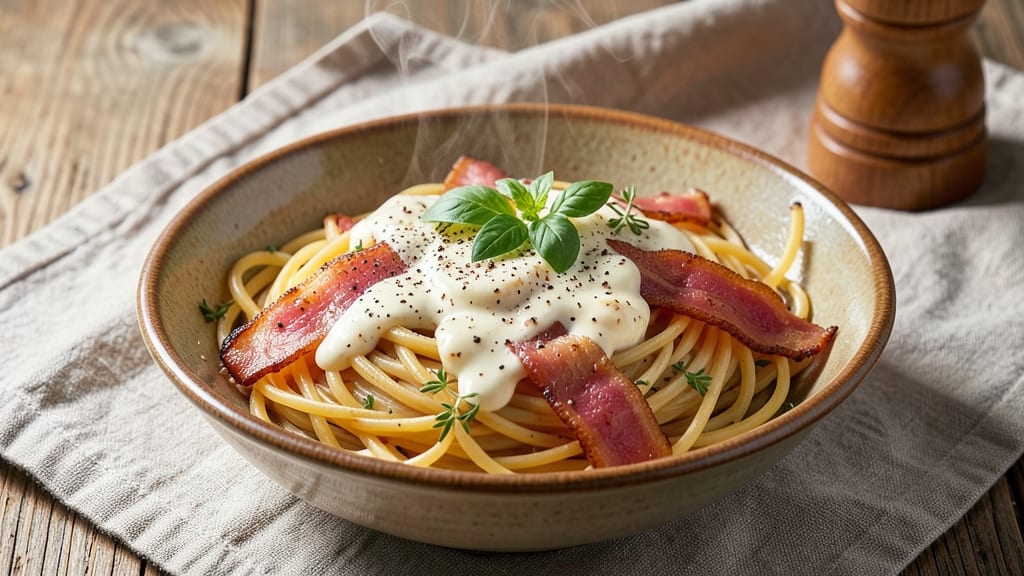
This bacon cream cheese spaghetti recipe delivers the perfect balance of crispy pancetta and velvety tangy sauce that clings to every strand of al dente pasta.
The secret lies in rendering the bacon until it's perfectly crisp, then blending it into a rich cream cheese sauce that coats each noodle in a luxurious, savory embrace.
After years of perfecting this dish, I've found the ideal ratio of ingredients to create a sauce that's neither too heavy nor too thin—just right for that restaurant-quality experience at home.
The process is straightforward but requires attention to detail to achieve the crispy bacon and smooth sauce. Start by cooking thick-cut pancetta until it's golden and crisp, then set aside half for garnish.
The remaining bacon forms the flavor base for the sauce, which comes together in minutes with cream cheese, garlic, and a splash of pasta water for that signature silky texture. This method ensures every bite is packed with flavor without sacrificing the tender, al dente texture of the spaghetti.
What makes this dish truly special is how the components come together—crispy bacon bits add texture contrast, while the creamy sauce ties everything into a cohesive, satisfying meal. The tangy cream cheese balances the richness of the bacon, creating a flavor profile that's both comforting and refined.
Whether you're serving this for a weeknight dinner or a special occasion, it's a dish that always impresses.
For an extra touch, finish with fresh parsley or a sprinkle of red pepper flakes to brighten the dish. The leftovers reheat beautifully, making this an ideal recipe for meal prep. Let's get started on creating this indulgent, foolproof pasta dish that's sure to become a family favorite.
Ingredients for bacon cream cheese spaghetti
Crispy pancetta meets velvety cream cheese sauce for a restaurant-worthy pasta dish.
| Ingredient | Amount | Notes |
|---|---|---|
| Spaghetti 🍝 | ½ lb | Al dente preferred, dry |
| Thick-Cut Pancetta 🥓 | 8 oz | Cut into 1/4-inch slices |
| Cream Cheese 🧀 | 8 oz | Full-fat, room temperature |
| Garlic Cloves 🧄 | 4 cloves | Minced for sauce |
| Heavy Cream 🥛 | ½ cup | Whole milk works in pinch |
| Pasta Water 💧 | ¼ cup | Reserved from cooking |
| Fresh Parsley 🌿 | ¼ cup | Chopped, for garnish |
| Red Pepper Flakes 🌶️ | ½ tsp | Adjust for heat preference |
| Salt 🧂 | 1 ½ tsp | Kosher or sea salt |
| Black Pepper 🌶️ | ½ tsp | Freshly ground preferred |
| Butter 🧈 | 2 tbsp | Unsalted, for finishing |
| Grated Parmesan Cheese 🧀 | ¼ cup | Freshly grated preferred |
The pancetta makes this dish—thick-cut is key for that perfect crisp. Look for high-quality pancetta at your local butcher or specialty store—it should be thick slices, not pre-cubed. If you can't find pancetta, thick-cut bacon works too, but it's saltier so adjust accordingly. The cream cheese is non-negotiable; full-fat gives the best texture. Take it out of the fridge 15 minutes before using so it blends smoothly. For the spaghetti, De Cecco or Barilla are my go-tos—they hold up well to the creamy sauce without getting mushy.
No heavy cream? Whole milk or half-and-half works in a pinch, though the sauce will be slightly lighter. Fresh garlic is ideal, but garlic powder at half the amount gets you close if you're short on time. The red pepper flakes can be skipped entirely if you prefer no heat, but I always keep them on hand for a quick brightness. For extra richness, add 1 tbsp of cream cheese per serving—trust me, it's worth it. If you're making this ahead, cook the pasta fresh before adding the sauce to prevent sogginess.
This sauce reheats beautifully—just add a splash of pasta water to loosen it up. Keeps for 3-4 days in the fridge, and freezes for up to 2 months if you portion it properly. I always make extra because it's perfect for meal prep. For the crispy bacon bits, store them separately in an airtight container to keep them from getting soggy. Garnish with fresh parsley and extra red pepper flakes right before serving—that's when it tastes best
Why You'll Love This Recipe
- One-Pan Magic: I swear by this—just toss everything in one skillet. The pancetta renders its own fat, the garlic sizzles into oblivion, and by the time the spaghetti’s al dente, you’re left with a pot that’s almost too easy to mess up.
- Craving-Worthy Combo: That crispy, salty pancetta crunch against the velvety cream cheese sauce? It’s the kind of contrast that makes you forget to breathe. The heavy cream ties it all together like a warm hug for your taste buds.
- Weeknight Superhero: Between us, this is my go-to when I’m staring at a fridge full of odds and ends. Pancetta instead of bacon? No big deal. Leftovers reheat like a dream. And honestly, it’s the kind of dish that makes you look like a cooking genius even when you’re half-asleep.
- Budget Luxury: Cream cheese and pancetta might sound fancy, but they stretch further than you’d think. I’ve fed four people for under $15, and they still asked for seconds. The heavy cream makes it feel indulgent without breaking the bank—just don’t tell anyone I’m keeping this secret.
Step-by-step instructions for bacon cream cheese spaghetti
Crispy pancetta meets velvety cream cheese sauce in this rich, tangy pasta dish.
Cook the Spaghetti to Al Dente Perfection
Bring a large pot of water to a rolling boil and add 1.5 teaspoons salt—it should taste like the sea. Add the 0.5 lb spaghetti and cook until 1 minute before the package's recommended al dente time. This ensures the pasta finishes cooking in the sauce without becoming mushy.
Before draining, reserve 0.25 cup pasta water in a measuring cup. This starchy liquid is essential for creating a silky sauce later. Drain the pasta and return it immediately to the pot, tossing with 2 tablespoons butter to prevent sticking. Keep the pot off heat while you prepare the pancetta and sauce.
Render the Pancetta for Crispy Bites
In a large skillet, cook the 8 oz thick-cut pancetta over medium heat for 8-10 minutes, stirring occasionally, until the fat renders out and the pancetta becomes deep golden brown and crispy. Use a slotted spoon to transfer the pancetta to a paper towel-lined plate, leaving the rendered fat in the skillet.
Here's the thing—don't drain the fat. Those crispy bits sticking to the bottom are pure flavor. If the fat starts smoking, reduce heat to medium-low and continue cooking until the pancetta reaches your desired crispiness. This step creates the foundation for your sauce's rich, savory depth.
Build the Creamy Sauce
Return the skillet to medium heat and add the 4 cloves minced garlic, cooking for 30 seconds until fragrant but not browned. Reduce heat to low and stir in the 8 oz room-temperature cream cheese, allowing it to melt completely into the pancetta fat.
Gradually whisk in the 0.5 cup heavy cream, then add 0.25 cup reserved pasta water to loosen the sauce. Season with 0.5 teaspoon red pepper flakes, 0.5 teaspoon black pepper, and 1 teaspoon salt (reserving the remaining 0.5 teaspoon salt for later). The sauce should be smooth and slightly thick—if it's too thick, add more pasta water 1 tablespoon at a time until it reaches a creamy consistency.
Combine Pasta and Sauce
Add the cooked spaghetti to the skillet and toss vigorously for 2-3 minutes until every strand is fully coated in the creamy pancetta sauce. The residual heat from the pasta will help melt any remaining cream cheese lumps while creating a perfect sauce-to-pasta ratio.
Taste and adjust seasoning—you might need the remaining 0.5 teaspoon salt or more black pepper. The sauce should be rich, slightly tangy from the cream cheese, and have a subtle kick from the red pepper flakes. If the sauce starts to separate as it cools, stir in a splash of hot pasta water to restore its silky texture.
Finish and Serve with Fresh Herbs
Divide the spaghetti among four plates and top each serving with 1 tablespoon grated parmesan cheese. Garnish with 1 tablespoon chopped fresh parsley for brightness and color contrast. The crispy pancetta bits should be visible throughout the dish, adding both texture and flavor with every bite.
Serve immediately while the pasta is hot and the pancetta remains crispy. This dish tastes best straight from the skillet—each forkful delivers the perfect balance of creamy, tangy sauce, crispy pancetta, and al dente pasta. For extra richness, drizzle with additional pancetta fat from the skillet before serving.
Pro Tips For Making Bacon Cream Cheese Spaghetti
- CRISP THE PANCETTA FIRST: I learned this the hard way—skipping the initial render makes the sauce greasy and uneven. Cook the pancetta in a cold, dry pan on medium-low until the fat pools but just starts to brown (about 8-10 minutes). This renders the fat without burning, and you’ll have crispy edges for texture later. Save that rendered fat—it’s the base for the sauce.
- DON’T BOIL THE CREAM CHEESE: Heavy cream and cream cheese are a volatile duo. Warm the cream first (just until it steams), then whisk in the softened cream cheese off the heat. If you let it simmer, you’ll end up with scrambled cheese lumps. A quick fix? Strain it through a fine-mesh sieve if it gets grainy—but trust me, this step saves you from scraping cheese off the plate.
- SALT THE PASTA WATER LIBERALLY: This isn’t just about flavor—it’s about balance. The pancetta’s saltiness and cream cheese’s tang need a salty counterpoint. Use 2 tablespoons of salt per 4 quarts of water (yes, even if your pasta says "add salt"). Underseasoned water makes the dish taste flat, and you can’t fix it later.
- GARLIC: SMASH, DON’T CHOP: Whole garlic cloves in this sauce get lost or bitter. Peel and smash them with the flat side of your knife (no mincing needed). Toss them into the rendered pancetta fat at the end—just until fragrant (30 seconds max). They’ll infuse the sauce without overpowering, and you’ll avoid that harsh garlic taste that ruins rich dishes.
Common mistakes when making this recipe
Overcooking the Pasta
One of the most common mistakes is cooking the spaghetti until it's mushy. Since this dish relies on al dente pasta to hold its shape and texture, stop cooking 1 minute before the package's recommended time.
The residual heat from the sauce will finish cooking it perfectly. I've learned this the hard way—overcooked pasta turns to mush when tossed with the creamy sauce, ruining the dish. 🍝
Skipping the Pasta Water
Many people forget to reserve ¼ cup pasta water before draining. This starchy liquid is essential for creating a silky sauce that clings to the pasta. Without it, the cream cheese sauce can become too thick and clumpy.
I always keep a measuring cup nearby while draining to catch this precious liquid—it makes all the difference in texture.
Not Rendering Pancetta Fully
Undercooked pancetta results in a bland, greasy sauce. Cook the 8 oz thick-cut pancetta until it's deep golden brown and crispy—this takes about 8-10 minutes on medium heat.
The rendered fat and crispy bits are what give this dish its rich, savory depth. I've seen people rush this step, and it shows in the final result.
Adding Cold Cream Cheese
Room-temperature cream cheese blends smoothly into the sauce, while cold cream cheese creates lumps that never fully dissolve. Take the cream cheese out of the fridge 15 minutes before using it.
This small step ensures a velvety, lump-free sauce every time. Trust me, your taste buds will thank you for this simple prep.
Overmixing the Sauce
Once the cream cheese melts into the pancetta fat, gently whisk in the heavy cream and pasta water—don't overmix. Overworking the sauce can cause it to break and separate, especially if you're using cold ingredients. A smooth, creamy consistency is key, so keep your movements gentle and controlled.
Forgetting the Garnish
The crispy pancetta bits and fresh parsley aren't just for show—they add crucial texture and brightness. Set aside 1 tablespoon of crispy pancetta per serving for garnishing before serving. This final step elevates the dish from good to restaurant-quality. Don't skip it—it's what makes this recipe truly special! ✨
Nutrition facts
Frequently asked questions
Can I substitute bacon for pancetta in this recipe?
Yes, but adjust for saltiness! Regular bacon works in a pinch, but pancetta has a more delicate flavor. Use thick-cut bacon and cook it until fully crispy. Since bacon is saltier, you may want to reduce the added salt by 0.25 teaspoon in the sauce to balance the flavors.
How do I fix a sauce that's too thick or clumpy?
Add 1 tablespoon of reserved pasta water at a time while whisking gently until smooth. If lumps persist, warm the sauce over low heat for 30 seconds while whisking continuously. The key is patience—don't rush the process, or you'll risk breaking the sauce's emulsion.
Can I make this dish ahead of time?
Cook the pasta and sauce separately, then refrigerate in airtight containers for up to 3 days. To reheat, warm the sauce first over low heat, then gently toss with the pasta, adding 1-2 tablespoons of pasta water to restore creaminess. For best results, cook the pasta fresh before serving.
What's the secret to keeping the pancetta crispy?
Cook it on medium heat until golden brown and crispy, then transfer to a paper towel-lined plate. The key is patience—rushing causes greasiness. For extra crunch, set aside 1 tablespoon per serving to add back as garnish right before serving. This two-step process ensures maximum crispiness.
Can I make this dish dairy-free?
Yes, but with texture adjustments. Replace the cream cheese with 8 oz dairy-free cream cheese and use ½ cup full-fat coconut milk instead of heavy cream. The sauce will be lighter but still delicious. For extra richness, add 1 tablespoon nutritional yeast to mimic the cheesy flavor.