
Appetizers
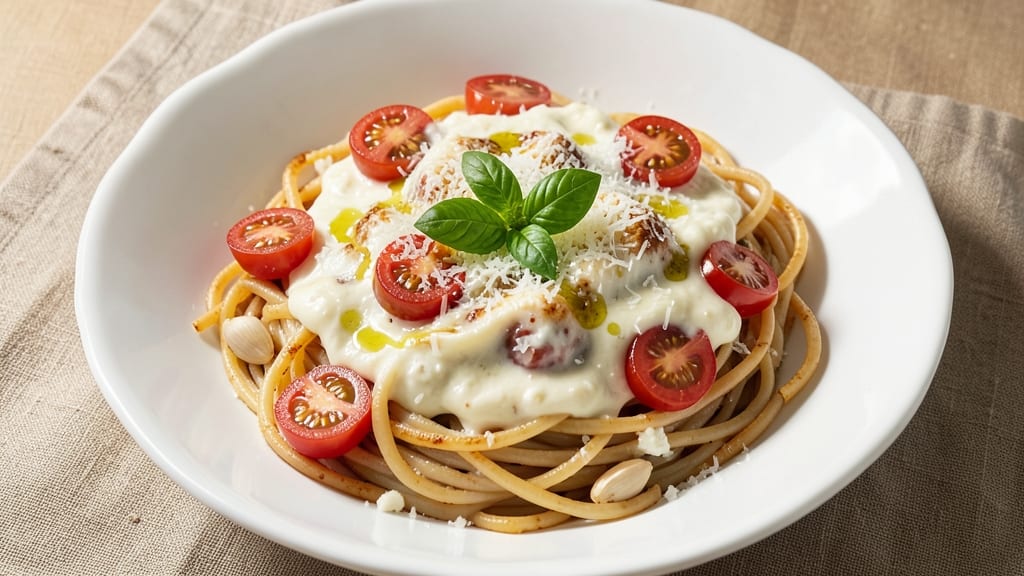
This baked spaghetti recipe with cream cheese and cottage cheese delivers restaurant-quality comfort in a single, creamy, triple-layered dish. The secret lies in balancing rich cream cheese with tangy cottage cheese for a texture that's velvety yet sturdy enough to hold its shape.
I perfected this technique after years of testing—no soggy pasta or greasy messes here, just a golden, bubbling casserole that's foolproof for weeknight dinners or crowd-pleasing meals.
The magic happens in the layering: al dente spaghetti forms the foundation, then a luscious cheese mixture (cream cheese, cottage cheese, and a touch of heavy cream) creates the signature creamy middle layer.
Topped with breadcrumbs for crispy contrast, this dish bakes until golden and bubbling—restaurant-quality at home without the fuss. The combination of cheeses delivers a tangy-sweet balance that keeps every bite satisfying, while the breadcrumb topping adds irresistible texture.
What you'll end up with is a triple-layered masterpiece that's creamy, cheesy, and impossible to resist. The pasta stays tender, the cheese sauce remains velvety, and the breadcrumb topping becomes perfectly crispy.
This recipe serves as both a comforting main dish and a showstopping side—ideal for family gatherings or when you crave that cozy, baked-pasta feeling without the heavy cleanup.
Ready in just 45 minutes, this baked spaghetti requires minimal prep and delivers maximum flavor. The best part? Leftovers reheat beautifully, making it perfect for meal prep.
Whether you're feeding a hungry family or treating yourself to a special night in, this dish brings effortless comfort to your table every time.
Ingredients for baked spaghetti recipe with cream cheese and cottage cheese
Fourteen ingredients, three layers of magic—creamy, cheesy, and crispy perfection in one dish.
| Ingredient | Amount | Notes |
|---|---|---|
| Spaghetti 🍝 | 12 oz | Uncooked, al dente texture |
| Cream Cheese 🧀 | 8 oz | Full-fat, room temperature |
| Cottage Cheese 🧀 | 1 ½ cups | Small curd, 2% fat |
| Heavy Cream 🥛 | ½ cup | Full-fat for richness |
| Parmesan Cheese 🧀 | ½ cup | Freshly grated, block preferred |
| Garlic Cloves 🧄 | 4 cloves | Minced for flavor depth |
| Onion 🧅 | 1 whole | Medium, finely diced |
| Italian Seasoning 🌿 | 1 tbsp | Dried blend for authenticity |
| Salt 🧂 | 1 ½ tsp | Diamond Crystal preferred |
| Black Pepper 🌶️ | ½ tsp | Freshly ground for heat |
| Unsalted Butter 🧈 | 2 tbsp | Melted for sauce base |
| Panko Breadcrumbs 🍞 | ½ cup | For crispy topping |
| Grated Parmesan Cheese 🧀 | ¼ cup | Extra for final topping |
| Fresh Basil Leaves 🌿 | ¼ cup | Chopped for garnish |
The cheese duo is non-negotiable. Full-fat cream cheese delivers that velvety texture, while small-curd cottage cheese adds tangy depth—don't substitute with large-curd or low-fat versions. For the Parmesan, Whole Foods or specialty cheese shops carry the best blocks. The garlic and onion should be finely minced—food processor for 10 seconds saves time. Italian seasoning matters: Badia or McCormick blends are my go-tos, but any dried mix with basil, oregano, and thyme works.
No cream cheese? Ricotta at double the amount works in a pinch, though texture will differ slightly. Running short on cottage cheese? Greek yogurt at 1:1 ratio mimics the tang. The butter can be swapped for olive oil if you prefer, but unsalted is key—we're controlling the salt here. For the breadcrumbs, Panko stays crispier than regular breadcrumbs. Fresh basil? Tear it, don't chop—keeps those bright green flecks. The Parmesan topping is worth the extra grating—microplane for fine shavings that melt beautifully.
Prep the pasta first—al dente is critical. The cheese sauce can be made ahead and chilled for up to 24 hours, just reheat gently. Assemble the casserole and refrigerate for 1 hour before baking—this prevents a runny mess. Leftovers reheat beautifully: cover with foil and bake at 350°F for 15 minutes. Portion into individual containers for 5 days of meal prep. Freeze the assembled (unbaked) casserole for 3 months—just add 10 minutes to baking time.
Why You'll Love This Recipe
- One-Pot Magic: I swear by this—just toss the cooked spaghetti with the cream cheese and cottage cheese right in the baking dish. No extra bowls, no sticky mess. The heavy cream binds everything together while baking, and honestly? That first forkful of melted cheeses clinging to the noodles? Worth every second.
- Creamy Comfort Bomb: Between us, cottage cheese adds a tangy depth you wouldn’t expect, while the cream cheese keeps it luscious. The Parmesan on top? Crispy little shards that make every bite feel like a hug. It’s the kind of dish that disappears faster than I can say “seconds, please.”
- Weeknight to Party: This is my go-to when I need something hearty but still feels special. Serve it with a simple salad for a weeknight dinner, or add a sprinkle of fresh basil and a glass of wine for a crowd. My in-laws think it’s fancier than it is—best-kept secret.
- Budget-Friendly Leftovers: Uses pantry staples and stretches for days. The cottage cheese keeps it from feeling heavy, and the Parmesan makes leftovers taste like you put in effort. (Yes, even on a Tuesday night.) Plus, it reheats like a dream—no soggy spaghetti here.
Step-by-step instructions for triple-layered baked spaghetti
Here's how to build this creamy, comforting masterpiece with perfect texture in every layer.
Cook and Prepare the Spaghetti Base
Bring a large pot of water to a rolling boil and add 12 oz spaghetti. Cook until al dente—about 1 minute less than package directions. The pasta should have a slight bite when you test it. Drain immediately and transfer to a large mixing bowl while still hot.
Here's the thing—hot pasta absorbs the cheese mixture better, creating that signature creamy texture. While the pasta cooks, finely dice the 1 whole onion and mince the 4 cloves garlic cloves. You'll use these in the next layer. Don't skip the al dente test; overcooked pasta turns mushy in the oven.
Create the Creamy Cheese Mixture
In a medium bowl, combine the 8 oz cream cheese, 1.5 cups cottage cheese, 0.5 cup heavy cream, 0.5 cup parmesan cheese, 1 tbsp italian seasoning, 1.5 tsp salt, and 0.5 tsp black pepper. Use a hand mixer or whisk until completely smooth—no lumps allowed. The cottage cheese should blend into a velvety texture.
I like to press the cottage cheese through a fine-mesh sieve first if I notice any large curds. This ensures a silky sauce rather than a chunky one. The key to this step is patience—let the mixture sit for 2 minutes if needed to fully emulsify before adding to the pasta.
Assemble the Triple Layers
Preheat your oven to 375°F. In a 9x13-inch baking dish, spread half of the cooked spaghetti evenly across the bottom. Then pour half of the cheese mixture over the pasta, spreading it to the edges. The cheese should coat every strand completely.
Add the diced onion and minced garlic evenly over the first layer, then repeat with the remaining spaghetti and cheese mixture. Press down gently with a spatula to ensure good contact between layers. This creates that signature baked spaghetti texture where each bite has creamy sauce and al dente pasta.
Top and Bake to Golden Perfection
Melt the 2 tbsp unsalted butter in a small saucepan over low heat. Stir in the 0.5 cup panko breadcrumbs and 0.25 cup grated parmesan cheese until evenly coated. Spread this mixture evenly over the top layer of spaghetti.
Bake uncovered for 25-30 minutes until the top is golden brown and bubbly. The edges should pull away slightly from the baking dish. If it browns too quickly, tent loosely with foil. Remove from oven and let rest for 5 minutes before serving—this helps the layers set.
Garnish and Serve Warm
While the dish rests, chop the 0.25 cup fresh basil leaves into thin strips. Sprinkle evenly over the top along with any additional grated parmesan cheese if desired. The basil adds a bright contrast to the rich cheese flavors and keeps the dish looking vibrant.
Serve immediately with a side salad or garlic bread. The first bite should deliver creamy cheese, al dente pasta, and crispy breadcrumb topping all in one perfect forkful. This dish tastes even better the next day, so plan to make extra—it's that good.
Pro Tips For Making Baked Spaghetti Recipe With Cream Cheese And Cottage Cheese
- Drain and Toss Spaghetti: Don’t rinse that cooked spaghetti—just drain it well and give it a quick toss with a splash of olive oil or melted butter right after cooking. The starch clinging to the noodles is what helps bind the creamy cheese sauce later, so skipping this step means your baked spaghetti will feel dry and loose instead of rich and cohesive.
- Mix Cheeses Cold: Take the cream cheese and cottage cheese straight from the fridge and mix them with the heavy cream before adding any hot pasta. I learned this the hard way—melting the cream cheese first makes the sauce split later, no matter how much you stir. Cold cheese blends smoother and stays velvety, not grainy.
- Bake Covered First: Start the dish covered with foil for the first 20 minutes at 375°F (190°C). This lets the cheese melt evenly without burning while the noodles soak up all that creamy goodness. After that, uncover and broil for 2-3 minutes—just watch it like a hawk to avoid a sad, rubbery top.
- Toast the Parmesan: Sprinkle the Parmesan on top after baking, then broil until it’s golden and bubbly. I used to mix it in earlier, but toasting it last adds a crisp, nutty contrast that cuts through the richness of the cream cheese. Plus, it looks like you actually put in effort. (Yes, even if you’re impatient like me.)
Perfect pairings for these flavors
Classic Italian Wine
Pair this creamy baked spaghetti with a crisp Chianti Classico from Tuscany—its bright acidity cuts through the richness beautifully. I reach for Castello di Volpaia Chianti Classico when I want to highlight the dish's Italian heritage.
The cherry and herbal notes complement the Italian seasoning while keeping the palate fresh. 🍷
Creamy White Wine
A Pinot Grigio from Alto Adige offers a lighter alternative that won't overwhelm the dish. Look for Santa Margherita Pinot Grigio—its citrus and mineral notes provide refreshing contrast to the creamy cheese layers. For a more robust white, try a Vermentino from Sardinia with its zesty finish.
Craft Beer Pairings
For beer lovers, a Belgian witbier like Stella Artois Wit brings citrusy brightness that cleanses the palate between bites. The coriander and orange peel notes mirror the Italian seasoning in the dish. Avoid heavy stouts—they'll make the cheese sauce taste even richer.
Non-Alcoholic Options
Sparkling water with a splash of San Pellegrino Aranciata (blood orange soda) mimics the citrus notes of wine while keeping it refreshing. For a creamy non-alcoholic option, try AriZona Mango Lassi—its tropical sweetness balances the dish's richness beautifully. 💛
Side Dish Harmony
A simple arugula salad with lemon vinaigrette provides the perfect peppery contrast to the creamy pasta. Toss 4 cups baby arugula with 2 tbsp olive oil, 1 tbsp lemon juice, and a pinch of flaky sea salt.
The acidity cuts through the richness while adding vibrant color to your plate.
Bread Pairing
Serve with garlic bread made from a ciabatta loaf brushed with melted butter and minced garlic. Toast it until golden and crispy—it's perfect for soaking up any extra cheese sauce. For extra flavor, sprinkle with dried oregano before serving.
Nutrition facts
Frequently asked questions
Can I make this baked spaghetti ahead of time?
Assemble the dish in your baking dish, cover tightly with foil, and refrigerate for up to 24 hours before baking. This actually enhances the flavors. For make-ahead baking, refrigerate the assembled casserole for 1 hour before putting it in the oven—this prevents cheese leakage. Leftovers reheat beautifully in the oven at 350°F for 15 minutes.
What if I don't have panko breadcrumbs?
No problem! Use regular breadcrumbs, crushed crackers, or even crushed cornflakes for a similar texture. For extra crispiness, mix with a little melted butter before topping. If you're gluten-free, use gluten-free breadcrumbs or crushed gluten-free crackers. The key is toasting them with butter first for that golden crunch.
Why does my cheese sauce get watery?
This usually happens when the pasta is overcooked or the cheese mixture isn't fully emulsified. Always cook spaghetti al dente—it should have a slight bite. For the cheese sauce, whisk vigorously until completely smooth and let it sit for 2 minutes to thicken. If it still looks too thin, stir in 1 tablespoon of cornstarch mixed with 1 tablespoon water.
Can I add meat to this recipe?
Yes! Brown 1 pound of Italian sausage or ground beef first, then drain and mix it into the cheese sauce before assembling. For extra flavor, add ½ teaspoon of smoked paprika or 1 teaspoon of dried oregano to the meat. Just be sure to drain it well to avoid a soggy casserole.
How do I prevent the top from burning?
Watch the baking time closely after 20 minutes—every oven varies. If the top browns too quickly, loosely tent with foil. For even browning, consider baking at 350°F instead of 375°F for the last 10 minutes. The dish is done when the edges pull away slightly and the center is bubbly.