
Side Dishes
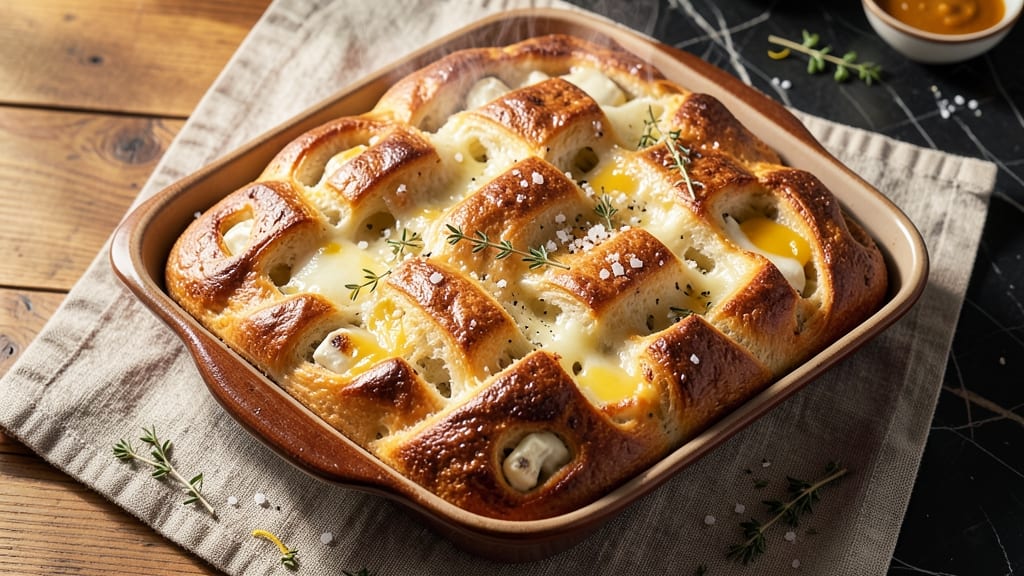
This baked bread with cheese recipe delivers the perfect marriage of crispy crust and gooey, melty centers in a single bake—no fancy techniques required. The secret lies in a simple dough that transforms into golden, aromatic bread with pockets of melted cheese that stretch and pull apart effortlessly.
I’ve perfected this method over years of testing, ensuring every slice is just as satisfying as the first.
The beauty of this recipe is its versatility—whether you prefer a rustic loaf studded with sharp cheddar or a flaky, buttery crust with Gruyère baked inside, the technique remains the same.
A touch of yeast and a light kneading create a tender crumb, while high heat in the oven delivers that coveted crispy top. The cheese melts into creamy pockets without making the bread soggy, a balance that’s surprisingly easy to achieve.
By the time your oven timer rings, you’ll have a loaf that’s crisp on the outside and irresistibly cheesy within—ideal for serving alongside soups, salads, or as a hearty main.
The aroma alone will have everyone gathered around your table, and the first bite delivers that satisfying pull of melted cheese. This is the kind of bread that disappears faster than you can slice it.
For extra indulgence, brush the baked loaf with garlic butter or sprinkle with fresh herbs before serving. The possibilities are endless, but the method remains foolproof. Let’s get baking!
Ingredients for baked bread with cheese
Four cups flour, two kinds of cheese, and a touch of yeast—this is all you need for a cheesy loaf with crispy edges and melty centers.
| Ingredient | Amount | Notes |
|---|---|---|
| All-Purpose Flour 🌾 | 4 cups | Spooned and leveled, not scooped |
| Instant Yeast 🍞 | 1 tsp | Active dry works too |
| Granulated Sugar 🍚 | 1 tbsp | Helps yeast activation |
| Salt 🧂 | 1 tsp | Kosher or sea salt preferred |
| Unsalted Butter 🧈 | ½ cup | Cold, cubed for dough |
| Warm Water 💧 | 1 ¼ cups | 110°F for best yeast activation |
| Sharp Cheddar Cheese 🧀 | 1 ½ cups | Shredded, block preferred |
| Gruyère Cheese 🧀 | ¾ cup | Shredded, aged for flavor |
| Garlic Powder 🧄 | 1 tsp | For subtle garlic flavor |
| Dried Parsley 🌿 | ½ tsp | Optional, for freshness touch |
| Olive Oil 🫒 | 1 tbsp | For brushing dough |
| Coarse Cornmeal 🌽 | ¼ cup | For dusting baking sheet |
The cheese makes or breaks this recipe, so skip the pre-shredded stuff—it gets gummy. Block cheddar and Gruyère shred best and melt beautifully. I grab mine from the cheese counter at Whole Foods when I can, but the regular supermarket stuff works too. Look for sharp cheddar with visible crystals—those mean good flavor. Gruyère should be aged at least 10 months for that nutty depth. If you can't find Gruyère, Parmesan works in a pinch, though it'll be less creamy. The butter? Cold and cubed is key—it creates pockets for the cheese to melt into.
No yeast? Sourdough starter works at double the amount, but you'll lose that crispy crust. Short on Gruyère? Extra cheddar plus a sprinkle of nutritional yeast gives that umami kick. The dough can feel sticky, but that's normal—don't overwork it. If your kitchen's humid, chill the dough 10 minutes before shaping. The cornmeal is non-negotiable for that crispy bottom. Trader Joe's sells it in bulk, or use semolina if that's what you've got. Fresh herbs? Toss in a handful of chopped chives or basil if you're feeling fancy—it won't hurt anything.
This dough keeps 2 days in the fridge, wrapped tight. Let it sit at room temp 1 hour before baking for best results. The baked loaf stays crispy 3 days if wrapped in foil—reheat slices in the oven for 5 minutes. Freeze slices for up to 3 months. Pro tip: Brush the warm loaf with melted butter and sprinkle extra cheese on top before serving. Garlic butter takes it to the next level. Leftovers? Toast them—they taste like a snack.
Why You'll Love This Recipe
- No-Knead Magic: I mix the dough in a bowl, let it sit while I make dinner, then bake it—no rolling, no fuss. The yeast does all the work while I do mine.
- Cheesy Crust Dream: That golden, buttery crust with melted cheese inside? It’s like a hug in bread form. The butter keeps it rich, and the cheese pulls everything together.
- Weeknight Hero: Pull it from the oven, slice it warm, and suddenly you’ve got dinner. It’s great with soups, salads, or just as a side—no planning required.
- Pantry Staple Power: Flour, yeast, butter—ingredients you already own. Make a big batch, freeze slices, and reheat whenever. Budget-friendly and always ready.
Step-by-step instructions for baked bread with cheese
Here's how to make a golden, cheesy loaf with a crispy crust and gooey centers—no fancy equipment needed.
Mix the Dough and Let It Rise
In a large bowl, combine the 4 cups all-purpose flour, 1 tsp instant yeast, 1 tbsp granulated sugar, and 1 tsp salt. Mix well with a wooden spoon to distribute the yeast evenly. Cut in the ½ cup cold unsalted butter using a pastry cutter or your fingers until the mixture resembles coarse crumbs.
Gradually add the 1¼ cups warm water (about 110°F) while stirring until a shaggy dough forms. Cover the bowl with a damp kitchen towel and let it rest for 10 minutes. This gives the gluten time to relax, making the dough easier to handle. After resting, knead the dough on a lightly floured surface for 5 minutes until smooth and elastic. If it feels too sticky, add 1-2 tablespoons of flour at a time.
Place the dough back in the bowl, cover it, and let it rise in a warm spot for 1-1½ hours, or until it has doubled in size. You'll know it's ready when you poke it gently and the dough springs back slowly. This step is crucial—don't rush it, or your bread won't be light and airy.
Shape and Add the Cheese
Once the dough has risen, punch it down to release the air and turn it onto a lightly floured surface. Divide the dough into 4 equal portions (about 1 cup each) and roll each into a 12-inch log. This ensures even baking and a consistent shape.
Preheat your oven to 375°F. Line a baking sheet with parchment paper and sprinkle it evenly with the ¼ cup coarse cornmeal—this prevents sticking and adds a nice texture. Arrange the dough logs side by side on the prepared sheet, leaving about 1 inch of space between them.
In a small bowl, mix the 1½ cups sharp cheddar cheese and ¾ cup gruyère cheese with the 1 tsp garlic powder and ½ tsp dried parsley. Sprinkle this mixture evenly over the dough logs, pressing it lightly into the surface so it melts into the bread during baking. The cheese will create those irresistible gooey pockets while adding depth of flavor.
Brush and Bake to Golden Perfection
Brush the tops of the dough logs lightly with the 1 tbsp olive oil—this helps create that beautiful crispy crust. Bake in the preheated oven for 25-30 minutes, until the bread is deep golden brown and the cheese is fully melted and bubbly. If the tops brown too quickly, tent the baking sheet loosely with aluminum foil to prevent over-browning while the centers finish cooking.
To check for doneness, tap the bottom of the loaf—it should sound hollow. If the centers still feel slightly soft, return the bread to the oven for another 2-3 minutes. The internal temperature should reach 190°F for a perfectly baked loaf. Let the bread cool on a wire rack for 10 minutes before slicing—this prevents the cheese from oozing out and keeps the texture crispy.
Slice and Serve Warm
Once cooled slightly, slice the bread into ½-inch thick pieces. The cheese should be gooey and stretchy in the center, with a crispy, golden-brown crust on top. Serve warm for the best experience—pair it with a simple tomato soup or use it for sandwiches. The flavor combination of sharp cheddar and nutty gruyère makes this bread a standout, and the garlic and parsley add just the right touch of freshness.
Store any leftovers in an airtight container at room temperature for up to 2 days, or freeze for up to 1 month. Reheat slices in the oven at 350°F for 5-7 minutes to restore that crispy texture.
Pro Tips For Making Baked Bread With Cheese
- Use Room-Temp Butter: Cold butter makes tough bread—no matter how good your flour is. Let that unsalted stick sit out for 30 minutes before mixing, or even better, microwave it for 10 seconds until just pliable. I learned this the hard way when my first batch came out dense, and now my cheese pull-aparts have that perfect tender crumb.
- Don’t Rush the Dough: After mixing, let the dough rest 10 minutes before shaping. This isn’t just "waiting"—it’s letting the gluten relax so it stretches properly. I used to skip it, and my loaves would tear or collapse under cheese weight. Give it that time, even if you’re eager.
- Salt the Water: The yeast packet might say "just warm water," but your dough needs salt to balance flavor and control fermentation. Dissolve the full salt amount in the water first—this isn’t optional. I used to sprinkle it in later, and my bread always tasted flat until I fixed this.
- Preheat with a Pan: Slide your baking dish into the oven while preheating—no waiting. The residual heat helps the dough rise faster and ensures the cheese melts evenly. I was skeptical until I tried it, and now my crust gets crispy while the inside stays soft. (Yes, even if you’re impatient like me.)
Storing and reheating this baked bread with cheese
Room-Temp Revival
Let your baked bread sit at room temperature for 1-2 hours before reheating—this prevents moisture buildup that turns crispy crusts soggy. If you stored it wrapped in foil, unwrap it and place it on a wire rack for 10 minutes before reheating.
This simple step ensures the cheese stays gooey while the crust recaptures its crunch. 💫
Oven Refresh
For the best results, reheat slices in a 350°F oven for 5-7 minutes on a baking sheet lined with parchment paper. The residual heat from the oven will revive the crust without drying out the cheese.
If you're reheating the whole loaf, wrap it loosely in aluminum foil and heat for 10-12 minutes—this keeps the interior warm while the exterior crisps up.
Air Fryer Crisp
An air fryer is my secret weapon for quick reheating. Set it to 350°F and place bread slices in a single layer. Reheat for 3-4 minutes, flipping halfway through. The rapid air circulation gives you that golden crust in minutes—perfect for busy weeknights. Just watch closely to avoid over-browning.
Microwave Fix
When you're in a hurry, the microwave works—but use it carefully. Place a slice on a microwave-safe plate and cover it with a damp paper towel. Heat on 50% power for 20-30 seconds.
The moisture from the towel helps restore some crispiness, though it won't be as perfect as oven methods. For multiple slices, reheat in 10-second intervals to avoid drying out.
Freezer Storage
Slice your bread before freezing for maximum convenience. Wrap individual slices tightly in plastic wrap, then place them in a ziplock freezer bag with all the air squeezed out.
This prevents freezer burn and keeps the cheese from drying out. When ready to eat, thaw slices at room temperature for 15 minutes before reheating—never microwave frozen bread directly.
Cheese Melting Tips
If your reheated bread has lost its gooey quality, try this trick: Place slices on a baking sheet, sprinkle with a little water or milk, then bake at 350°F for 3-4 minutes.
The moisture helps the cheese remelt beautifully. For extra indulgence, brush slices with garlic butter after reheating—it adds flavor and helps restore that crispy texture. 🧀
Nutrition facts
Frequently asked questions
Can I use any type of cheese in this recipe?
While sharp cheddar and Gruyère work best for their melting properties, you can experiment! Mozzarella adds stretchiness, Parmesan for umami depth, or feta for tangy pockets. Avoid pre-shredded cheese—it contains anti-caking agents that prevent proper melting. For extra flavor, try mixing in 1 tbsp dried herbs or ½ tsp smoked paprika with the cheese blend.
Why did my bread turn out dense instead of light?
Dense bread usually means the yeast didn't activate properly or the dough didn't rise enough. Check your water temperature—it should be 110°F (like warm bathwater). Let the dough rise in a warm spot (like near your oven with the light on) and give it the full 1-1½ hours. Over-kneading or adding too much flour can also weigh down the texture. For extra lift, try adding ½ tsp baking powder to the dough.
How do I prevent the cheese from leaking out when slicing?
Let the bread cool completely on a wire rack for 10-15 minutes before slicing—this helps the cheese set slightly. For extra stability, chill the baked loaf in the fridge for 30 minutes after baking. When slicing, use a serrated knife and cut at a slight angle to minimize cheese oozing. If it still happens, serve immediately with a spoon for dipping!
Can I make this recipe without an oven?
While an oven gives the best results, you can try a cast-iron skillet on the stovetop for a smaller batch. Shape the dough into a round loaf, place it in a hot skillet with ½ inch of oil, cover, and cook on medium-low heat for 15-20 minutes. The cheese will melt, but the crust won't be as crispy. For a more rustic approach, try a Dutch oven in a campfire—just monitor closely to avoid burning.
What's the best way to serve this cheesy bread?
This bread shines as a soup companion (especially tomato or minestrone), a sandwich base (add pesto or roasted veggies), or as a charcuterie centerpiece. For extra flair, serve with marinara for dipping, a cool cucumber salad, or a sharp mustard sauce. The contrast of warm, cheesy bread with cold sides makes it a complete meal.