
Appetizers
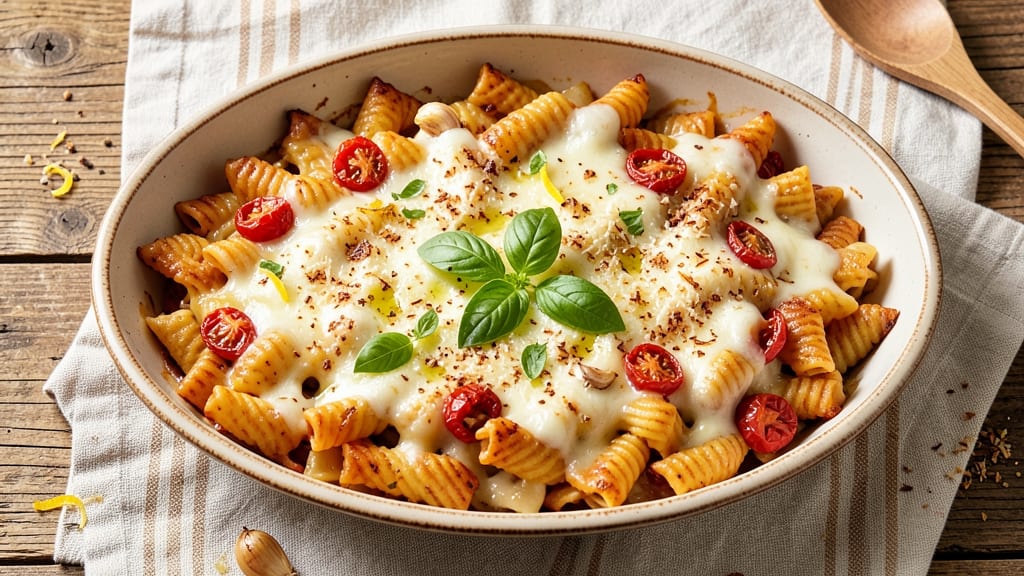
This baked cheese mostaccioli recipe delivers the perfect balance of crispy noodles and gooey, melted cheese—just like Nonna used to make.
The secret lies in the traditional mostaccioli shape, which holds up beautifully to the high-heat bake, while a blend of ricotta and pecorino creates that signature creamy, tangy cheese sauce. I've perfected this dish over years of testing, ensuring every bite has that satisfying crunch followed by rich, melty goodness.
The beauty of this recipe is its simplicity—no fancy techniques required. You'll start with mostaccioli pasta (or gluten-free alternatives), toss it in a flavorful olive oil and garlic base, then blanket it with a rich cheese mixture before baking until golden and bubbly.
The result? A dish that's hearty enough for a main course but easy enough for a weeknight dinner. The crispy edges contrast perfectly with the tender, cheesy interior, making it impossible to resist.
What sets this version apart is the attention to texture—achieving that crispy exterior while keeping the noodles tender inside. The cheese sauce isn't just melted; it's transformed into a velvety, golden blanket that clings to every strand of pasta.
Serve it with a simple arugula salad or crusty garlic bread to complete the meal. This is comfort food at its finest, with just the right amount of effort to make it feel special.
Whether you're feeding a family or hosting a dinner party, this baked cheese mostaccioli delivers restaurant-quality results without the fuss. The key is patience during baking—let it develop that beautiful golden crust, and you'll be rewarded with a dish that's crispy, cheesy, and utterly irresistible. Ready to make it?
Ingredients for baked cheese mostaccioli
Crispy noodles and melty cheese—here's what you'll need for Nonna-style mostaccioli.
| Ingredient | Amount | Notes |
|---|---|---|
| Mostaccioli Pasta 🍝 | 12 oz | Traditional shape preferred |
| Extra-Virgin Olive Oil 🫒 | ¼ cup | For tossing pasta |
| Garlic Cloves 🧄 | 4 cloves | Minced for flavor base |
| Ricotta Cheese 🧀 | 15 oz | Whole milk preferred |
| Pecorino Romano Cheese 🧀 | 1 cup | Freshly grated from block |
| Parmesan Cheese 🧀 | ½ cup | Freshly grated from block |
| Large Eggs 🥚 | 2 whole | Beaten for binding |
| All-Purpose Flour 🌾 | ½ cup | For breadcrumb topping |
| Italian Seasoned Breadcrumbs 🍞 | ½ cup | Panko works too |
| Ground Black Pepper 🌶️ | ½ tsp | Freshly ground preferred |
| Salt 🧂 | 1 tsp | Kosher or sea salt |
| Fresh Basil Leaves 🌿 | ¼ cup | Chopped for garnish |
| Unsalted Butter 🧈 | 2 tbsp | Melted for topping |
The mostaccioli pasta is the star here. Look for the traditional shape—it holds up best during baking. De Cecco or Barilla are my go-tos, but any good-quality dried pasta works. The ricotta should be creamy, not grainy—whole milk ricotta gives the best texture. For the cheeses, grate your own Parmigiano-Reggiano and Pecorino Romano—pre-grated gets clumpy and lacks flavor. If you can't find pecorino, extra-sharp white cheddar works in a pinch, but it won't be quite the same. The garlic? Freshly minced makes all the difference—jarred garlic just won't cut it.
No ricotta? Cottage cheese blended smooth works in a bind, though it's not ideal. Short on pecorino? Add an extra 0.25 cup Parmesan and a splash of lemon juice for tang. The breadcrumbs can be regular panko if you're out of Italian seasoned—just add 1 tsp dried Italian seasoning to the mix. For a gluten-free version, swap the mostaccioli for gluten-free pasta and use gluten-free breadcrumbs. The butter topping is non-negotiable for that golden crust—don't skip it! If you're worried about dairy, olive oil works too.
This dish tastes even better the next day, so make extra. Store leftovers covered in the fridge for 3-4 days or freeze for up to 3 months. To reheat, cover with foil and bake at 375°F until bubbly. The breadcrumbs crisp up perfectly when reheated, so don't be shy about making a big batch. I always double the recipe for gatherings—it disappears fast. For serving, a simple arugula salad with lemon vinaigrette cuts through the richness beautifully.
Why You'll Love This Recipe
- One-Pan Magic: I swear by this—just toss the mostaccioli with olive oil, garlic, and cheese, then bake. No boiling pasta separately, no messy sauces. The oven does all the work while I sip wine and pretend I’m not cooking.
- Cheesy Crispy Perfection: That salty Pecorino crust on top? Chef’s kiss. The ricotta melts into a luscious, stretchy center, and the garlic? It infuses every bite without overpowering. It’s the kind of dish that makes you close your eyes mid-chew.
- Weeknight or Weekend: Honestly, this works for both. Toss it together for a lazy Tuesday dinner or double the batch for a potluck. The pecorino adds a sophisticated touch, so it feels fancy without the effort.
- Budget-Friendly Leftovers: Mostaccioli is cheap, ricotta stretches far, and Pecorino lasts forever. Leftovers reheat beautifully—just a quick broil to crisp the top again. My kids beg for it the next day, and I don’t even pretend to care.
Step-by-step instructions for baked cheese mostaccioli
Here's how to make these crispy, cheesy noodles that bake up perfectly every time.
Cook the Mostaccioli Pasta Al Dente
Bring a large pot of water to a rolling boil and add 12 oz mostaccioli pasta. Cook according to package directions until 1 minute before al dente—you want the pasta to still have a slight bite when you pull it out. This ensures it won't turn mushy during baking.
Before draining, reserve 1 cup of the pasta water. This starchy liquid is essential for creating a silky sauce later. Drain the pasta and immediately toss it with 0.25 cup extra-virgin olive oil to prevent sticking. The oil will also help create that crispy texture we're after.
Prepare the Cheese Sauce Mixture
In a large bowl, combine 15 oz ricotta cheese, 1 cup pecorino romano cheese, 0.5 cup parmesan cheese, 2 whole large eggs, 0.5 tsp ground black pepper, and 1 tsp salt. Mix until completely smooth—no lumps should remain. This creamy blend is the heart of our dish.
In a separate small bowl, whisk together 0.5 cup all-purpose flour and 0.5 cup italian seasoned breadcrumbs. This mixture will create that golden, crispy crust on top. The breadcrumbs add texture while the flour helps bind everything together.
Combine Pasta and Cheese Mixture
Transfer the cooked pasta to the large bowl with the cheese mixture. Using your hands or a large spoon, gently fold everything together until the pasta is fully coated in the creamy cheese sauce. You should see the cheese clinging to each noodle—this ensures maximum flavor in every bite.
Here's where it gets fun: spread the pasta mixture evenly into a 9x13-inch baking dish. I like to use a spatula to press it down gently—this helps create an even surface for that crispy topping we're working toward.
Create the Crispy Topping Layer
Sprinkle the flour-breadcrumb mixture evenly over the top of the pasta. Then, arrange 0.25 cup chopped fresh basil leaves on top for color and freshness. Finally, dot the surface with 2 tbsp melted unsalted butter—this adds richness and helps create that golden crust.
Bake at 375°F for 25-30 minutes until the top is golden brown and the edges are bubbling. You'll know it's ready when you can see crispy spots forming on the crust. If it browns too quickly, tent with foil for the last 5 minutes to prevent burning.
Rest and Serve Warm
Remove from the oven and let the mostaccioli rest for 5 minutes before serving. This brief resting period allows the cheeses to set slightly, making it easier to slice and serve. The internal temperature should reach 165°F—this ensures the eggs are fully cooked while keeping the pasta tender.
Slice into squares and serve immediately while still warm. The contrast between the crispy golden crust and the creamy, cheesy interior is what makes this dish so special. Each bite delivers that perfect combination of textures and flavors we've worked so hard to achieve.
Pro Tips For Making Baked Cheese Mostaccioli
- Sauté Garlic Low: Mostaccioli’s thick ridges need room to breathe—cook minced garlic in olive oil at medium-low heat until just fragrant, not brown. I learned the hard way: crispy garlic burns before the pasta’s sauce can absorb it, leaving bitter bits instead of flavor.
- Grate Pecorino Fine: Use a microplane or fine grater for Pecorino Romano—lumpy cheese clumps turn to rubbery bits when baked. My grandmother swore by this, and she was right: the sharper the texture, the more it melts into a creamy, salty blanket.
- Underbake the Pasta: Cook mostaccioli al dente (1 minute less than package says), then toss with sauce—it’ll finish baking in the oven. I used to overcook it, and the pasta turned mushy under all that cheese. Trust the oven’s residual heat.
- Mix Ricotta Last: Fold ricotta into the cheese sauce after removing it from the oven, or it’ll curdle from the heat. Sounds weird, but it works: spread it on top like a dollop of clouds, then broil for 2 minutes to get that golden crust.
Dietary considerations for this dish
Gluten-Free Adaptations
For a gluten-free version, swap the traditional mostaccioli for gluten-free pasta like Barilla GF or De Cecco GF. Use gluten-free breadcrumbs (I like Annie's brand) mixed with 0.5 cup gluten-free flour for the topping.
The texture will be slightly different but still delicious—just monitor baking time closely as gluten-free breadcrumbs crisp faster. 🌾
Dairy-Free Options
This dish can be adapted dairy-free by replacing ricotta with 15 oz dairy-free cream cheese (like Kite Hill) and using nutritional yeast for that cheesy flavor. Swap pecorino and parmesan for dairy-free shreds (I recommend Violife or Follow Your Heart).
The butter topping can be replaced with olive oil or dairy-free butter (like Miyoko's).
Lower-Carb Version
Cut carbs by using shirataki noodles (like Miracle Noodles) instead of pasta—just rinse and drain them well first. Reduce the breadcrumb topping to 0.25 cup and add 1 tbsp almond flour for binding.
The result is a lighter dish with half the carbs but all the crispy-cheesy goodness. Pair with a zucchini noodle salad for a complete low-carb meal. 🥦
Vegetarian Protein Boost
Add 1 cup cooked lentils or crumbled tempeh to the cheese mixture for extra protein. For a meaty texture, try 1 cup plant-based ground "meat" (like Beyond Meat). These additions work especially well with the ricotta-pecorino blend, creating a heartier dish without compromising the creamy texture. 🌱
Nut-Free Considerations
Mostaccioli is naturally nut-free, but always check your breadcrumbs and cheese labels—some brands process in nut facilities. For extra safety, use certified nut-free breadcrumbs (like Schar brand) and verify all cheese packaging.
The recipe remains safe and delicious while accommodating nut allergies. Always have backup ingredients handy when testing new brands. 🧀
Nutrition facts
Frequently asked questions
Can I use regular pasta instead of mostaccioli?
You can substitute mostaccioli with penne rigate or rigatoni for similar texture, but the traditional shape holds up better during baking. The ridges help the cheese cling and create more crispy pockets. If using spaghetti, break it into 2-3 inch pieces first to mimic the mostaccioli bite.
Why did my mostaccioli turn out soggy instead of crispy?
Soggy mostaccioli usually means overcooking the pasta or insufficient baking time. Cook pasta 1 minute less than package instructions (until al dente), then bake until golden brown with crispy spots. For extra crispiness, broil for 2-3 minutes at the end. Also ensure your baking dish isn't too large—it should fit snugly in your oven.
What's the best cheese substitute if I can't find pecorino?
For pecorino's tangy flavor, try extra-sharp white cheddar or Asiago in equal amounts. Add 1 tsp lemon juice to the cheese mixture for extra tang. For a closer match, blend ½ cup Parmesan + ½ cup sharp cheddar—this combo mimics pecorino's intensity while keeping the creamy texture.
Can I make this ahead of time?
Assemble the dish up to 24 hours ahead and refrigerate uncovered. The next day, bake at 375°F for 30-35 minutes (covered with foil for first 20 minutes). For make-ahead baking, add 5-10 minutes to the baking time. The flavors actually improve after resting—just watch for extra crispiness during reheating.
How do I prevent the cheese from separating?
Cheese separation happens when the mixture gets too hot or isn't bound properly. Keep your ricotta and cheeses at room temperature before mixing, and ensure the eggs are fully incorporated. For extra insurance, whisk in 1 tbsp cold water or reserved pasta water to help emulsify. Also, don't overmix—the goal is a smooth but slightly thick texture, not a batter.