
Appetizers
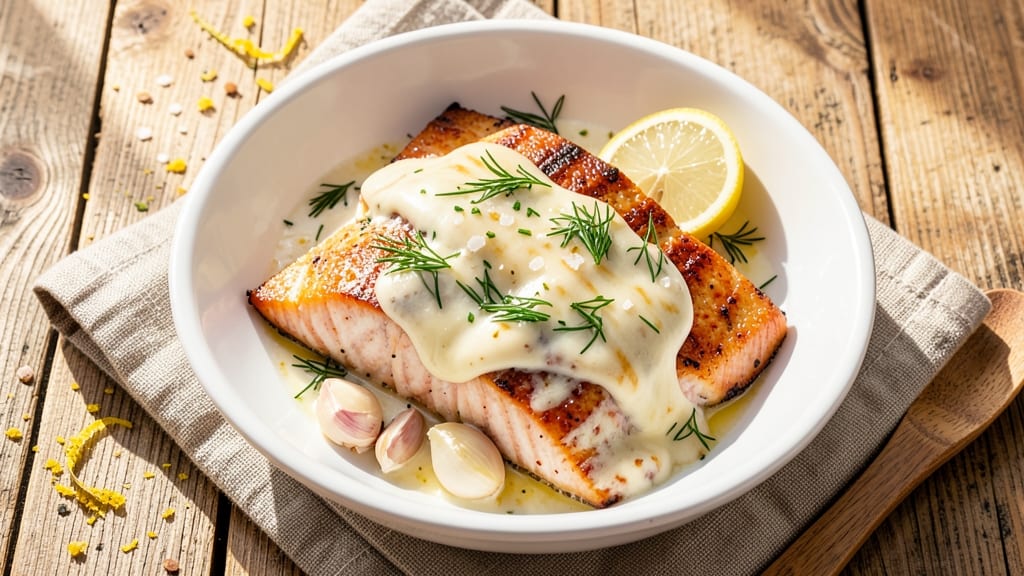
This baked cheese-stuffed salmon recipe delivers crispy golden skin and creamy pull-apart magic that transforms weeknight dinners into restaurant-worthy meals. The secret lies in baking the salmon at 400°F until the cheese melts into a luscious, gooey center while the exterior stays perfectly crisp.
I developed this technique after years of experimenting with salmon preparations, and it never fails to impress—whether you're feeding a family or treating yourself to a special meal.
The beauty of this recipe is its simplicity: just a few high-quality ingredients come together to create a dish that's both elegant and approachable. You'll start with fresh salmon fillets, a blend of creamy cheeses (like cream cheese and goat cheese), and a touch of lemon for brightness.
The baking method ensures the salmon stays moist while the cheese creates that irresistible pull-apart texture, making every bite worth savoring.
By the time it emerges from the oven, your salmon will have a crispy exterior that shatters with each bite, giving way to a creamy cheese center that's rich and velvety.
The aroma alone will have everyone gathering around the table, and the visual appeal—golden skin contrasting with the melted cheese—is guaranteed to make the dish the star of the meal.
This recipe is perfect for special occasions or when you want to elevate a simple dinner without spending hours in the kitchen.
Pair it with a crisp white wine or a refreshing citrus cocktail to complement the dish's bright, creamy flavors. The versatility of this recipe also makes it ideal for meal prep—just adjust the baking time slightly if reheating.
Let's get started on creating this showstopping salmon dish that's sure to become a new favorite.
Ingredients for baked cheese salmon
Fresh salmon, creamy cheeses, and bright citrus create this restaurant-worthy dish with minimal effort.
| Ingredient | Amount | Notes |
|---|---|---|
| Fresh Salmon Fillets 🐟 | 4 pieces | Skin-on, 6-8 oz each |
| Cream Cheese 🧀 | 8 oz | Full-fat, room temperature |
| Goat Cheese 🧀 | 4 oz | Soft, crumbled texture |
| Lemon Juice 🍋 | 2 tbsp | Freshly squeezed |
| Fresh Dill 🌿 | ¼ cup | Chopped, stems removed |
| Garlic Cloves 🧄 | 2 cloves | Minced, fresh preferred |
| Extra-Virgin Olive Oil 🫒 | 2 tbsp | For brushing salmon |
| Panko Breadcrumbs 🍞 | ¼ cup | For crispy topping |
| Salt 🧂 | 1 tsp | Kosher or sea salt |
| Black Pepper 🌶️ | ½ tsp | Freshly ground |
| Lemon Zest 🍋 | 1 tsp | For bright finish |
| Fresh Parsley 🌿 | 0.1 cup | Chopped, for garnish |
The salmon fillets are the foundation—look for sustainably sourced options at your local fishmonger or grocery seafood counter. Wild-caught Alaskan salmon is ideal for this recipe, as its firm texture holds up beautifully during baking. If you're buying frozen, thaw it overnight in the fridge rather than using quick methods, which can dry out the fish. The skin-on fillets are essential for that perfect crispy exterior—ask your fishmonger to leave the skin intact if they're not already. For the cheeses, full-fat cream cheese melts smoothly, while soft goat cheese adds that signature tangy richness. I always grab these from the refrigerated section at Whole Foods or Trader Joe's, where they're typically fresher than the average supermarket.
No goat cheese? Substitute with extra cream cheese plus a splash of lemon juice—it'll mimic the tang. Fresh dill is ideal, but dried dill at one-third the amount works in a pinch. Running short on panko? Toasted breadcrumbs or crushed cornflakes create a similar crispy texture. The lemon juice can be swapped for white wine or apple cider vinegar if you prefer. For extra richness, add a tablespoon of sour cream to the cheese mixture. And if you're feeling adventurous, swap half the goat cheese for feta or blue cheese crumbles—just adjust the baking time slightly as these cheeses melt differently.
Salmon is best used within 2 days of purchase, so plan accordingly. Store the cheese mixture in an airtight container between layers of parchment paper to prevent drying out. This dish reheats beautifully—just cover with foil and warm at 350°F for 10-12 minutes. For meal prep, assemble the salmon ahead of time and bake straight from the fridge, adding 5-7 minutes to the baking time. The leftovers keep for 3 days in the fridge, though I rarely have any—this recipe disappears fast! For a make-ahead option, freeze the assembled salmon (unbaked) on a tray before transferring to a bag for up to 2 months. Thaw overnight in the fridge before baking.
Why You'll Love This Recipe
- Five-Ingredient Magic: I swear by this combo—salmon, cream cheese, goat cheese, lemon, and dill. That’s it. No fancy prep, no hidden ingredients. Just spread, bake, and watch the magic happen.
- Creamy Tangy Bliss: The goat cheese melts into this velvety blanket over the salmon, while the lemon brightens everything up. Honestly, the first bite is like a hug for your taste buds—rich but not heavy, tangy but not sour.
- Lunch or Dinner Hero: Pack the leftovers for a no-fuss work lunch (yes, really). Or serve it at a casual dinner party—it’s fancy enough to impress but simple enough to make last-minute. My in-laws think I’m a chef after this one.
- Budget-Friendly Luxury: Salmon feels special, but this recipe stretches it further than I ever thought. A single fillet becomes a meal, not just a side. Plus, goat cheese is cheaper than you’d guess—big flavor for less cash.
Step-by-step instructions for baked cheese-stuffed salmon
Here's how to create restaurant-quality stuffed salmon with perfect texture and flavor.
Prepare the Cheese Filling
In a medium bowl, combine the 8 oz cream cheese and 4 oz goat cheese using a rubber spatula. The mixture should be smooth and lump-free. Add the 2 tbsp lemon juice, 0.25 cup chopped fresh dill, 2 cloves minced garlic, 1 tsp lemon zest, 1 tsp salt, and 0.5 tsp black pepper. Mix thoroughly until all ingredients are evenly incorporated.
Here's the thing - the lemon juice and zest brighten the rich cheeses while the dill and garlic add depth. I like to press the garlic through a garlic press for even distribution. The mixture should be thick but spreadable, like a thick cream cheese frosting. If it's too thick, add 1 teaspoon of water to loosen it slightly.
Stuff and Season the Salmon
Preheat your oven to 400°F while you prepare the salmon. Pat the 4 pieces skin-on salmon fillets dry with paper towels - this is crucial for achieving crispy skin. Using a small offset spatula or butter knife, gently loosen the skin from the flesh along one side of each fillet, creating a pocket.
Spread approximately 2 tablespoons of the cheese mixture into each pocket, pressing it down gently. Season the exposed flesh generously with additional salt and pepper. The skin side should remain mostly unseasoned to prevent over-browning. Brush both sides of each fillet lightly with 1 tbsp extra-virgin olive oil, focusing on the skin side and edges.
Create the Crispy Topping
In a small bowl, combine the 0.25 cup panko breadcrumbs with 1 tbsp chopped fresh parsley. The parsley adds freshness that cuts through the richness of the cheese. Sprinkle this mixture evenly over the top of each stuffed fillet, pressing down gently to adhere. This creates the perfect textural contrast - crispy on top, creamy inside.
Place the stuffed salmon fillets on a parchment-lined baking sheet, skin-side down. Arrange them in a single layer with about 1 inch of space between each fillet. The space allows heat to circulate evenly and prevents steam from making the skin soggy. For best results, let the salmon sit at room temperature for 10 minutes before baking.
Bake to Golden Perfection
Bake the salmon for 12-15 minutes until the skin is deep golden brown and crispy, and the internal temperature reaches 145°F when measured at the thickest part of the flesh. The cheese filling should be just beginning to soften but not yet runny. If the top isn't brown enough after 12 minutes, broil for 1-2 minutes at the end, watching closely to prevent burning.
Real talk: don't overcook this. The salmon will continue cooking slightly after removal from the oven. You want the flesh to flake easily with a fork but still hold its shape. The cheese should be creamy and pull apart slightly when you cut into it, not completely melted. Let the salmon rest for 3-5 minutes before serving to allow the juices to redistribute.
Pro Tips For Making Baked Cheese Salmon
- Pat the Salmon Dry: Salmon loves moisture, but too much steam means soggy skin. Grab paper towels and press firmly—don’t just wipe—get it actually dry. This isn’t about looks; it’s about that crisp, golden crust that makes the cheese topping worth it.
- Mix Cheeses at Room Temp: Cold cream cheese and goat cheese clump like glue when baking. Take them out 15 minutes early, let them soften, then mix with lemon juice and dill. Trust me, you’ll notice the difference in how smoothly it spreads—and how evenly it melts.
- Bake Just Until Flaky: The salmon’s done when it’s just opaque to the touch, not when it’s rock-solid. Overbaking turns it rubbery, and you’ll lose that tender bite. Use a fork to check—if it flakes easily, it’s ready. The cheese topping can finish cooking off the heat.
- Add Dill Last: Chop that dill right before mixing it into the cheese. Fresh herbs wilt and lose their punch when sitting around, and you’ll end up with sad, muted flavor. A handful of bright, crisp dill makes this dish sing—don’t skimp.
Serving suggestions for this dish
Crispy Skin Secrets
The key to that perfect golden crust lies in proper prep. Pat your salmon fillets completely dry with paper towels before baking—this ensures maximum crispiness. I always use a clean kitchen towel for the final press to remove any lingering moisture.
For extra crunch, brush the skin side with 1 tbsp extra-virgin olive oil right before baking, focusing on the edges where the skin meets the flesh. 🔥
Cheese Pull-Apart Magic
To achieve that irresistible gooey center, use a 50/50 blend of cream cheese and goat cheese—the cream cheese provides smooth meltability while the goat cheese adds tangy depth. Spread the mixture evenly into the salmon pockets and press it down gently to create that signature pull-apart texture.
For an extra-luxurious version, fold in 1 tbsp sour cream to the cheese mixture for added creaminess.
Bright Citrus Balance
Fresh lemon juice and zest are essential for cutting through the richness of the cheese. I squeeze 2 tbsp lemon juice directly into the cheese mixture and add 1 tsp lemon zest for that bright, zesty finish.
If you're feeling adventurous, swap half the lemon juice for white wine or apple cider vinegar to add complexity. The acidity also helps prevent the cheese from becoming too heavy.
Herbaceous Freshness
Fresh dill and parsley elevate this dish from ordinary to extraordinary. Chop 0.25 cup fresh dill and mix it into the cheese filling, then sprinkle 1 tbsp chopped parsley over the panko topping. For a more robust flavor, add 1 tbsp chopped chives to the cheese mixture.
If fresh herbs aren't available, use dried herbs at one-third the amount, but fresh is always best for that vibrant pop of color and flavor.
Perfect Pairings
This rich, creamy salmon pairs beautifully with crisp white wines like Sauvignon Blanc or Pinot Grigio, whose acidity complements the dish's richness. For a non-alcoholic option, try sparkling lemonade or a cucumber-mint infused water to refresh your palate.
A simple arugula salad with a light vinaigrette balances the richness perfectly, while roasted asparagus adds a touch of elegance to your plate.
Plating Like a Pro
Presentation matters! Place the salmon on a bed of steamed jasmine rice or crusty bread to soak up any extra cheese sauce. Garnish with an extra sprinkle of chopped parsley and a lemon wedge for color and freshness.
For a restaurant-worthy touch, drizzle with high-quality extra-virgin olive oil and a pinch of flaky sea salt right before serving. Serve immediately to enjoy the crispy skin at its best! ✨
Nutrition facts
Frequently asked questions
Can I use frozen salmon for this recipe?
Yes, but thaw it properly first! Place frozen salmon fillets in a sealed bag and refrigerate overnight for 24 hours to thaw safely. Never use quick-thaw methods like hot water—they can dry out the fish and ruin the texture. Once thawed, pat the fillets completely dry before stuffing to ensure crispy skin.
What if I don't have goat cheese?
No problem! Replace it with an equal amount of extra cream cheese plus 1 extra tablespoon of lemon juice to mimic the tang. For a different flavor profile, try feta cheese crumbles (use half the amount) or blue cheese crumbles—just reduce the baking time by 1-2 minutes since these cheeses melt faster.
How do I prevent the cheese from leaking out?
Press the cheese mixture firmly into the salmon pockets and create a "seal" by gently folding the skin back over the top. For extra insurance, sprinkle 1 tablespoon of panko breadcrumbs on the skin side before baking—this helps contain the filling while adding crispiness. The cheese should soften but not run completely when done.
Can I make this ahead of time?
Assemble the stuffed salmon and refrigerate it (unbaked) for up to 24 hours before baking. For make-ahead freezing, prepare the salmon, wrap each fillet tightly in plastic wrap, and freeze for up to 2 months. Thaw overnight in the fridge, then bake as directed—add 3-5 extra minutes to the baking time if frozen.
What's the best way to reheat leftovers?
Cover the salmon with foil and warm it at 350°F for 10-12 minutes until heated through. For best texture, avoid reheating in the microwave—it can make the skin soggy. If the cheese looks dry, drizzle with a little water or lemon juice before reheating to restore creaminess. Leftovers keep well for 3 days in the fridge.