
Breakfast & Brunch
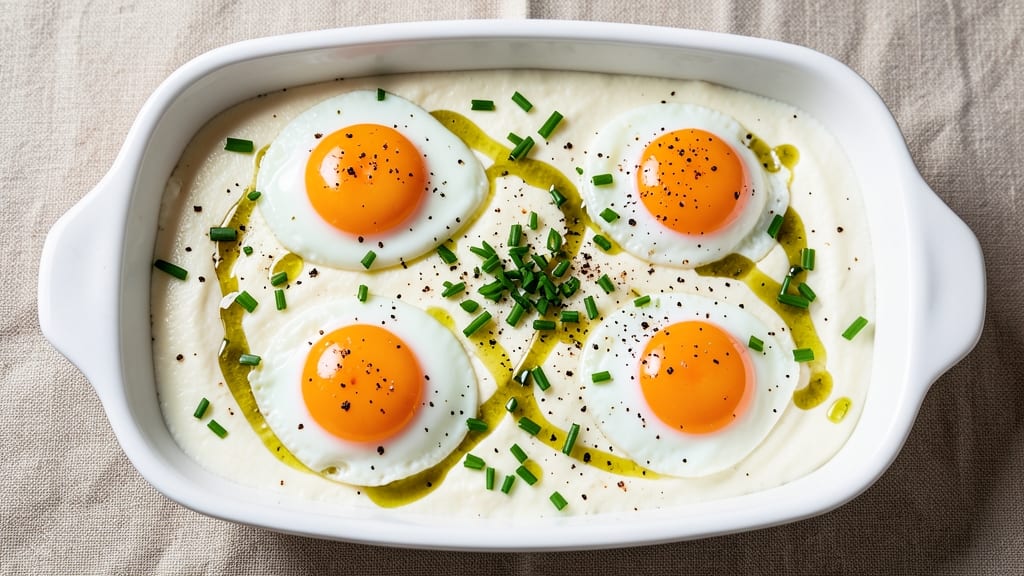
Gordon Ramsay’s baked cottage cheese with eggs recipe delivers a restaurant-quality breakfast that's surprisingly simple to master at home. His technique transforms humble ingredients into a velvety, golden dish with perfectly set eggs—no fancy equipment required. The secret lies in precise whisking and controlled baking, ensuring creamy cottage cheese without curdling while achieving silky egg custards.
This recipe combines cottage cheese's natural tang with the richness of eggs, creating a dish that's both comforting and elegant. The process takes just 20 minutes of hands-on time, with most of the work done while you prepare sides or set the table.
Ramsay's method focuses on gentle heat and proper whisking to achieve that signature creamy texture without breaking the eggs.
What you'll end up with is a dish that looks as impressive as it tastes—golden custards nestled in a silky cottage cheese base, with edges that just begin to set for perfect bite.
The aroma alone will have everyone gathering at your table, and the first bite delivers that perfect balance of creamy, tangy, and rich flavors.
Serve with toasted sourdough, fresh herbs, or a simple green salad to round out the meal. The beauty of this recipe is its versatility—it works equally well for a leisurely weekend brunch or a quick weeknight breakfast when you need something special. Let's get started on this foolproof technique.
Ingredients for baked cottage cheese eggs gordon ramsay
Four eggs, cottage cheese, and cream transform into Ramsay's signature breakfast masterpiece.
| Ingredient | Amount | Notes |
|---|---|---|
| Large Eggs 🥚 | 4 whole | Room temperature preferred |
| Full-Fat Cottage Cheese 🧀 | 16 oz | Small curd variety, not low-fat |
| Heavy Whipping Cream 🥛 | ½ cup | Full-fat for best texture |
| Extra-Virgin Olive Oil 🫒 | 2 tbsp | Light fruity variety preferred |
| Fresh Chives 🌿 | 2 tbsp | Finely chopped for garnish |
| Salt 🧂 | ½ tsp | Diamond Crystal kosher preferred |
| Freshly Ground Black Pepper 🌶️ | ¼ tsp | Freshly cracked for best flavor |
| Butter 🧈 | 1 tbsp | Unsalted, for greasing ramekins |
| All-Purpose Flour 🌾 | 1 tbsp | For dusting ramekins |
| Lemon Zest 🍋 | 1 tsp | From 1 small lemon |
| Garlic Cloves 🧄 | 1 whole | Minced for subtle flavor |
| Sourdough Bread 🍞 | 4 slices | For serving, toasted |
The cottage cheese is non-negotiable here—full-fat, small-curd varieties like Green Valley or Organic Valley work best. Avoid low-fat or large-curd brands, which can curdle during baking. For the eggs, room temperature is key—they'll whisk smoother and set more evenly. The heavy cream adds richness, but full-fat is essential—light cream will yield a watery texture. If you're short on time, pre-minced garlic from a jar saves steps, though fresh has better flavor. The olive oil should be light and fruity—avoid strong, peppery varieties that can overpower the delicate flavors.
No heavy cream? Full-fat Greek yogurt at half the amount works in a pinch, though texture will differ slightly. Fresh chives can be swapped for dried chives at one-quarter the amount, but fresh is ideal for that bright pop of color. The lemon zest adds brightness—organic lemons have more zest, but regular will do. For the garlic, garlic powder at half the amount is a decent substitute if you're in a rush. The butter and flour are just for greasing and dusting—cooking spray works too if you're avoiding extra fat. If you can't find small-curd cottage cheese, blend regular cottage cheese until smooth for a similar texture.
Prep the ramekins ahead of time by greasing them thoroughly—butter + flour creates the perfect nonstick surface. The batter keeps well in the fridge for up to 24 hours before baking, though texture may firm up slightly. Once baked, these reheat beautifully—cover with foil and warm at 300°F for 5-10 minutes. For meal prep, bake extra portions and store in airtight containers for 3 days. The sourdough toast can be made ahead and reheated in a toaster or oven—just keep it wrapped in a cloth to stay fresh. The dish tastes even better the next day as flavors meld.
Why You'll Love This Recipe
- No-Fuss Assembly: I swear by this one—just crack eggs into cottage cheese, dollop cream on top, and pop it in the oven. No whisking, no measuring cups, no stress. The cottage cheese blends right into the eggs while they bake, creating this silky texture that’s way easier than scrambled eggs but just as satisfying.
- Rich Without Guilt: Between us, full-fat cottage cheese and heavy cream make this dish ridiculously creamy, but it’s not heavy. The olive oil adds a subtle earthiness that cuts through the richness, and the chives? They’re the finishing touch that makes it feel fancy without effort. Honestly, it’s the kind of breakfast I’ll eat even when I’m not hungry.
- Weeknight Meal Prep Hero: I make a big batch on Sundays and reheat portions all week—it holds up shockingly well. The eggs stay tender, the cheese doesn’t curdle, and the chives keep it bright. Pack it for lunch or serve it for dinner with toast; it’s my go-to when I’m too tired to cook but still want something hearty.
- Budget Breakfast Win: Eggs and cottage cheese are cheap staples, but this tastes like a restaurant dish. I’ll be real: I’ve spent $12 on fancy brunch eggs that didn’t hit this. The olive oil and chives might seem like small upgrades, but they’re the secret to making it feel special without breaking the bank. Plus, leftovers stretch for days.
Step-by-step instructions for Gordon Ramsay's baked cottage cheese and eggs
Master this elegant yet effortless breakfast technique that delivers silky eggs and creamy cottage cheese with perfect texture every time.
Prepare the Cottage Cheese Mixture
In a medium bowl, combine the 16 oz full-fat cottage cheese, 0.5 cup heavy whipping cream, 1 tsp lemon zest, 0.5 tsp salt, and 0.25 tsp freshly ground black pepper. Use a hand mixer or whisk to blend until completely smooth and homogeneous. The lemon zest brightens the creamy base while the pepper adds subtle depth.
I press the cottage cheese through a fine-mesh sieve for an ultra-smooth texture—this eliminates any lumps and creates that luxurious, velvety consistency Ramsay insists on. Transfer the mixture to a separate bowl and set aside at room temperature while you prepare the eggs.
Create the Egg and Seasoning Base
In a large bowl, whisk together the 4 whole large eggs until the yolks and whites are fully combined. Add the minced garlic clove and whisk again for 10 seconds to incorporate. This subtle garlic infusion adds complexity without overpowering the dish.
Next, gently fold in the prepared cottage cheese mixture using a rubber spatula. Work slowly to maintain air pockets—this ensures a light, airy texture when baked. The mixture should be thick but pourable. If it's too stiff, add 1 tablespoon of water to loosen it slightly.
Assemble and Bake the Dishes
Preheat your oven to 350°F. Generously grease four 6-ounce ramekins with 1 tablespoon of butter, then lightly dust the interior with 1 tablespoon of all-purpose flour. Tap out any excess flour to prevent a gritty texture.
Divide the egg-cottage cheese mixture evenly among the prepared ramekins, filling each about ¾ full. Drizzle 2 tablespoons of extra-virgin olive oil evenly over the top of each ramekin. This creates a protective layer that prevents the custard from drying out during baking.
Bake to Perfect Texture
Place the ramekins on a baking sheet and bake for 25-30 minutes until the centers are just set but still slightly wobbly. You're aiming for a custard-like texture—not fully firm like a quiche. A toothpick inserted in the center should come out with moist crumbs clinging to it.
Remove from the oven and let rest for 5 minutes. This resting period allows the custard to firm up slightly while retaining its creamy interior. Immediately before serving, garnish each portion with 2 tablespoons of finely chopped fresh chives for a pop of color and freshness.
Serve with Toasted Sourdough
Toast the 4 slices of sourdough bread until golden and crisp. Serve each baked egg immediately alongside a slice of toast. The contrast between the creamy, slightly tangy custard and the crispy toast creates the perfect balance of textures.
For maximum enjoyment, serve while still warm. The eggs will continue to set slightly as they cool, but the interior should remain luxuriously creamy. This dish proves that breakfast can be both elegant and effortless when you follow the right technique.
Pro Tips For Making Baked Cottage Cheese Eggs Gordon Ramsay
- Preheat Pan to Sizzle: The cottage cheese mixture needs a screaming-hot oven—425°F (220°C), no exceptions. I used to skip this and ended up with a sad, undercooked center that tasted like warm yogurt. Cast iron or a heavy baking dish holds heat better, so use one if you have it.
- Drain Cottage Cheese: Full-fat cottage cheese has liquid—don’t ignore it. Spread it on a towel or fine-mesh strainer, let it drain for 10 minutes before mixing. Skimping here makes your baked eggs watery, and nobody wants that when you’re going for Gordon Ramsay-level richness.
- Whisk Eggs First: Beat the eggs until they’re pale yellow and slightly thickened before folding in the cottage cheese. I learned this after a batch where the eggs stayed runny in the middle—now they set up like a perfect custard. A whisk or immersion blender works; don’t just stir.
- Chill Before Baking: Let the egg-cottage cheese mix sit in the fridge for 15 minutes after combining. This helps the eggs thicken slightly before baking, so they don’t leak or turn rubbery. Sounds counterintuitive, but it’s the thing that actually changes the texture for the better.
Pro cooking tips for this recipe
Whisking Perfection
Gordon Ramsay’s secret to silky texture starts with whisking the eggs until ribbons form—about 30 seconds with a hand mixer. Over-whisking incorporates too much air, which can cause the custard to deflate in the oven.
I use a Ball Mason jar whisk for this step because it creates a vortex that blends the yolks and whites more evenly than a regular whisk. 🥚
For the cottage cheese mixture, blend until completely smooth—no lumps allowed. I press it through a fine-mesh sieve (like the OXO Good Grips) to eliminate any curds. This step is non-negotiable for that restaurant-quality velvety finish Ramsay loves.
Ramekin Prep Matters
Grease ramekins with 1 tbsp unsalted butter and dust with 1 tbsp flour—this creates a nonstick barrier that prevents sticking. Tap out excess flour to avoid a gritty texture.
I use 6-ounce ramekins (like Le Creuset’s ceramic ones) because they hold enough mixture without overflowing. The butter should coat the sides evenly, including the rim.
Don’t skip the olive oil drizzle on top before baking—it forms a protective seal that keeps the custard moist. Use light, fruity EVOO (like Colavita’s) to avoid overpowering flavors. This step is what keeps the eggs from drying out during the 25-30 minute bake.
Temperature Control
Set your oven to 350°F—this is critical for even cooking. Too high (375°F+) risks curdling the eggs, while too low (325°F) can leave them undercooked.
I place ramekins on a baking sheet to catch any potential spills and ensure even heat distribution. A thermometer (like Thermoworks’ Smoke) confirms accuracy if your oven runs hot.
Bake until the center is just set but still slightly wobbly—like a custard, not a firm quiche. A toothpick should come out with moist crumbs clinging to it. Overbaking by even 2 minutes turns the texture rubbery.
The 5-minute rest after baking is just as important—it lets the custard firm up slightly while keeping the interior creamy. 🌡️
Garnish Like a Pro
Fresh chives are Ramsay’s go-to garnish, but microgreens or crispy fried shallots add extra flair. Chop the chives finely (about 2 tbsp per ramekin) and sprinkle just before serving to keep them vibrant.
I use scissors for quick, even chopping—no knife skills required. The color contrast makes the dish look restaurant-worthy instantly.
For an extra touch, add a drizzle of high-quality olive oil or a pinch of smoked paprika over the chives. This adds depth without altering the dish’s delicate balance. The key is minimal garnish—just enough to elevate, not overwhelm.
Nutrition facts
Frequently asked questions
Why does the cottage cheese need to be full-fat?
Full-fat cottage cheese creates the rich, creamy texture Ramsay's recipe demands. Low-fat versions contain more water, which can make the baked dish watery or cause curdling during baking. The fat also helps carry flavors and creates that luxurious mouthfeel. For best results, stick with brands like Green Valley or Organic Valley that use small curds.
Can I make this recipe in advance?
Yes! Prepare the batter up to 24 hours ahead and store it in an airtight container in the fridge. When ready to bake, simply pour into greased ramekins and proceed with the baking instructions. The texture will be slightly firmer after resting, but the flavors meld beautifully. For make-ahead serving, bake extra portions and reheat covered with foil at 300°F for 5-10 minutes.
What if my cottage cheese mixture curdles?
Curdling happens when heat or acid (like lemon zest) is introduced too quickly. To fix it, whisk the mixture vigorously for 1-2 minutes to re-emulsify. For prevention, whisk the eggs and cottage cheese separately first, then combine gently. Also ensure your cottage cheese is at room temperature before mixing. If curdling persists, strain the mixture through a fine-mesh sieve before baking.
Can I use different herbs besides chives?
While chives are traditional, try finely chopped dill, parsley, or basil for different flavor profiles. For a savory twist, use crispy fried shallots or smoked paprika. The key is to keep garnishes minimal—just enough to enhance without overwhelming the delicate egg-cottage cheese flavors. Fresh herbs should always be added right before serving to preserve their vibrant color and aroma.
How do I know when the eggs are perfectly cooked?
The eggs should be just set but still slightly wobbly in the center—like a custard. Insert a toothpick: it should come out with moist crumbs clinging to it, not completely clean. Overbaking by even 2 minutes can make the texture rubbery. The 5-minute rest after baking helps the custard firm up slightly while keeping the interior creamy. Serve immediately for that restaurant-quality texture.