
Sauces & Condiments
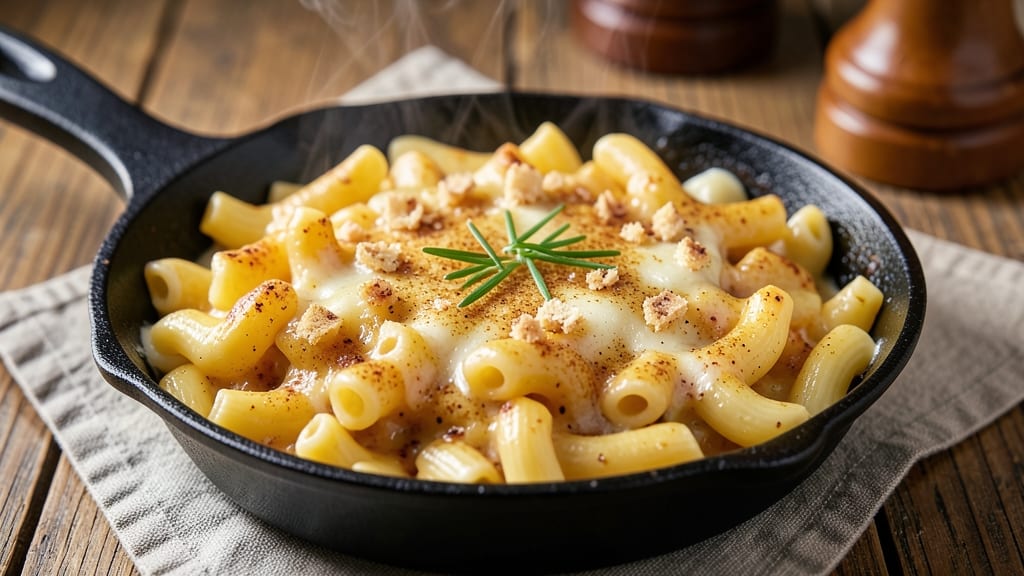
This baked mac and cheese recipe with mustard powder transforms the classic comfort dish into something sharper, richer, and impossible to resist. The mustard powder adds a subtle tang that cuts through the creaminess, creating a perfect balance that elevates every bite.
I developed this recipe after years of testing variations, and it's now a staple in my dinner rotation—especially when I need something hearty yet refined.
The secret lies in the cheese sauce, where sharp cheddar and Gruyère blend with a touch of mustard powder for depth, while a light cornstarch slurry ensures a velvety texture that never breaks.
Topped with a crispy breadcrumb crust, this mac and cheese bakes to golden perfection, delivering a restaurant-quality dish that's foolproof for home cooks. The mustard powder isn't overpowering—just enough to add complexity without stealing the spotlight from the cheeses.
What you'll end up with is a dish that's creamy, cheesy, and just slightly tangy, with a crispy top layer that adds texture contrast. The sauce clings to every noodle, and the mustard powder infuses a subtle sharpness that makes each bite more satisfying.
It's the kind of mac and cheese that disappears faster than you can say "comfort food," and it reheats beautifully for leftovers.
Perfect for feeding a crowd or a cozy weeknight dinner, this recipe scales easily while maintaining its rich, balanced flavors.
Whether you're serving it as a main course or a side dish, the mustard powder ensures it stands out—without ever overpowering the classic elements that make mac and cheese a timeless favorite.
Ingredients for baked mac and cheese recipe with mustard powder
Classic comfort meets sharp tang—these ingredients balance richness and bite perfectly.
| Ingredient | Amount | Notes |
|---|---|---|
| Elbow Macaroni 🍝 | 1 ½ lbs | Uncooked, medium or elbow shape |
| Sharp White Cheddar Cheese 🧀 | 2 cups | Shredded, block preferred |
| Gruyère Cheese 🧀 | 1 cup | Shredded, aged for nutty flavor |
| Heavy Whipping Cream 🥛 | 1 ½ cups | Full-fat for richness |
| Whole Milk 🥛 | ½ cup | Warmed for smooth sauce |
| Mustard Powder 🌶️ | 1 tbsp | Dijon-style for tang |
| Cornstarch 🌾 | 2 tbsp | For velvety texture |
| Unsalted Butter 🧈 | ½ cup | Cold, cubed for crisp crust |
| Panko Breadcrumbs 🍞 | ½ cup | For crispy topping |
| Garlic Powder 🧄 | ½ tsp | Enhances flavor depth |
| Salt 🧂 | 1 ½ tsp | Kosher or sea salt |
| Black Pepper 🌶️ | ½ tsp | Freshly ground preferred |
| Paprika 🌶️ | ½ tsp | Smoked for color and flavor |
The cheeses are where magic happens. Sharp white cheddar brings that classic tang, while Gruyère adds nutty depth—don't use pre-shredded, it's full of anti-caking agents that make the sauce grainy. Whole Foods or specialty cheese shops usually have the best blocks. For mustard powder, Dijon-style is key—it's got that subtle sharpness that cuts through the creaminess without overpowering. I grab mine from Penzeys or the bulk section at Trader Joe's, but any good spice shop will have it. The elbow macaroni? Any shape works, but elbow holds the sauce best—just make sure it's medium size, not those tiny dinner noodles.
No mustard powder? Dijon mustard at half the amount works in a pinch, but the powder blends more evenly. Pre-shredded cheese? Grate your own—it's worth the extra minute. Running low on Gruyère? Parmesan in a pinch, though it won't be as creamy. The cornstarch slurry is non-negotiable—it's what gives that velvety texture. Make it ahead and keep it cold until you're ready to use it. For the breadcrumbs, Panko stays crispy while regular breadcrumbs get soggy. Want extra crunch? Mix in 1 tbsp crushed cornflakes with the breadcrumbs.
This reheats beautifully—honestly tastes better the next day once everything melds. Keeps 4-5 days in the fridge, freezes for 3 months. I always make a double batch because it disappears fast. Store leftovers covered with foil to keep that crispy top. For serving, I like to sprinkle extra paprika on top right before baking—adds a nice color contrast. The breadcrumb crust gets crispier if you broil it for 1-2 minutes at the end, but watch it like a hawk so it doesn't burn.
Why You'll Love This Recipe
- No-Sauce Struggle: I swear by this method—just boil the pasta, drain, and dump. No sticky roux, no burnt cheese mess. The mustard powder mixes right into the milk while it heats, so you’re not standing over a pan waiting for it to thicken.
- Gruyère Magic: That nutty Gruyère? It’s the star. Paired with sharp cheddar and a pinch of mustard powder, it’s like someone sprinkled sunshine in your mouth. The cream keeps it velvety, but the mustard cuts through the richness—trust me, it’s the perfect balance.
- Weeknight to Party: Same recipe, different vibes. Weeknights? Serve it straight from the oven with a side salad. Game day? Top with crispy bacon and green onions. Honestly, I’ve even brought this to potlucks—it’s always the first to disappear.
- Leftovers? Better Than Fresh: Between us, the next-day version is even better. The cheese pulls tighter, the edges get crispier, and it reheats like a dream. Plus, it’s cheap—just a handful of ingredients—and stretches across lunches for days. My wallet thanks me every time.
Step-by-step instructions for baked mac and cheese with mustard powder
Here's how to create a creamy, tangy baked mac and cheese that's anything but ordinary.
Cook the Elbow Macaroni to Perfect Al Dente
Bring a large pot of water to a rolling boil and add 1.5 lbs elbow macaroni. Stir immediately to prevent sticking. Cook for 1 minute less than the package instructions suggest for al dente—you want it to finish cooking in the oven. The pasta should have a slight bite when you test it.
Before draining, reserve 1 cup of pasta water in a measuring cup. This starchy liquid is essential for creating a silky sauce later. Drain the pasta and return it to the pot, giving it a quick toss with a wooden spoon to break up any clumps. Keep the pot off the heat for now—we'll use that residual warmth in the next step.
Create the Ultimate Creamy Cheese Sauce
In a large bowl, combine 2 cups sharp white cheddar cheese and 1 cup gruyère cheese. I like to shred these myself using the large holes on a box grater for a more even melt. Add 1.5 cups heavy whipping cream, 0.5 cup whole milk, 1 tbsp mustard powder, 2 tbsp cornstarch, 0.5 tsp garlic powder, 1.5 tsp salt, 0.5 tsp black pepper, and 0.5 tsp paprika. The mustard powder is what gives this dish that signature tangy kick that sets it apart from ordinary recipes.
Mix everything together until the cheese is completely melted and the sauce is smooth. If the mixture seems too thick, add 1-2 tablespoons of reserved pasta water at a time until it reaches a pourable consistency—it should coat the back of a spoon but still be thick enough to cling to the pasta. This sauce is the heart of our dish, so take your time getting it just right.
Combine Pasta and Sauce
Add the cooked elbow macaroni to the cheese sauce mixture and stir gently but thoroughly until every strand is coated. The pasta should absorb the sauce completely, with just a slight sheen remaining on the surface. If it looks dry, add more pasta water 1 tablespoon at a time until it reaches your desired creaminess.
Here's the thing—this is where the magic happens. The mustard powder and cornstarch work together to create that signature velvety texture we all love. If you're worried about the mac and cheese being too rich, don't be. The mustard powder actually cuts through the fat beautifully, balancing the flavors perfectly.
Assemble and Bake to Golden Perfection
Preheat your oven to 375°F and grease a 9x13-inch baking dish with butter or cooking spray. Transfer the mac and cheese mixture to the prepared dish and spread it out evenly. Dot the top with 0.5 cup cubed unsalted butter—this creates pockets of rich, melted butter throughout the dish.
In a small bowl, mix together 0.5 cup panko breadcrumbs, 0.5 tsp garlic powder, and 0.5 tsp paprika. Sprinkle this mixture evenly over the top of the mac and cheese. The panko will create a beautiful golden crust while adding texture contrast to the creamy filling. Bake uncovered for 25-30 minutes until the top is golden brown and bubbly, and the edges are slightly crisp.
Rest and Serve with Confidence
Remove the baking dish from the oven and let it rest for 10-15 minutes before serving. This resting time allows the cheese to set slightly, making it easier to slice and serve. The internal temperature should reach 165°F at this point—if it's not quite there, you can pop it back in the oven for another 5 minutes to finish.
When you're ready to serve, run a knife around the edges to loosen it from the dish. The mac and cheese should come out in one perfect piece, ready to be sliced into generous portions. Each bite should deliver that perfect balance of creamy, cheesy goodness with just the right amount of tangy mustard kick. Serve immediately while still warm—this dish doesn't wait!
Pro Tips For Making Baked Mac And Cheese Recipe With Mustard Powder
- STIR THE CHEESE SAUCE CONSTANTLY: The first 5 minutes after adding the cream to the shredded cheeses are when it’s easiest to salvage a grainy mess. Use a wooden spoon and keep it moving—no lazy stirs here. If you see lumps forming, immediately pull the pot off the heat, add a splash of cold milk, then return it to low heat. I learned this the hard way when I walked away for "just a second" and came back to a sad, clumpy disaster.
- GRATE THE CHEESE FRESH: Pre-shredded cheese is coated in anti-caking agents that make your sauce look oily and separate. Skip the bagged stuff and grate your own sharp white cheddar and Gruyère using the large holes of a box grater—it melts smoother and faster. If you’re short on time, buy blocks of cheddar and grate them yourself; it takes 5 minutes but changes the texture completely.
- BAKE UNTIL THE EDGES CRISP: Underbaking is the silent killer of mac and cheese. The dish should hit 165°F internally and have a deep golden-brown crust on the edges, not just the top. If it’s still pale after 20 minutes, crank the oven to broil for 2-3 minutes—watch it like a hawk so it doesn’t burn. I used to pull it out too soon, thinking it was done, only to have it turn rubbery later.
- USE MUSTARD POWDER LAST: Add the mustard powder after the cheese sauce is fully melted and smooth—stirring it in too early can make the sauce curdle. A teaspoon is enough to brighten the flavor without overpowering; taste as you go. If you’re using dry mustard, whisk it into the milk first to dissolve it completely before adding to the pot. This avoids those weird, gritty bits that ruin the texture.
Regional styles of this recipe
Southern Comfort
In the South, mac and cheese isn't just dinner—it's a tradition. The mustard powder twist here nods to classic Southern flavors while adding a refined edge.
I grew up with my grandma's version where she'd add a pinch of cayenne for heat, but the mustard powder brings that same tangy depth without the burn. For an authentic Southern touch, swap the Gruyère for extra sharp cheddar and add 1 tsp smoked paprika to the breadcrumb topping.
Serve with a side of collard greens or cornbread for the full experience. 🌶️
New England Crunch
Up north, mac and cheese gets a crispier, heartier treatment. New England cooks often use potato shells instead of elbow macaroni for extra substance, but I keep the elbow shape for that classic texture. The mustard powder works perfectly here too—it complements the region's love of sharp cheddar.
For a true New England bake, mix 2 tbsp crushed potato chips into the breadcrumb topping before baking. The salty, crispy contrast is pure genius. Top with extra grated Parmesan for that signature New England cheese overload. ❄️
Midwest Mustard Kick
The Midwest takes mac and cheese seriously, and the mustard powder shines here. This region loves bold flavors, so I'd double the mustard powder to 2 tbsp for extra tang. Pair it with Monterey Jack cheese instead of Gruyère for a milder, creamier base that still lets the mustard pop.
Midwest cooks often add crumbled bacon to the breadcrumb topping—about ¼ cup—for that smoky, salty crunch. Serve with a side of green beans almondine for a complete casserole-style meal. 🥓
West Coast Fusion
Out West, we love to play with flavors, and this mustard powder mac and cheese is perfect for fusion. Swap the Gruyère for Pepper Jack and add ½ tsp chipotle powder to the sauce for a smoky, spicy twist.
Top with crushed tortilla chips instead of panko for a Tex-Mex vibe. For a true West Coast touch, serve it with grilled shrimp skewers or a side of avocado salad. The mustard powder adds that sharp contrast that balances the smoky, spicy flavors beautifully. 🌮
Texas-Style Tang
In Texas, mac and cheese gets a bold, cheesy upgrade, and the mustard powder fits right in. Use extra sharp cheddar and add ½ cup of shredded Monterey Jack for extra creaminess. For the breadcrumb topping, mix in 1 tbsp crushed red pepper flakes and 2 tbsp chopped green onions
The mustard powder here isn't just a flavor—it's a statement. Serve with a side of BBQ pulled pork for a Texas-sized meal that's pure comfort food at its finest. 🌶️🔥
Nutrition facts
Frequently asked questions
Why does this recipe use mustard powder instead of regular mustard?
Mustard powder blends more evenly into the cheese sauce without creating lumps or altering the texture. The powder dissolves completely, adding just a subtle tang that brightens the rich cheeses. Regular mustard would make the sauce too thick and uneven. For a similar effect, you could use ½ tablespoon Dijon mustard instead, but the powder is more reliable.
Can I make this mac and cheese ahead of time?
Assemble the dish up to 24 hours ahead and refrigerate uncovered. The top will dry out slightly, but bake it covered with foil for 10-15 minutes at 375°F to restore moisture before finishing with the breadcrumb crust. For freezing, bake it completely, cool, wrap tightly, and freeze for up to 3 months—reheat covered with foil at 350°F for 20-25 minutes.
What if my breadcrumb topping gets soggy?
Use Panko breadcrumbs (they're lighter and stay crispier) and make sure your oven rack is in the middle position. For extra insurance, sprinkle the breadcrumbs on just before the final 5 minutes of baking. If it's already soggy, broil for 1-2 minutes (watch closely!) to crisp it up. Also, avoid overmixing the sauce—too much liquid makes the topping soggy.
Can I substitute Gruyère with another cheese?
Yes! For a similar nutty depth, try Comté or Parmesan. If you want extra creaminess, Monterey Jack works well. Avoid pre-shredded cheeses—the anti-caking agents make the sauce grainy. If you're out of Gruyère, even extra sharp cheddar alone will work, though the texture will be slightly less velvety. The mustard powder still shines through!
How do I make this recipe vegetarian?
This recipe is already vegetarian! The mustard powder adds a nice tang that complements plant-based diets perfectly. For extra richness, use vegan butter and ensure your cheeses are dairy-free (like vegan cheddar). The cornstarch slurry works the same way—just make sure all ingredients are certified vegan if needed. The texture and flavor remain identical!